





 Portuguese
  English
  Spanish
  3 min of reading
  0 comments


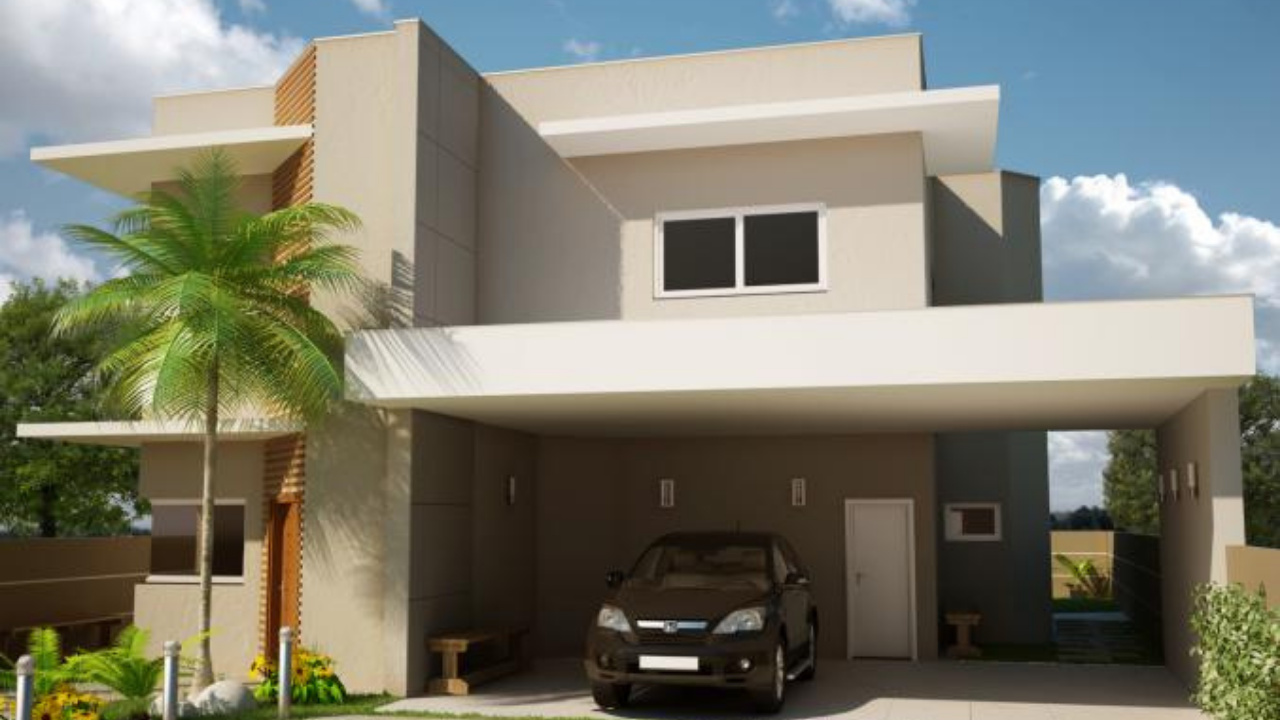
Learn What A Built-In Roof Is, What Types Exist, Advantages, Ideal Materials, And A Step-By-Step Guide To Securely Build It Into Your Project.
The built-in roof is an architectural solution increasingly sought by those wanting a modern-looking home with a clean finish. The construction of this model, used by architects and builders, began to popularize in recent years, especially in residential projects in Brazil.
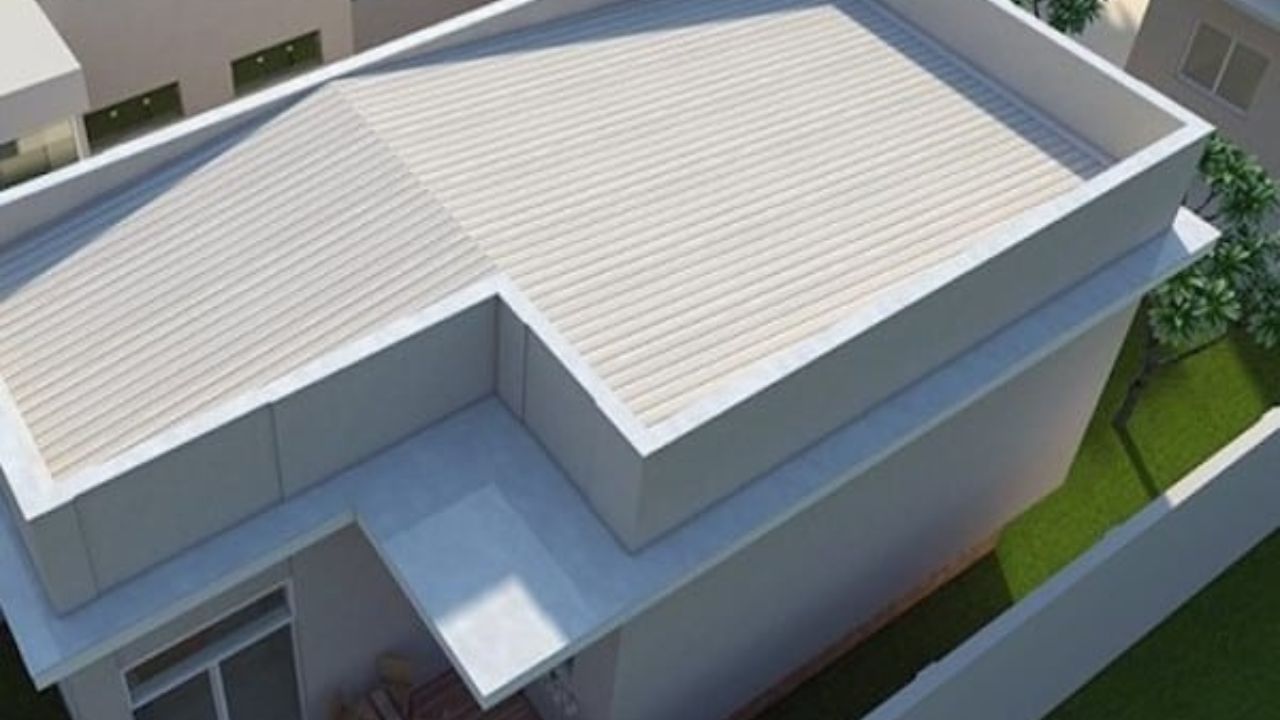
It functions as a “hidden” cover behind a parapet, offering a slope that is less than common roofs.
Interest is growing because the built-in roof brings refined aesthetics, less use of wood, and better integration with contemporary style.
-
The section of Serra da Rocinha on BR-285 is now open in Timbé do Sul: 50 m tensioned curtains and top-down technique stabilize the slope, with a stairway duct controlling the water.

-
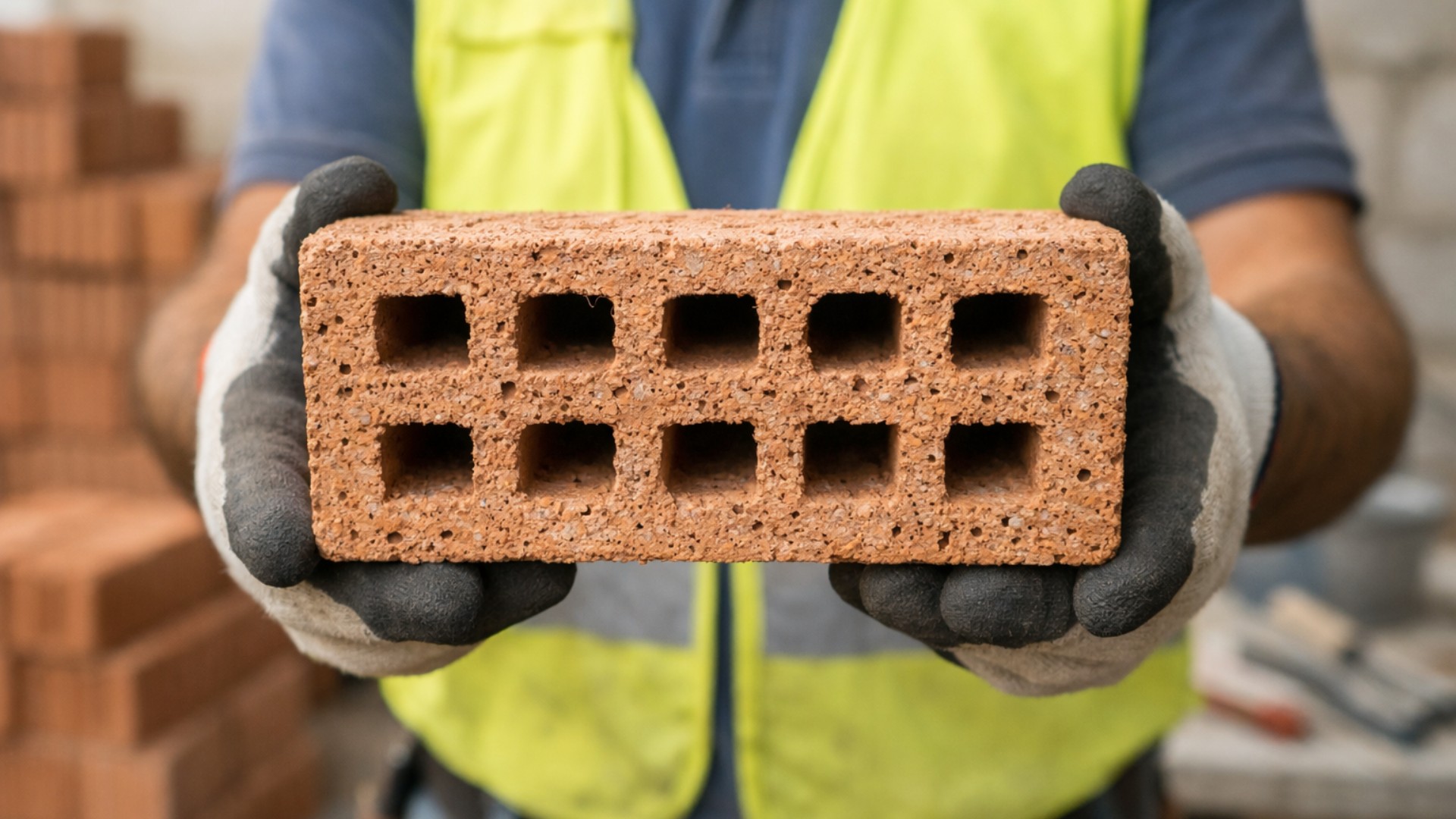
Scientists use sawdust mixed with clay to create a lighter brick, promising efficient thermal insulation and impressing by transforming waste into a solution for construction.
-
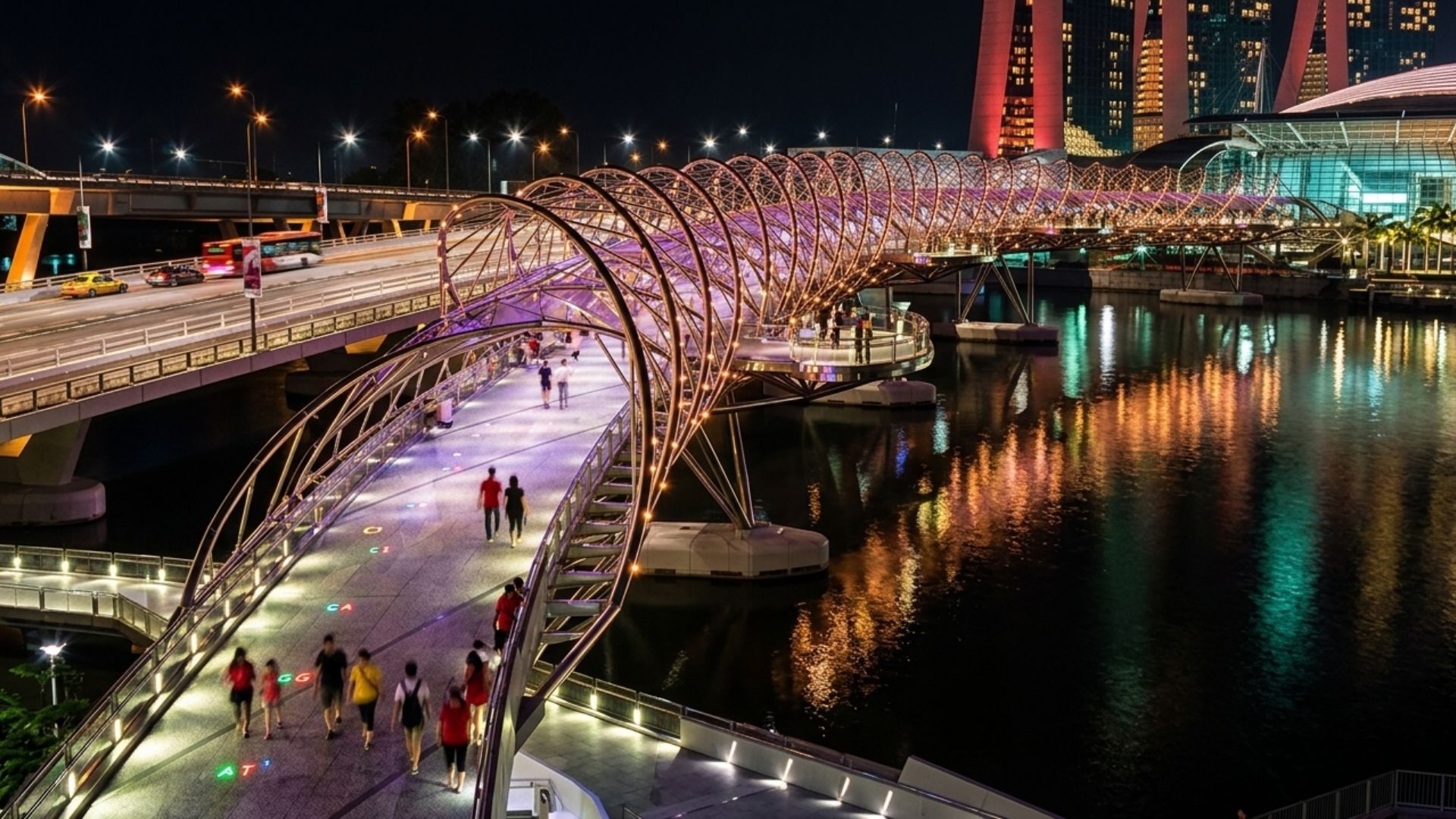
With a DNA shape, this bridge in Singapore draws attention in modern architecture and surprises tourists by transforming a simple crossing into an unforgettable visual experience in the urban heart.
-
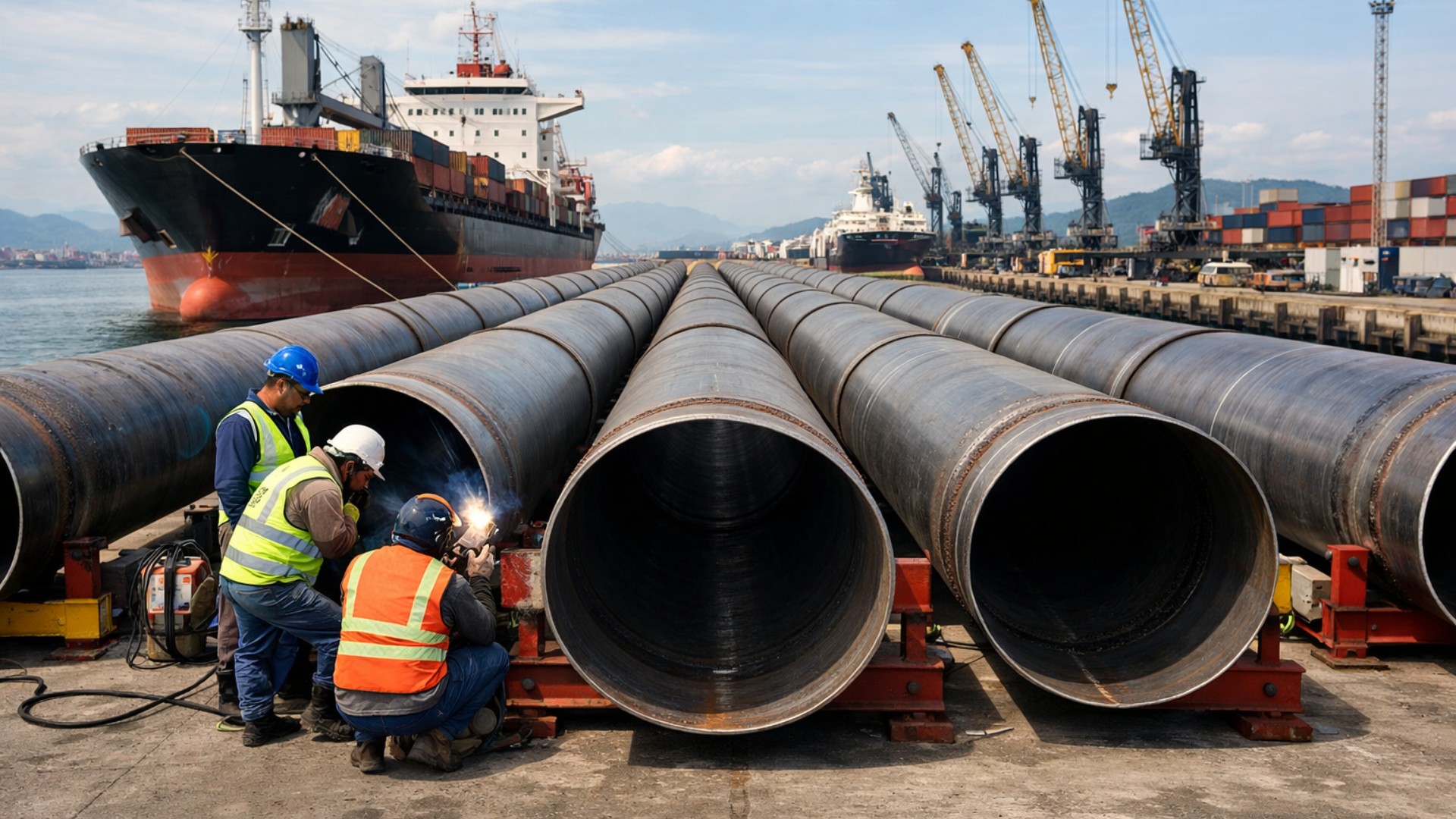
Giant underwater pipeline begins to take shape with a R$ 134.7 million project at the Port of Santos: the 1.7 km structure uses 12-meter and 700 mm pipes to supply water to 450,000 people in Guarujá.

What Is A Built-In Roof And Why Choose It Early In The Project?
The term “built-in roof” refers to a type of cover that does not appear frontally, as it is hidden behind parapets—low walls that surround the top of the building. In this way, the built-in model gives a flat facade appearance.
It can be made with one or two slopes—that is, one or two inclined surfaces for rainwater drainage.
Additionally, by using lighter structures and lighter tiles, it requires less wood or metal, reducing structural and foundation costs.
Types Of Tiles Used In A Built-In Roof
Fiber Cement Tile
This type of tile combines cement with cellulose fibers. It is resistant to weather and allows for good thermal and acoustic insulation.
However, it may require periodic maintenance.
Polypropylene Tile
Made of durable plastic, the polypropylene tile is quite lightweight, which facilitates installation on the built-in roof. Its variable colors are visually appealing.
However, the risk of deformation from intense sunlight or mechanical shocks requires attention.
Metal Tile
Metal tiles (steel, aluminum, copper) are frequently used in built-in roofs.
They last a long time, reflect heat, and allow for diverse finishes.
On the downside, noise during heavy rain and the possibility of corrosion need to be mitigated.
Thermo-acoustic versions (sandwich tiles) help improve thermal and sound comfort.
Essential Structural Elements In The Built-In Roof
To ensure that the built-in roof functions well, some components are fundamental:
- Trusses: triangular structures that support the entire covering.
- Beams: beams that rest on the trusses to distribute the weight of the tiles.
- Gutters: drain rainwater, preventing infiltrations.
- Flashings: protect joints between the built-in roof structure and walls or parapets to prevent leaks.
Step-By-Step Guide To Building A Durable Built-In Roof
- Preparation Of The Slab: must be leveled, clean, and structured according to the architectural project.
- Assembly Of The Structure: inclusion of trusses, beams, and definition of the type of slope (one or two slopes).
- Installation Of The Tiles: choose the appropriate material, define spacing, and ensure proper fastening.
- Install Gutters And Flashings: seal the joints between the parapet and the structure well to avoid infiltrations.
- Waterproofing: use membranes or other materials to prevent the entry of water, mold, or leaks.
Advantages And Care Of The Built-In Roof
Among the benefits are: modern look, clean facade, less use of wood, savings on structural material, and enhanced aesthetic impact.
It can also promote energy efficiency if well insulated.
On the other hand, it requires a good design to avoid water accumulation, infiltrations, or maintenance problems.
Poorly executed waterproofing or improperly sized gutters can cause serious issues.
The built-in roof is ideal for those looking for a project with a contemporary look, structural savings, and a discreet facade.
With the right choice of materials, professional installation, and attention to finishing details, it combines aesthetics and functionality.
If you are planning a construction or renovation, consider the built-in roof as an alternative—but always pay attention to the technical details to ensure durability and comfort.









Seja o primeiro a reagir!