





 Portuguese
  English
  Spanish
  3 min of reading
  0 comments


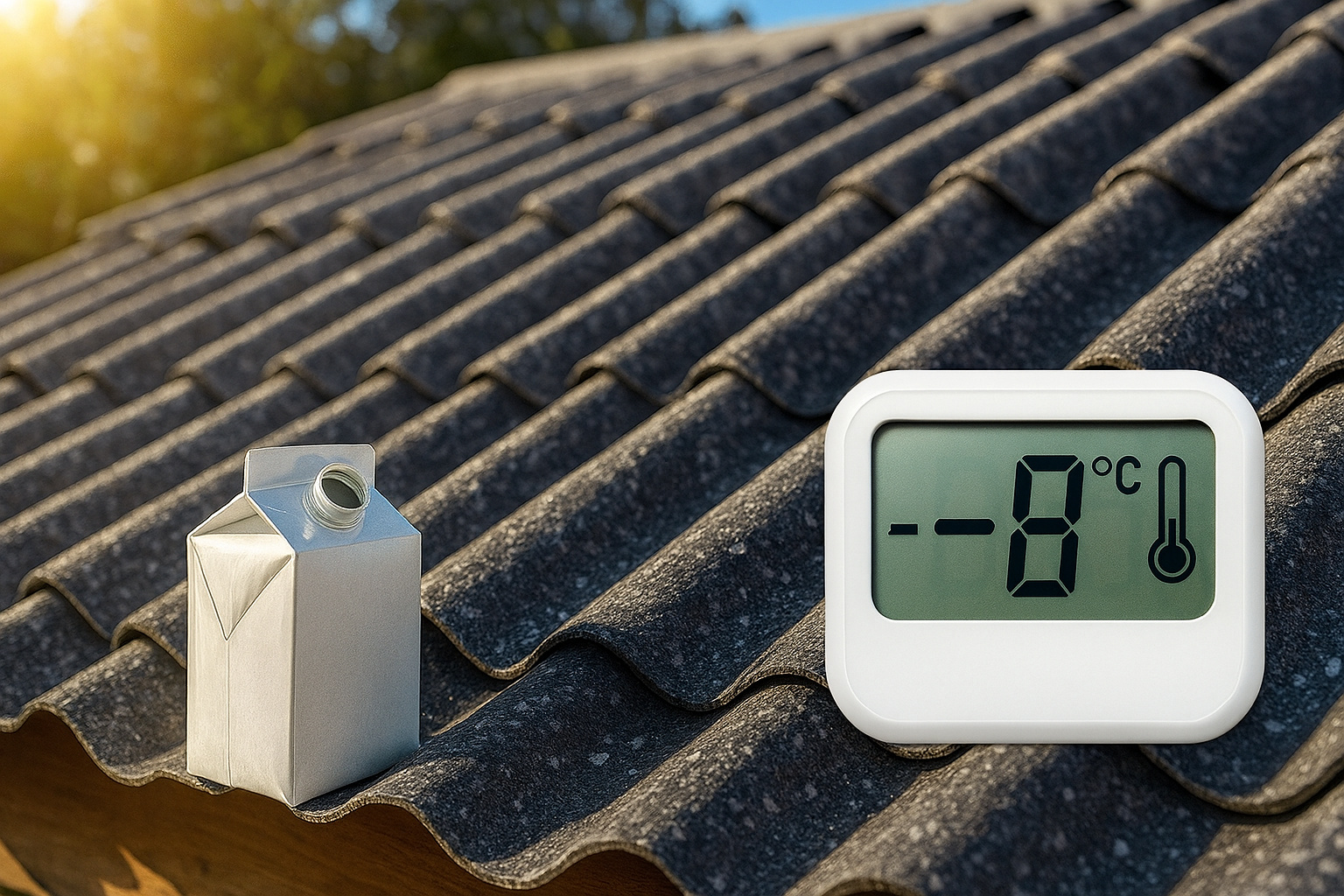
Ecological Tiles Made from Milk Cartons Offer Resistance, Durability, and Thermal Insulation, as Well as Being Cheaper. Learn About This Innovation That Combines Economy and Sustainability.
The long-life packaging, which was once seen as a villain due to its difficult recycling, is now being transformed into an intelligent solution for the construction industry. Companies like Ecopex are manufacturing ecological tiles from milk cartons (Tetra Pak), combining sustainability, economy, and efficiency.
The process involves utilizing the layers of aluminum and plastic present in the packaging, pressing and molding them into sheets that give rise to the tiles. The result is a product that is resistant, beautiful, and contributes directly to reducing waste discarded in landfills.
Economy That Makes a Difference in Your Pocket
One of the most attractive points of these tiles is the price: according to manufacturers and experts, they can be up to 25% cheaper than traditional models. This price difference makes the solution accessible not only for social housing projects but also for families looking to reduce renovation or construction costs without compromising quality.
-
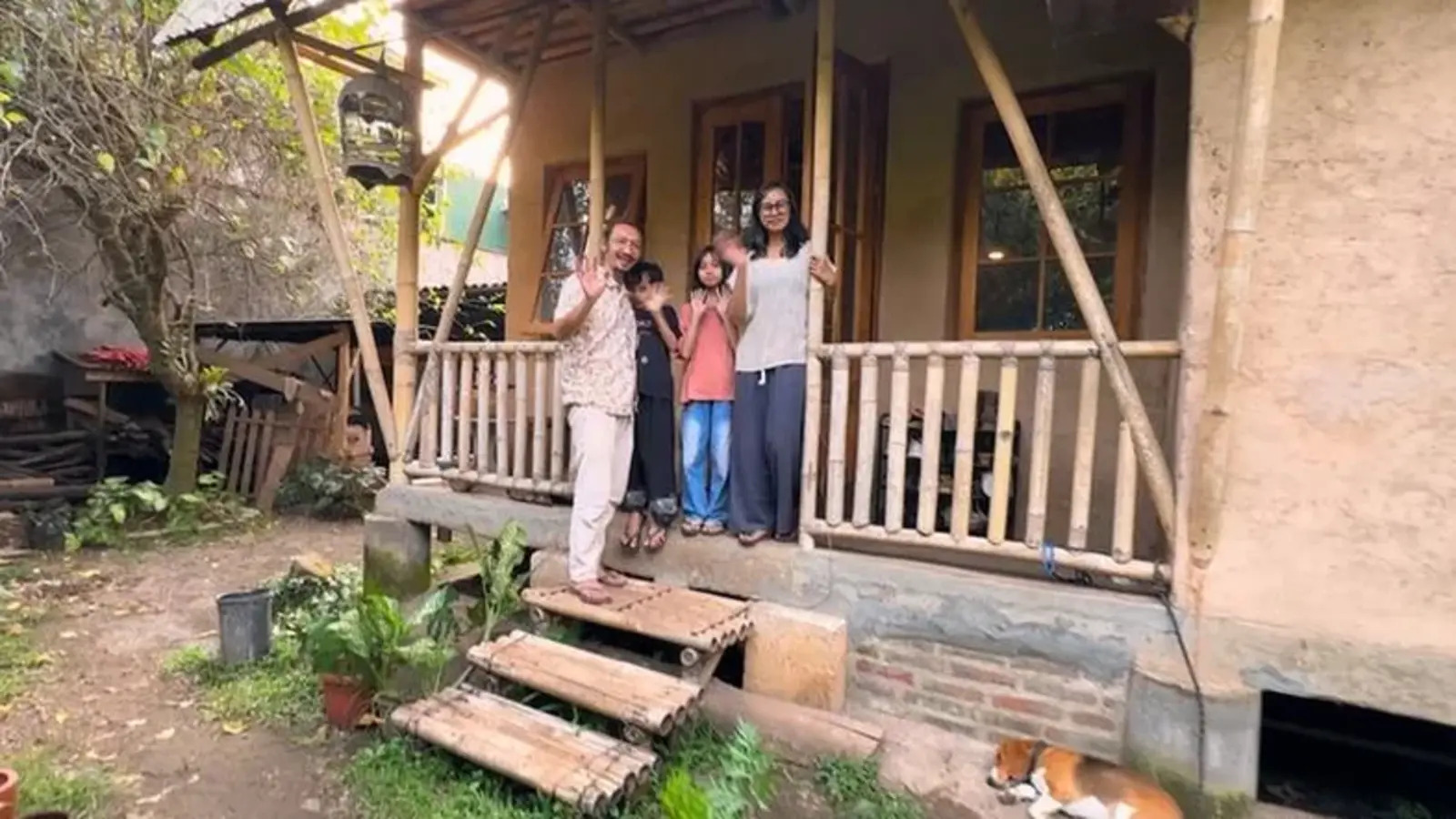
With earth, bamboo, straw, and lime mortar, a specialist builds a house for just over $460 and draws attention for its cost being much lower than traditional construction.
-
Rodrigo de Freitas Lagoon advances in environmental recovery with sanitation, elimination of irregular sewage, and the resumption of water sports in Rio de Janeiro.

-
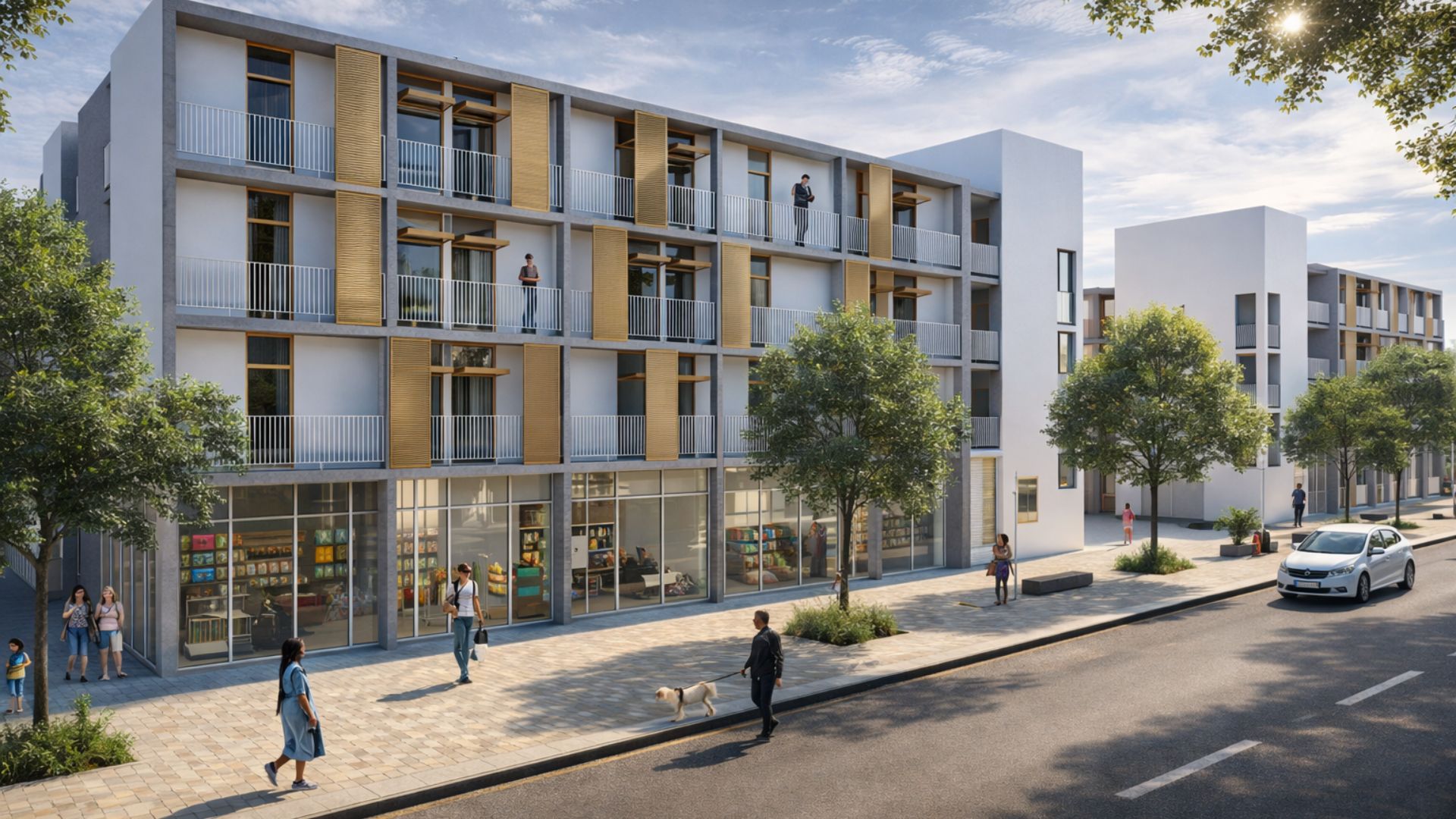
Sustainable housing gains strength with a nationally awarded project in Campo Grande, highlighting innovative solutions that combine sustainability, urban integration, and efficiency in the use of natural resources.
-
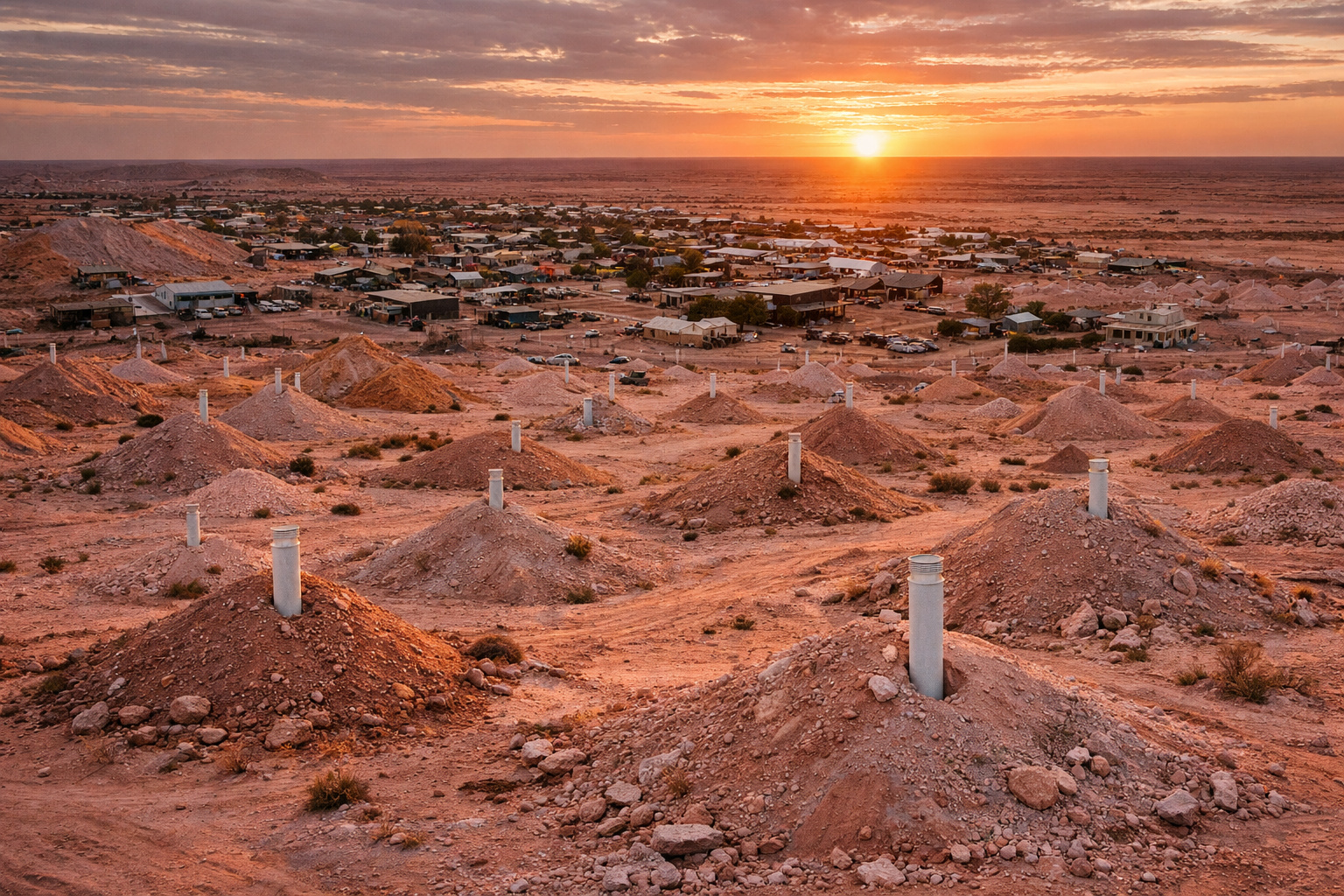
City Where Residents Live Underground to Escape 52°C May Be a Picture of the Future on an Increasingly Hot Planet



In times of high construction material prices, the possibility of saving with a sustainable product is a major draw.
Temperature Reduction in Environments
Another highlight is the thermal insulation. Studies and practical experiences indicate that tiles made from Tetra Pak can reduce the internal temperature of environments by up to 8ºC.
This means more comfort in hot regions, less need for fans and air conditioning, and consequently, savings on the electricity bill. For families living in areas with high temperatures, this advantage can completely transform quality of life.
Proven Resistance and Durability
The ecological tiles made from milk cartons do not fall short in terms of resistance. Manufacturers guarantee that they withstand rain, intense sun, and even hail, without showing cracks or deformations.
Furthermore, the material does not propagate fire, does not rot, and does not suffer from corrosion — common problems in metal, fiber cement, or wooden tiles. This durability extends the lifespan of the roof and reduces future maintenance costs.
Sustainability That Inspires
For every tile produced, thousands of long-life packages are kept out of dumps and landfills. Considering that Brazil consumes millions of milk cartons per day, the positive environmental impact is enormous.
By transforming waste into construction material, the initiative promotes circular economy, creates jobs in the recycling chain, and demonstrates that it is possible to create intelligent solutions for environmental problems.
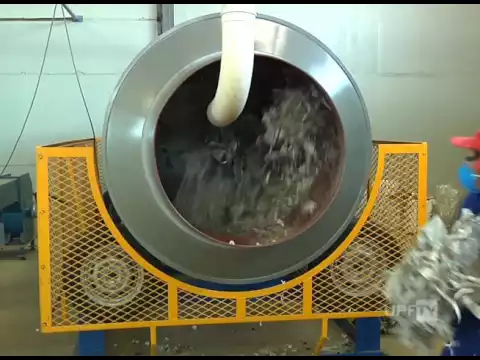
More than an innovative product, these tiles symbolize a new perspective on sustainability in the construction industry.
Lightness and Ease of Installation
Another lesser-discussed but highly valued benefit in practice is the lightness of the material. The tiles made from milk cartons are easier to handle, transport, and install than conventional options.
This reduces construction time, lowers costs for specialized labor, and expands usage possibilities, including in popular constructions and self-build projects.
Social Projects and Sustainable Housing
Various popular housing initiatives have already adopted ecological tiles as part of sustainable solutions. Besides being cheaper and more resistant, they ensure thermal comfort for families in vulnerable situations, who often face extreme heat inside simple homes.
These projects reinforce the role of milk carton tiles as a tool for social and environmental inclusion, demonstrating that technology can serve both sustainability and social justice.
Economy, Comfort, Resistance, and Positive Environmental Impact
The tiles made from recycled milk cartons combine the best of all worlds: economy, comfort, resistance, and positive environmental impact. Cheaper, durable, and capable of reducing heat by up to 8ºC, they are gaining traction in the market and becoming a viable alternative for both families and large projects.
In a scenario searching for greener and more accessible solutions, this innovation shows that even the simple act of drinking milk can transform into sustainable construction material.







Seja o primeiro a reagir!