





 Português
  Inglês
  Espanhol
  3 min de leitura
  0 comentários


Innovative Roofs For A Greener World
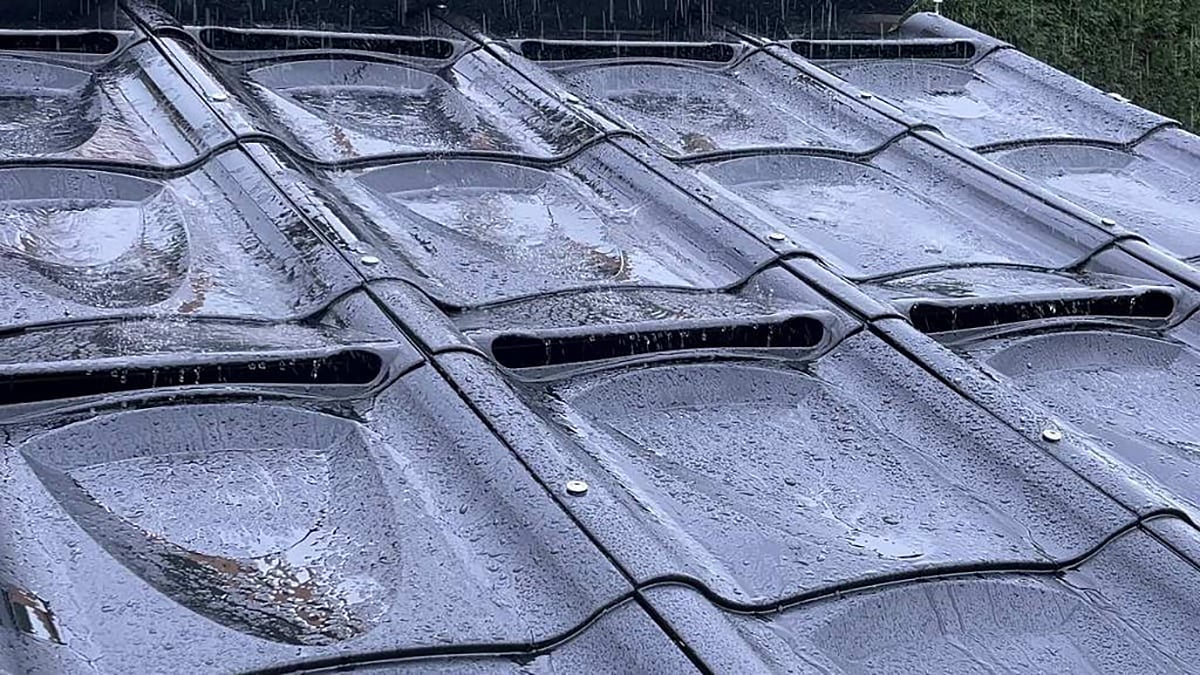
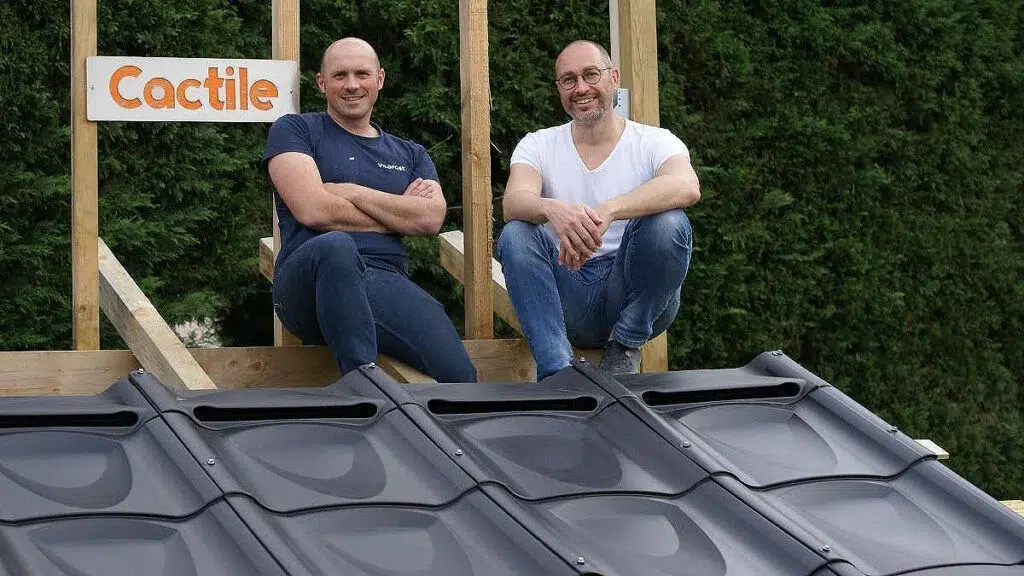
According to engenharia360, amidst growing concerns about water scarcity and floods, the French startup Cactile presents an innovative solution: ecological tiles that capture, filter, and store rainwater. They not only contribute to sustainable water management but also alleviate pressure on urban drainage systems. Let’s explore how they work and their benefits.
How Do Cactile Ecological Tiles Work?
The Cactile tiles are made of galvanized steel and have a special design to capture rainwater. In this way, they prevent debris like leaves and branches from passing through, ensuring that the collected water is clean and ready for use. About 96% of the rainwater that falls on the roof goes through the filtration process and is then stored in reservoirs. This water can be used for various purposes, from supplying faucets to irrigation systems.
Benefits
- Water Self-Sufficiency: By reducing dependence on public supply networks, ecological tiles provide an alternative source of water for household and irrigation use.
- Sustainability: The manufacture of these tiles uses recycled materials, such as polypropylene and polyethylene, reducing potable water consumption and contributing to environmental preservation.
- Intelligent Rainwater Management: In addition to preventing floods, the Cactile tile system allows efficient reuse of rainwater.
- Financial Savings: Reducing costs for potable water and electricity is a significant advantage for homeowners and commercial buildings.
- Versatility: The Cactile tiles are adaptable to new constructions and renovation projects, with a maximum weight of 60 kg per square meter.
Practical Applications
The Cactile ecological tiles offer a range of practical applications that can revolutionize how we use water in our homes and buildings. Let’s take a look at some of them:
-
A megaproject worth R$ 89 billion is advancing in Iraq and promises to change the game in global trade by creating a new corridor between Asia and Europe, reducing traditional routes and repositioning the country as a logistics powerhouse.

-
Goodbye bedside table: floating shelves become a trend in 2026 by freeing up space in the bedroom, improving circulation, bringing visual lightness, and integrating technology without taking up floor space.

-
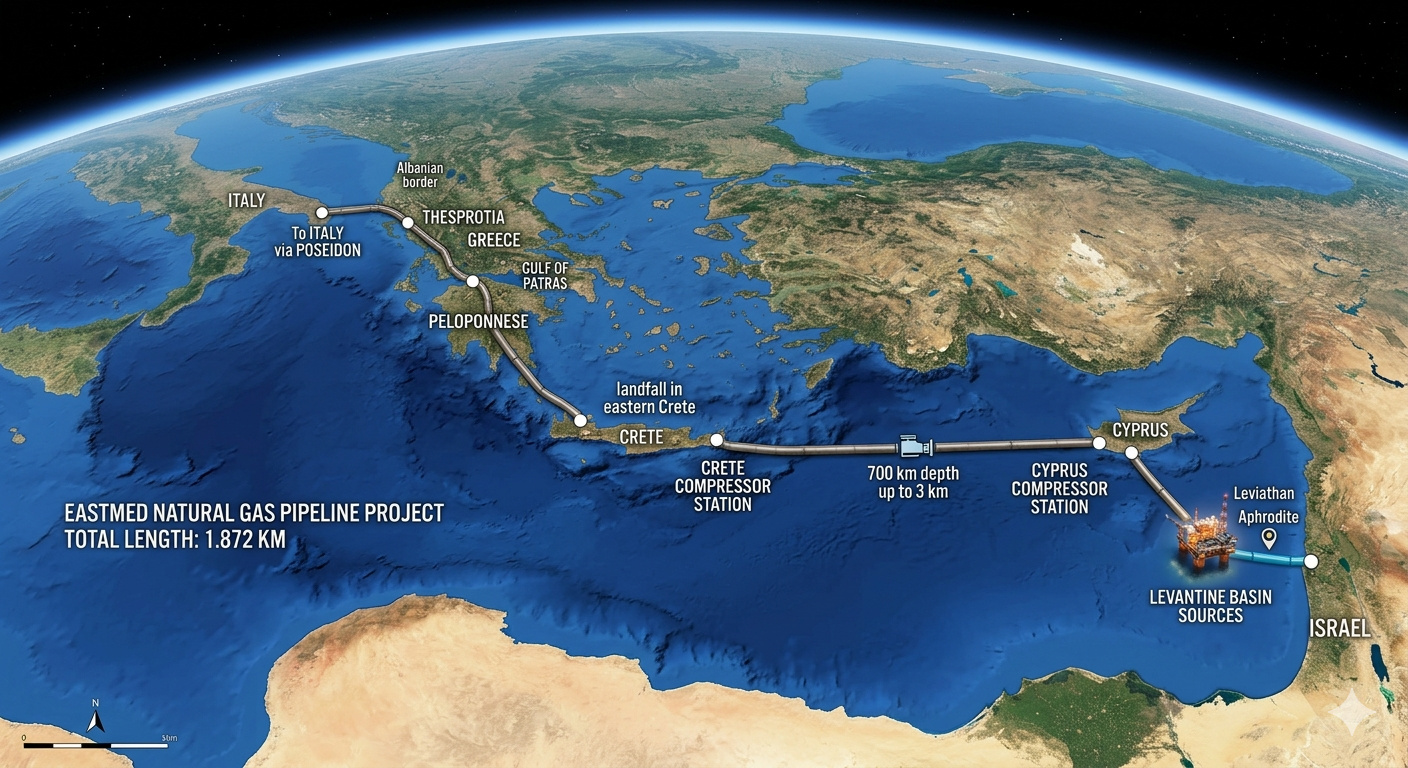
Israel, Greece, and Cyprus signed an agreement in 2020 to transport gas from the Mediterranean to Europe via a 1,872 km pipeline, but Turkey claimed sovereignty over part of the maritime route, and the project never materialized.
-
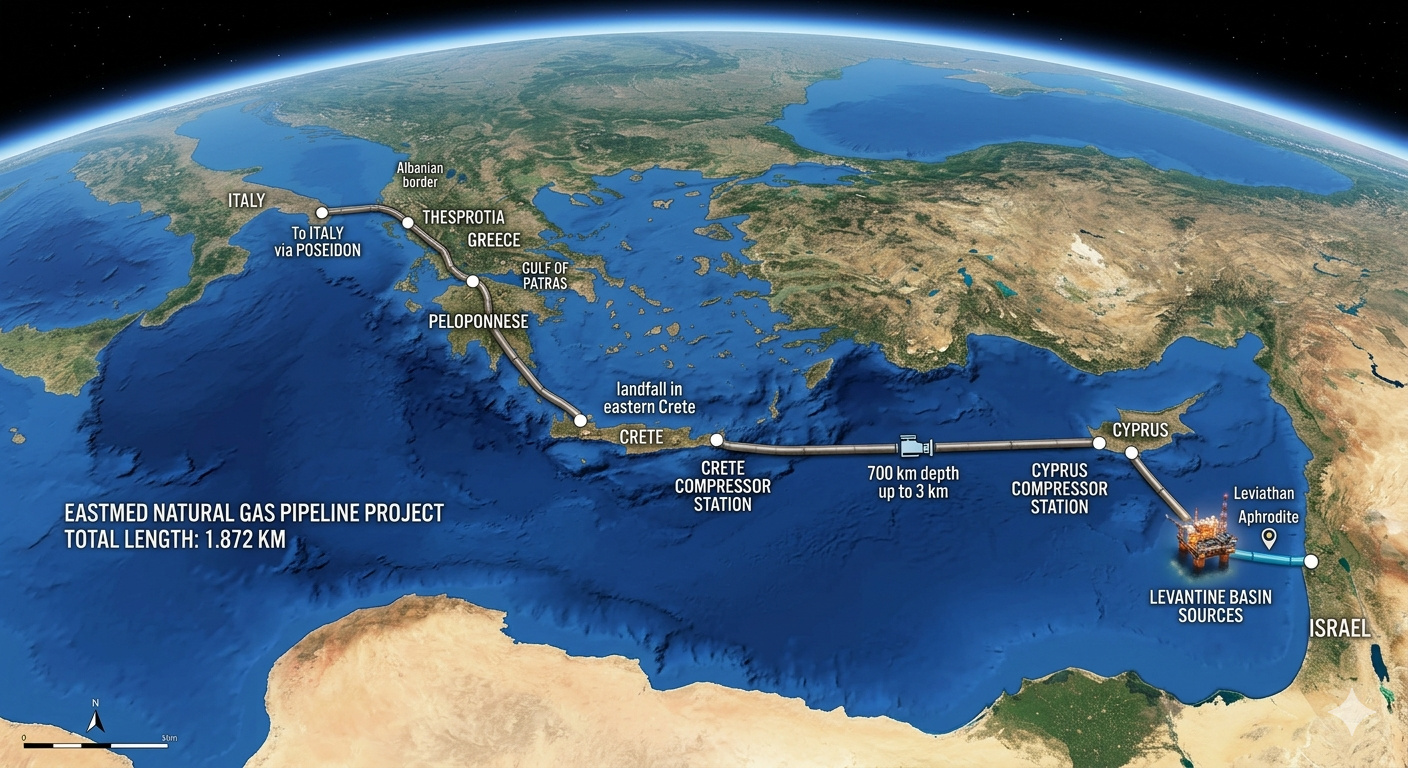
Israel, Greece, and Cyprus signed an agreement in 2020 to transport gas from the Mediterranean to Europe via a 1,872 km pipeline, but Turkey claimed sovereignty over part of the maritime route, and the project never materialized.

- Washing Clothes and Dishes: The water collected by the tiles can be used to wash clothes and dishes, reducing potable water consumption and associated costs.
- Irrigation of Gardens and Greenhouses: With Cactile, it’s possible to efficiently water gardens and greenhouses using stored rainwater.
- Use in Various Building Models: This technology can be applied in residential, commercial, and industrial projects, contributing to water self-sufficiency.
A Sustainable Future With Cactile
Looking towards the future, the Cactile system has the potential to transform communities and promote sustainability. Here’s what we can expect:
- Water Resilience: By combining intelligent design and recycled materials, Cactile tiles help address the challenges of climate change, ensuring access to water even in times of scarcity.
- Progressive Implementation: The pilot project is scheduled for late 2024, followed by commercial implementation in 2025. Ongoing improvements aim to increase water collection efficiency and quality.
- New Versions and Innovations: The creators already envision future versions of the tiles, making them even more efficient and adaptable to community needs.
Therefore, the Cactile ecological tiles represent an important step towards a more conscious and sustainable future.








Seja o primeiro a reagir!