





 Portuguese
  English
  Spanish
  4 min of reading
  0 comments


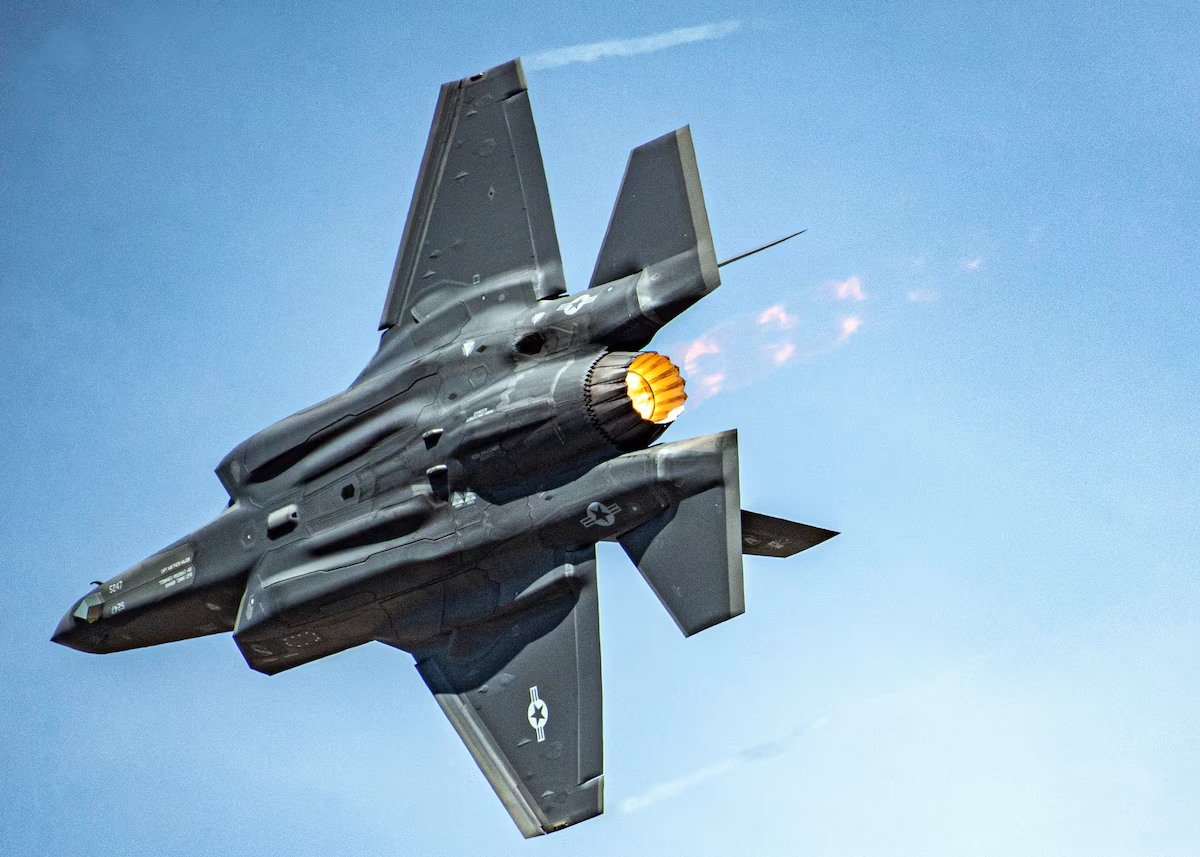
In Response to Global Tensions, the USA Are Expanding Their Nuclear Strategy, Including the Use of Advanced Gravitational Bombs and Ohio-Class Submarines for Strategic Defense.
In an increasingly tense international scenario, the United States are adjusting their nuclear deterrent strategy. With the nuclear arsenals of China, Russia, and other adversaries expanding, the U.S. Department of Defense (DOD) is considering important changes to maintain their leadership position.
Richard C. Johnson, Deputy Assistant Secretary of Defense for Nuclear Policy and Countering Weapons of Mass Destruction, recently stated that the USA needs to adapt to the new realities of global security. These adaptations may involve adjustments to the 2022 Nuclear Posture Review.
Increasing Global Threats
The United States face a growing nuclear threat from their competitors. Russia, with 4,380 nuclear weapons, and China, which has expanded its arsenal from 410 to 500 warheads in a year, are clear examples of the intensification of the arms race.
-
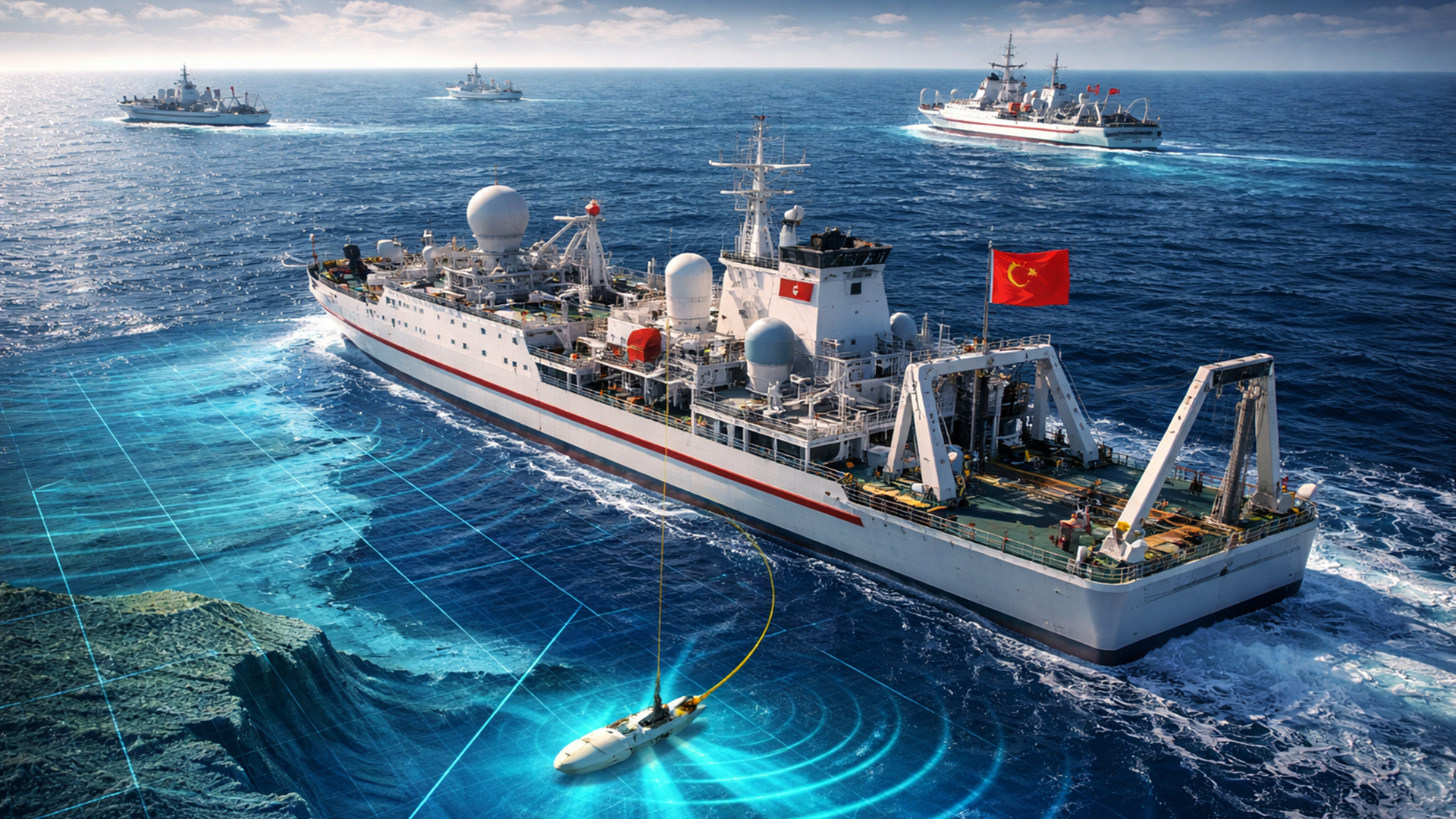
Dozens of Chinese research ships are discreetly mapping the ocean floor in three oceans – and naval analysts see a military pattern.
-
The winter of 2026 in Brazil will not be what you expect: meteorologists warn that the season will be warm and rainy at the same time due to the advance of El Niño, which is already warming the Pacific and changing the climate of the entire country.

-
For the first time, humanoid robots will compete in a full half-marathon without any human assistance in Beijing, with over 100 teams from China registering machines that need to complete the course with autonomous navigation on two legs.

-
Submarine cables installed to transmit the internet now also help scientists detect earthquakes.


China, in particular, is increasing its weapons production at an unprecedented rate. The Stockholm International Peace Research Institute (SIPRI) has highlighted a 20% increase in the number of Chinese warheads, which now includes vehicles capable of transporting these warheads in peacetime, something that could significantly alter the global power balance.
The U.S. Deterrence Strategy
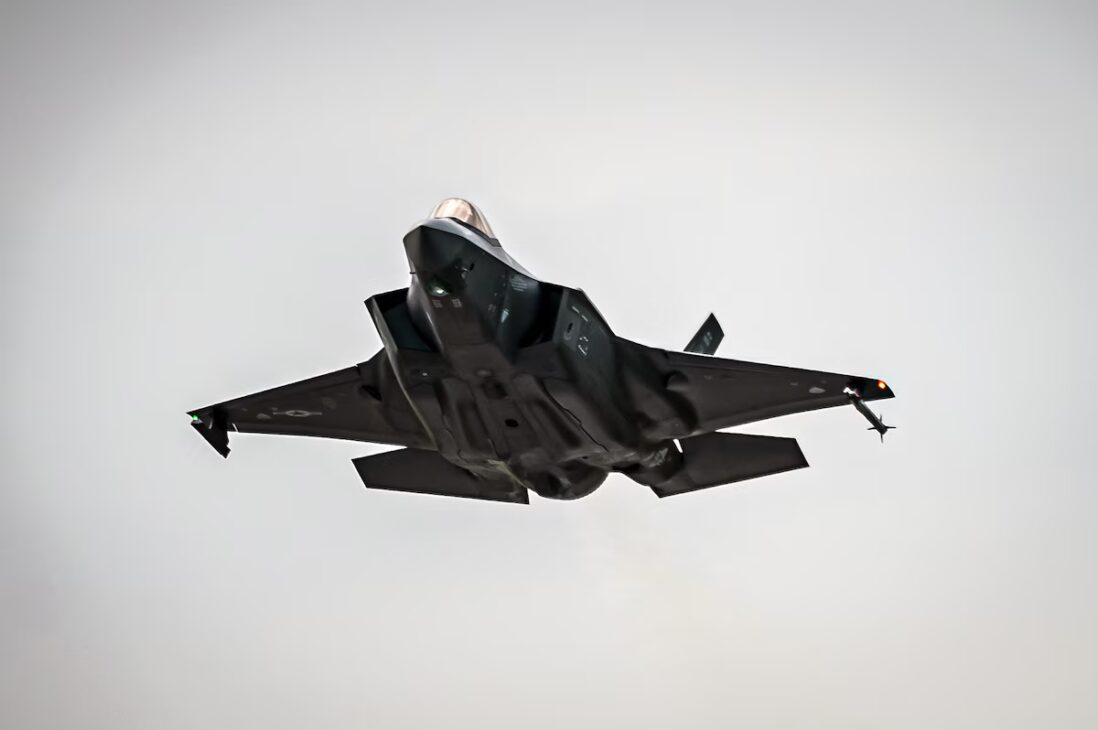
To respond to this new reality, the USA are implementing changes to their nuclear posture. Johnson explained during a panel at the Center for Strategic and International Studies in Washington, DC, that the DOD, in collaboration with the National Nuclear Security Administration (NNSA), is already taking steps to modernize its forces.
Among these measures is the modernization of the B61-13 gravitational bomb, which will be delivered by aircraft, and the increased readiness of Ohio-class submarines, which operate with nuclear weapons and propulsion.
These modifications are necessary to ensure that the USA can deter multiple adversaries simultaneously. The new nuclear deterrence report presented to Congress on November 15 details that the USA will now disable the integration of non-nuclear capabilities whenever possible to support its deterrence mission.
Preparing for Future Nuclear Scenarios
The USA are also preparing scenarios that may involve limited nuclear attacks or high-consequence non-nuclear attacks. The new report recommends greater cooperation with allies and partners, as well as combined planning to strengthen ongoing deterrence commitments.
Grant Schneider, deputy director for strategic stability at the Joint Chiefs of Staff, highlighted the importance of deep strategic analysis. “To be prepared for the 2030s, we must modernize our nuclear forces, command and control, and associated infrastructure,” Schneider said. He added that the USA need to be flexible to adapt to changes in the global landscape and new threats.
The Threat from North Korea and Other Challenges
In addition to Russia and China, North Korea also stands out as a growing threat. SIPRI indicated that the country has about 50 warheads and enough fissile material to produce up to 90 warheads in the near future.
North Korea, an ally of Moscow and Beijing, continues to develop its nuclear capabilities, which puts additional pressure on the U.S. deterrence strategy.
Recently, Russia also conducted the first military use of an intercontinental ballistic missile (ICBM) in the war in Ukraine. The ICBM, capable of carrying nuclear warheads, raised serious concerns about the possibility of escalation.
The change in Russian doctrine, which now allows for the use of nuclear weapons in response to large-scale non-nuclear attacks, adds a layer of complexity to an already volatile scenario.
The USA are adjusting their nuclear posture to face a world where the threats are clearly more diversified and dynamic than ever.
The combination of modernized nuclear forces, enhanced cooperation with allies, and new non-nuclear capabilities forms the basis of a strategy aimed at maintaining stability and deterring adversaries. However, with the rapid changes in the global landscape, the ability of the USA to adapt quickly and manage escalation will be crucial to ensuring national security and international stability.
The security environment continues to evolve, and nuclear weapons, far from being a relic of the past, remain at the center of the United States defense strategy.








Seja o primeiro a reagir!