





 Portuguese
  English
  Spanish
  4 min of reading
  0 comments


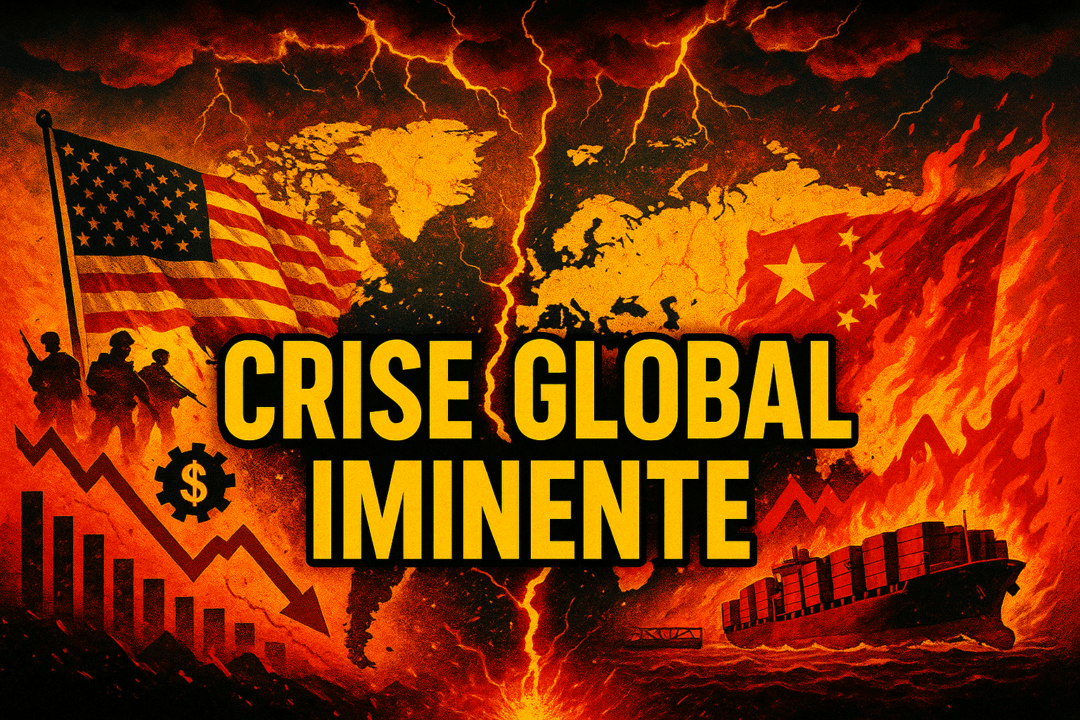
With the rise of geopolitical and economic tensions, global financial markets face an increasing risk, mainly affecting the most vulnerable countries. The impact can be profound, altering the global economic trajectory.
IMF report highlights that global risks, such as wars and trade disputes, directly affect the financial market, with a more severe impact on emerging countries.
The global economy faces a new era of uncertainties fueled by geopolitical conflicts and trade tensions that threaten macro-financial stability, according to a warning from the International Monetary Fund (IMF), in a report published as part of the Spring Meetings of 2025, in Washington, United States.
Events such as wars, terrorist attacks, and trade restrictions have been increasing since 2022 and are among the main villains of global economic and financial stability, according to Chapter 2 of the report “Global Financial Stability,” prepared by economists Salih Fendoglu, Mahvash S. Qureshi, and Felix Suntheim.
-
Havan buys historic football land in Blumenau for a million-dollar amount protected by a confidentiality clause and is already planning to change even the layout of streets to build a megastore in half-timbered style costing 80 million reais.

-
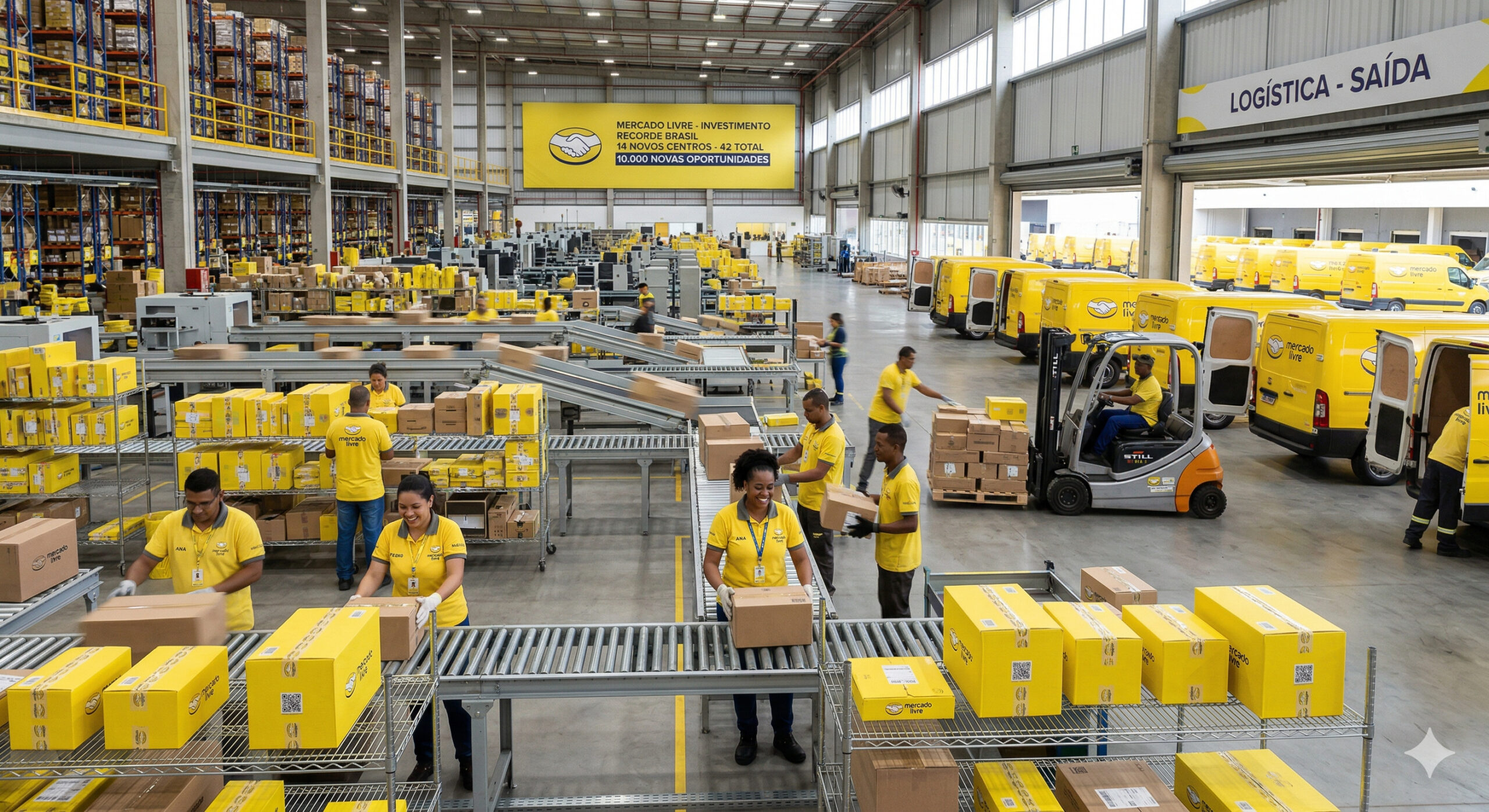
Mercado Livre “opens the vault” and announces a record investment of R$ 57 billion in Brazil in 2026, a value 50% higher than the previous year, with an expansion plan that includes 14 new logistics centers, totaling 42 units in the country and hiring an additional 10,000 employees.
-
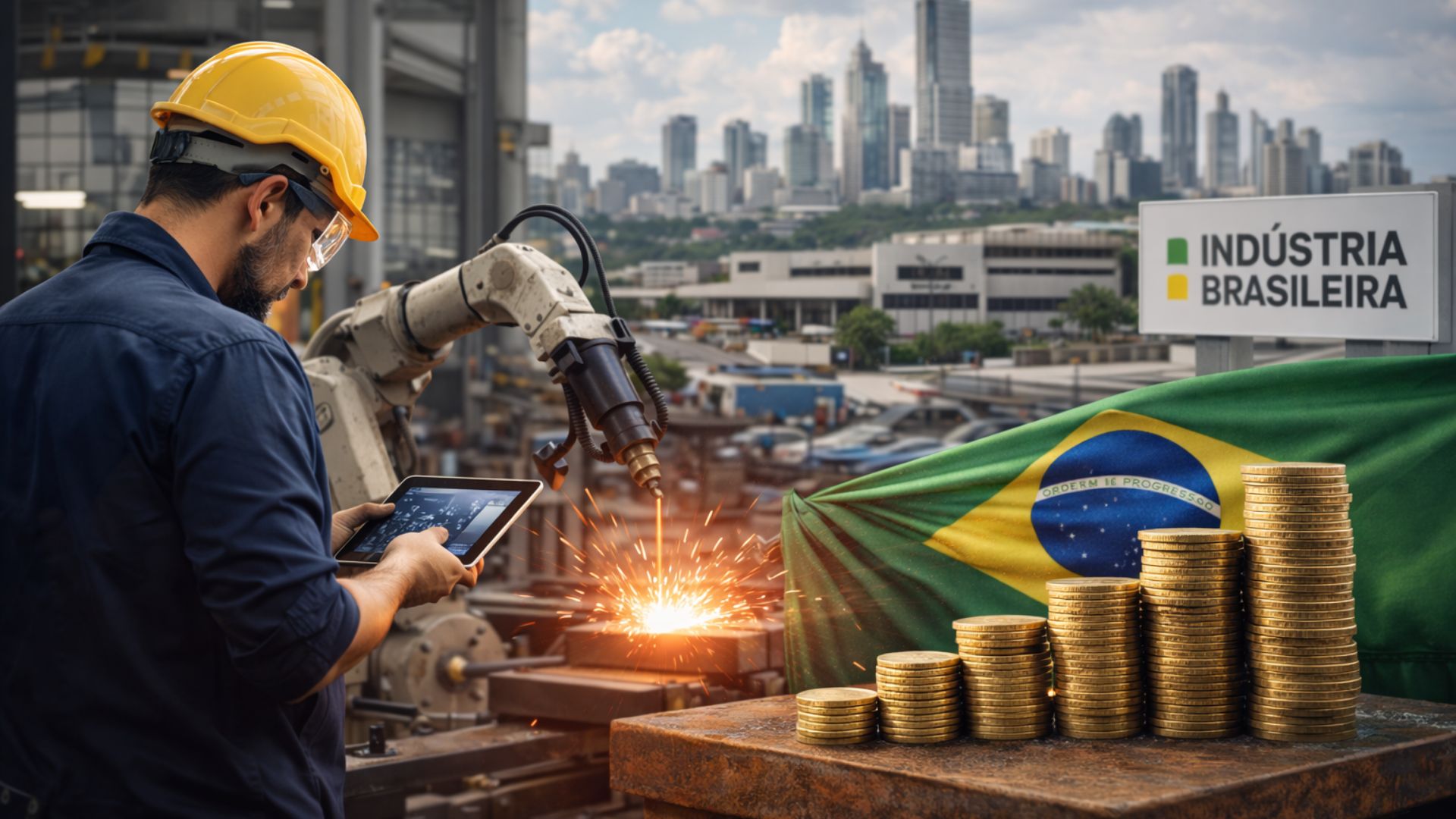
How investment in technology can revolutionize the national economy and enhance industrial gains, according to a study that highlights the direct impact on productivity, innovation, and wealth retention within Brazil.
-
The largest food company on the planet, JBS, has just opened a 4,000 square meter laboratory in Florianópolis to develop customized proteins that modulate muscle mass gain, immune response, and metabolic performance.


The IMF states that geopolitical risks remain high and already provoke direct impacts on market behavior, financial institutions, and credit to the private sector.
Geopolitical Risks Increase and Affect the Financial System
The IMF highlights that geopolitical events not only influence market sentiment but also have lasting effects on asset prices and the health of economies.
Wars, increased military spending, and barriers to international trade have risen since 2022, comparable only to periods of major conflicts in the 21st century.
Furthermore, the increase in trade and financial tensions has restricted lending and raised the cost of financing, particularly in developing countries.
This type of environment raises the risk premiums of government bonds and intensifies stock market volatility, directly impacting investors and corporate performance.
Unequal Impact Between Developed and Emerging Economies
According to the report, emerging countries tend to suffer more than developed economies during periods of geopolitical and trade tension.
During these periods, emerging markets record average monthly declines of 2.5% in stock indices, while developed markets show smaller declines of around 1%.
This highlights the vulnerability of developing economies in the face of external shocks and the importance of sound macroeconomic policies to mitigate impacts.
US and China: A Rivalry That Shakes the Markets
The trade clash between the United States and China, which gained strength starting in 2018, is cited as one of the main examples of the negative effects of economic disputes.
The IMF reminds us that announcements of tariffs by both countries in 2018 and again in 2024 generated immediate market reactions.
Shares of Chinese companies fell almost 4% after tariff measures announced by the US, while American stocks also retreated between 1.6% and 1.8% after Chinese retaliations in 2019.
Such movements demonstrated how the market responds with high sensitivity to any sign of trade conflict between the two largest powers on the planet.
The Crisis of 2024 and the Losses in American Markets
In recent months, North American markets have experienced significant losses amid new fears of a trade war.
In April 2024, the S&P 500 fell almost 5%, the Nasdaq dropped 5.8%, and the Dow Jones saw a decline of over 3%.
These numbers were considered “significant” by the IMF, which highlights the role of uncertainty as a driver of asset price volatility.
The fear of an escalation in US trade tariffs, driven by former President Donald Trump’s more aggressive rhetoric during the election primaries, increased tensions and brought instability to global markets.
US Treasuries Also Felt the Effects
In addition to the impact on stocks, geopolitical events have a direct reflection in fixed-income markets, especially in sovereign bonds.
The risk premiums of US Treasuries rose during critical moments, raising concerns about the liquidity of these securities, especially among large global investment funds.
According to market operators, this was one of the factors that pressured Trump to announce, still in 2024, a temporary truce in trade tariffs with China, with a suspension for 90 days.
IMF Warns of Global Contagion Risk
One of the main messages from the IMF report is that the effects of geopolitical crises are not limited to the countries directly involved.
The interconnection of economies and financial markets makes a domino effect possible that can affect all regions of the planet.
Contagion risks are particularly concerning in countries with close trade and financial ties to the protagonists of the tensions.
High uncertainty is pointed out as the main transmission channel for shocks, both for financial markets and the real economy.
IMF Recommends Caution to Banks and Policy-Makers
In light of this scenario, the IMF recommends that financial institutions carefully evaluate geopolitical risks in their operations and strategies.
The authors suggest that banks incorporate stress scenarios based on geopolitical events into their risk assessments.
Policy-makers should also take these factors into account when designing rules for the supervision and regulation of the financial system.
Proper preparation can prevent external shocks from turning into systemic crises that threaten national economic stability.
A Scenario of Increased Attention
The IMF report, released amid the Spring Meetings of 2025, is a call for vigilance in the face of a volatile international landscape.
The message is clear: global financial stability is threatened not only by traditional economic factors but also by political and military events that are beyond market control.
With increasingly interdependent economies, the impact of a decision in Washington or Beijing can be felt in São Paulo, Johannesburg, or Tokyo.
Now more than ever, governments, central banks, and private institutions must remain alert to global dynamics and be prepared to act swiftly and responsibly.







Seja o primeiro a reagir!