





 English
  Francês
  Alemão
  Italiano
  Japonês
  Norueguês
  Portuguese
  Spanish
 5 min of reading
  0 comments


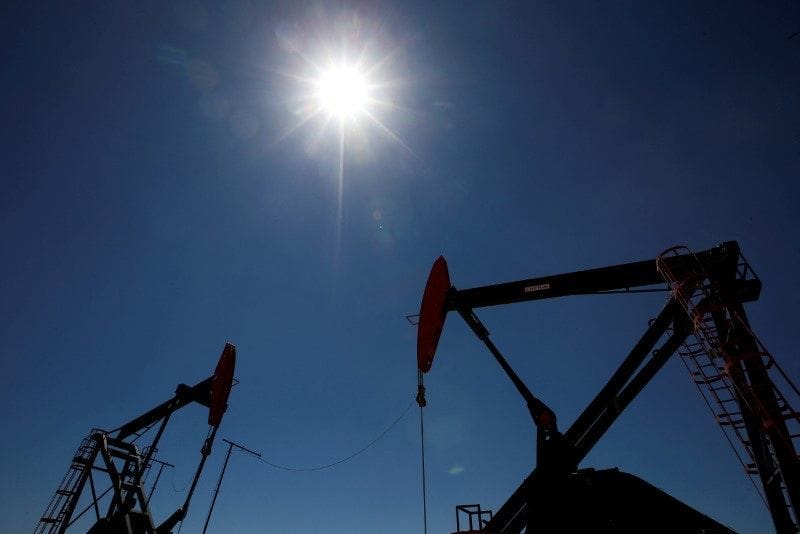
The value of the barrel reached a peak above US$ 91 earlier this week, on Monday (16). Oil prices have been in the spotlight in recent days, with the crisis in the Middle East leaving investors worried. The war between Israel and the radical Islamic group Hamas has the potential to trigger a broader conflict in the region, which could further constrain global oil supply.
On Monday, oil prices rose above US$ 91 per barrel as diplomatic efforts intensified to resolve the crisis. However, by the end of the day, prices fell and were close to Friday’s level.
Brent crude futures, the global benchmark for oil, rose to US$ 91.20 per barrel during trading on Monday in Asia, slightly above Friday’s closing price of US$ 90.89. However, the last closing price for oil was US$ 90.77 per barrel.
-
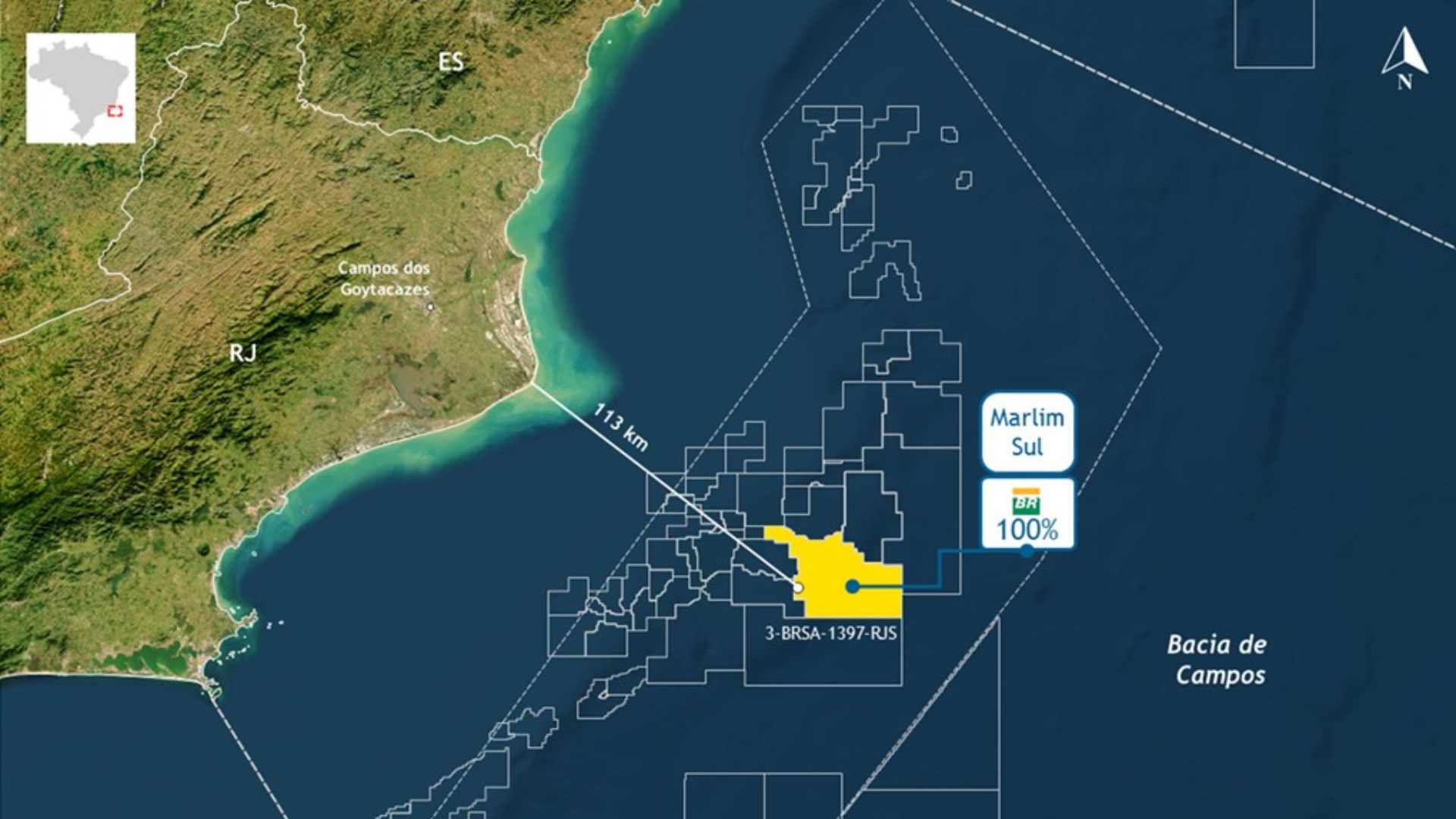
Brazilian giant expands borders in the Southeast: Petrobras confirms new oil discovery in ultra-deep waters in the pre-salt of the Campos Basin.

-
Alert in the global energy market: Severe tropical cyclone hits the coast and disrupts gas production at major plants in Australia, threatening global supply.

-
Petrobras finds high-quality oil in the pre-salt at 113 km from RJ and reignites expectations about strategic reserves in the Campos Basin.

-
Ocyan opens registrations for startups focused on innovation in the oil and gas sector and will select projects for Innovation Day with the support of Nexio.


The situation in the Middle East is leaving investors cautious, as the region is rich in oil and any conflict affecting the production and transportation of the resource could have a significant impact on global prices.
Additionally, investors are keeping an eye on West Texas Intermediate oil futures, which are also an important benchmark in the market. Although prices have risen, the uncertainty surrounding the situation in the Middle East is leaving investors cautious.
It is important to highlight that oil prices are influenced by a number of factors, including supply and demand, geopolitics, and economic factors. Therefore, it is difficult to accurately predict how the situation in the Middle East will affect oil prices in the long term.
However, analysts believe that the volatility in oil prices is likely to continue as long as the crisis in the Middle East persists. Investors should remain alert to developments in the region, as any escalation in the conflict could lead to an increase in oil prices.
In summary, the crisis in the Middle East is leaving investors concerned about oil prices. The war between Israel and Hamas could trigger a broader conflict in the region, further constraining global supply of the resource. Oil prices have risen, but uncertainty remains, leaving investors cautious about Brent and West Texas Intermediate oil futures.
Oil prices are in the spotlight due to the crisis in the Middle East, leaving investors worried. The war between Israel and Hamas has raised concerns about global oil supply, leading Brent and West Texas Intermediate oil futures to rise.
In the international market, the price of Brent oil briefly rose to US$ 87.98 (R$ 447.10), compared to Friday’s closing price of US$ 87.68 (R$ 445.57). This was the last trade at that closing price.
Brent and West Texas Intermediate oil futures recorded gains on Friday, following the start of ground incursions by Israeli forces in the Gaza Strip. The situation in the Middle East has worried investors, leading to an increase in oil prices.
In statements to CBS on Sunday (15), U.S. National Security Advisor Jake Sullivan warned about the risk of escalation in the conflict and stated that there was no new information suggesting that the level of threat from Iran had changed. However, the risk of regional escalation has led analysts at ANZ Research to forecast that oil prices will reach US$ 100 (R$ 508) per barrel in the short term.
Although Israel and Hamas are not significant oil suppliers, the risk to oil markets will increase if the conflict escalates. According to analysts, if Iran gets involved, up to 20 million barrels of oil per day could be at risk of direct disruption or due to logistics obstruction.
The “Middle East risk” is dominating the global asset price landscape, according to Stephen Innes, managing partner of SPI Asset Management. The ongoing conflict could weigh further on global oil supply, heightening investor concerns.
As the war between Israel and Hamas continues, oil prices remain high, reflecting uncertainty and volatility in the markets. Investors are closely monitoring developments in the Middle East, as any escalation in the conflict could have significant impacts on global oil supply and prices.
Oil prices are experiencing significant instability due to the crisis in the Middle East. The war between Israel and Hamas has left investors concerned about global oil supply. Uncertainty about the future of the market has led to increases in Brent and West Texas Intermediate oil prices.
Since the end of June, global oil prices have been rising due to production cuts by Saudi Arabia and Russia. These measures have fueled concerns about a reduction in global oil supply.
Additionally, the new U.S. measures, revealed last week, aim to increase the cost of Russia’s attempts to circumvent a price cap on its oil. These measures may have further propelled oil prices upward.
In the foreign exchange market, the shekel, Israeli currency, weakened on Monday, trading down 0.3% against the U.S. dollar. In the past two weeks, the shekel has fallen about 4%. The Bank of Israel announced that it plans to sell up to US$ 30 billion in foreign currencies to stabilize the shekel, which has suffered a sharp decline following Hamas attacks.
Instability in the Middle East has worried oil exporters, who are discussing how to deal with the conflict in Israel. Political and military uncertainty in the region has led to reductions in oil production by some exporting countries, which has directly impacted global oil prices.
In light of this scenario of uncertainty and geopolitical tensions, investors are paying close attention to the developments in the Middle East conflict and the measures that will be taken by oil-exporting countries. The situation is constantly evolving, and any change in global oil supply could have a significant impact on oil prices in the coming months.
Investors are cautious and closely monitoring news and developments related to the war between Israel and Hamas, as well as the policies of oil-exporting countries. Volatility in oil prices is expected in the short term, but future outlooks will depend on actions taken to stabilize the situation in the Middle East and ensure global oil supply.






Seja o primeiro a reagir!