





 Portuguese
  English
  Spanish
  5 min of reading
  0 comments


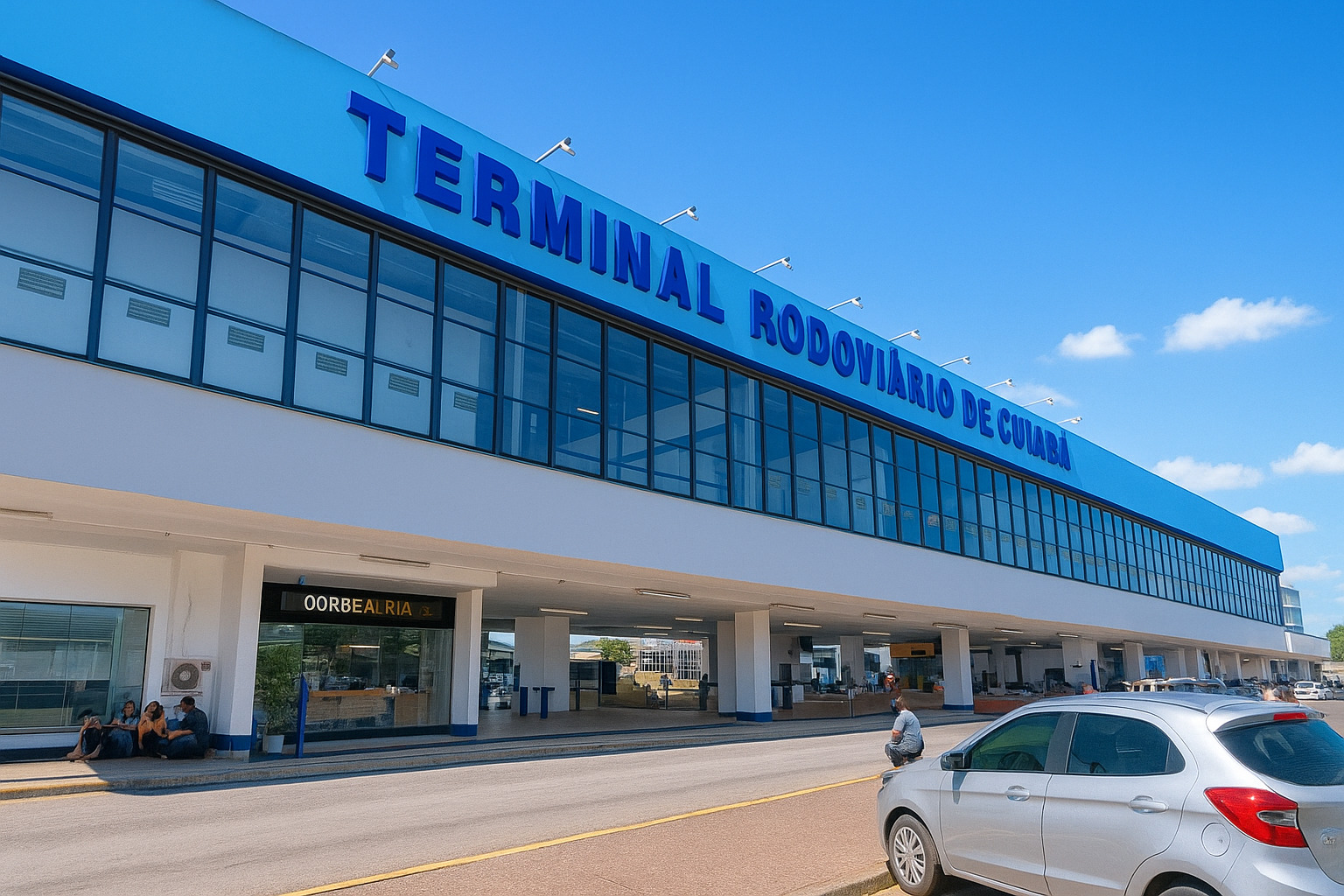
Learn How the Cuiabá Bus Terminal Became a Reference in Sustainability by Producing 100% of the Energy It Consumes with Solar Panels.
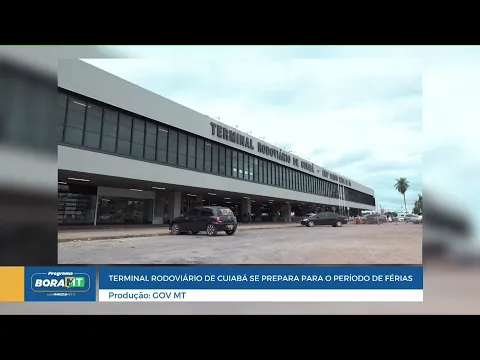
The Cuiabá Bus Terminal, officially called Engenheiro Cássio Veiga de Sá Bus Terminal, has reached an important milestone in the fields of sustainability and energy efficiency.
With the completion of a modern solar energy generation system, the terminal now produces all the energy it consumes in its operational and administrative areas.
This achievement not only marks a technological evolution but also reinforces the commitment to the environment and the future of urban mobility in Mato Grosso.
-
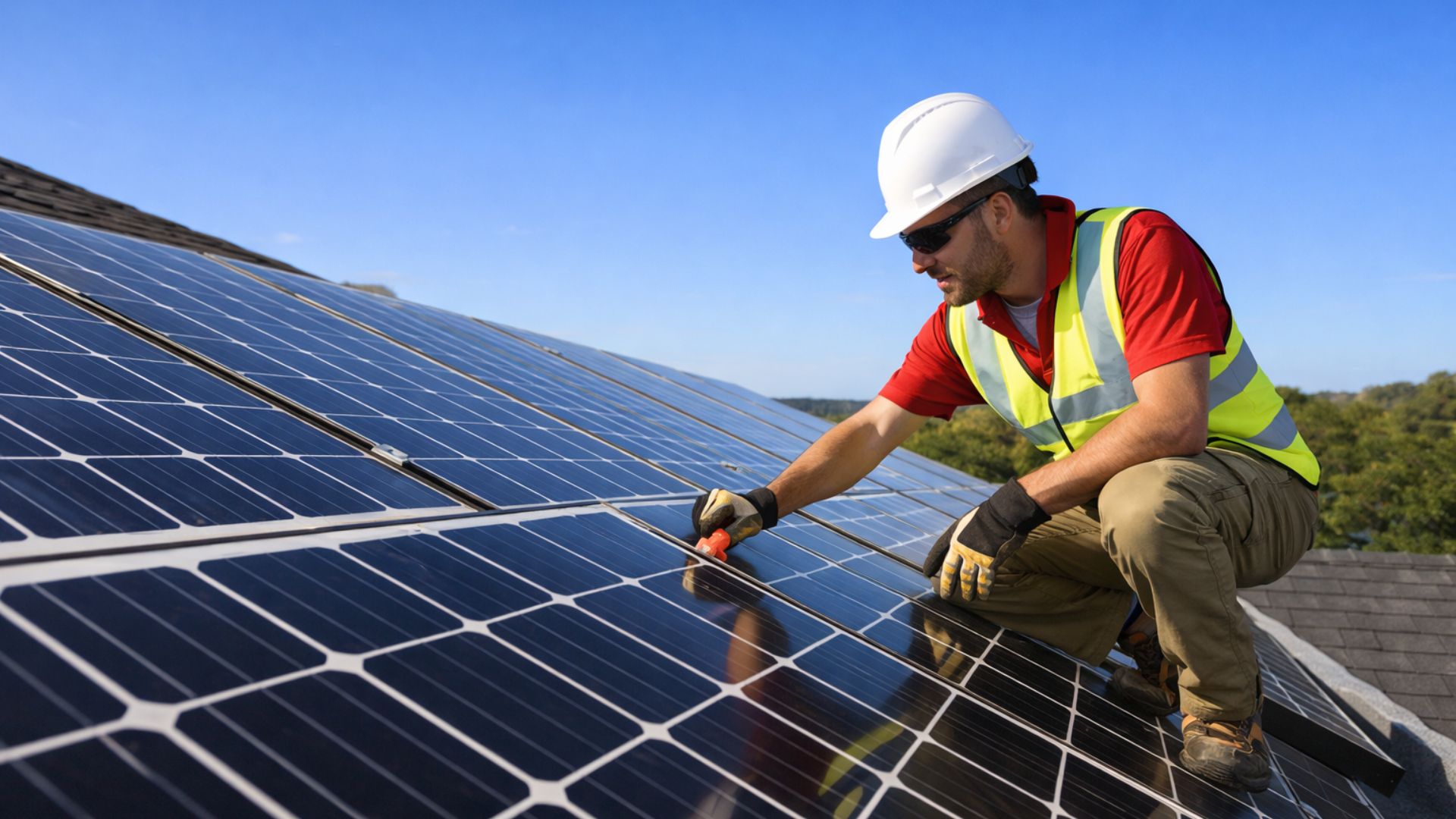
Seagri’s headquarters invests in solar energy with Neoenergia Coelba and promises to cut electricity costs, highlighting a strategic advance in sustainability and energy efficiency within state public administration.
-
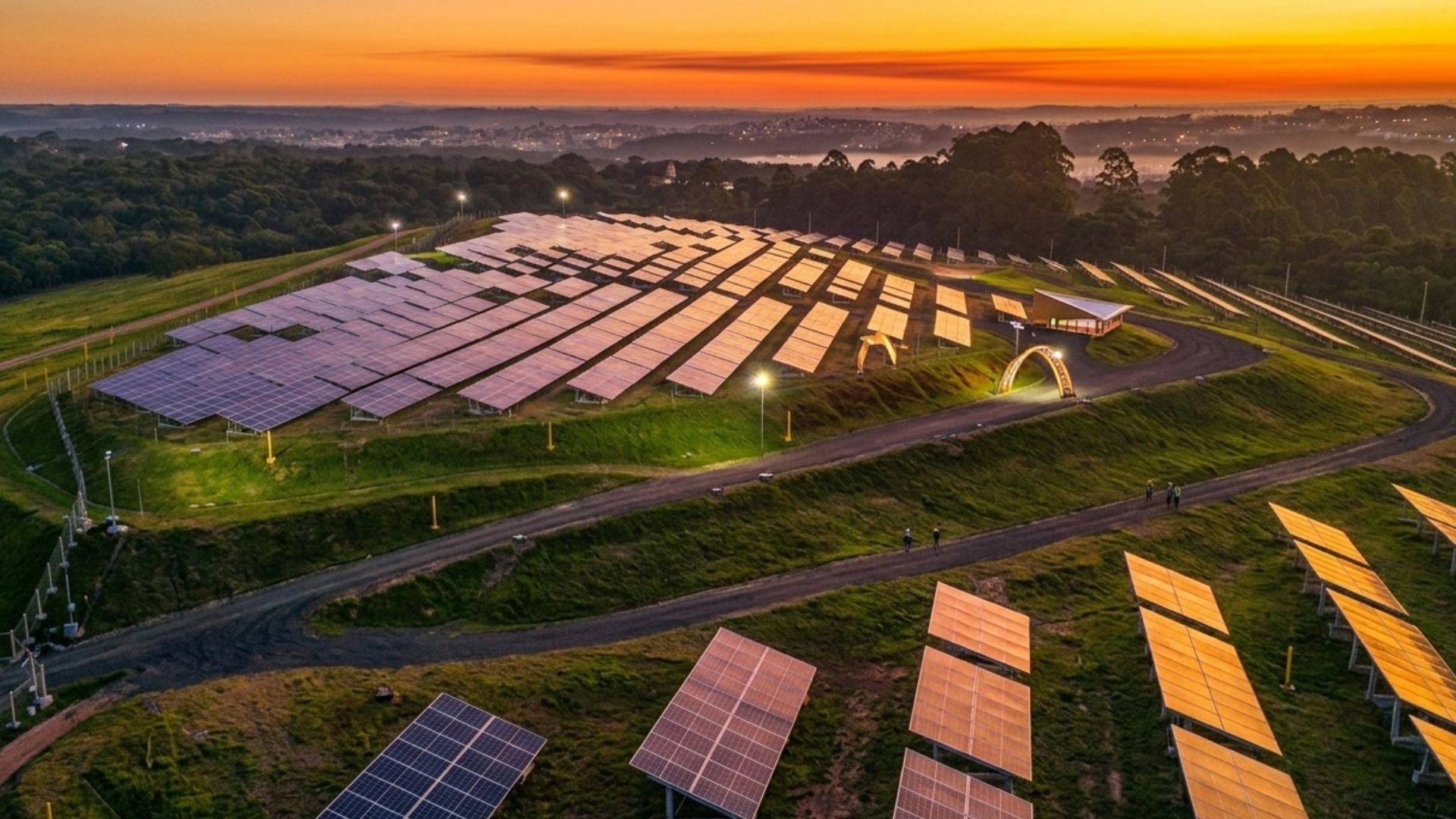
Solar Pyramid draws attention by converting solar energy into million-dollar savings and repositioning the City Hall of Curitiba as an example of innovation, sustainability, and intelligent use of public resources.
-
Europe records strong euro economy with solar energy in March and sparks curiosity about which country leads growth that redefines the energy market and reduces costs.

-
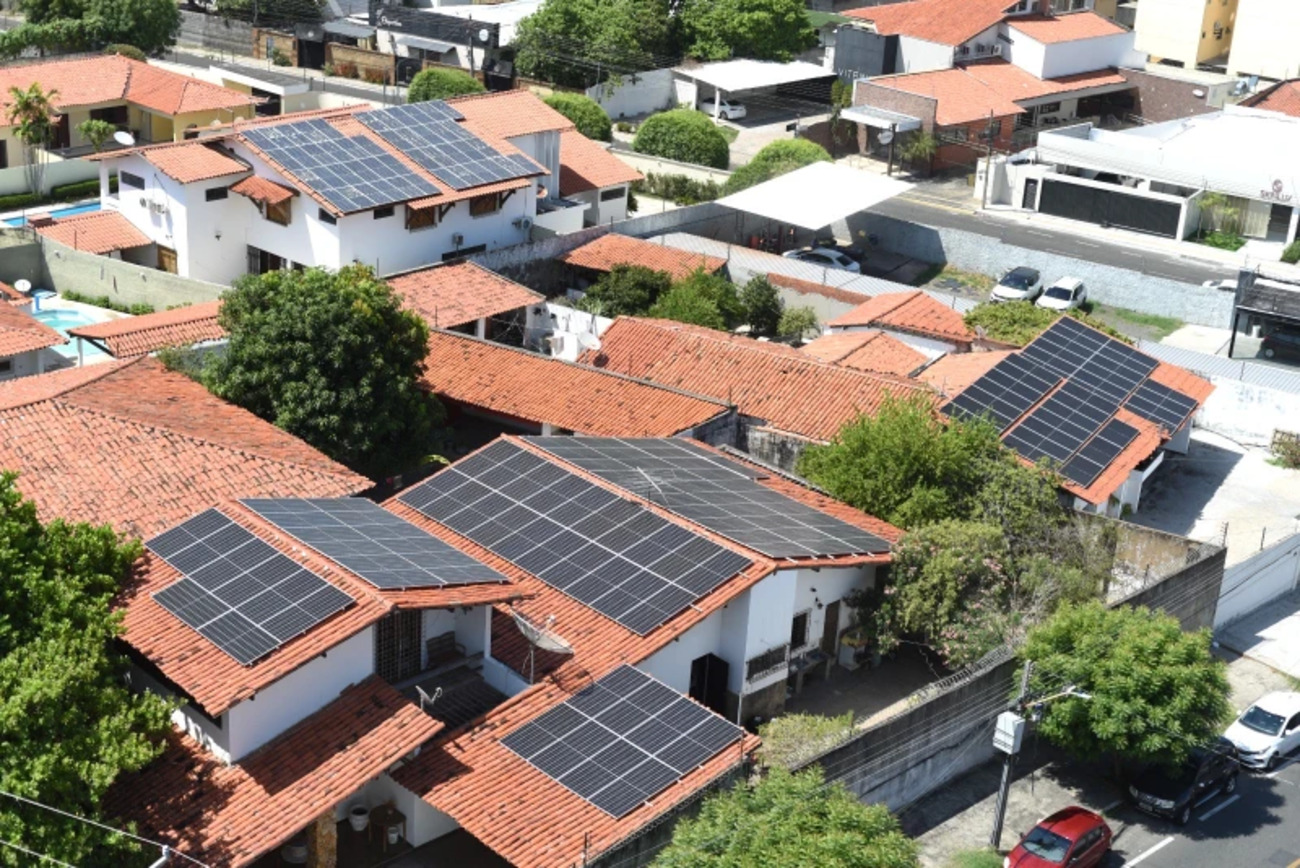
Piauí reaches a historic milestone in energy transition: State records nearly 160,000 households powered by solar energy and leads growth in the Northeast.
Located in the heart of the capital of Mato Grosso, the terminal has always served as a key connection point. Since its inauguration in the 1980s, thousands of people have used the space as a gateway to and from cities, states, and regions.
More than just a boarding and disembarking point, the bus station represents a crossroads of stories, cultures, and journeys. Thus, the investment in clean and renewable energy enhances this importance, adding a new social and ecological value to the structure.
Additionally, the bus station plays an essential role in regional integration. By being situated at the geodetic center of South America, Cuiabá occupies a strategic position for the movement of passengers and goods.
Thus, the terminal connects the capital to various regions of the country, which makes its modernization even more relevant. By modernizing a space with such reach, the state reinforces public transportation as a pillar of development.
Solar Energy in the Parking Lot: Innovation That Generates Comfort and Efficiency
The terminal’s parking lot now houses a solar plant of approximately 800 square meters. Three hundred and eighty-five photovoltaic panels have been installed to generate up to 158 kWp (kilowatt-peak) of energy.
This system supplies all internal systems of the terminal, such as lighting, air conditioning, sound systems, and camera monitoring.
Moreover, engineers fixed the solar panels onto metal structures that cover the parking spaces. As a result, the terminal also began to offer more shade and thermal comfort to drivers and passengers.
The choice of multifunctional covering directly contributed to the well-being of users and reinforces the concern for service quality.
This modernization project is part of a larger investment package. The Mato Grosso State Public Services Regulatory Agency (Ager-MT) supervises and oversees all stages of the bus station’s concession.
According to the agency, the new structure not only meets the technical demands of the space but also respects the principles of social responsibility and urban sustainability.
In addition to energy generation, these coverings help reduce heat in the environment, protect vehicles from solar wear, and improve the experience of those passing through the terminal.
Therefore, the investment combines energy savings with public comfort and efficiency in urban space management.
Commitment to the UN Sustainable Development Goals
The new structure directly impacts the environment. The terminal eliminated its dependence on fossil fuels and began to significantly reduce greenhouse gas emissions, such as carbon dioxide.
Therefore, this advancement aligns with the Sustainable Development Goals (SDGs) of the United Nations (UN), especially with goal number 7: clean and affordable energy.
José Ricardo Elias, regulatory director of Transport and Highways at Ager-MT, emphasized that modernization is not limited to technology.
For him, the initiative demonstrates a commitment to efficient public management, aligned with the environmental and social challenges of the present. The implemented photovoltaic system follows the guidelines of the ESG (Environmental, Social, and Governance) model, reinforcing the pillars of sustainable governance.
Moreover, the population is starting to realize that sustainable actions in public spaces can yield practical and lasting results.
The Cuiabá Bus Terminal proves that it is possible to combine economy, innovation, and environmental responsibility within the same project. Thus, the bus station begins to inspire other Brazilian cities.
Accessibility and Inclusion: Important Structural Advancements
However, the transformation of the terminal goes beyond energy. Management has also promoted enhancements in accessibility.
The space has gained ramps, tactile floors, adapted bathrooms, elevators, and exclusive parking spaces for people with reduced mobility. These adaptations have made the environment more dignified and safe for all citizens.
Historically, the terminal has always played a vital role in the urban expansion of Cuiabá. Located near strategic avenues and commercial centers, it facilitates intermunicipal and interstate transport.
Over the years, the space has faced structural challenges. For this reason, the modernization marks a historic turning point.
Now, urban mobility reflects values such as inclusion, efficiency, and innovation.
An Example for Brazil: Clean Energy and Efficient Management
Currently, the solar system exclusively supplies the operational and administrative areas. The stores and commercial spaces remain connected to the traditional electrical grid.
Even so, the impact is significant: the central operation runs on a 100% clean and renewable source.
Moreover, the project paves the way for replication in other bus stations and public buildings.
Using renewable sources in large urban structures represents a smart solution to reduce costs, decrease pollution, and enhance the quality of service to citizens.
Cuiabá, with its strong solar potential, shows that it has ideal conditions to host more similar initiatives. The bus terminal serves as a clear example of how public management can transform outdated spaces into models of efficiency.
This type of change directly impacts mobility, the environment, and the population’s perception of public transport.
A Terminal That Looks to the Future with Responsibility
By installing solar panels, the terminal has taken on a new role. It has transitioned from merely a transit point to a symbol of energy transition and urban innovation.
In times of climate crisis, the investment represents a concrete action in the face of global challenges.
In this way, the Cuiabá Bus Terminal now positions itself as a reference in the conscious use of public resources.
With planned actions, modern techniques, and a social focus, it shows that the future of cities can be greener, smarter, and more human.
The energy that currently powers the terminal comes from the sun but also from a collective effort for a more sustainable Brazil.









Seja o primeiro a reagir!