





 Portuguese
  English
  Spanish
  3 min of reading
  1 comment


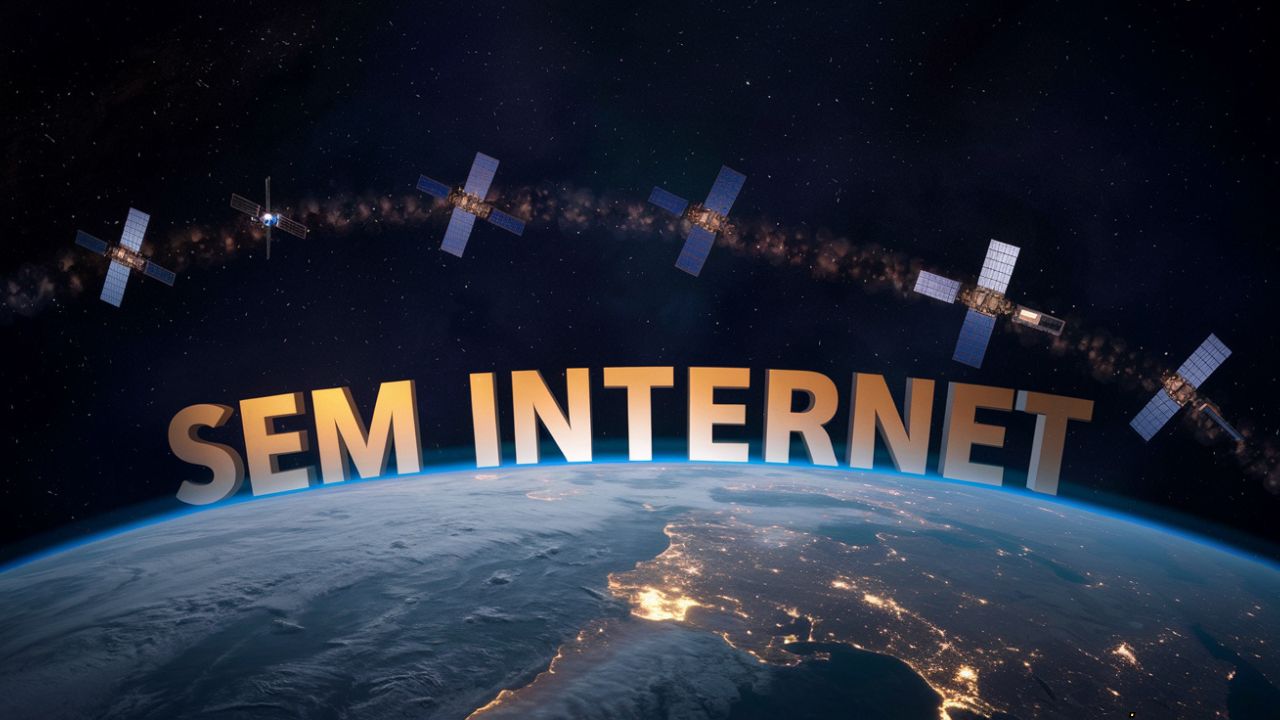


The Earth Without Internet May Seem Like a Scenario from Science Fiction, But Scientists Warn That the Kessler Syndrome Makes This a Real Threat. This Phenomenon, Which Describes a Chain Reaction of Collisions Between Space Debris, Could Make Earth’s Orbit Unusable and Leave the Planet Without Essential Technologies, Such as TV, GPS and Telephony.
If you have ever watched the movie Gravity, starring Sandra Bullock and George Clooney, you may have had a preview of this problem that Earth may face. In the film, a cloud of space debris destroys satellites and puts astronauts in danger. Although dramatic, the concept of the film is inspired by a theory proposed in 1978 by NASA scientists Donald Kessler and Burton Cour-Palais.
The Kessler Syndrome Describes a Scenario in Which the Increase of Debris in Orbit Generates More Frequent Collisions, Creating Even More Debris and Eventually Making the Orbit Unusable. This Accumulation Is Already Evident: Currently, More Than 10,000 Satellites Orbit the Earth, Along with Trillions of Fragments of Old Equipment.
The Impact of a Earth Without Internet
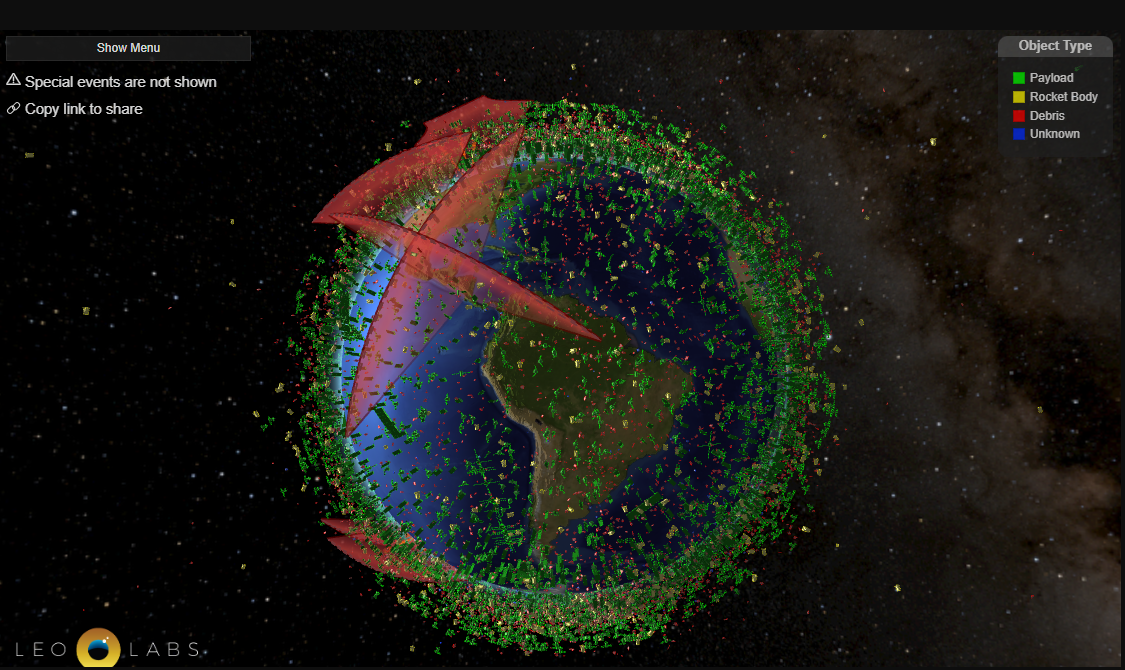
If the Kessler Syndrome were to materialize, the effects would be devastating. An Earth Without Internet Would Become a Reality. Communication Satellites, Responsible for Wi-Fi, Phone Calls and TV, Would Be Destroyed. GPS Systems, Used for Navigation, Agriculture and Logistics, Would Stop Working.
-
A startup sends robotic gloves for users to wear at home while washing dishes, folding clothes, and making coffee; every finger movement is recorded and sent back to train a domestic robot that has already learned 10 million real tasks without ever having entered a kitchen.

-
In a flooded well, archaeologists found a 1,700-year-old Roman egg that still contains clear and yolk intact inside the very thin shell.

-
Something is happening around the Earth: Inside the huge explosion of fireballs in 2026

-
A hot air bubble coming from Argentina expands over Brazil, causing thermometers to exceed 38 degrees with a thermal sensation of 40 degrees in late March, affecting 6 states at once.


Moreover, the Absence of Weather Satellites Would Compromise Weather Forecasting, Impacting Sectors Such as Transportation and Agriculture. Even Medical Devices, Which Rely on Satellites for Communication, Would Be Affected, Harming Global Health.
“When the Collision Cascade Begins, the Risk to Satellites and Spacecraft Increases Until the Orbit Becomes Unusable,” Explains NASA.
Can We Avoid the Kessler Syndrome?
Scientists Are Searching for Solutions. One Proposal Is the Recycling of Space Debris, Transforming Orbital Trash into Useful Materials for New Missions. Another Idea Is to Deorbit Unused Objects, Letting Them Burn Up in the Atmosphere – Although This Practice Raises Environmental Concerns.
Agencies such as the ESA (European Space Agency) Are Already Taking Measures. The ESA Aims to Become “Debris-Neutral” by 2030, Committing to No Longer Generate More Space Junk.
The Future of Humanity at Risk
The Race Against Time to Prevent the Kessler Syndrome from Becoming a Reality Is Urgent. If We Fail, Facing an Earth Without Internet Will Be Just One of the Consequences of a Disconnected Planet Limited by Orbital Destruction.
Although Mitigation Initiatives Are Underway, There Is Still Much to Be Done. Humanity Now Depends on Its Ability to Innovate and Collaborate to Ensure That the Earth Does Not Plunge into an Unprecedented Digital and Technological Blackout.









100 trilhões, rapaz está na casa de centena de milhões . Onde você chutou esse número estapafúrdio 🤣😂 a ESA diz algo em torno de 130 milhões.
Sugiro corrigir.