





 Portuguese
  English
  Spanish
  4 min of reading
  0 comments


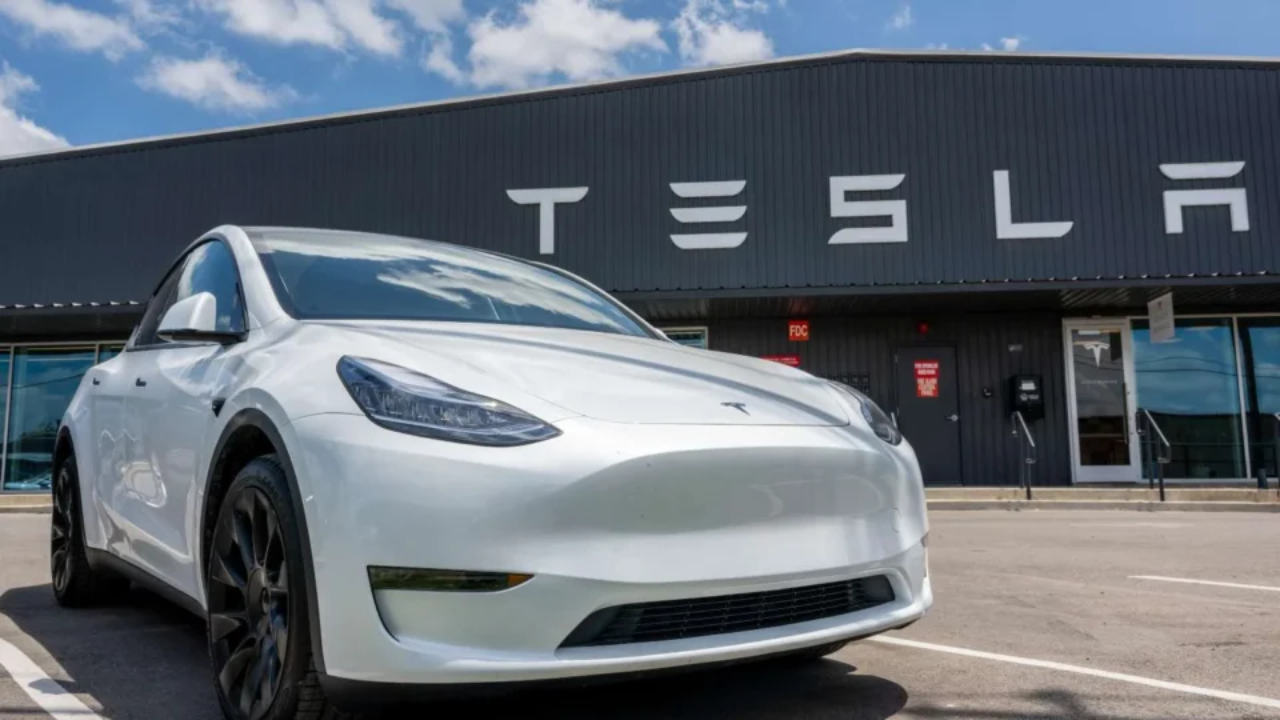
The Company Sees Its Sales Plummet In Key Markets, While Competitors Like BYD Advance With Innovations And More Competitive Prices
Tesla, under the leadership of Elon Musk, is going through a tough time, with sharply declining sales and increasing competition that threatens its dominance in the electric vehicle market.
The company saw its sales in California, its main market in the U.S., plummet 31% in January compared to the previous year.
The situation is even more alarming in Europe, where sales fell 43% in the first two months of the year, and in China, sales dropped 29% through February.
-
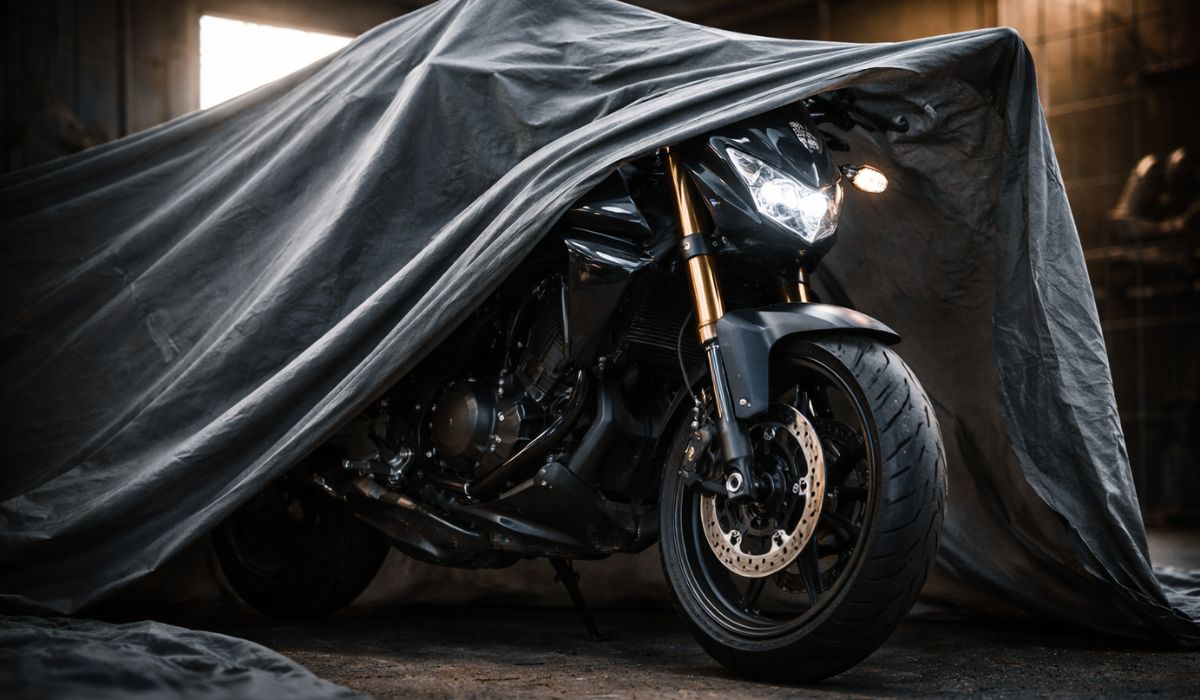
A 250cc motorcycle that can reach 560 km with a 14-liter tank, features disc brakes on both wheels and is among the most well-known in Brazil.
-
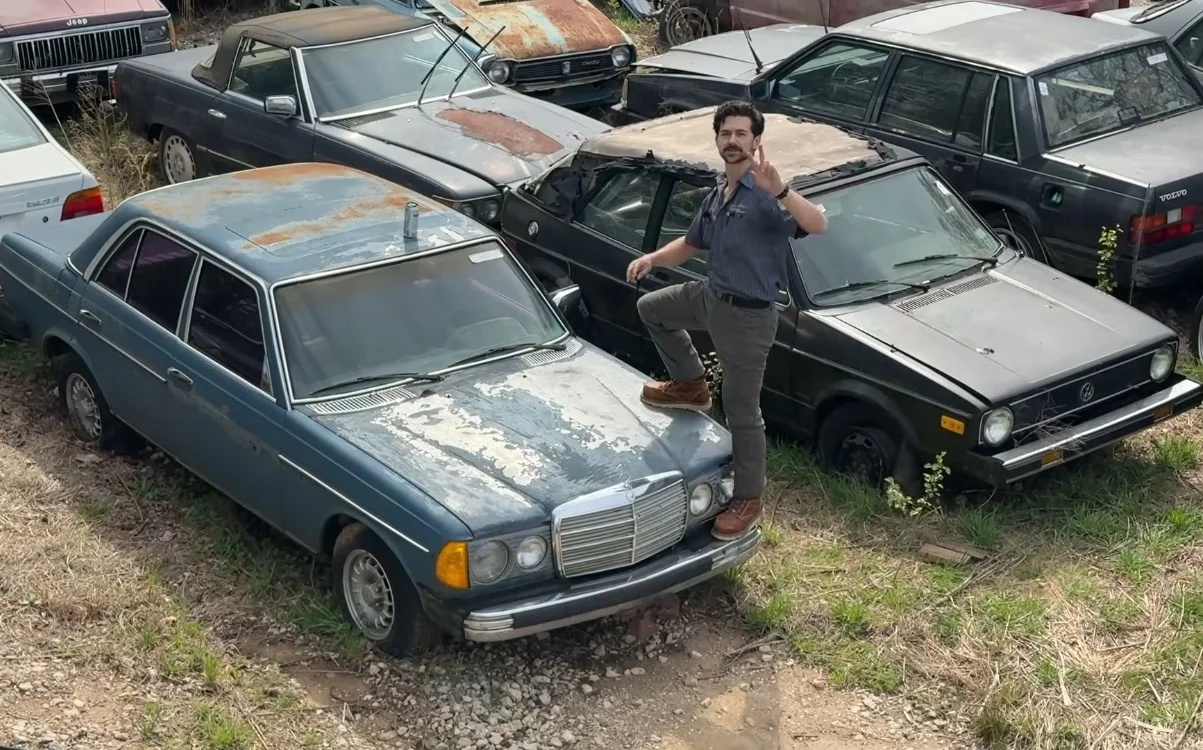
Man finds over 200 rare cars abandoned on a lot and tries to do the impossible in 8 hours with a surprise at the end.
-
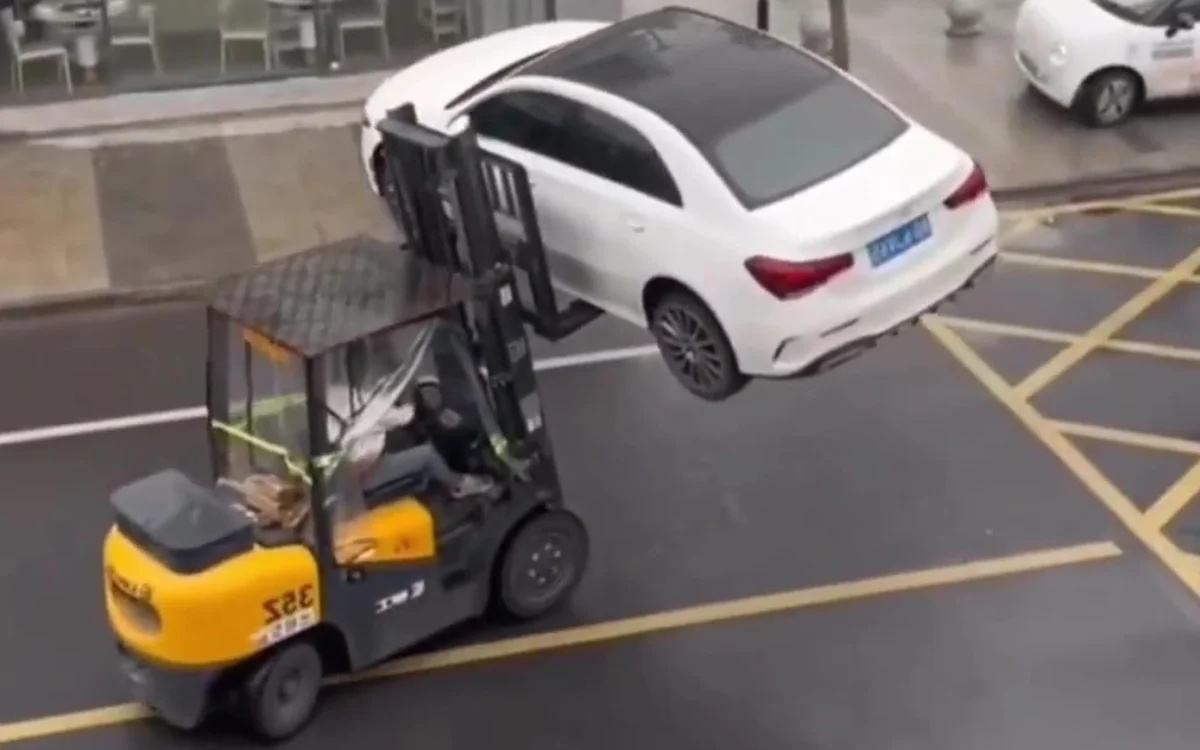
An irregular parking case gains attention after a Mercedes Classe A was removed in such a strange way that it even raised doubts about damage to the car.
-
A new Brazilian shopping center worth R$ 400 million will be built in an area equivalent to more than 4 football fields, featuring 90 stores, 5 cinemas, a supermarket, a college, and parking for 1,700 cars, potentially generating 3,000 jobs.


These sales declines are reflected in the devaluation of Tesla stocks, which have accumulated a drop of 34% in 2024.
Growing Competition In The Electric Vehicle Market
The scenario is further complicated by the growth of competitors like the Chinese manufacturer BYD, which surpassed Tesla in revenue in 2024.
BYD is on a trajectory to become the global leader in electric vehicle sales while Tesla faces a brand that is becoming increasingly toxic in California.
Competition is not limited to just BYD; other Chinese companies, such as XPeng, NIO, Geely, and CATL, are also establishing significant presence in the market.
These automakers not only have more competitive prices but are also heavily investing in research and development, resulting in technological innovations that are rapidly outpacing Tesla.
For example, BYD recently launched a new charging system that reduces charging time to just five minutes, compared to Tesla‘s Superchargers, which take about 20 to 30 minutes for a full charge.
Issues In China And Impact On Profitability
Tesla opened its factory in Shanghai in 2019, marking a turning point for the company, but the slowdown in the Chinese market threatens its profit margins.
BYD not only sells more electric vehicles but also offers significantly lower prices.
For instance, while Tesla‘s Model Y starts at US$ 34,500 (R$ 196,650), BYD offers models like the Seagull starting at US$ 10,000 (R$ 57,000) and the Yuan Plus at US$ 16,000 (R$ 91,200). This price gap is helping BYD expand its global sales, including in Latin America, Australia, and Europe.
Additionally, BYD is enhancing its autonomous driving technology with the “God’s Eye” system, which is gaining attention for its advanced capabilities.
This system directly competes with Tesla‘s Full Self-Driving, which, despite its name, still requires human supervision. The new BYD system offers three versions, with the most advanced equipped with LiDAR technology, which Tesla has yet to implement.
Internal Challenges And Sales Drop In The U.S.
Tesla is not only facing external competition; the situation in its home country is also concerning. Despite a 14% increase in overall electric vehicle sales in the U.S. in January, Tesla experienced an 11% decline in sales, largely due to a dramatic drop in California.
While competitors like Hyundai, Kia, and General Motors saw an average increase of 24% in electric sales, Tesla is facing a 31% drop.
The lack of appealing new products is another critical point for Tesla.
The launch of the Cybertruck was considered a failure, selling only 40,000 units last year, far below Musk’s target.
The vehicle has faced quality issues, including eight recalls, with a recent one to address problems with stainless steel panels.
Additionally, Tesla announced that the Model 3 and Model Y are also scheduled for significant updates, but many consumers are wondering if these changes will be enough to regain confidence in the product.
The Influence Of Elon Musk And Growing Criticism
The figure of Elon Musk has become a point of controversy. His management style, which includes quick and sometimes unpopular decisions, is raising questions about Tesla‘s sustainability.
As Musk continues to lead several other companies, such as SpaceX and Neuralink, his divided attention may be affecting Tesla‘s ability to innovate and respond quickly to market demands.
Recently, protests against Musk and Tesla have emerged in various stores, reflecting a growing consumer dissatisfaction.
Furthermore, the company faces challenges related to its reputation, with the Tesla brand losing prestige among consumers who once fervently supported it.
The perception that Tesla is becoming obsolete compared to its more agile and innovative competitors is beginning to crystallize in the consumer’s mind.
The Future Of Tesla Under Pressure
The future of Tesla appears uncertain under Elon Musk‘s management. With increasing rejection among consumers and investors and pressure from competing automakers, the company may face more difficulties in the coming months.
Musk’s strategy, which includes cost-cutting and a focus on projects like DOGE, may not be enough to reverse the current situation of Tesla.
As competition intensifies and sales continue to decline, Tesla and Elon Musk urgently need a new approach to reclaim their leadership position in the electric vehicle market.
Continuous innovation and adaptation to consumer needs will be crucial for Tesla to not only survive but also thrive in an increasingly challenging future.
SOURCE: FORBES







-

Uma pessoa reagiu a isso.