





 Portuguese
  English
  Spanish
  4 min of reading
  0 comments


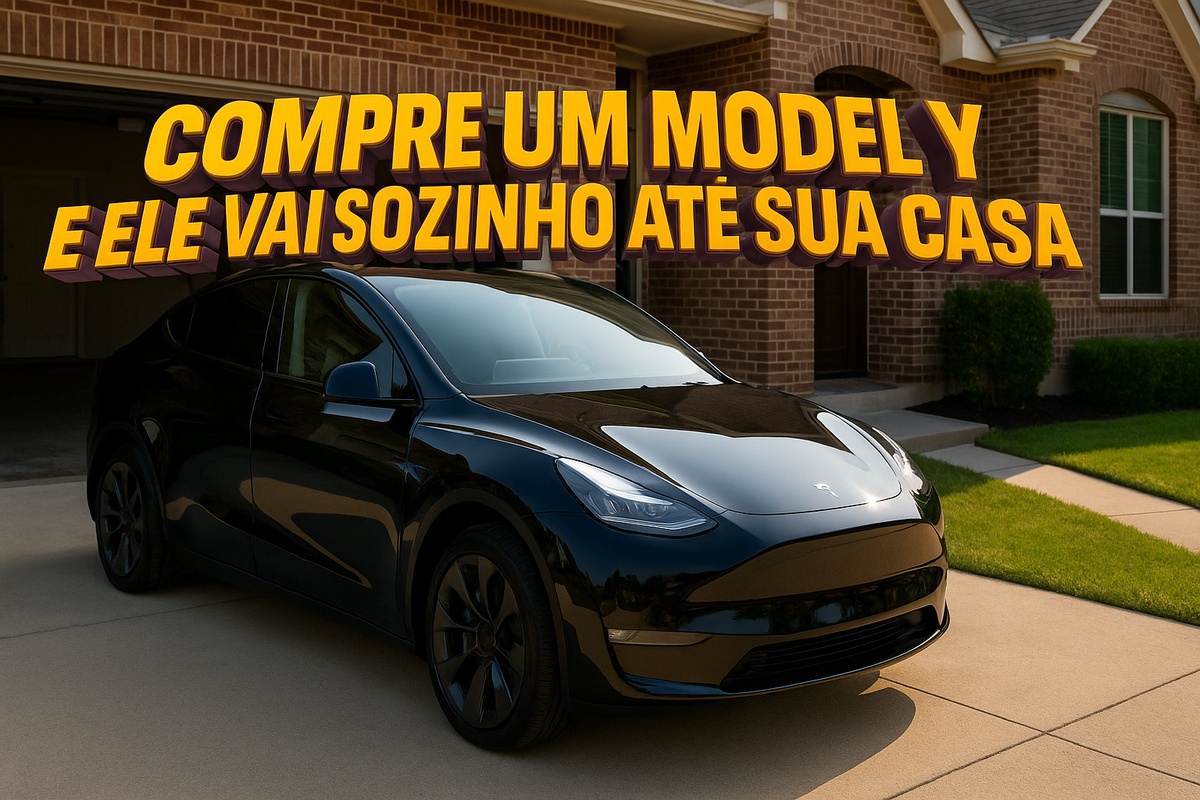
First 100% Autonomous Delivery Confirms Advancement of Full Self-Driving
In April 2024, Tesla made a groundbreaking move in the automotive industry: it completed the first autonomous delivery of a vehicle to a customer. As reported by Notícias Automotivas, the Tesla Model Y left the factory in Texas and drove itself, without a driver, to the buyer’s home.
This achievement signals that autonomous mobility is advancing faster than many experts predicted. While tests had been conducted since 2020, the brand demonstrates complete confidence in its Full Self-Driving (FSD), allowing the car to operate on public roads without any human intervention.
Technical Study Enables Autonomy
According to Notícias Automotivas, Tesla has been investing for years in the evolution of FSD Beta. In 2020, it began practical tests to collect real data on urban behavior.
-
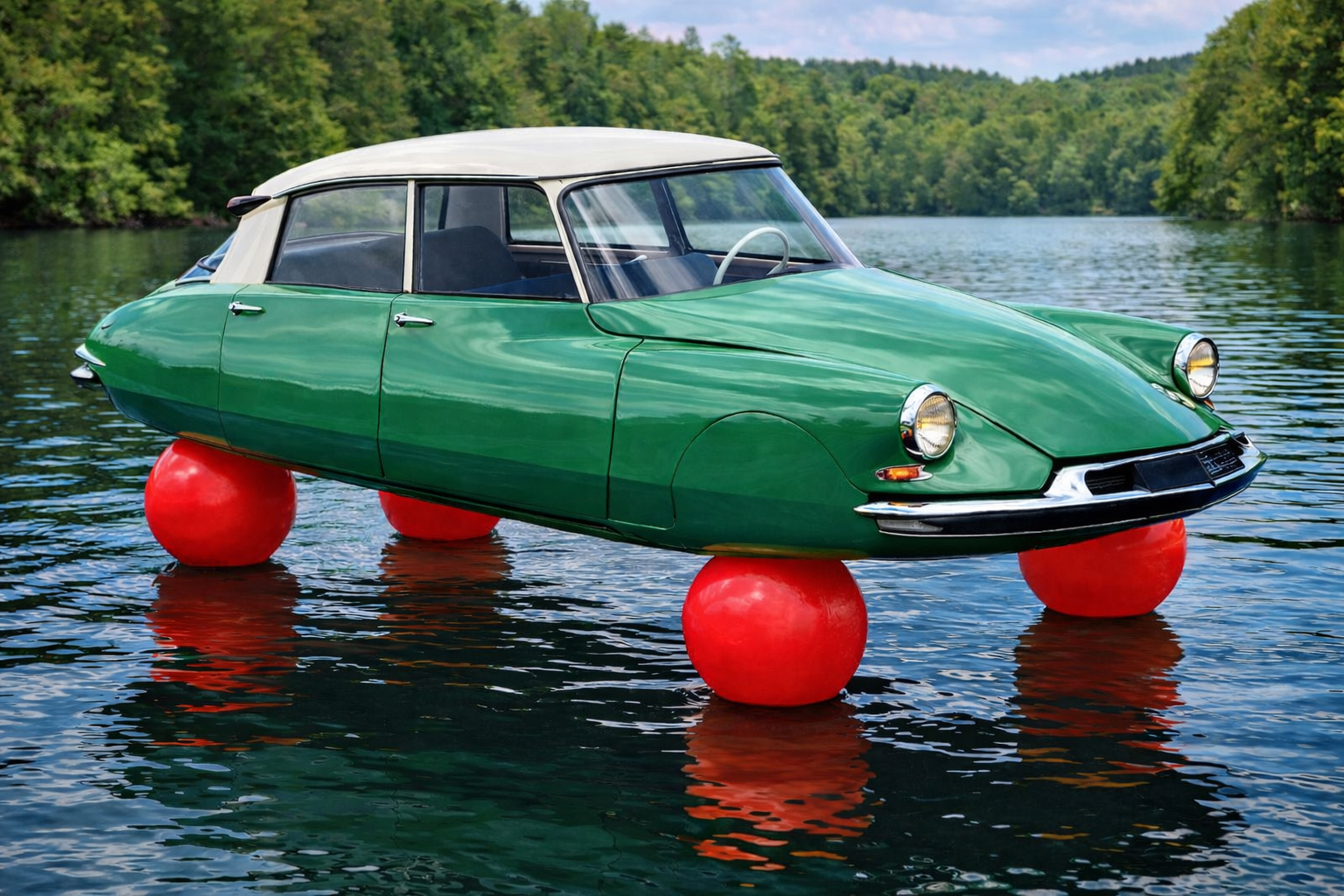
A French brand placed a car on four huge red balloons to prove that its suspension made the vehicle “float,” and the surreal scene became one of the most iconic and unusual images in automotive history.
-
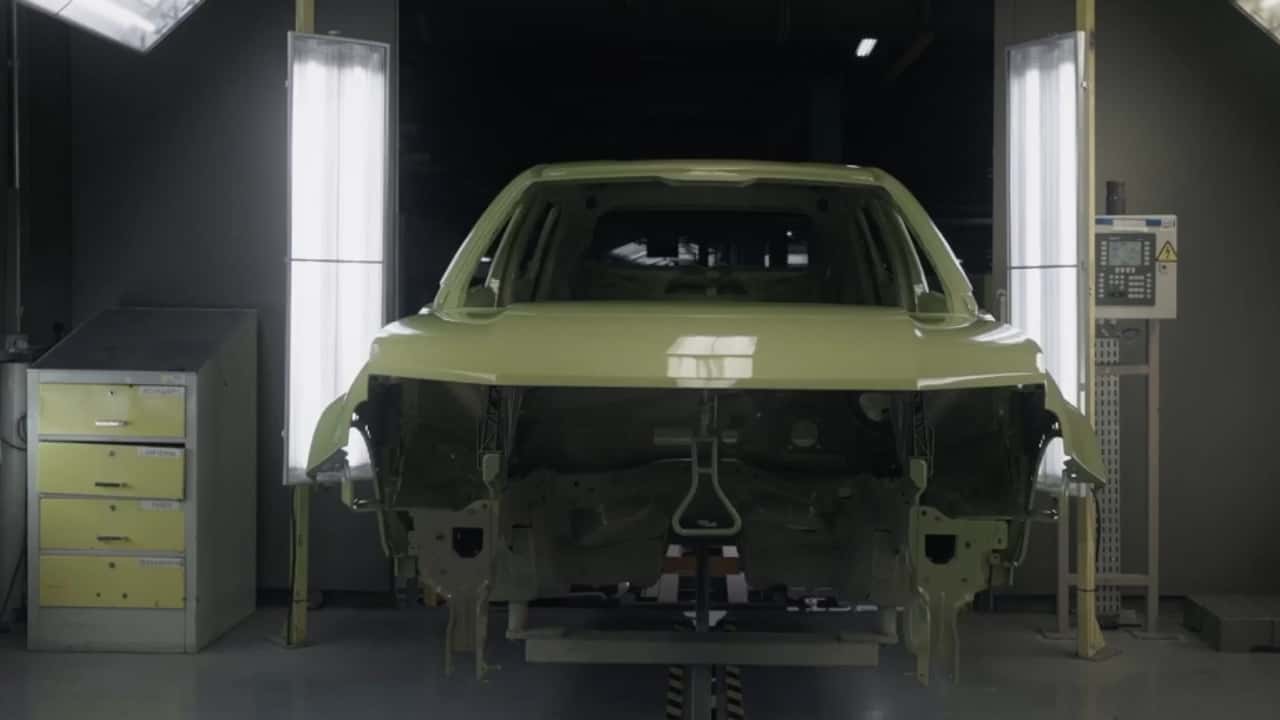
Jeep Avenger begins production in Brazil, debuting as the brand’s new entry-level SUV and inaugurating an unprecedented phase by becoming the first national Jeep manufactured outside of Goiana, as part of a R$ 3 billion plan.
-
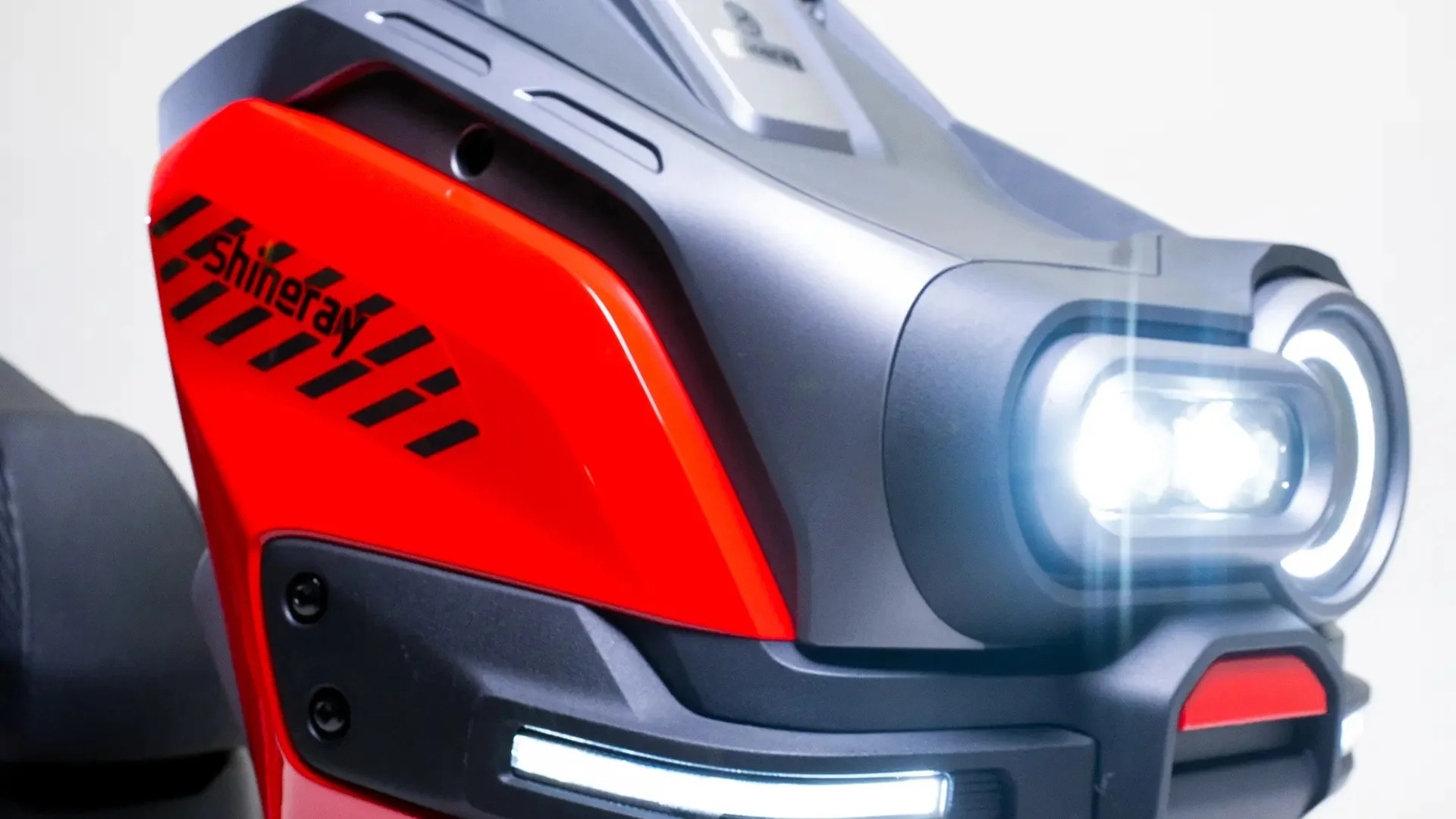
Costing R$ 12,490, the new Shineray Urban Lite 150 “cheap one” arrives in Brazil with a CVT transmission, digital dashboard, and LED lights, making it more affordable than the Biz and targeting those who want to abandon the bus.
-
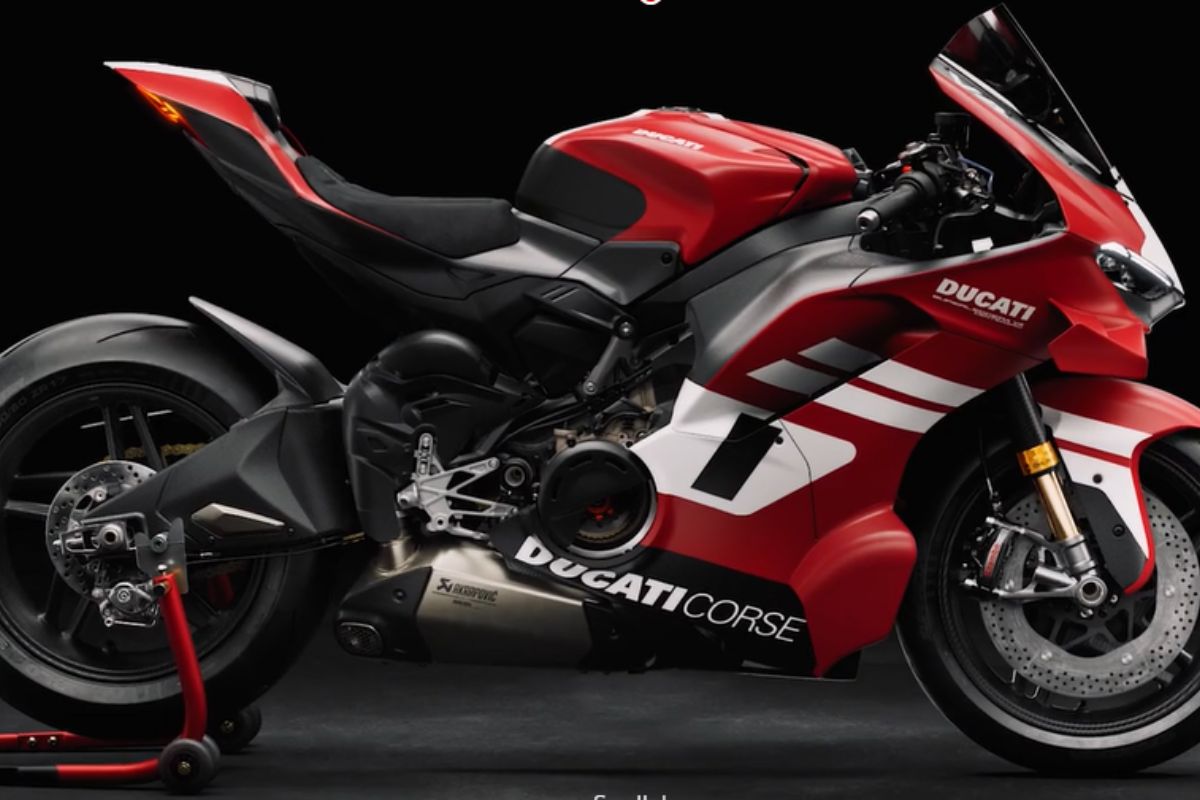
Ducati brings to Brazil the Superleggera V4 Centenario: 228 hp that become 247 with a track kit, carbon fiber and carbon-ceramic brakes, estimated price between R$ 1.5 and 2 million, deliveries only in 2027.

In this way, engineers enhanced sensors, radars, and algorithms. All this work ensures that the Model Y accurately recognizes traffic lights, pedestrians, and obstacles.
For this delivery, the route was monitored remotely. However, no manual correction was necessary, reinforcing that the technology has reached operational maturity.
Economic Impact and New Possibilities
Experts point out that just as a mineral reserve can transform an economy, autonomous delivery opens a billion-dollar market for smart transportation. With the FSD, Tesla aims to reduce logistics costs, enhance distribution efficiency, and create new business models.
According to Notícias Automotivas, the strategy is to expand similar deliveries in regions with favorable laws for the operation of driverless vehicles. Thus, each new delivery increases the database that strengthens the system itself.
Customer Receives the Car Without Human Intervention
The customer who received the Model Y in Austin, Texas, experienced a milestone. After completing the purchase, it was enough to open the garage at the agreed time.
Without a driver, the car entered the designated parking space, parked, and stayed in standby mode. Meanwhile, Tesla technicians monitored everything remotely to ensure total safety.
Challenges for Expansion
Despite the success, analysts emphasize that scaling this technology will require clear regulations. Just as mineral extraction demands environmental standards, autonomous operation depends on specific laws.
Additionally, factors such as urban infrastructure, data connectivity, and social acceptance are crucial. However, Tesla claims that new cities in the United States will be able to receive the service as early as 2025.
Safety Is Absolute Priority
Since the beginning of FSD Beta testing, Tesla has made it clear that operational safety is non-negotiable. Every trip is recorded in the cloud, allowing audits in case of failures.
Moreover, periodic reviews validate on-board sensors and software. Thus, the company seeks to maintain the trust of customers and regulatory bodies.
Effect on the Automotive Sector
For automotive experts, autonomous delivery pressures competitors to accelerate their own autonomous driving programs. Companies like Ford, GM, and Waymo are closely watching Tesla’s moves.
According to Notícias Automotivas, the achievement in April 2024 could trigger a technological race, similar to what happens in mining when a strategic reserve is discovered.
Planning for Large-Scale Use
While new deliveries are planned, Tesla emphasizes that each operation will follow strict criteria. The FSD Beta will continue to receive updates to ensure accuracy in complex environments.
There is still no date for the service to become a global standard. However, Elon Musk has stated in interviews that the goal is to offer fully autonomous deliveries in all major markets by the end of the decade.
The Global Context
Just as the discovery of large reserves impacts a country’s economy, the evolution of autonomous transportation redefines how products reach people’s homes. In 2023, international reports indicated that the autonomous vehicle market could generate US$ 400 billion by 2030.
This growth depends on governance, transparency, and gradual consumer adoption. Companies that excel in this phase will lead in the new mobility economy.
What Does the Future Hold for Transportation?
For analysts, Tesla’s advancement shows that the era of the autonomous car, which seemed fictional a decade ago, is now a reality. The next step will be to ensure urban infrastructure, clear laws, and driver education.
Meanwhile, the customer who received the Model Y in April 2024 is already part of history. Thus, Tesla reinforces its commitment to deliver disruptive technology safely and responsibly.
And you? Would you trust receiving your next car in the garage, with no one at the wheel?
Ask ChatGPT










-

Uma pessoa reagiu a isso.