





 Portuguese
  English
  Spanish
  4 min of reading
  0 comments


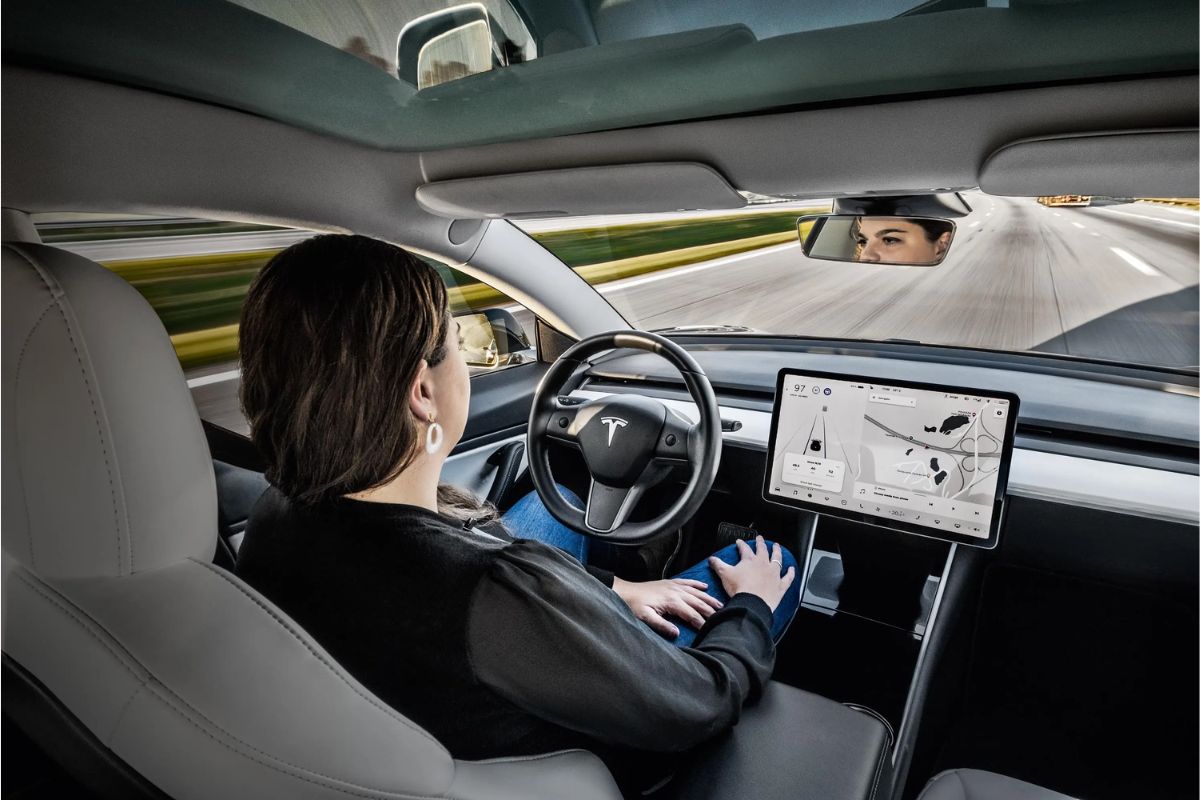
U.S. Justice Evaluates Whether Complete Records of Tesla Vehicle Accidents Should Be Released
Autopilot and Full Self-Driving (FSD) are technologies that have equipped Tesla vehicles sold in the United States for years. Their existence and operation are widely known to the public and the automotive industry. What remains a true mystery, however, are details about accidents that occurred with these systems activated. Tesla is fighting in court to keep this information out of the public’s reach.
The legal dispute began from a lawsuit filed by the The Washington Post against NHTSA (National Highway Traffic Safety Administration), the federal highway safety agency in the United States. The newspaper seeks unrestricted access to the complete spreadsheet of incident records that occurred while Tesla’s driver assistance systems were in operation. Currently, NHTSA releases some of this information but keeps “crucial details”, such as weather conditions at the time of the accidents, the exact location of each occurrence, and the specific version of the software in use, confidential. For the lawyers of the Post, this data is of public interest and could clarify the true performance of these technologies.
Tesla’s Claim: Trade Secret
According to information from news Reuters, Tesla responded firmly. This week, the company filed a formal document in the Federal Court of the District of Columbia opposing the release of the data. Its central argument is that certain fields in the NHTSA reports contain confidential and strategic information.
-
Friends have been building a small “town” for 30 years to grow old together, with compact houses, a common area, nature surrounding it, and a collective life project designed for friendship, coexistence, and simplicity.

-
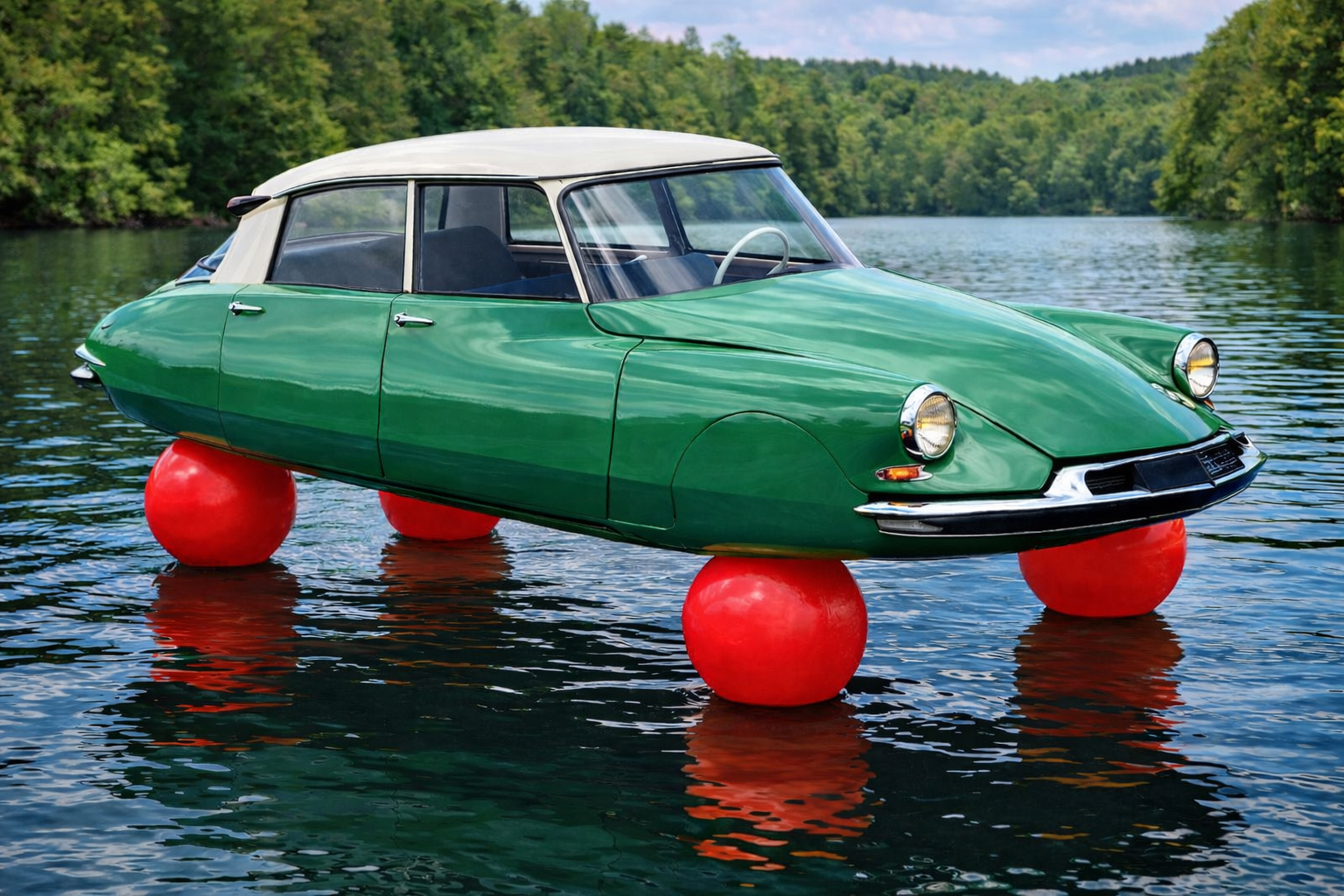
A French brand placed a car on four huge red balloons to prove that its suspension made the vehicle “float,” and the surreal scene became one of the most iconic and unusual images in automotive history.
-
This small town in Germany created its own currency 24 years ago, today it circulates millions per year, is accepted in over 300 stores, and the German government allowed all of this to happen under one condition.

-
Curitiba is shrinking and is expected to lose 97,000 residents by 2050, while inland cities in Paraná such as Sarandi, Araucária, and Toledo are experiencing accelerated growth that is changing the entire state’s map.


More specifically, Tesla considers the following elements confidential:
- the hardware or software version installed in the vehicle;
- whether the car was operating within its designated operational domain (Operational Design Domain — ODD);
- a detailed narrative of the accident.
According to the manufacturer, releasing these elements would allow competitors to assess the effectiveness of each version of the system, monitor the pace of Tesla’s technology development, and correlate specific failures to concrete versions of software or hardware. “This is a true technology roadmap, the disclosure of which would bring severe competitive harm,” the company claimed in its official statement.

NHTSA’s Partial Support
Interestingly, NHTSA itself partly endorsed Tesla’s position. In a separately filed document, the agency stated that it agrees with Tesla regarding the protection of three fields in the spreadsheet under the Freedom of Information Act (FOIA). According to NHTSA, it is not only about protecting the privacy of those involved but also about ensuring the commercial confidentiality of the manufacturer.
The lawyers for the Washington Post, on the other hand, contested the argument. For them, this information is already partially accessible to drivers themselves, and therefore its compilation should not be protected under the justification of trade secret.
It will now be up to the Federal Court to decide whether this information will remain hidden or be made public.
A Debate That Goes Beyond Legal Aspects
The case has generated debates that transcend the purely legal field. As the public broadcaster NPR notes, NHTSA is currently conducting an investigation into the performance of FSD across a fleet of 2.4 million vehicles, following a series of accidents — including a fatal case recorded in 2023. Additionally, the agency is maintaining further inquiries into collisions in low visibility conditions and the operation of the Smart Summon feature, which allows the vehicle to move without anyone at the wheel.
Although not all accidents become public, the confidential NHTSA spreadsheet that the Washington Post seeks includes records that Tesla regularly provides to the agency. However, the manufacturer is fighting to prevent more details about these occurrences from being revealed.
What Is Tesla’s FSD, After All?
Tesla structures its driver assistance systems into three levels:
- Autopilot: standard feature on new vehicles sold in the U.S. It offers adaptive cruise control and lane centering.
- Enhanced Autopilot: a paid package with additional functions.
- Full Self-Driving (FSD): the most advanced set, also optional.
Despite the name, none of these systems turns the car into a truly autonomous vehicle. Even in FSD mode, the driver must remain alert, with hands on the wheel and ready to take control at any moment. Tesla emphasizes that these systems are designed to assist — not replace — the driver.
Still, FSD already offers impressive features, such as:
- automatic lane changing;
- automated parking;
- stopping at traffic lights and stop signs (in beta versions).
These are significant technological advances but still require mandatory human supervision.

Why Transparency Matters
The ongoing legal battle is occurring at a time of increasing scrutiny over driver assistance technologies. While Tesla defends its right to trade secrets, vehicle safety experts and consumer advocates argue that transparency is essential.
As Jason Levine, executive director of the Center for Auto Safety, recently said in an interview with NPR:
“Without access to complete and reliable data, it is impossible for the public, regulators, and even vehicle buyers to objectively assess the safety of these systems.”
Regardless of the outcome of the case, the debate exposes a central issue of the era of increasingly automated cars: how to balance technological innovation with the public’s right to information about safety? The answer, it seems, is still far from consensus.










Seja o primeiro a reagir!