





 Portuguese
  English
  Spanish
  4 min of reading
  0 comments


Texas Approves Law Prohibiting Citizens and Companies from China, Iran, Russia, and North Korea from Buying or Renting Properties in the Name of National Security.
The Texas Senate approved and Governor Greg Abbott signed, in June 2025, Senate Bill 17 (SB 17), considered one of the toughest legislations in the United States against foreign presence in the real estate market. The regulation, which came into effect on September 1, 2025, restricts the purchase and ownership of properties by individuals, companies, and entities linked to China, Iran, North Korea, and Russia, countries classified as threats to national security.
The declared goal of the Texas government is to prevent adversarial nations from acquiring land near sensitive areas, such as military bases, power plants, and energy systems, reducing the risk of espionage, strategic territorial control, and foreign influence.
What the Law States and What the Restrictions Are
According to the text of SB 17, foreigners from countries deemed hostile cannot:
-
If the USA were to go to war with Brazil, Washington’s greatest fear would not be the attack itself, but facing a vast territory, prolonged resistance, and a costly, chaotic, and unpredictable occupation.

-
In 2013, Nicaragua sold the concession for a canal to rival Panama to a Chinese billionaire who lost 85% of his fortune, disappeared, and was declared bankrupt. Now the project resurfaces with a new route, a new Chinese partner, and a cost of $64.5 billion.

-
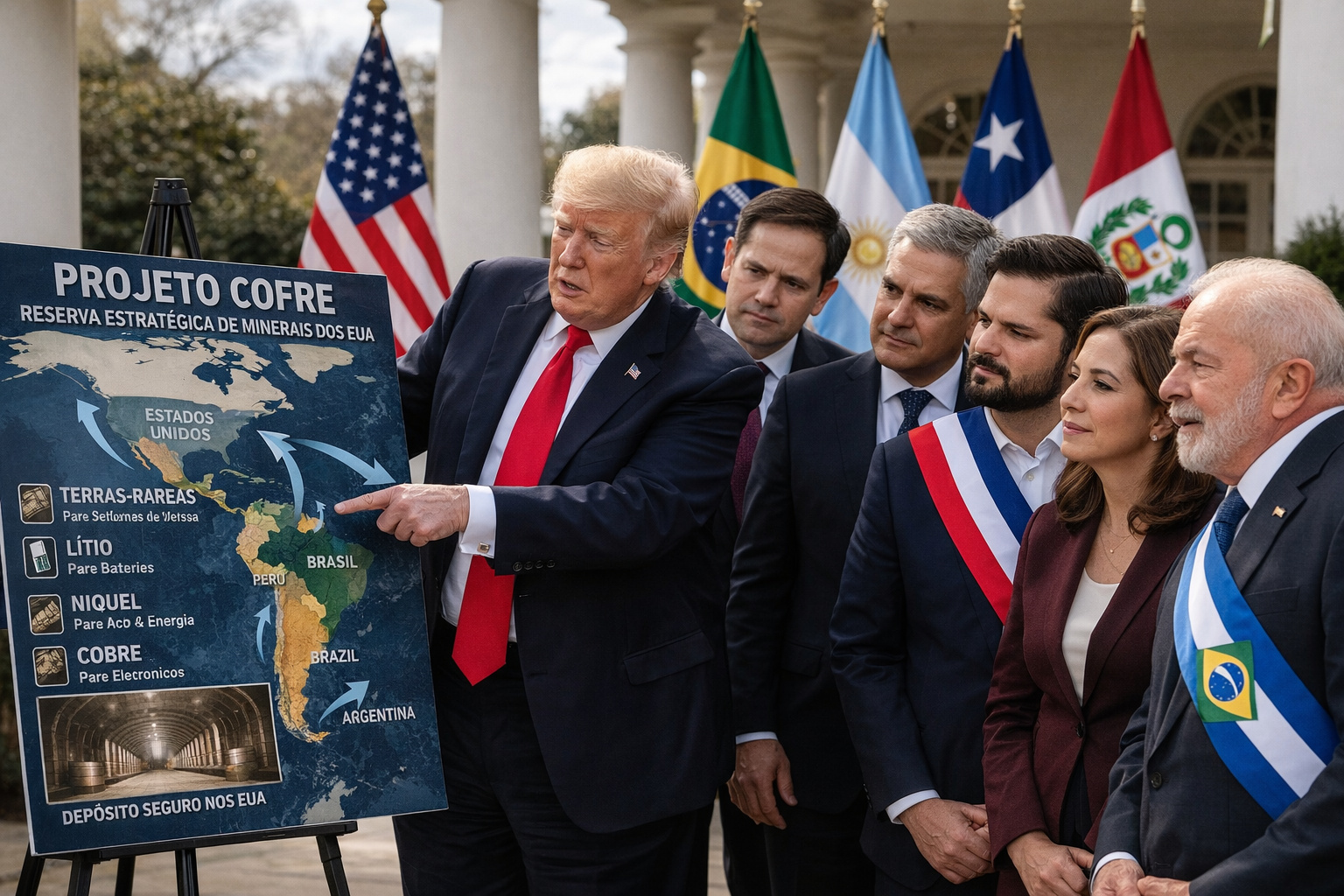
The USA announces a mysterious billion-dollar vault project to store critical minerals, but what intrigues experts is not just the plan itself, but why Latin America, including Brazil, has entered the center of this global dispute against China.
-
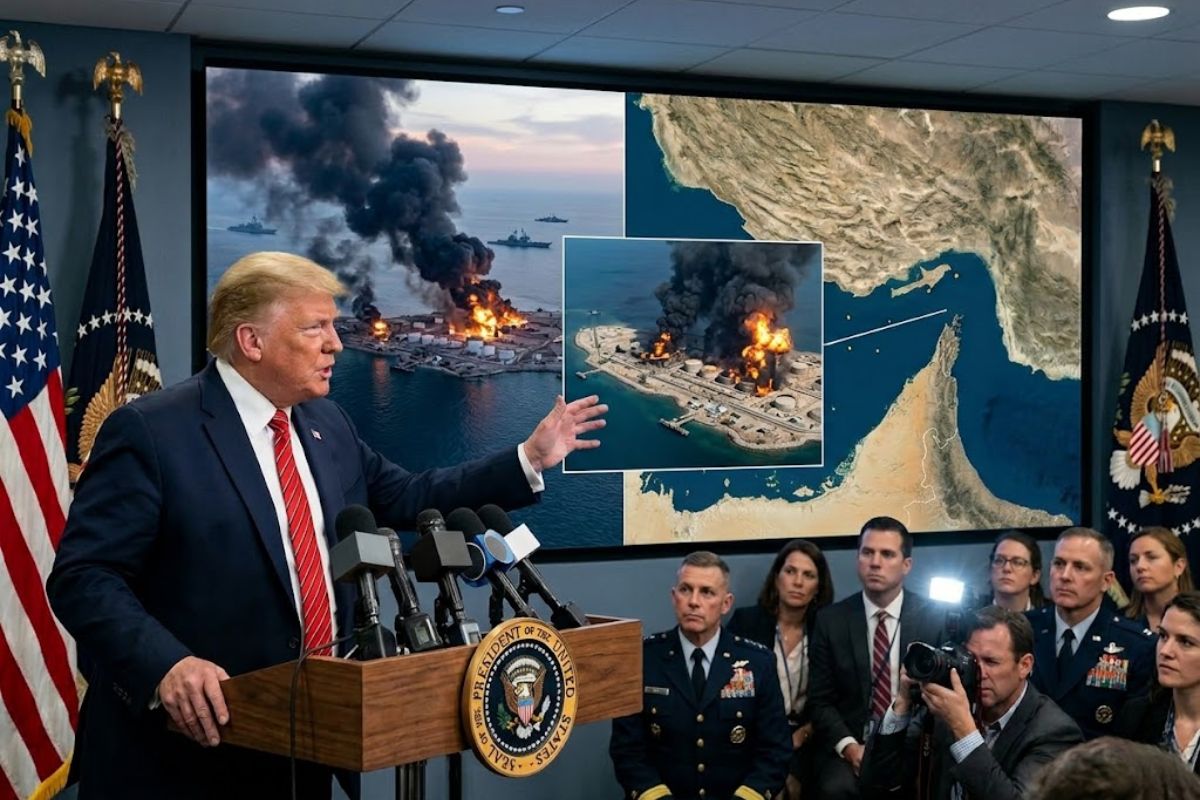
Trump Announces Bombing of U.S. Military Targets on Iranian Island Responsible for About 90% of Iran’s Oil Exports, Warns of Further Attacks if Navigation in Strategic Strait of Hormuz Is Threatened



- Buy properties in Texas;
- Acquire ownership interests in properties or real estate ventures;
- Enter into leases or long-term contracts that confer rights of use or ownership.
However, the law is not absolute. There are important exceptions:
- Citizens who hold legal permanent residency in the U.S. (green card) are not affected;
- Foreigners who purchase property for use as a primary residence (homestead) may be authorized;
- Short-term leases, less than one year, are not included in the restriction.
Still, the legislation imposes a strict limit and creates unprecedented barriers in one of the most dynamic markets in the country.
Economic and Social Consequences
The measure is expected to have immediate effects on the real estate sector and strategic areas:
- Real Estate Market: foreign investors — especially Chinese, who had already been purchasing rural and urban properties — will no longer participate in million-dollar operations, affecting developers and funds.
- Agricultural and Energy Sector: much land in Texas is intended for food and energy production. The law seeks to prevent foreigners from hostile countries from accessing this strategic asset.
- Diplomacy: Texas’s decision may increase tensions between Washington and Beijing, in addition to reverberating in relations with Tehran, Moscow, and Pyongyang.
- National Precedent: other American states are already studying similar legislations, and the debate is expected to reach Congress soon.
Criticism and Controversies
Despite the law being defended in the name of national security, critics point to risks of discrimination and negative economic impacts. Real estate associations argue that the regulation may drive away legitimate investments, reduce market liquidity, and generate constitutional disputes.
Legal experts also warn that the concept of “entity linked to hostile countries” may be interpreted broadly, creating legal uncertainty.
Penalties Foreseen
SB 17 stipulates that violations of the rules can result in:
- Nullification of purchase or lease contracts;
- Loss of property rights in favor of the State;
- Fines and civil penalties, in addition to the possibility of criminal sanctions in cases of fraud.
This framework gives Texas the tools to curb operations deemed risky and to punish potential attempts to circumvent the law.
Experts Evaluate the Decision
For immigration and international law attorney David Bier, “Texas is responding to a real concern of national security, but the law may create a hostile environment for legitimate investors who have nothing to do with foreign governments.”
Constitutional law professor at the University of Houston, Sandra Guerra Thompson, states:
“The measure may face legal challenges. The U.S. Constitution limits discrimination based on nationality, but states have the authority to legislate in areas of security and land use. This tension will certainly be brought to the Supreme Court.”
Between Security and Market Freedom
The new Texas law fits into a context of growing rivalry between the United States and countries like China and Russia.
By restricting the purchase and rental of properties by citizens and companies from these nations, the state reinforces the narrative of defense of sovereignty and security.
On the other hand, the movement opens a delicate debate: to what extent can the fight against strategic risks justify limitations on investment freedom and equal treatment of foreigners?
What is already certain is that SB 17 marks a turning point: the real estate market in Texas will never be the same, and the measure may serve as a model for other regions in the U.S.










Seja o primeiro a reagir!