





 Portuguese
  English
  Spanish
  5 min of reading
  0 comments


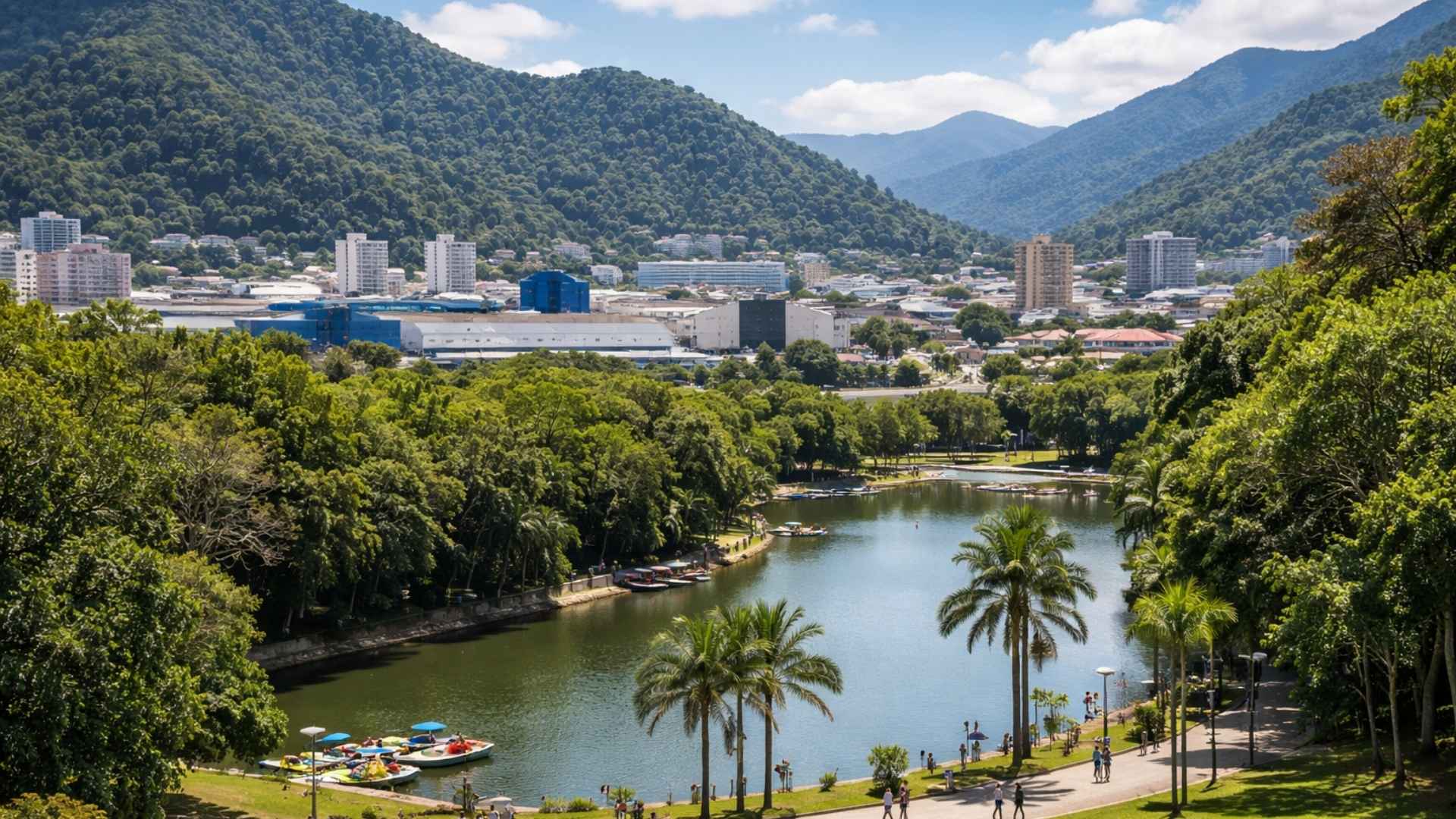
High indicators of safety and development, a strong industrial economy, and a free urban park place the city of Santa Catarina among the most attractive places to live in Brazil, combining quality of life, job creation, and cultural tradition in a single territory.
Jaraguá do Sul, in the north of Santa Catarina, has indicators that help explain the growing interest of those seeking employment, urban services, and a sense of security without giving up green areas.
The municipality is located 182 kilometers from Florianópolis, has a HDI of 0.803, and ranked 2nd nationally in the 2025 Yearbook of the Safest Cities in Brazil, with a rate of 2.23 violent deaths per 100,000 inhabitants among cities in the analyzed population range.
The combination of a strong industry and a less tense urban routine is one of the main local differentiators.
-
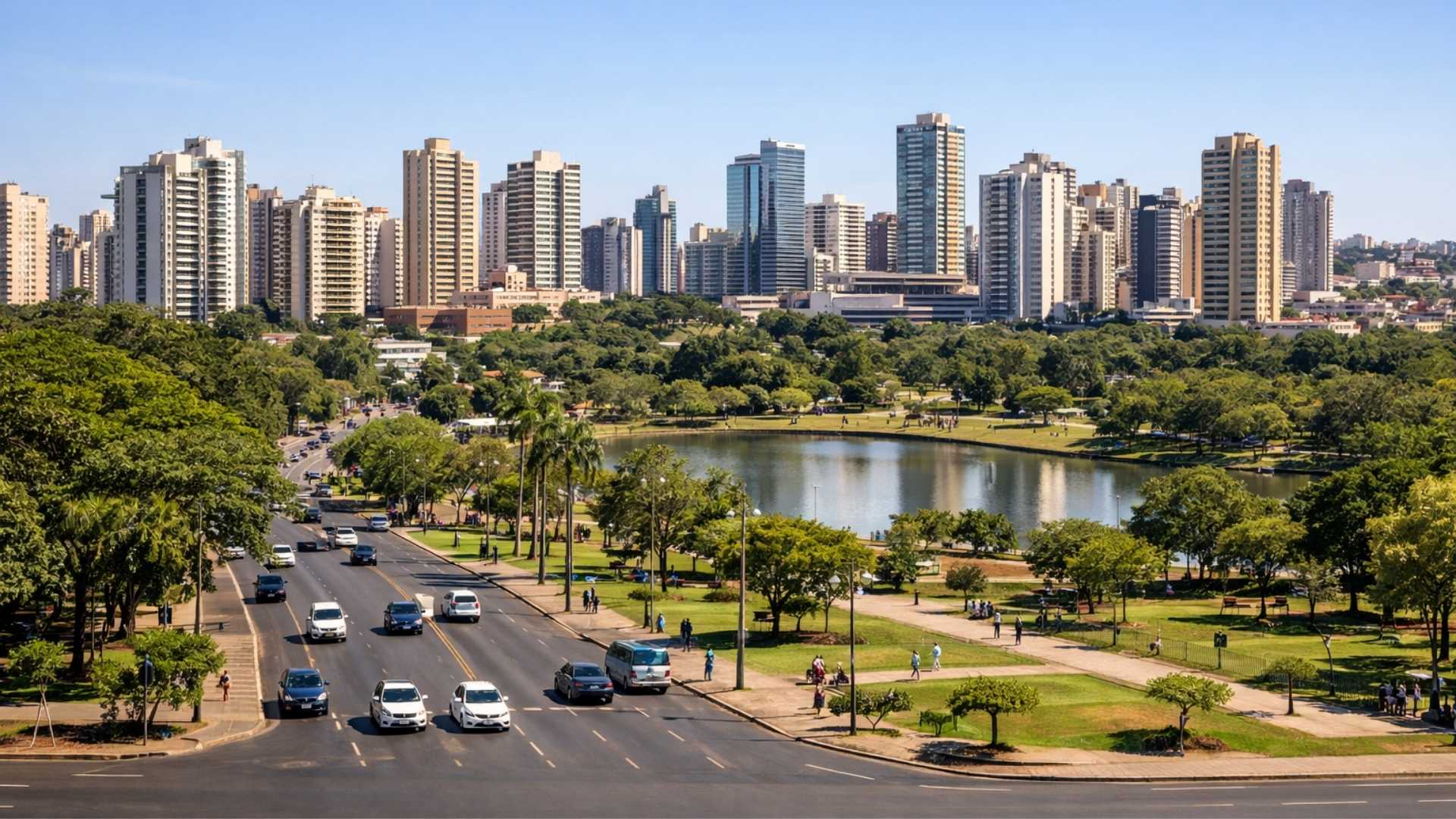
“Brazilian California”: the city is one of the best places to live in Brazil.
-
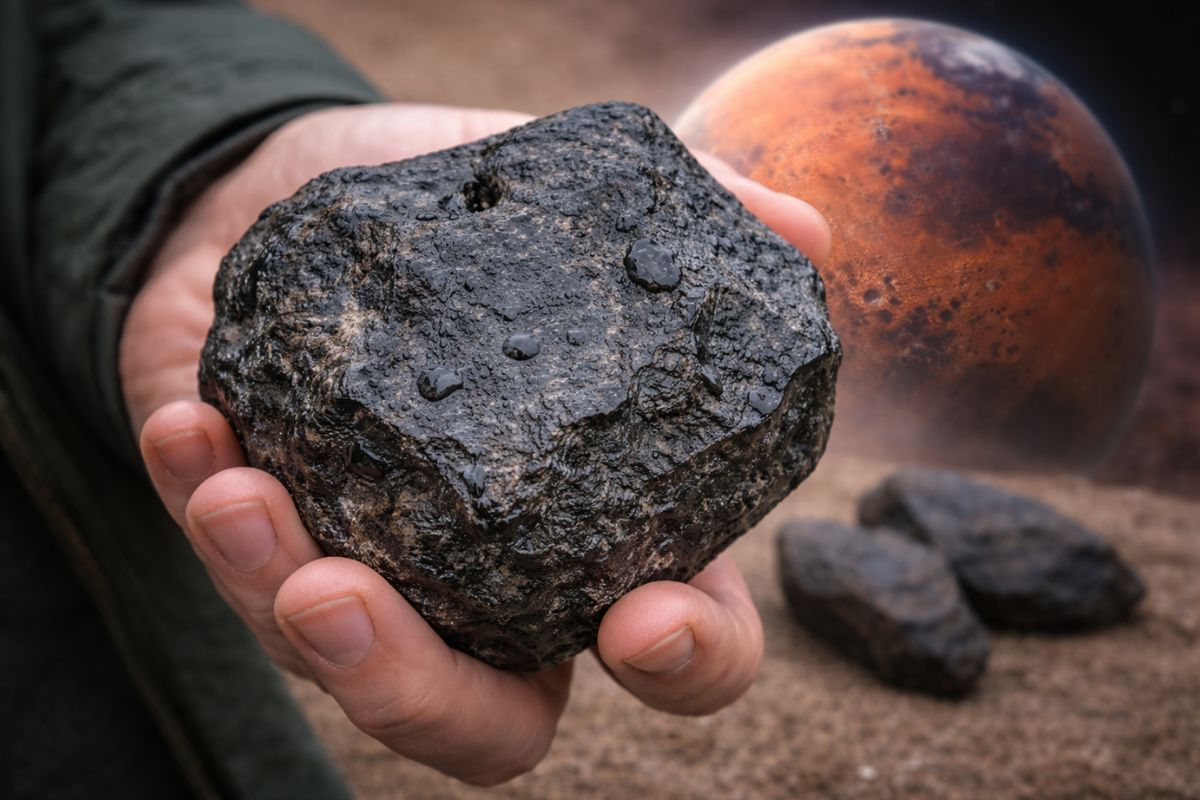
A collector bought a black stone in Morocco in 2011 without knowing that he had in his hands a Martian meteorite 4.45 billion years old with ten times more water than any other fragment of Mars ever found on Earth.
-
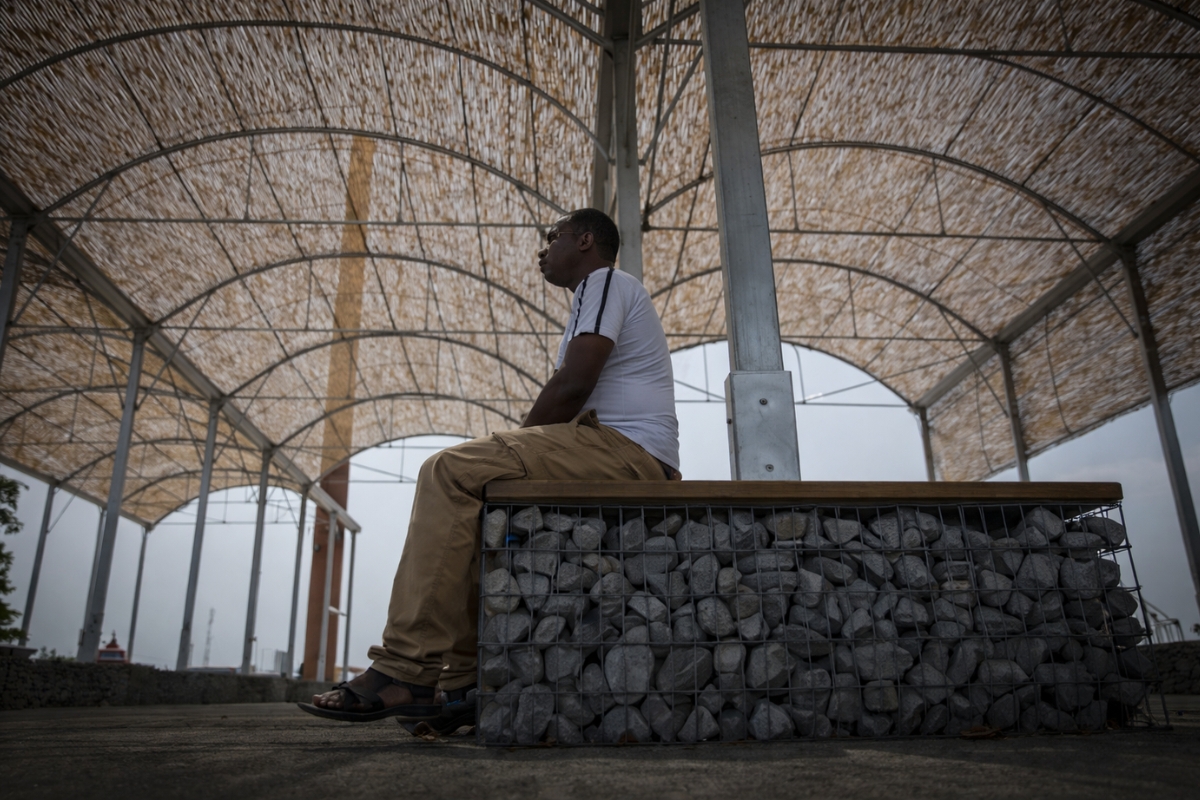
European cities are building public climate refuges to cope with extreme heat.
-
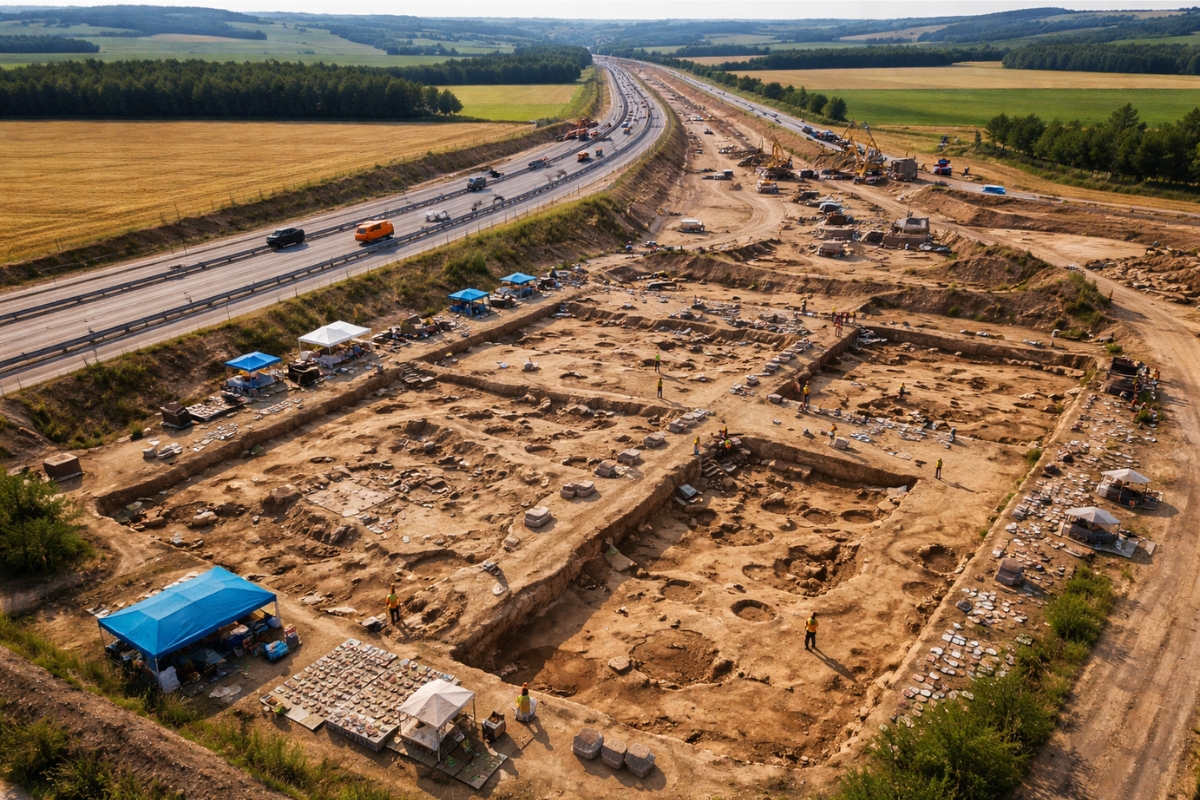
Excavations for a highway uncovered an intact Celtic city with gold, jewelry, and ancient production structures.

Official data and recent surveys show that the city maintains a relevant industrial economic base while preserving large and free leisure spaces, such as Malwee Park, an area of 1.5 million square meters within the urban perimeter.
Safety and quality of life in Jaraguá do Sul
The municipal human development index of Jaraguá do Sul is among the highest in the country.
In the Human Development Atlas, the municipality appears with a 0.803, a level classified as very high.
In the 2025 Yearbook of the Safest Cities in Brazil, the indicator of 2.23 violent deaths per 100,000 inhabitants placed the city just behind Brusque in the most recent national ranking of this category.
This performance helps sustain the reputation of a municipality that has already been appearing in prominent positions in previous surveys.
The Violence Atlas also shows Santa Catarina among the states with the lowest rates in the country, a context that reinforces the regional weight of cities like Jaraguá do Sul in urban safety rankings.
The interpretation of these numbers, however, gains more strength when associated with everyday life.
In Jaraguá do Sul, industrial density has not erased the presence of green areas nor the availability of cultural and sports facilities.
This coexistence between production, local mobility, and spaces for gathering is one of the traits that most frequently recur in the image built around the city.
Industrial economy and job creation in the city
The economy of Jaraguá do Sul remains strongly anchored in industrial activity.
Data from the municipal GDP show that the city is among the largest economies in Santa Catarina, while local publications based on IBGE numbers indicate that industry accounts for about 36.6% of the municipality’s economic composition.
This profile helps explain the presence of companies with national and international operations, especially in the metal-mechanical, textile, food, and technology sectors.
The city hall reported in 2023 that the city exported to over 100 countries, a figure often associated with the ability of its companies to sell higher value-added products abroad.
In the job market, the formal balance also helps to gauge local dynamism.
In the first half of 2023, Jaraguá do Sul recorded 1,715 formal job openings, with 21,492 admissions and 19,777 dismissals.
The industry accounted for 41% of admissions during the period.
Even with fluctuations over the months, the most recent data from the city hall indicate the maintenance of a high stock of formal jobs.
In 2025, the municipality reported having ended the first half with 76,342 formal jobs, a number 2.2% higher than the same period the previous year.
Most sought-after neighborhoods to live
Among the most sought-after addresses by new residents, the Center usually concentrates the demand of those who prioritize commerce, services, and short commutes in their daily lives.
Barra do Rio Cerro is associated with proximity to Malwee Park and a greener landscape.
Czerniewicz and Vila Lenzi are noted for their established infrastructure and connection to circulation and employment axes.
This movement is supported by an urban fabric that has grown without losing its industrial mark.
Instead of a layout based solely on condominiums or accelerated peripheral expansion, Jaraguá do Sul has maintained mixed neighborhoods, with simultaneous presence of housing, commerce, schools, and access to work.
For those moving for professional reasons, this factor weighs as much as macroeconomic indicators.
What to do in Jaraguá do Sul after work
The city concentrates a significant part of its life outside of work in parks, museums, hills, and cultural events.
The biggest symbol of this is Malwee Park, inaugurated in 1978, with 16 lagoons, over 35,000 trees planted, and free entry.
In addition to trails and contemplation areas, the space houses structures aimed at leisure for families and visitors.
Another established attraction is the WEG Museum of Science and Technology, located in the building that housed the company’s first headquarters founded in 1961.
The space, inaugurated in 2003, operates with free visitation and brings together content related to the company’s history, local culture, and scientific dissemination.
In the cultural area, SCAR was founded on June 8, 1956 and has become one of the most well-known institutions in the city.
It is in this environment that FEMUSC, held in January, sustains the reputation of the largest classical music school festival in Latin America.
More recently, the Innovation Park expanded the leisure and community offerings in the Três Rios do Sul neighborhood.
The space was inaugurated in June 2021 and occupies 55,000 square meters, with areas dedicated to sports, culture, and daily use by the community.
Schützenfest and German tradition in the city
In November, the city gains national prominence with the Schützenfest, presented by the city hall as the largest shooting festival in Brazil.
The 35th edition, held in 2025, ended with 153,014 visitors over 11 days.
The previous year, Jaraguá do Sul received by federal law the title of National Capital of Shooters.
The strength of this calendar helps explain why the German tradition remains so present in the local identity.
Gastronomy, music, shooting clubs, and typical festivals appear not only as tourist attractions but as part of the municipality’s associative life.
How to get to Jaraguá do Sul
Jaraguá do Sul is connected to the rest of the state by highways and has Joinville Airport as the nearest air reference.
The same material informs the distance of 182 kilometers to Florianópolis, reinforcing the strategic position of the city between the coast and the industrial hubs of northern Santa Catarina.
With high social indicators, a consolidated industrial presence, a positive balance of formal jobs, and a leisure offering that includes a large free park, Jaraguá do Sul remains one of the most consistent cases of a medium-sized city that has managed to combine production, services, and urban quality.
In this scenario, the municipality continues to attract residents not only for what it delivers in numbers but for how these numbers translate into daily life.




Seja o primeiro a reagir!