





 Portuguese
  English
  Spanish
  4 min of reading
  0 comments


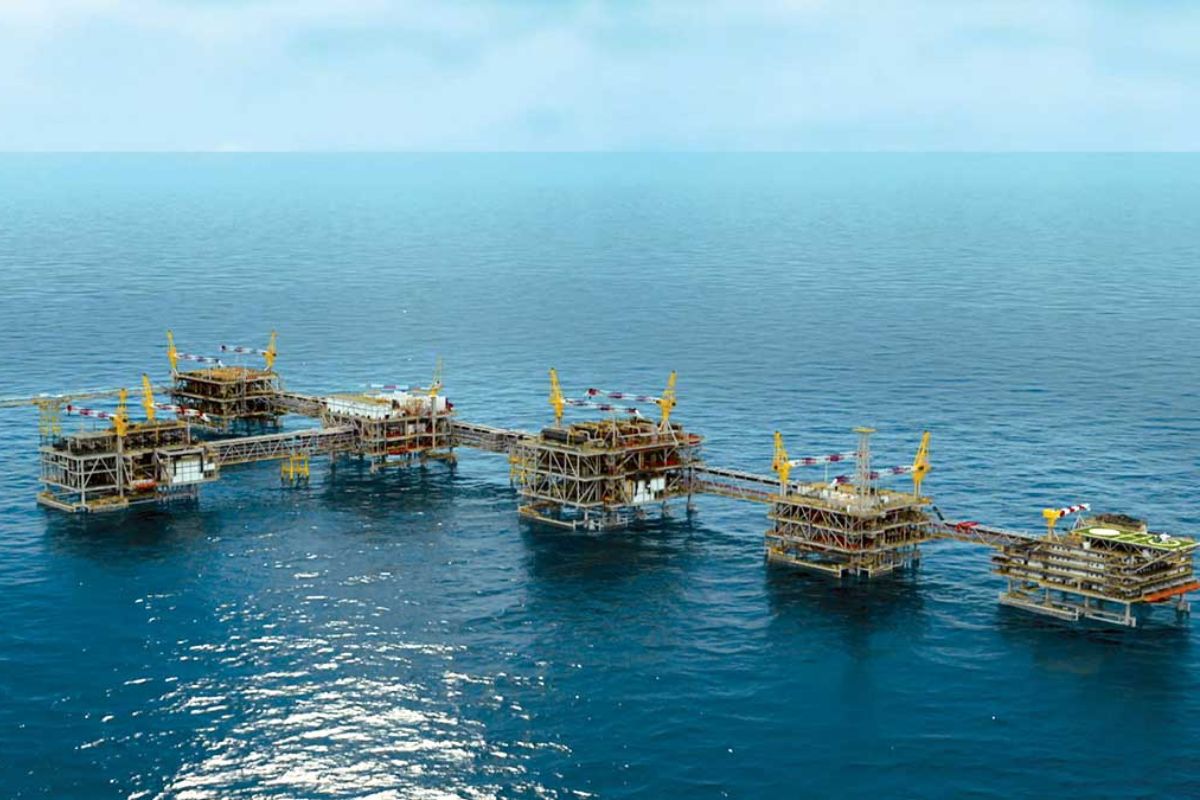
Operating For Nearly 70 Years, The Largest Offshore Installation In The World, In The Safaniya Field, Is A Pillar Of The Saudi Economy, But Its Future Is Now Maintenance, Not Expansion.
In The Persian Gulf, An Engineering Colossus Operates As A True “Money Factory” For Saudi Arabia: The Safaniya Field. Considered The Largest Offshore Installation In The World, This Complex Of Hundreds Of Oil Platforms, Operated By Saudi Aramco, Has Been A Pillar Of The Global Economy For Nearly 70 Years.
With Gigantic Reserves And massive production, Safaniya Is Not Just An Oil Field; It Is A Geopolitical Power Tool. In 2025, While Still A Formidable Producer, The Strategy For The Field Took A New Turn. The Era Of Aggressive Expansion Is Over, Giving Way To A New Phase Focused On Managing The Longevity Of This Asset, Not Increasing Its Volume.
The Discovery In 1951: The Rise Of The Largest Offshore Installation In The World
The Story Of Safaniya Began In 1951, When Geologists From Aramco, The Saudi Oil Giant, Discovered The Field In The Persian Gulf, About 265 Km From The City Of Dhahran. Its Scale Was Unprecedented, And It Was Quickly Identified As The Largest Offshore Oil Field In The World, A Title It Holds To This Day.
-
Friends have been building a small “town” for 30 years to grow old together, with compact houses, a common area, nature surrounding it, and a collective life project designed for friendship, coexistence, and simplicity.

-
This small town in Germany created its own currency 24 years ago, today it circulates millions per year, is accepted in over 300 stores, and the German government allowed all of this to happen under one condition.

-
Curitiba is shrinking and is expected to lose 97,000 residents by 2050, while inland cities in Paraná such as Sarandi, Araucária, and Toledo are experiencing accelerated growth that is changing the entire state’s map.

-
Tourists were poisoned on Everest in a million-dollar fraud scheme involving helicopters that diverted over $19 million and shocked international authorities.


Production Began In April 1957, With An Initial Flow Of 50,000 Barrels Per Day From 18 Wells. The Growth That Followed Was Meteoric. By 1962, Capacity Had Already Increased Sevenfold, Reaching 350,000 Barrels Per Day. The Peak Production Came Between 1980 And 1981, When The Field Reached Over 1.5 Million Barrels Per Day.
The Hundreds Of Platforms That Make Up The Safaniya Field
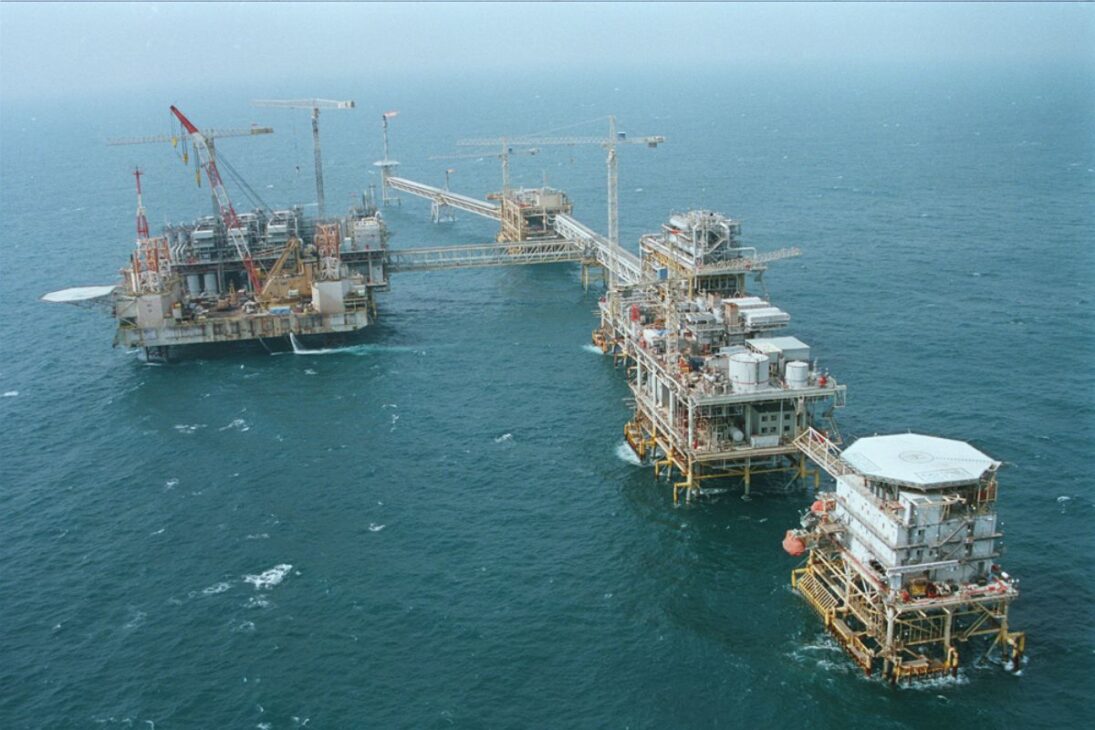
The Largest Offshore Installation In The World Is, In Fact, A Vast And Complex City At Sea. The Safaniya Field Extends Over An Area Of 50 Km Long By 15 Km Wide And Is Composed Of An Intricate Network Of Hundreds Of Interconnected Production Platforms.
The Infrastructure Includes Over 160 Multi-Well Platforms And Four Major Gas And Oil Separation Facilities (GOSPs) Offshore, Which Perform The Initial Treatment Of The Oil. The Journey Of The Oil Begins: From The Sea To The Land, Oil Is Transported By Pipelines To Onshore Facilities, Where It Undergoes The Final Desalination And Stabilization Processes Before Being Exported To The World. To Maintain And Modernize This Structure, Saudi Aramco Executes A Multi-Billion Dollar Development Plan, Which Includes The Continuous Installation Of New Platforms.
Heavy Oil: Characteristics And The Production Of 1.2 Million Barrels Per Day
The Safaniya Field Is The Main Supplier Of A Specific Type Of Oil Known As Arabian Heavy. With A Gravity Of About 27º API And A High Sulfur Content (2.8%), It Is Classified As “Heavy And Sour” Oil. This Means It Produces A Smaller Percentage Of Light Derivatives, Such As Gasoline, And Requires More Complex Refining Processes.
Even As A Mature Field, Its Production Capacity Remains Gigantic, Estimated Between 1.2 And 1.5 Million Barrels Per Day. Its Recoverable Reserves Are Estimated At About 37 Billion Barrels Of Oil And Over 5 Trillion Cubic Feet Of Gas, Ensuring Its Importance In The Global Market For Decades.
The End Of Expansion Plans And The New Strategy Of Saudi Aramco
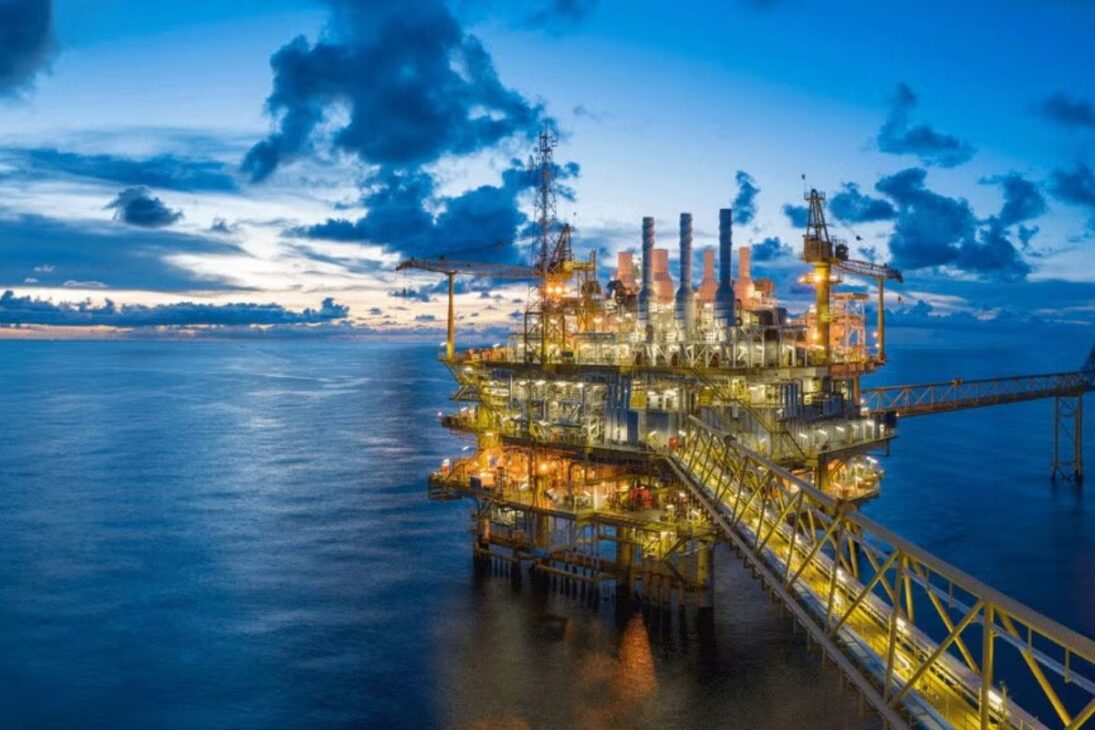
The Future Of The Largest Offshore Installation In The World Underwent A Significant Strategic Change In Early 2024. The Saudi Government Instructed Aramco To Abandon Plans To Increase Its Maximum Production Capacity From 12 To 13 Million Barrels Per Day.
As A Direct Consequence, The Ambitious Expansion Project For Safaniya, Valued At Over US$ 10 Billion, Was Officially Canceled In February 2024. The Order Came From Above: The Decision Was Not Due To Technical Issues In The Field, But A Change In The Kingdom’s Strategy. With Rising Costs And A Long-Term Decline In Oil Demand, The Focus Has Shifted From Growth Expansion To Maximizing Value And Longevity Of What Already Exists. The Investment Is Now In Maintenance And Efficiency, Not Increased Volume.
The Legacy Of Safaniya
The Legacy Of Safaniya Goes Beyond Its Production Numbers. The Field Is An Economic And Geopolitical Engine. The Wealth Generated By The Field, Which Produces At A Very Low Extraction Cost (Estimated At Less Than US$ 10 Per Barrel), Is A Pillar Of Saudi Arabia’s Budget, Financing Everything From Infrastructure Projects To The Ambitious Vision 2030, Which Aims To Diversify The Country’s Economy.
Its Massive Production Also Provides The Kingdom With Immense Influence In The Global Market. The Ability To Increase Or Decrease Safaniya’s Production Allows Saudi Arabia To Act As The World’s “Swing Producer,” Stabilizing Markets And Exercising Power. The Largest Offshore Installation In The World Is Not Just A Money Factory, But A Key Piece In The Chessboard Of Global Energy.










-

-

-

-

-

-

179 pessoas reagiram a isso.