





 Portuguese
  English
  Spanish
  5 min of reading
  0 comments


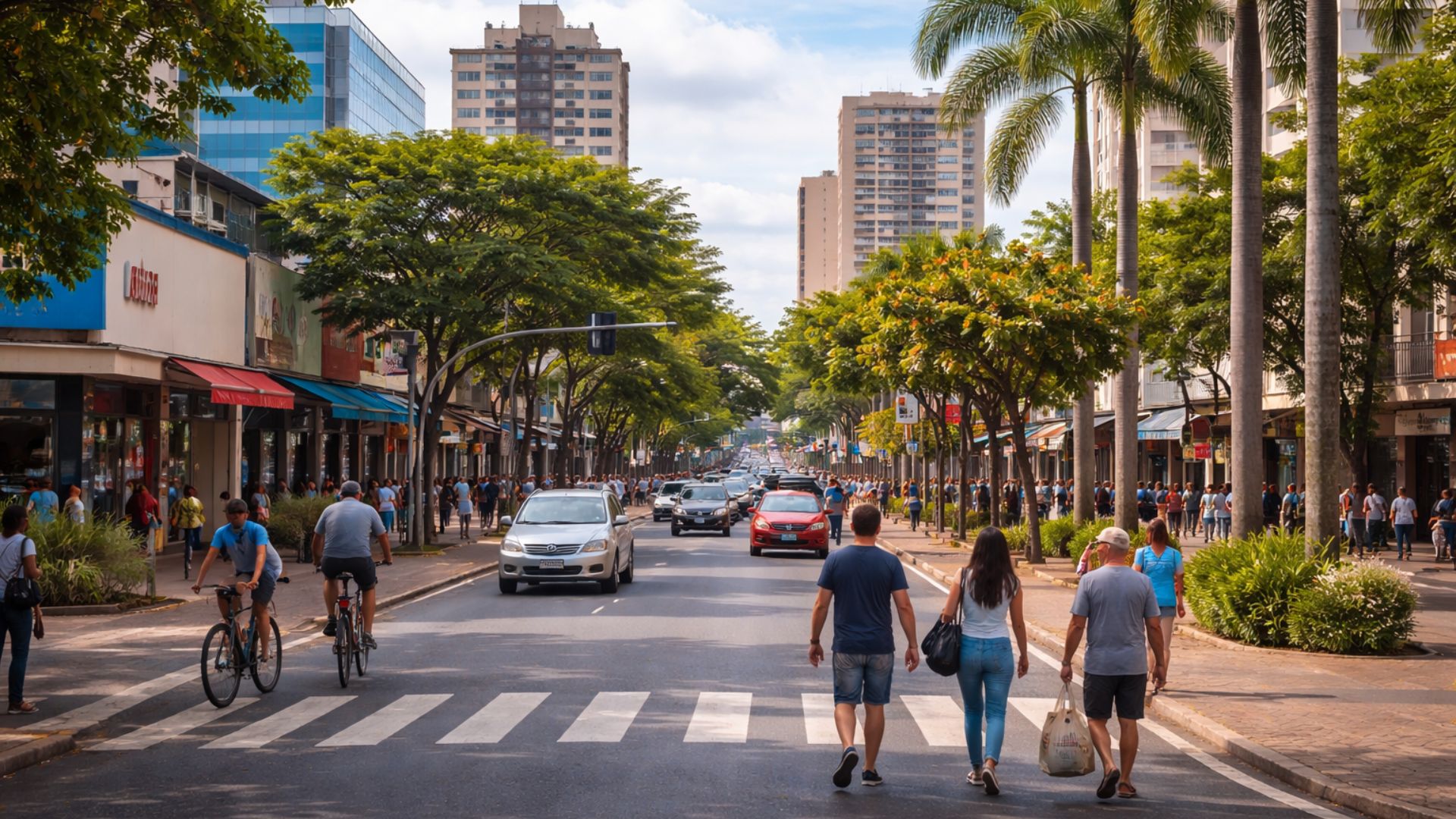
National ranking reinforces the protagonism of a medium-sized Paulista city with consistent performance in quality of life, education, urban services, and well-being, consolidating its position among the main highlights of the country in the Social Progress Index 2025.
Araraquara stands out among the main highlights of the Social Progress Index Brazil 2025 by occupying the 3rd position among municipalities with 100,000 to 500,000 inhabitants, a result that reinforces the city’s importance in the interior of São Paulo when it comes to quality of life.
The survey evaluates 57 social and environmental indicators, distributed across three major dimensions, and assigned a score of 69.64 to the municipality.
In the broader national context, there is a divergence in the disclosures: public agencies from São Paulo and the city hall cited 12th place, while the official IPS scorecard shows Araraquara in 13th.
-
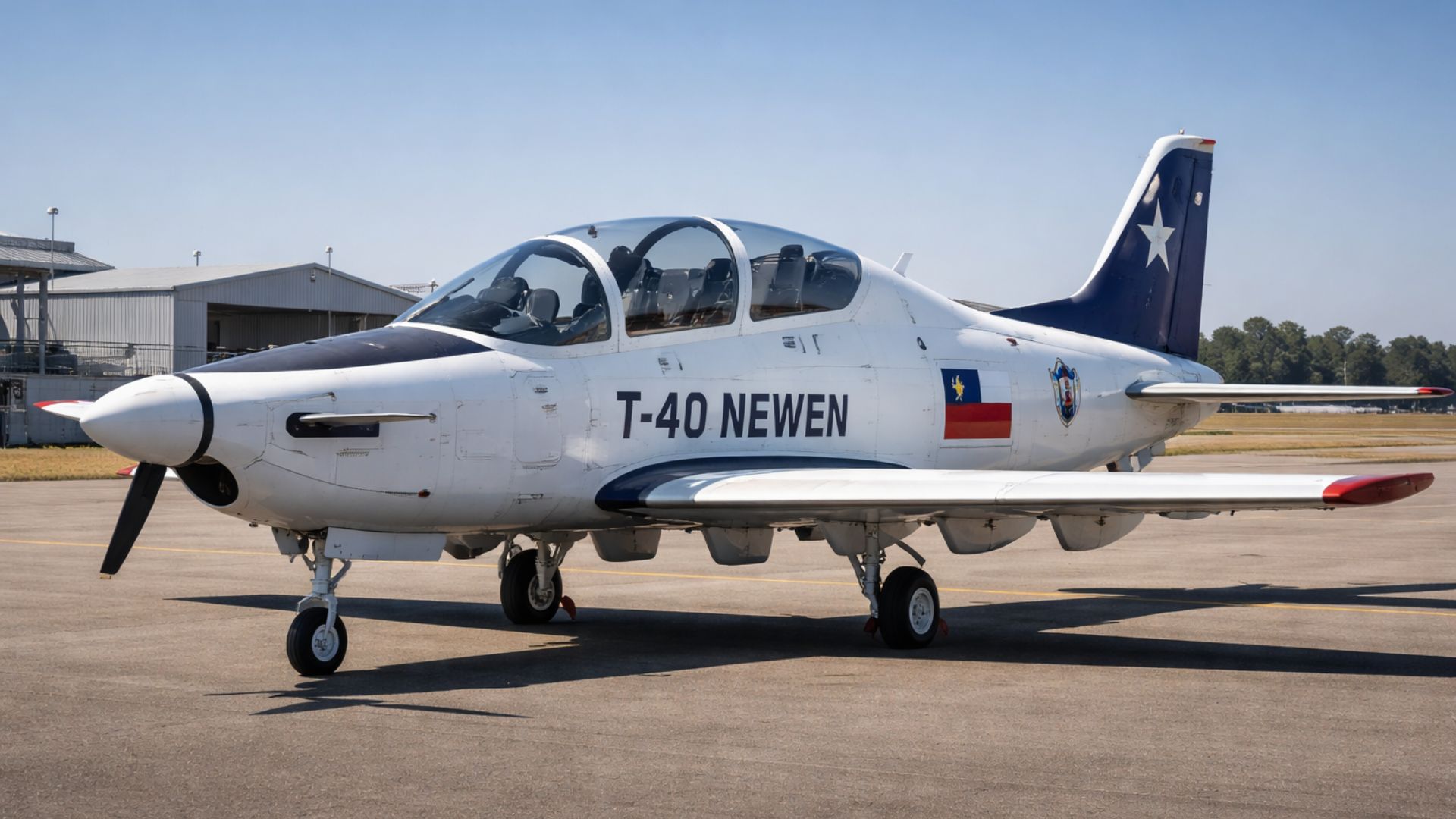
Brazil’s neighbor presents a super military aircraft with a digital glass cockpit, +6G/-3G aerobatics, a replacement for a model over 40 years old, testing in 2027, and production expected in 2030 with 100% national technology.
-
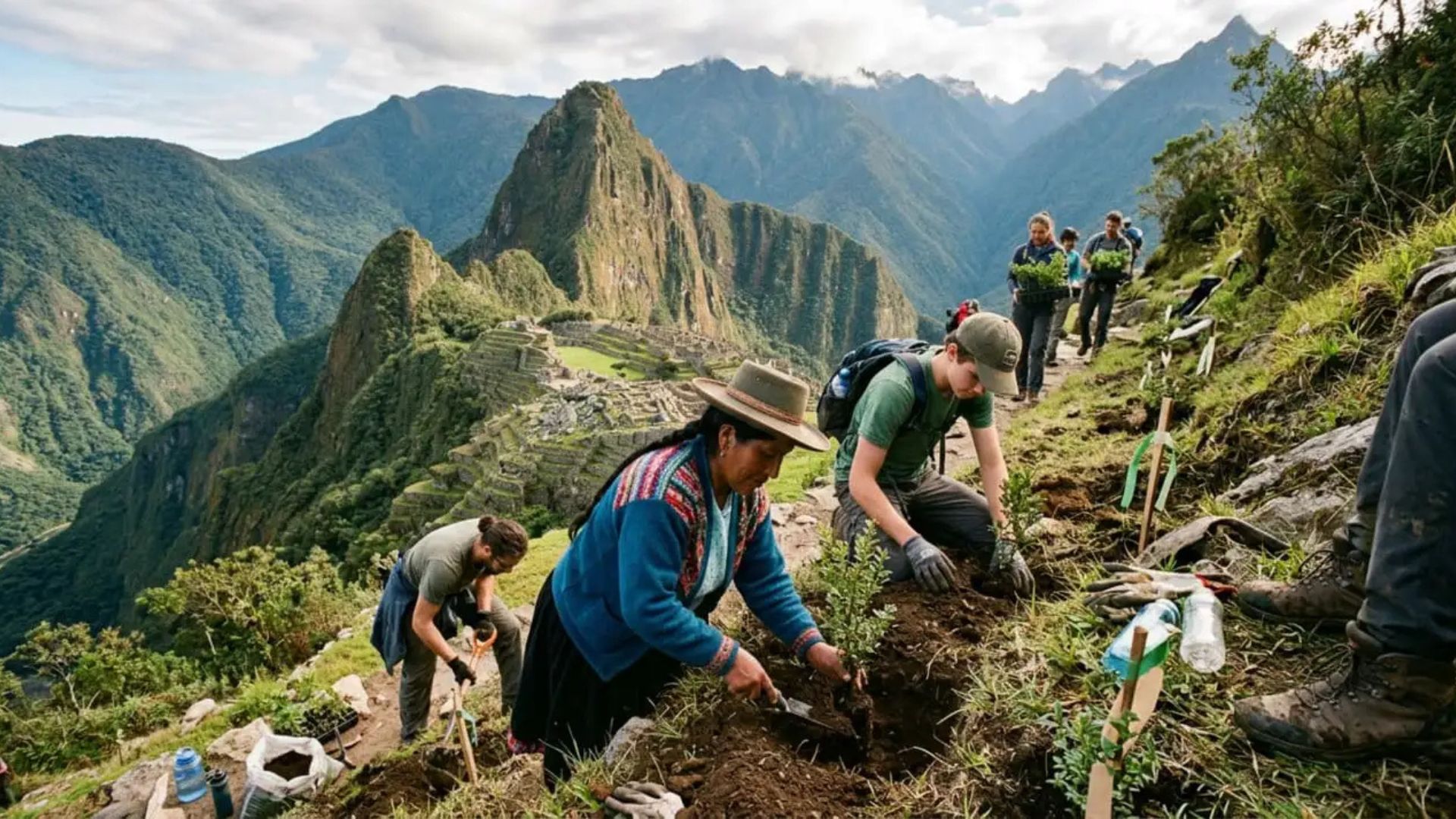
Peru is determined to break the rules of the game by planting 1 million trees in Machu Picchu to curb erosion, restore Andean ecosystems, and protect one of the planet’s most fragile heritage sites.
-
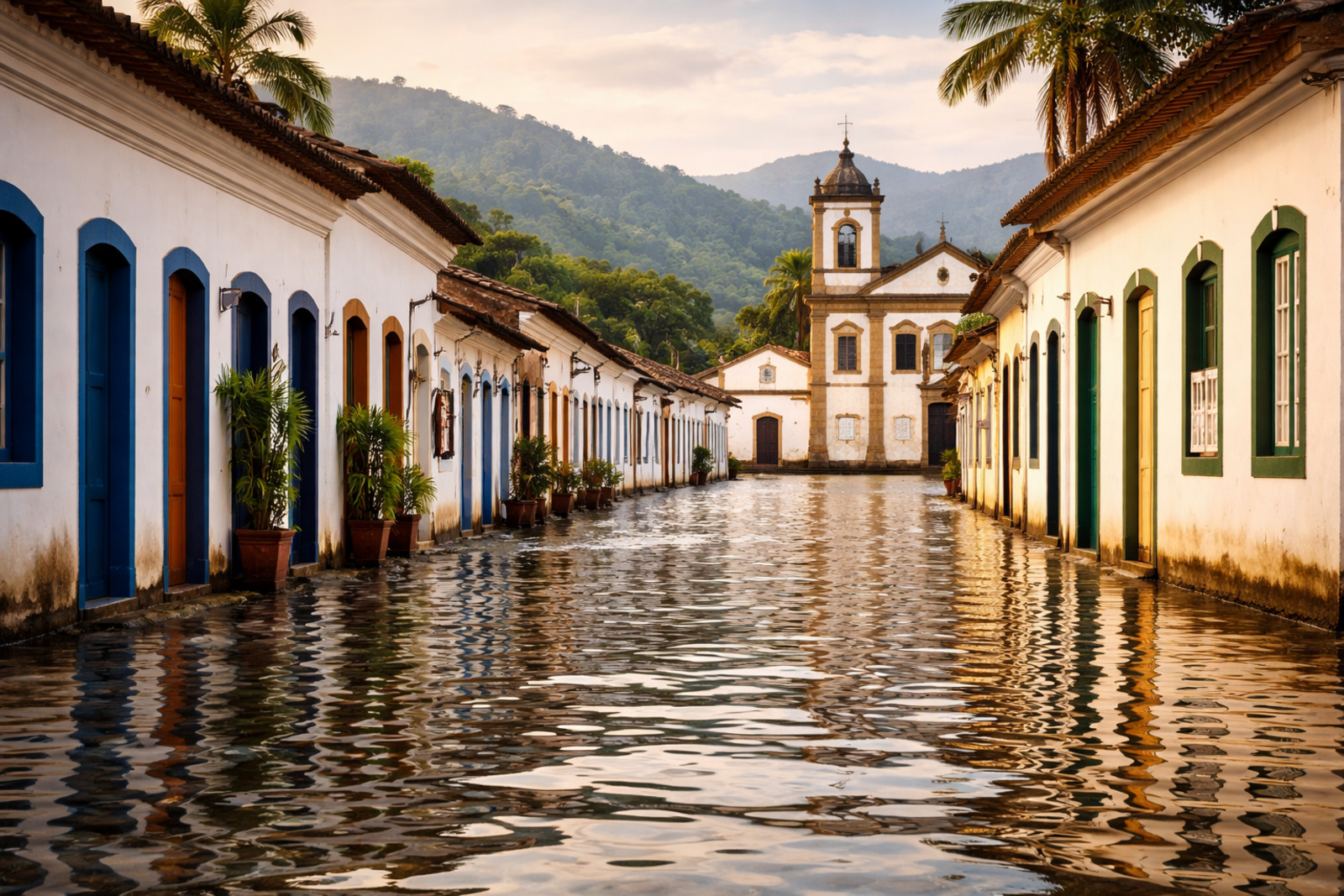
In Brazil, there is a historic city where the sea intentionally floods the streets to wash the pavement, and this unique scenery helped the place become a UNESCO World Heritage Site with over 65 islands and about 90 beaches.
-
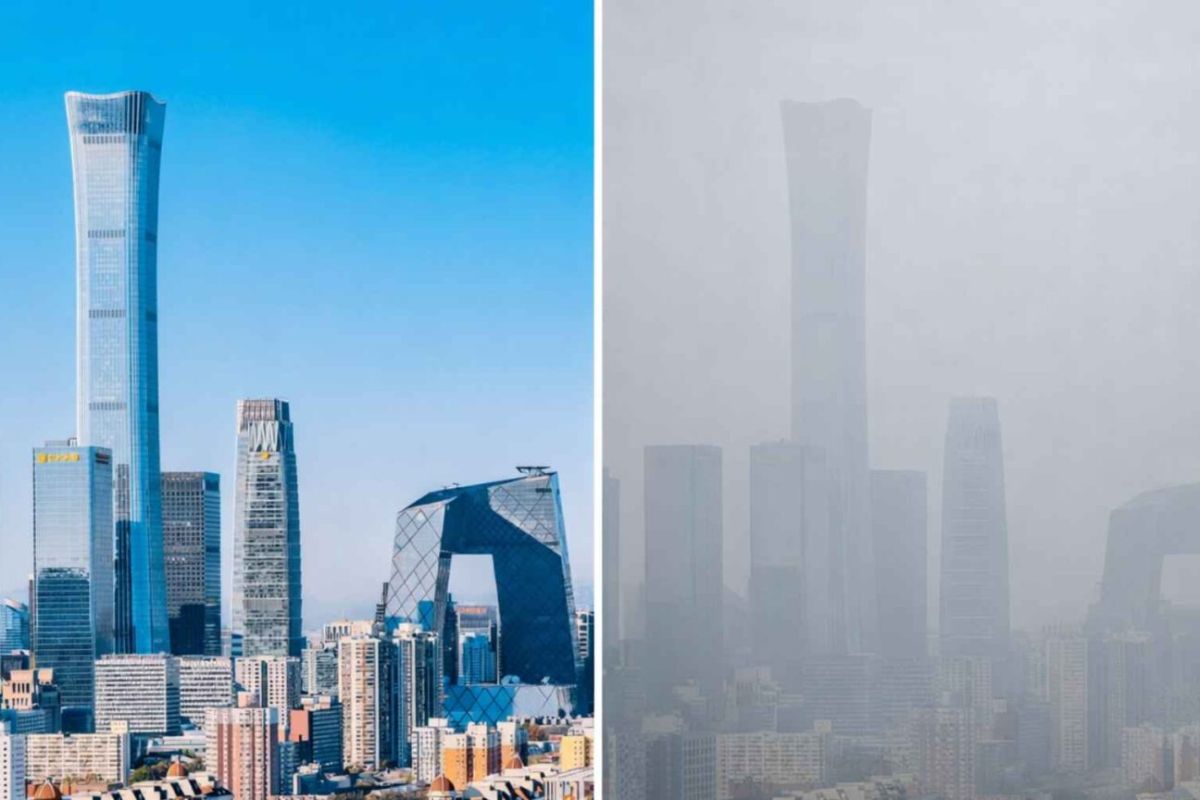
Beijing reduced air pollution by 70% in just 12 years and recorded 311 days of good air in 2025, but scientists have discovered a new invisible threat looming over the city: a cloud of 180,000 microplastics per cubic meter.
Performance in the IPS Brazil 2025
The performance does not rely on a single factor.
The IPS measures everything from basic human needs to access to opportunities, covering the fundamentals of well-being, which helps explain why cities with organized economies, consolidated service networks, and good educational indicators tend to advance in the ranking.
In the case of Araraquara, the result also places the city at the center of a region that has gained national visibility, as Gavião Peixoto, a neighboring municipality, topped the Brazilian ranking of 2025.
Urban structure and quality of life in the interior of São Paulo
With a profile of a medium-sized city and a population of 252,318 inhabitants on the IPS panel, Araraquara combines relevant urban scale with less exhausting commutes than those found in larger metropolises.
This characteristic impacts daily life, as it concentrates commerce, public services, health, leisure, and education in an urban fabric that still allows for resolving a large part of daily routines without long distances.
The nickname Home of the Sun, already incorporated into the local identity, accompanies this image of a city open to outdoor life and with a strong connection to public spaces.
The infrastructure helps sustain this perception.
The municipality maintains sports facilities, green areas, museums, and urban services that expand the offerings for residents of different age groups, while its geographical position in the center of the state favors road connections with other Paulista hubs.
Not by chance, Araraquara is often regarded as a regional reference for study, work, and specialized services, something that goes beyond promotional discourse and appears indirectly in the composition of the social indicators analyzed by the IPS.
University pole and impact on the local economy
A significant part of this dynamism comes from higher education.
Araraquara hosts units of Unesp in strategic areas, such as the Faculty of Sciences and Letters and the Faculty of Pharmaceutical Sciences, in addition to Uniara and technological and technical training structures maintained by Fatec and Etec.
The concentration of institutions of this size helps renew the circulation of students, researchers, and professionals, with effects on the real estate market, commerce, services, and cultural life.
This university environment is not limited to the campus.
Over the years, it has shaped an urban profile in which education, qualification, and knowledge circulation have become part of the local identity, alongside an economic base that also preserves industrial and agro-industrial weight.
The city benefits from its strategic location for logistics and distribution, while sectors related to sugar energy, food, and industry remain relevant in forming the regional productive fabric.
Railway history and sports tradition
The history of Araraquara is also tied to the rails.
The railway arrived in the city in 1885, and the municipality became a junction point in 1898, a process that influenced urban expansion, the economy, and the construction of a memory that remains visible in buildings, collections, and cultural references.
This legacy appears symbolically in the Railway Sports Association itself, founded on April 12, 1950, by employees of the former Araraquara Railway, a link that helps explain why the club remains so intensely associated with local identity.
The Fonte Luminosa, a stadium linked to the history of the Ferroviária, goes beyond the sports calendar and occupies a recognizable role in the urban landscape.
In parallel, the railway memory has gained institutional preservation in spaces such as the Railway Museum, located in the old station, where the city reconstructs part of its economic and social formation.
This intersection of heritage, football, and urbanization helps to understand why Araraquara is not limited to recent indicators and maintains a coherent historical narrative with its regional position.
Leisure, climate, and outdoor routine
In their free time, the city offers options that resonate with the idea of urban well-being.
The Fonte Sports Complex brings together fields, courts, a skate park, swimming pools, and a square for sports activities and gatherings, functioning as a widely used facility.
The Archaeology and Paleontology Museum, MAPA, maintains a collection and regular visitation and is also connected to the circuit of paleontological remains that makes Araraquara unique in the interior of São Paulo.
Another highlight is the Municipal Natural Park of Basalto, an area dedicated to leisure and environmental education, with trails, birdwatching, a waterfall for contemplation, a playground, and an environmental education center.
The city hall reports that the space occupies about 65,000 square meters and was born from the recovery of a degraded area, a process that gave new use to an old quarry.
In a city often associated with heat and sunny days, parks and squares end up playing an even more central role in daily life.
The climate, by the way, helps consolidate this routine.
Climatological data indicate average maximum temperatures around 25°C in winter and nearing 30°C in months like September, October, and January, with a more pronounced dry season in the middle of the year and a gradual return of rains in spring.
This pattern reinforces the nickname Home of the Sun, but also directly influences how the population uses tree-lined streets, squares, and sports facilities throughout the seasons.
What explains Araraquara’s highlight in the ranking
More than just making headlines, Araraquara’s position in the IPS 2025 suggests consistency in areas that typically define the concrete perception of quality of life.
When a medium municipality appears in the top national positions in an index based on social and environmental results, the data tends to attract attention because it shifts the focus from capitals and large centers and shows the strength of interior cities with a more balanced structure.
In the case of Araraquara, this combination includes established higher education, historical legacy, urban services, leisure areas, and relevant regional integration.
Araraquara reaches this new cycle of national visibility without relying solely on symbolic image or reputation built in the past.
The performance in the IPS, combined with the presence of universities, the maintenance of active public facilities, and the ability to articulate memory, work, and urban life, helps explain why the city remains a reference in the interior of São Paulo when the debate shifts from economic growth to real conditions of well-being.




Seja o primeiro a reagir!