





 Portuguese
  English
  Spanish
  5 min of reading
  0 comments


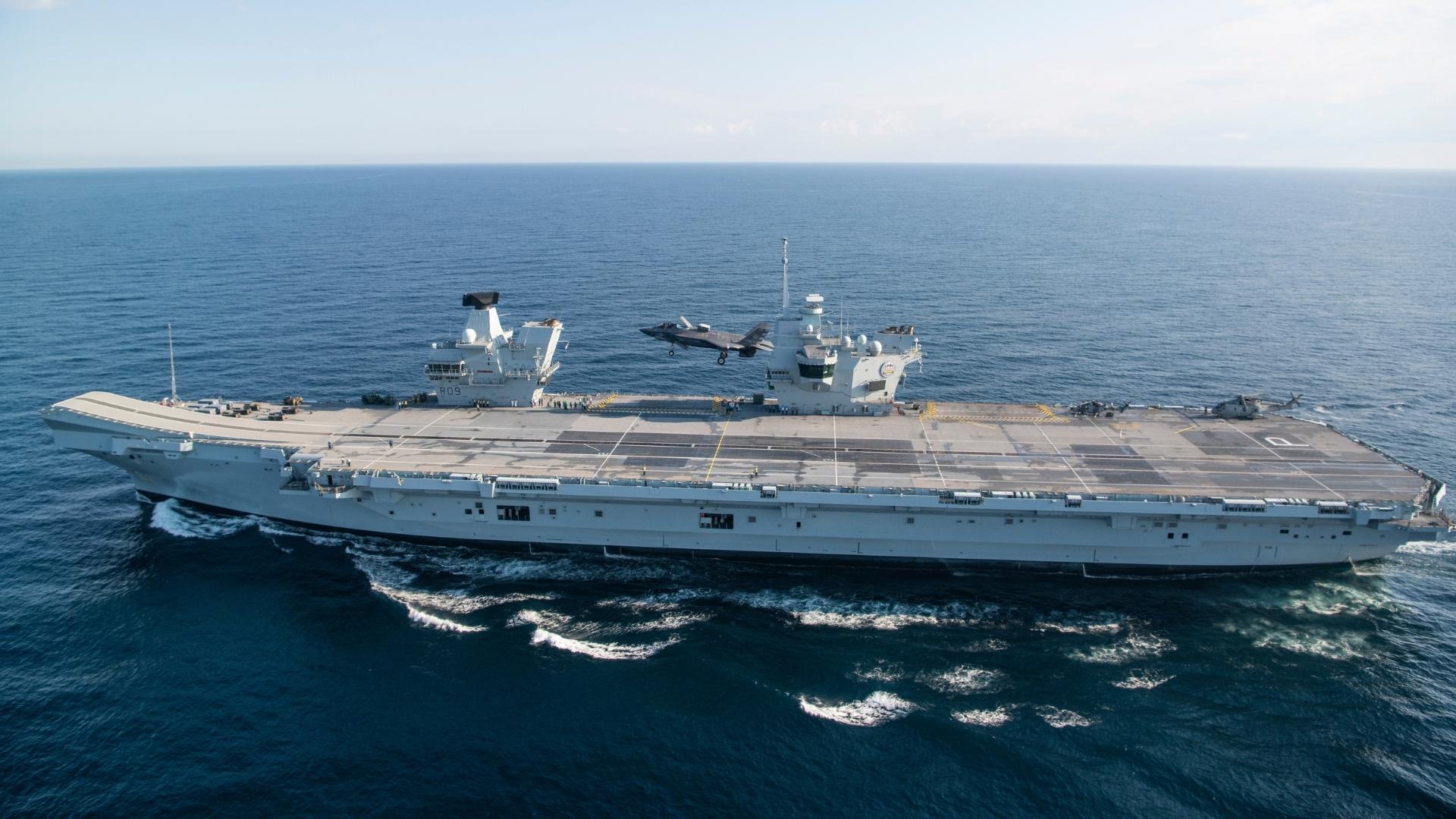
British movement places the North Atlantic and the Arctic at the center of NATO military strategy, with aircraft carriers, fifth-generation fighters, and embarked surveillance means in an operation that expands allied presence in one of the most sensitive areas of euro-atlantic security.
The United Kingdom confirmed on February 14, 2026 that it will send a strike group led by the aircraft carrier HMS Prince of Wales to the North Atlantic and the High North, in a mission called Operation Firecrest.
According to the British Ministry of Defence, the deployment will bring together warships from the Royal Navy, F-35 fighters, and helicopters, with exercises planned alongside the United States, Canada, and northern European allies, amid the new priority assigned by NATO to security in the far north.
The operation repositioned the British flagship at the center of a strategic agenda that combines military presence, allied coordination, and deterrence.
-
He found the largest gold shipwreck in the United States with tons of the precious metal at a depth of 2,400 meters in the Atlantic and recovered a treasure that no one thought possible to reach, but 500 gold coins disappeared without explanation.

-
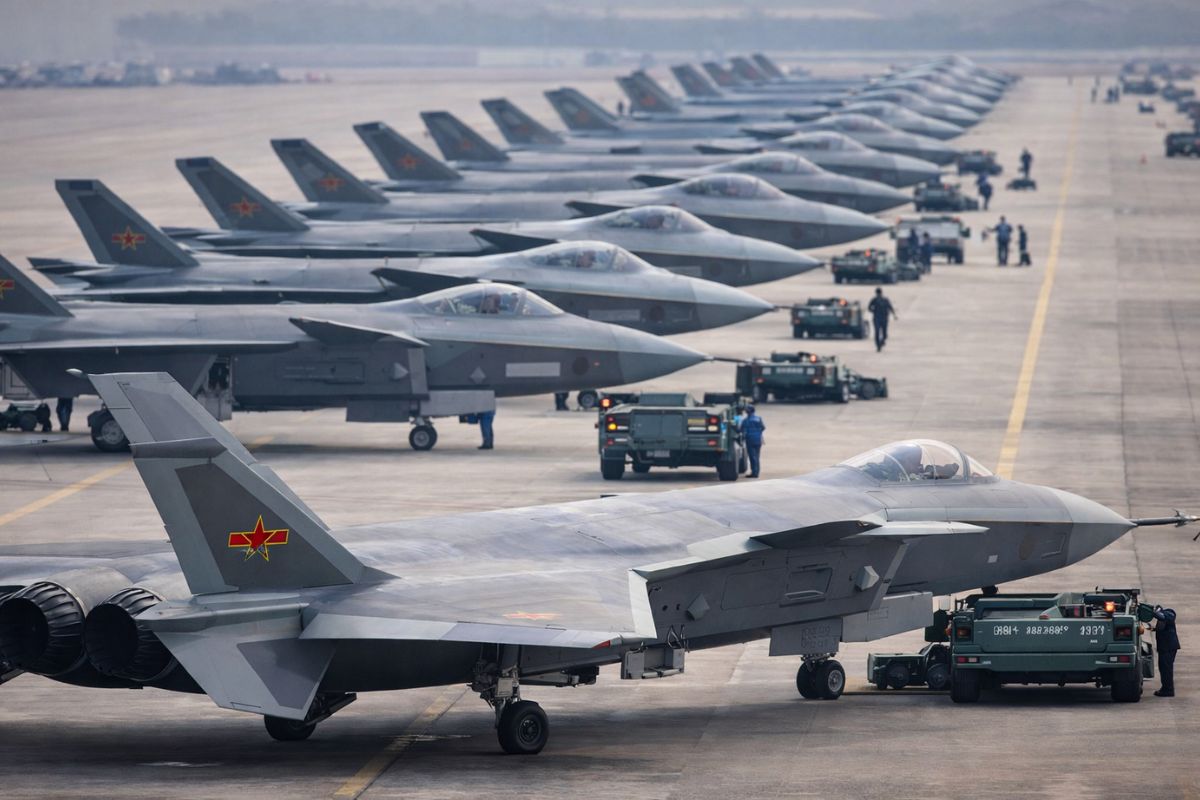
The United States has a serious problem with its F-35s: China is already producing fighters at a pace that exceeds American capacity and could manufacture up to 300 aircraft per year before the end of the decade, shifting the global military balance.
-
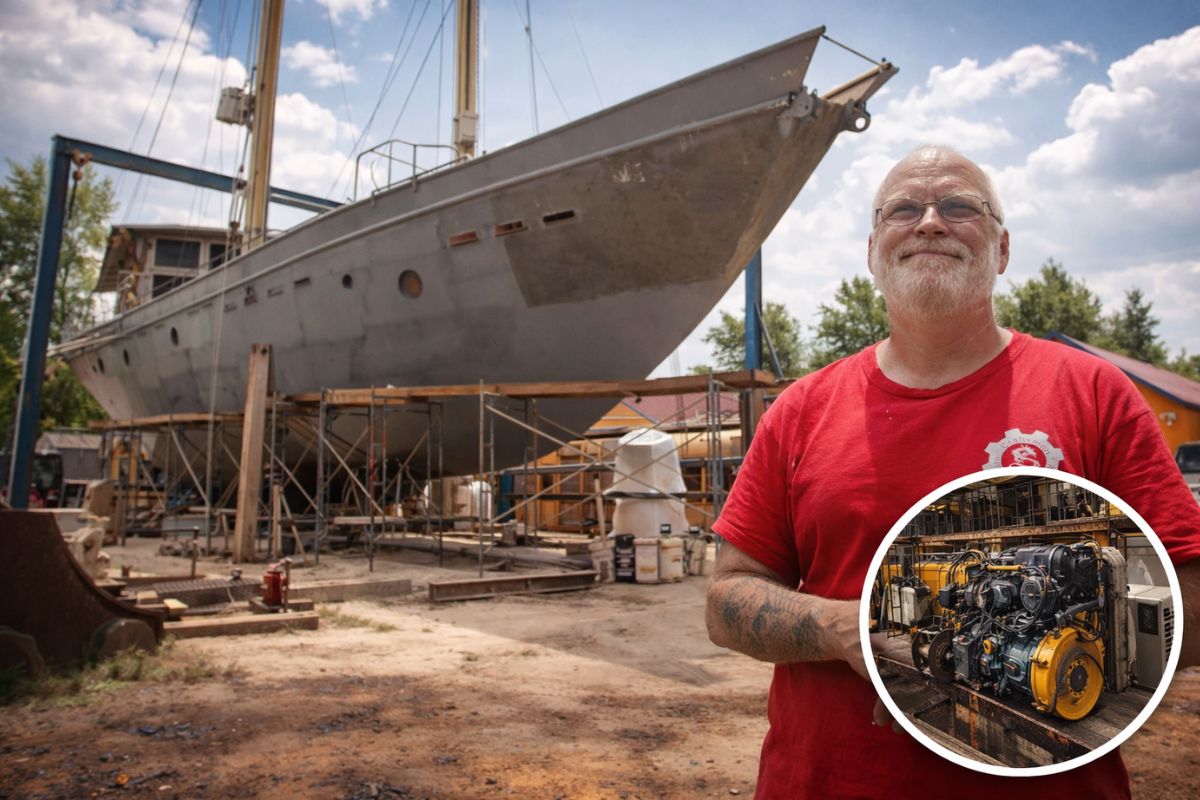
A retired IT professional built a 22-meter boat in his backyard in Oklahoma with a school bus engine, light pole masts, and handmade watertight doors to become the redneck version of Jacques Cousteau.
-
China is building a city in Brazil: a complex with an investment of R$ 5.5 billion comes to light, but allegations involving workers draw attention.


The British government reported that the group will cross the Atlantic, operate near the east coast of the United States, make a stop at a North American port, and have stages linked to Arctic Sentry, a multi-domain activity announced by NATO on February 11, 2026 to reinforce its posture in the Arctic and the High North.

The alliance’s new initiative will be led by the Joint Force Command Norfolk and was presented by NATO as an operational umbrella capable of bringing together existing exercises and means in a more integrated approach.
In justifying the measure, Secretary-General Mark Rutte cited the increase in Russian military activity and China’s growing interest in the region, two factors that have placed the far north back at the center of euro-atlantic planning.
Arctic Sentry and the new priority of NATO in the Arctic
In the British case, Firecrest was announced as a direct response to the deterioration of the maritime environment around the United Kingdom.
The Ministry of Defence stated that in the last two years, there has been a 30% increase in the number of Russian Navy vessels threatening British waters.
In the same communication, London associated the mission with the protection of vital underwater infrastructure, at a time when the security of cables and other submerged connections has begun to be treated as part of national defense and allied readiness.
HMS Prince of Wales, F-35, and military projection capacity

The ship designated to lead this movement is the largest in the Royal Navy.
According to the navy itself, the HMS Prince of Wales is part of the Queen Elizabeth class, displaces 65,000 tons, has a flight deck measuring 280 meters long and 70 meters wide, and operates with a minimum crew of about 700 military personnel, a number that can rise to 1,600 when the embarked air component is complete.
The platform has also been designed to accommodate up to 36 F-35B and four Merlin helicopters, a combination that explains its central role in presence and force projection operations.
The British government has not yet detailed how many aircraft and escorts will accompany the aircraft carrier on this mission.
Still, the official announcement confirmed that the group will consist of high-level warships, F-35 jets, and helicopters, with additional participation from U.S. aircraft in operations from the deck of the Prince of Wales.
This point is particularly relevant because interoperability between air and naval forces from different countries has begun to be treated as a practical requirement for crisis scenarios, regional reinforcement, and rapid response.

Merlin helicopters and surveillance in the North Atlantic
The embarked capability helps to understand the operational weight of the deployment.
The Merlin helicopters perform anti-submarine warfare functions and, when equipped with the Crowsnest system, also take on surveillance and air control missions.
In an official release from 2025, the British Ministry of Defence’s procurement sector reported that these aircraft can fly at over a mile in altitude and employ radar capable of observing up to 100 miles in any direction, enhancing early threat detection over the sea.
This type of resource gains additional weight in the North Atlantic, where the operational environment combines rough seas, extreme cold, and high sensitivity for anti-submarine warfare.
The simultaneous presence of F-35, Merlin, and surface escorts expands the group’s reach, improves situational awareness, and shortens response time in the face of contacts of interest.
Therefore, Firecrest was presented less as an isolated patrol and more as a high-complexity readiness exercise aimed at demonstrating presence and integration in one of the most sensitive areas of euro-atlantic security.
From the Indo-Pacific to the High North
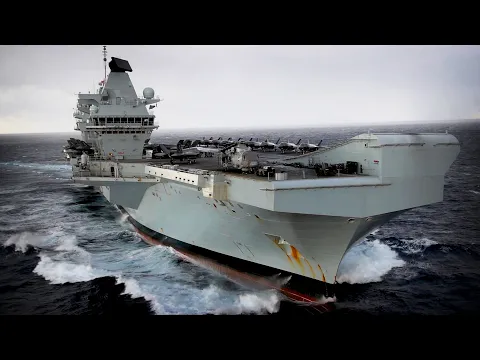

The announcement also relies on the recent history of the British carrier strike group itself.
In 2025, the Carrier Strike Group led by the HMS Prince of Wales conducted Operation Highmast, an eight-month mission through the Indo-Pacific and the Mediterranean.
At the end of this cycle, the Royal Navy declared the force fully ready for frontline deployment, after exercises under NATO command.
In the final stage of the deployment, the ship embarked 24 F-35B, the largest number ever assembled on a Queen Elizabeth class aircraft carrier.
According to the British government, the 2025 mission recorded more than a thousand sorties of F-35 and activities with more than 30 nations, a result that London has begun to use as a credential for the new deployment to the north of the Atlantic.
The transition from the Indo-Pacific to the High North indicates an important geographical inflection in the employment of the strike group.
Instead of emphasizing global presence east of Suez, the focus returns to the maritime space that connects the United Kingdom, North America, and NATO’s northern flank.
Operation Firecrest and the political message from London
Firecrest thus combines political messaging and military utility in similar proportions.
By announcing the operation, London stated that it intends to protect its own territory, reinforce the defense of underwater infrastructure, and act alongside allies in an area that has once again concentrated strategic risk.
From NATO’s perspective, the presence of a large British national aircraft carrier under this operational framework helps to materialize the attempt to transform the Arctic into a space of continuous surveillance, and not just a stage for episodic exercises.








Seja o primeiro a reagir!