





 Portuguese
  English
  Spanish
  5 min of reading
  0 comments


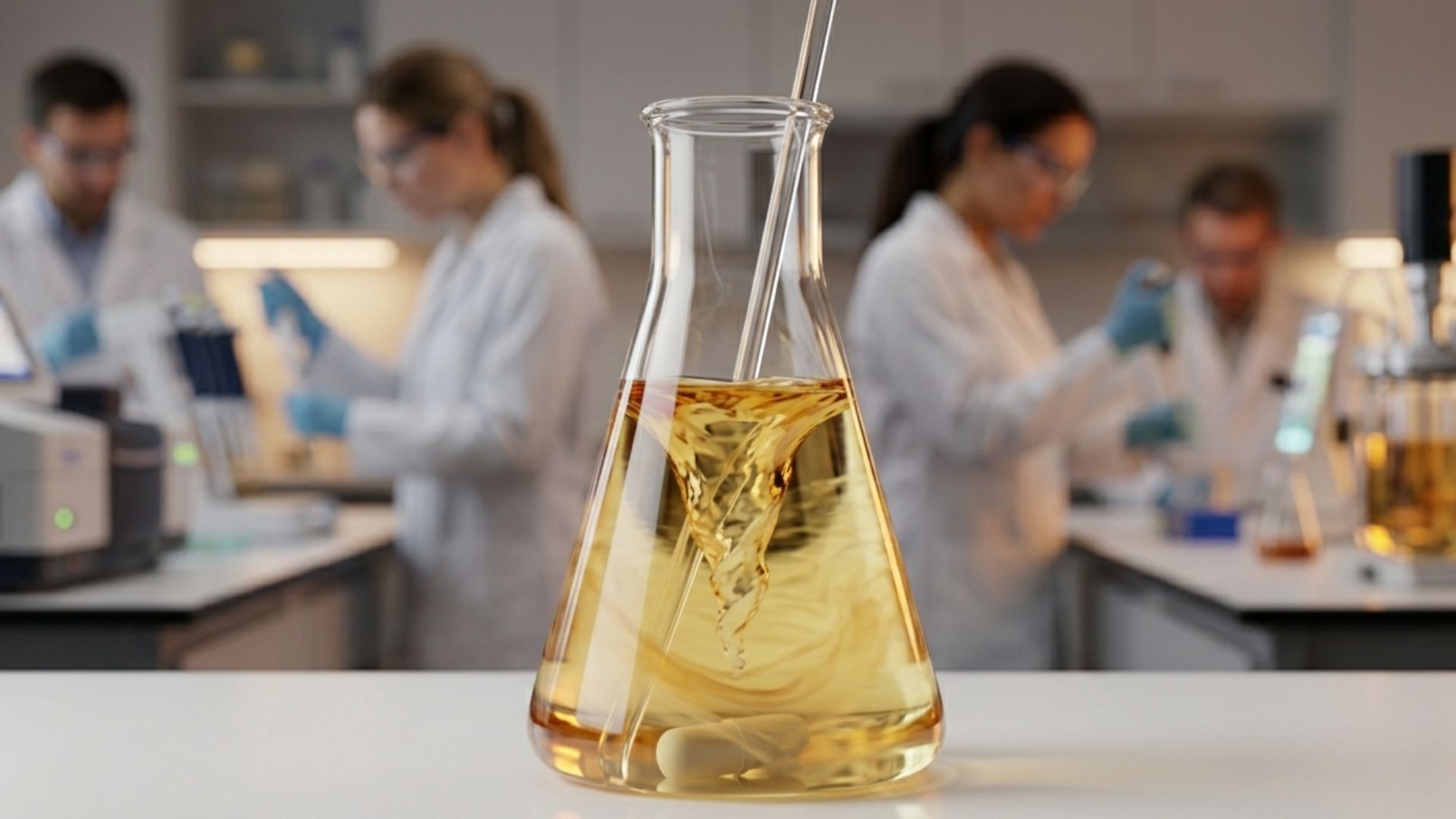
The biodiesel industry proposes to the government a simplified test to enable a new blend with diesel, which could impact costs, production, and energy security in Brazil
The biodiesel industry has intensified pressure on the federal government to adopt a simplified test that allows for the acceleration of the blend of biodiesel with diesel in Brazil. The demand arises at a strategic moment, marked by uncertainties in global fuel supply and the need to enhance national energy security.
Currently, the country operates with a mandatory blend of 15% (B15). However, legislation already provides for the possibility of advancing to 16%, provided that the necessary tests are conducted. The productive sector argues that the current model is slow and may hinder quick responses in crisis scenarios, especially in light of risks associated with international conflicts.
According to information from Globo Rural, the proposal also involves significant economic and environmental gains. Increasing the share of biodiesel could reduce costs, stimulate investments, and consolidate Brazil as a reference in biofuels.
-
Brazil accelerates hydrogen and biofuel projects to consolidate the fuel of the future and reduce dependence on oil by 2026.
-
CNPE strengthens policy and prevents imported biodiesel from being mixed with diesel, aiming to strengthen the Brazilian industry and protect jobs by reducing external dependence amid tensions in the global market.
-
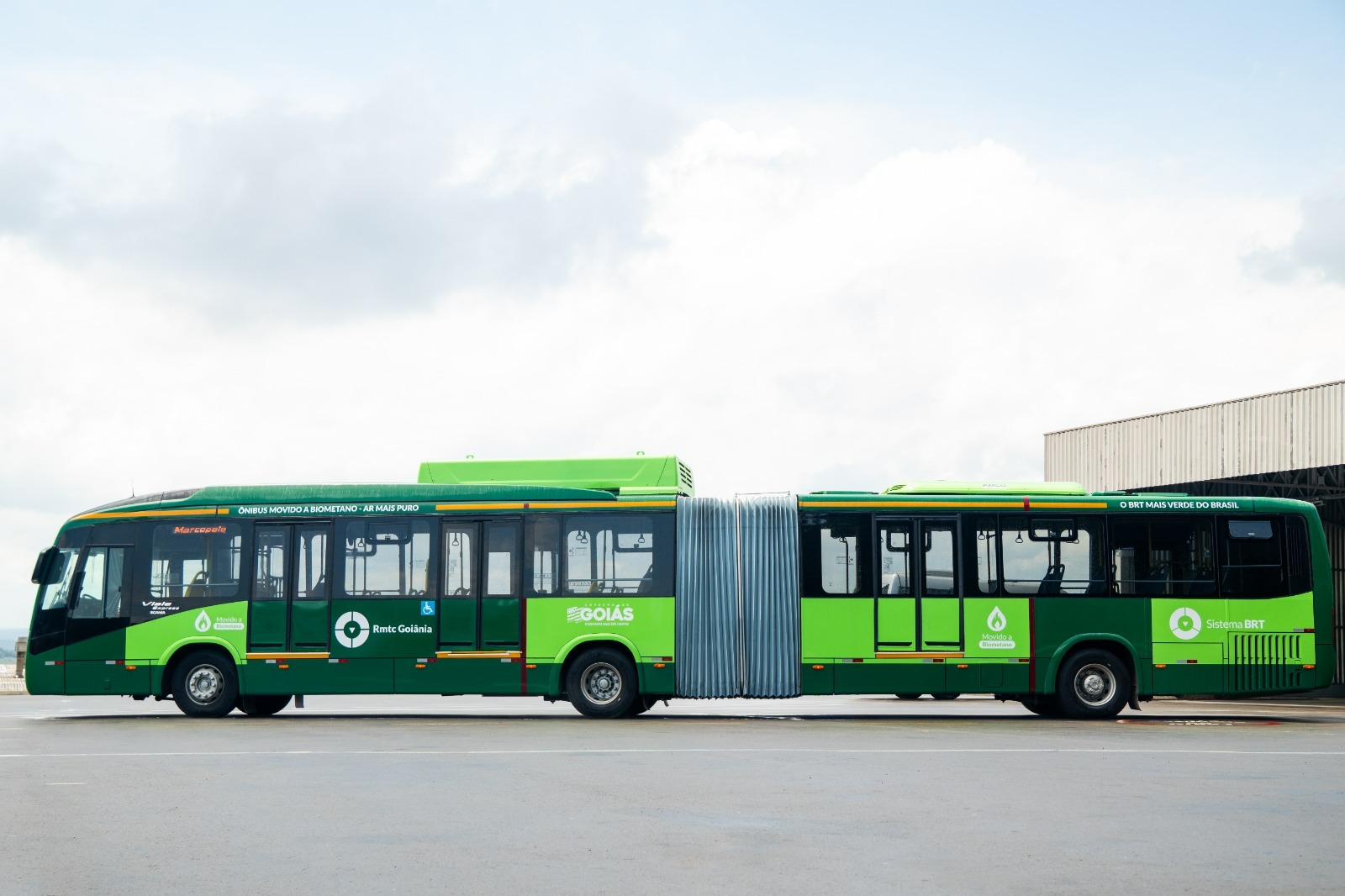
Revolution in public transport: Goiânia puts into circulation the first articulated buses powered by biomethane in Brazil and promises to drastically reduce pollution on the Anhanguera Corridor.
-
From the field to the pipelines: Mato Grosso do Sul accelerates the energy transition and consolidates a new axis in renewable energy with the arrival of a giant biogas plant.
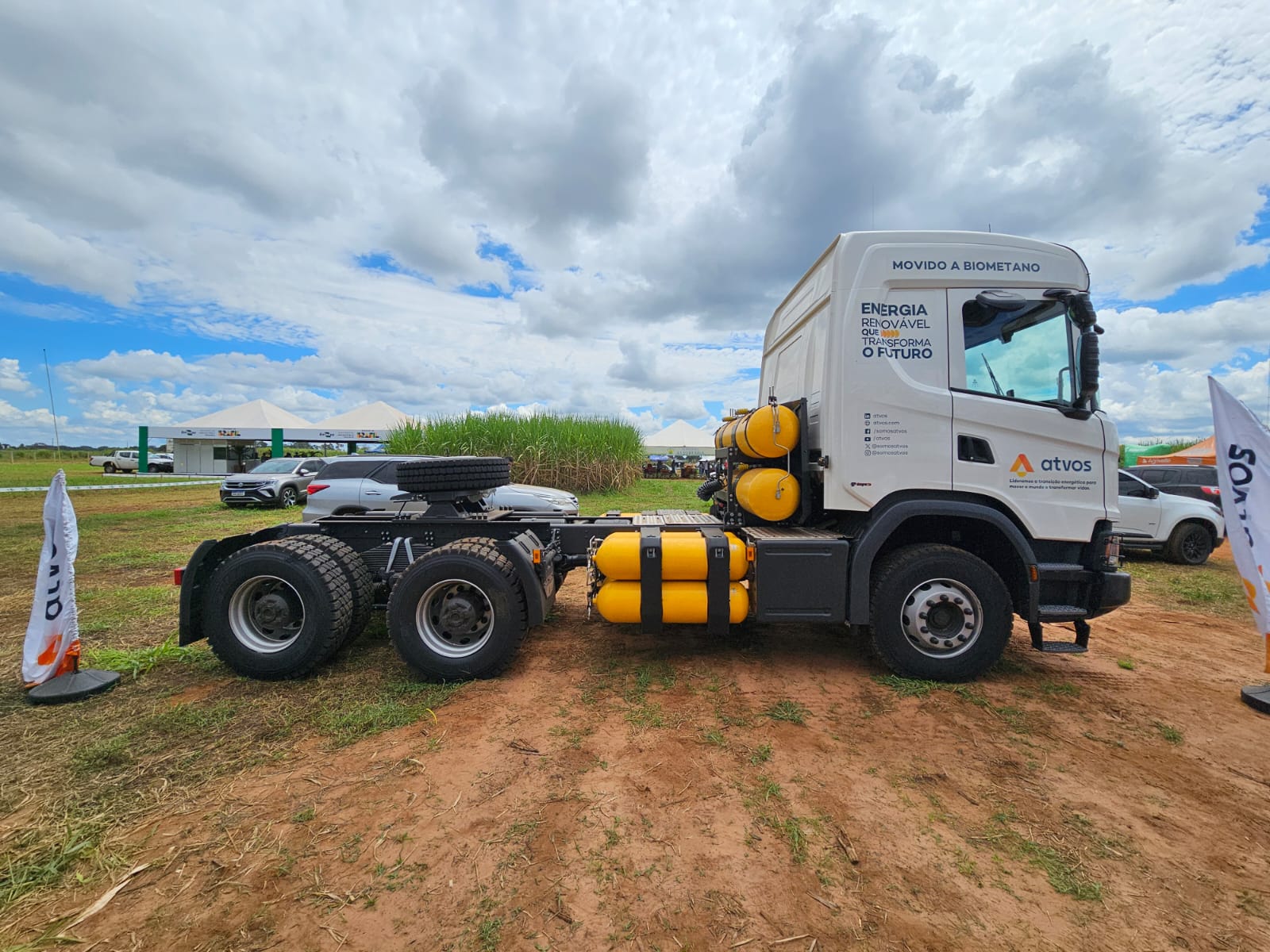
Biodiesel industry demands simplified test to unlock blend advancement
The mobilization of the biodiesel industry is led by AliançaBiodiesel, which brings together entities such as Abiove and Aprobio. The group advocates that the government adopt a simplified test, limited to the laboratory stage, eliminating the immediate requirement for field tests.
Currently, the protocol under discussion requires two distinct phases. First, laboratory bench tests. Then, a longer and more complex stage with validations in vehicles and equipment on the roads, involving the automotive industry.
For the sector, this model makes it unfeasible to increase the blend in the short term. Just the laboratory tests can take about 14 months, considering the current available structure.
Pressure on the government increases in light of supply risks
The main concern of the biodiesel industry is related to energy security. Brazil still relies on imports to meet between 25% and 30% of the diesel demand, which makes the country vulnerable to fluctuations in the international market.
In a scenario of geopolitical tensions, such as conflicts in the Middle East, there is a risk of disruptions in global supply. In this context, increasing the blend emerges as a strategic alternative to reduce external dependence.
The sector argues that the government needs to have a ready solution to react quickly. The adoption of a simplified test would allow for faster decision-making and ensure greater stability in internal supply.
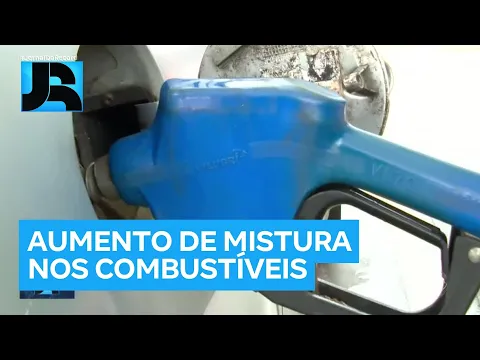

Price difference reinforces the argument of the biodiesel industry
Another factor that strengthens the position of the biodiesel industry is price competitiveness. Recent data indicates that biodiesel is already cheaper than imported diesel.
At the Araucária base (PR), the biofuel was sold for R$ 4,992 per cubic meter, while imported diesel reached R$ 6,287 per cubic meter, according to a survey by Argus.
This difference creates a favorable scenario for increasing the blend, generating benefits such as:
- Reduction of the average fuel cost in the country
- Less dependence on imports
- Decrease in exposure to exchange rate fluctuations
- Stimulus to national production
For the government, these factors represent significant economic gains, as well as greater predictability in energy planning.
Simplified test can accelerate investments and national production
The adoption of a simplified test is seen as a catalyst for new investments. The biodiesel industry has significant installed capacity but faces regulatory limitations that prevent its full utilization.
With the increase of the blend, the trend is for growth in demand for biodiesel, which directly impacts the entire production chain. This includes everything from the cultivation of raw materials, such as soybeans, to industrial processing.
Among the main expected effects are:
- Expansion of biofuel production
- Job creation in the field and industry
- Increase in income in agricultural regions
- Strengthening of the local economy
Brazil, as one of the largest agricultural producers in the world, has a competitive advantage in this scenario.
Government remains cautious and bets on complete technical validation
Despite the pressure, the government, through the Ministry of Mines and Energy, adopts a cautious stance. The Ministry states that the testing plan is in the final phase of consolidation and was constructed with the participation of different sector agents.
The technical validation of the new blend proportions involves the Technical Viability Assessment Subcommittee, linked to the National Energy Policy Council. The goal is to ensure that any changes do not compromise engine performance and vehicle safety.
Additionally, the government announced the creation of a national research network, coordinated by ANP, with the participation of seven new laboratories.
Biodiesel industry advocates for agility without compromising safety
Even while advocating for changes, the biodiesel industry emphasizes that it does not seek to increase the blend without technical criteria. The sector recognizes the importance of testing but argues that the current model is excessively time-consuming.
The proposed simplified test stipulates that the initial validation be conducted in the laboratory, with the possibility of later supplementation in the field, if necessary.
This approach would allow the government to act more quickly, especially in times of instability in the international market.
Environmental impacts strengthen the advancement of the blend in Brazil
The expansion of the blend also brings significant environmental benefits. Biodiesel is a renewable fuel, with lower greenhouse gas emissions compared to fossil diesel.
The biodiesel industry highlights that increasing the share of the biofuel contributes to:
- Reduction of carbon emissions
- Compliance with environmental goals
- Strengthening of the clean energy matrix
- Improvement of Brazil’s image in the international arena
For the government, this agenda aligns with global sustainability commitments.
Technical challenges still require attention in the debate on the simplified test
Despite the advances, the discussion about the simplified test still faces challenges. Technical issues related to fuel stability, performance under different conditions, and compatibility with engines need to be rigorously evaluated.
Entities such as Anfavea play an important role in this process, as they represent vehicle manufacturers directly impacted by changes in the blend. The government seeks to balance interests, ensuring that the expansion occurs safely and sustainably.
What is at stake for the future of energy and the biodiesel industry
The discussion between the biodiesel industry and the government goes beyond a technical adjustment. It is a strategic decision with direct impacts on the economy, the environment, and the energy security of the country.
The adoption of a simplified test could accelerate the increase of the blend, reduce costs, and stimulate investments. At the same time, it requires responsibility to ensure the reliability of the fuel.
In the face of an uncertain global scenario and a growing demand for clean energy, Brazil has the opportunity to strengthen its leadership in biofuels. The path chosen now will be decisive in defining the pace of this transformation.






Seja o primeiro a reagir!