





 Portuguese
  English
  Spanish
  4 min of reading
  0 comments


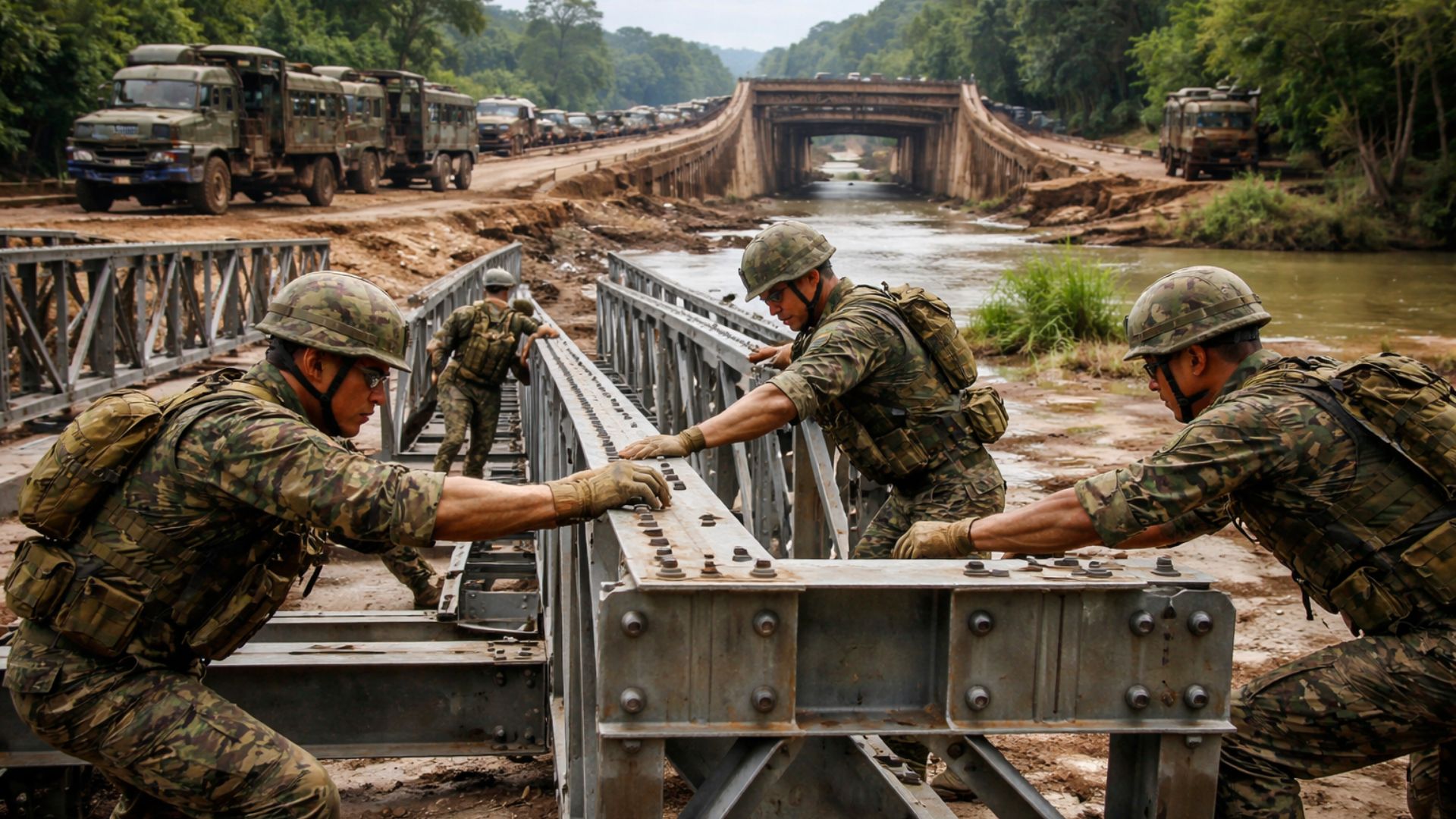
Military mobilization accelerates emergency solution after collapse of strategic bridge in Mato Grosso do Sul, while residents face diversions, improvised crossings, and logistical impacts affecting transport, daily routine, and connection between municipalities dependent on highway MS-080.
The Brazilian Army sent, on Friday, April 3, a new convoy with equipment and materials to accelerate the assembly of the provisional metal bridge over the Rio do Peixe, on MS-080, in Rio Negro, 153 kilometers from Campo Grande.
The structure is expected to restore vehicle crossing on a section that has been closed since February 22, when the concrete bridge collapsed during the passage of a double trailer amid heavy rains.
Army provisional bridge on MS-080
The new shipment is part of the logistical operation of the 9th Combat Engineering Battalion to install a bridge of the LSB type, an acronym in English for Logistic Support Bridge.
-
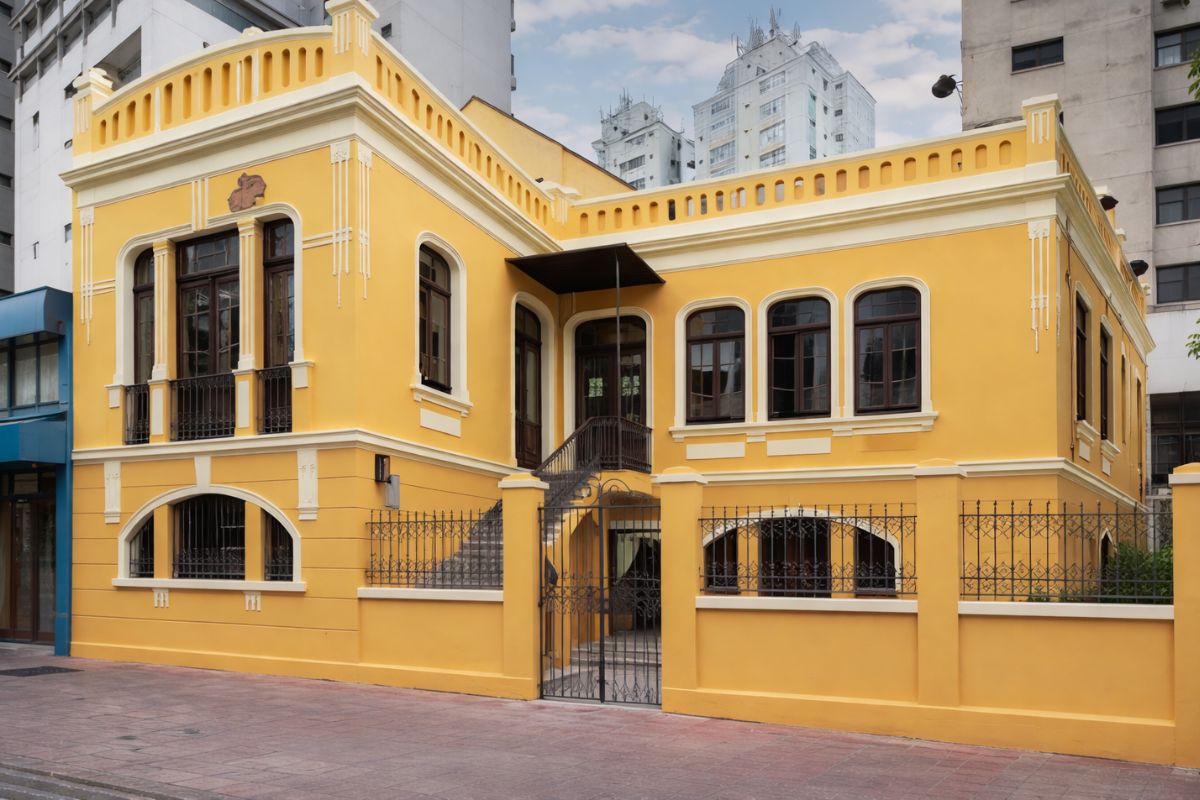
From ruin to digital culture center, the 1920 mansion on Riachuelo Street is now open and has become a showcase of the revitalization of downtown Curitiba, attracting commerce, tourists, and projects.
-
The valley that looks like another planet: fairy chimneys, churches carved into the rock, and underground cities form the labyrinth of Cappadocia in Göreme, where erosion has created a unique landscape since the 4th century AD.

-
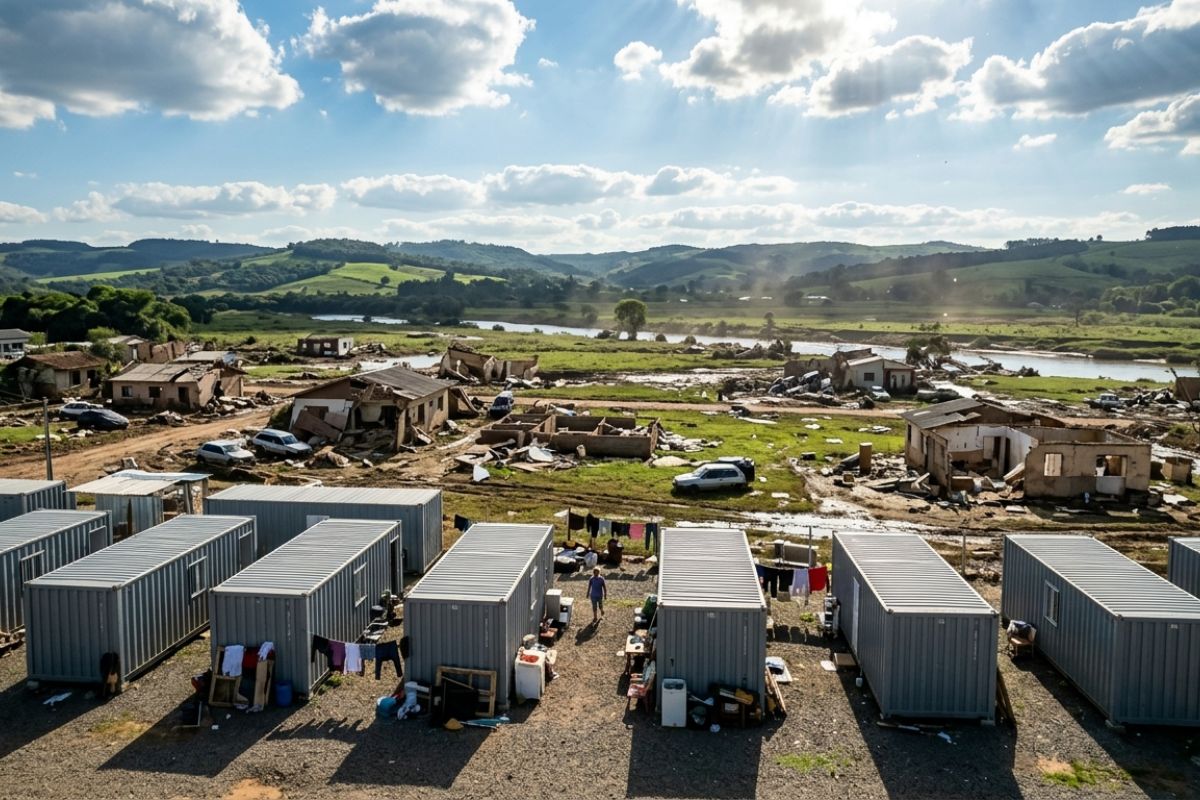
Two years after the floods, Rio Grande do Sul still has ghost villages, uprooted houses, and families in containers with sewage; unfulfilled promises without official response and donations become the last chance to start over.
-
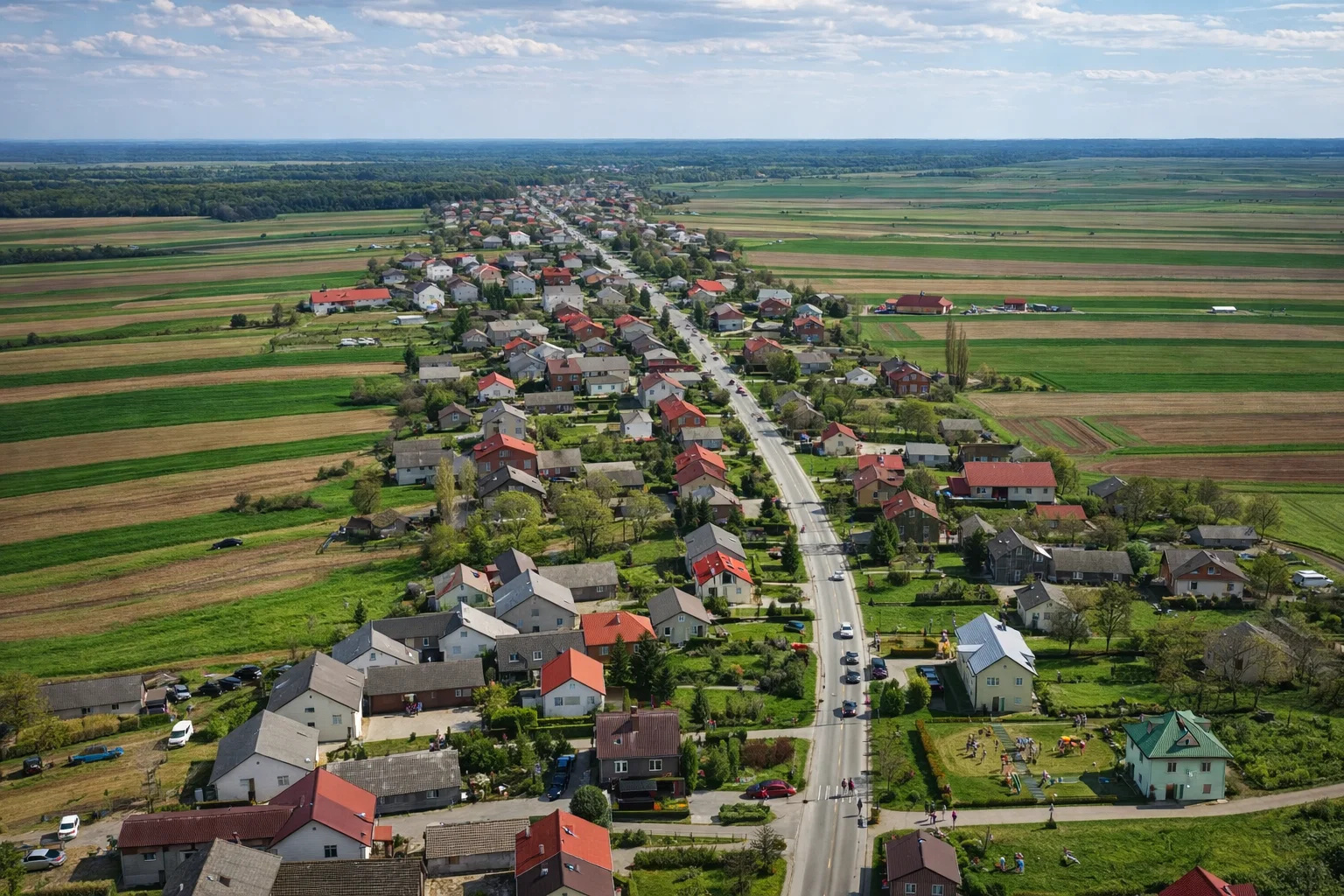
With around 6,000 residents on a single 9 km street, a village in Poland maintains a strong sense of community, cultivates strawberries and potatoes, and becomes the target of a false image created by artificial intelligence.
According to the information released about the action, about 80 soldiers are continuously working on site, with the goal of opening a provisional passage while the state government proceeds with the hiring of the permanent work.
The expected delivery date for the temporary structure is the second half of April, a deadline considered crucial to reduce the impacts on residents, students, transporters, and producers who depend on the highway axis.
Since the collapse of the original crossing, the flow of vehicles has depended on diversions through local roads, which has increased distances, complicated transport, and altered the routine of those crossing the region daily.

Emergency crossing for pedestrians and residents
While the metal bridge is not ready, a floating walkway has already been installed to ensure pedestrian circulation.
The solution primarily serves residents and students who need to cross the river every day, in a scenario where the interruption of the highway has compromised travel between Rio Negro, Rochedo, and Corguinho, exposing the regional dependence on this connection.
In addition to the more immediate human impact, the closure has altered local logistics in one of the relevant stretches of southern Mato Grosso do Sul.
With the collapse of the bridge, road transport has had to face alternative routes in more precarious conditions, which tends to affect travel time, operational costs, and regularity of flow, especially during rainy periods when diversions can become even more vulnerable.
In this context, the action of the battalion based in Aquidauana has taken on an emergency character.
The choice for the metal bridge aims to shorten the interval between the collapse of the old structure and the minimum resumption of traffic, as the definitive reconstruction depends on its own project, execution, and contractual oversight, with a timeline much longer than that required for an immediate response to the interruption of the road.
Understand how the bridge over the Rio do Peixe collapsed
The collapse of the concrete structure occurred on February 22, during the attempt to cross a double trailer in a period of intense rains.
The episode interrupted circulation at the point and began to mobilize, since then, state authorities, control agencies, and Army teams, given the need to reopen a strategic connection between municipalities in the region.
Reports published in the days following the collapse indicated that the situation was not limited to structural damage.
The interruption affected the movement of families, school access, and economic activity in cities that use MS-080 as a corridor to connect with other areas of the State.
Therefore, the provisional solution has come to be treated as an essential step to restore some normality to circulation before the new permanent work.
Still, the metal bridge does not eliminate the need for complete reconstruction of the original crossing.
The provisional structure was designed to maintain flow until the new permanent bridge is ready, which means that the emergency response and long-term response progress in parallel, each with distinct objectives and timelines within the same recovery front of the highway.
Permanent bridge work has already been contracted
The Government of Mato Grosso do Sul formalized the emergency hiring of an engineering company to reconstruct the bridge over the Rio do Peixe.
The contract, signed without a bidding process, was estimated at R$ 13,284,322.52, rounded in public disclosures to R$ 13.2 million, and the established execution period is 360 days.
The emergency hiring is linked to the state emergency decree issued on February 25, 2026, an administrative milestone that provided the basis for adopting faster measures to address the effects of the collapse on MS-080.
With this, the State opened two simultaneous fronts: the installation of the provisional crossing by the military and the permanent reconstruction by a company specifically contracted for this purpose.
This combination of actions seeks to reduce the time of logistical bottleneck in an area that depends on the bridge for daily circulation.
On one hand, the temporary structure addresses the urgency of traffic and local mobility; on the other hand, the definitive work aims to restore stability to the highway with a permanent solution capable of replacing the crossing that collapsed at the end of February.
Until the completion of the new concrete bridge, the official expectation remains focused on the delivery of the metal passage still in the second half of April.
The progress of the Army’s work, combined with the progress of the state’s emergency contract, has become the main indicator for residents and users of MS-080 who are awaiting the normalization of movement over the Rio do Peixe.






Seja o primeiro a reagir!