





 Portuguese
  English
  Spanish
  6 min of reading
  0 comments


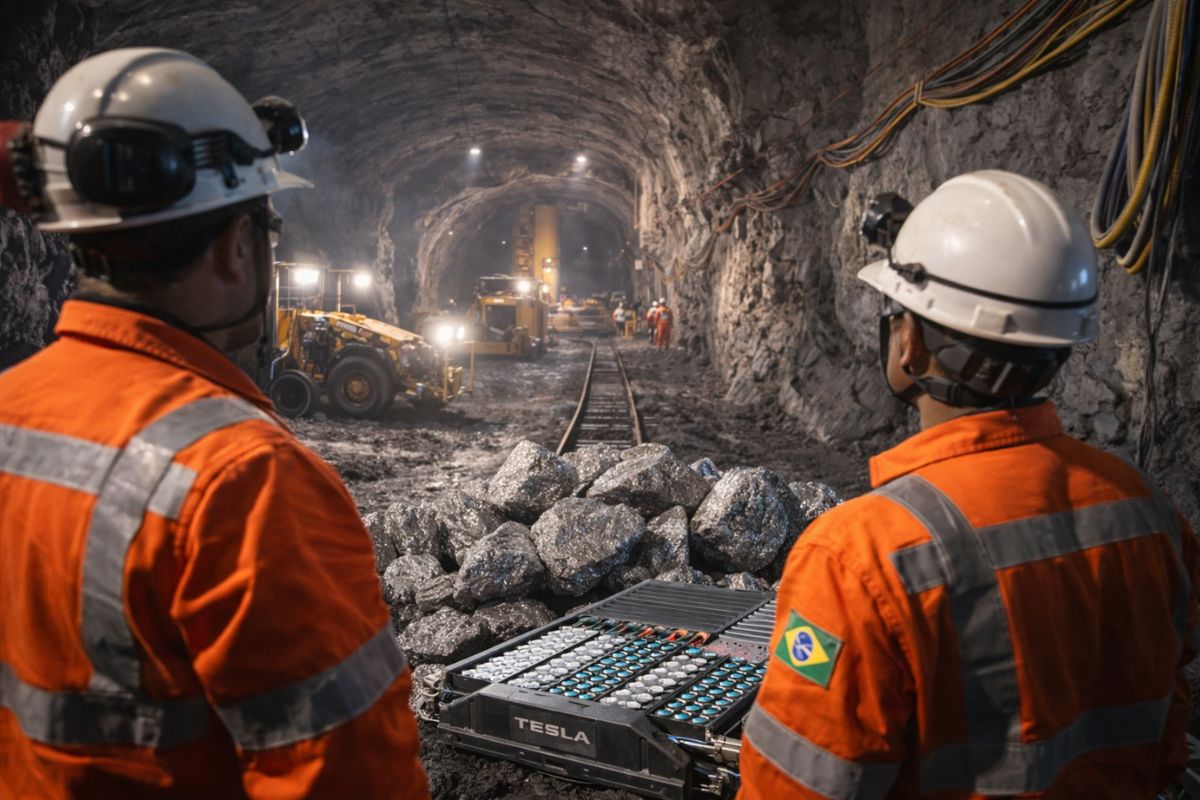
Bahia has begun constructing the largest underground nickel mine in Latin America with the opening of the South Portal of the Santa Rita Mine in the southern part of the state, in a project that will extend the operational lifespan by another 30 years and positions Brazil at the center of the global competition for critical minerals used in electric vehicle batteries and energy transition technologies.
Bahia has just entered the center of one of the fiercest disputes in the global economy. The construction of the largest underground nickel mine in Latin America began this week with the opening of the South Portal of the Santa Rita Mine in the southern part of the state. The project is developed by Appian Capital Brazil and Atlantic Nickel, in partnership with the Bahia Mineral Research Company (CBPM). The nickel extracted there is the same mineral that the entire world is currently competing for to manufacture electric car batteries, energy storage systems, and other technologies related to energy transition.
The moment is strategic. The open-pit operation of the Santa Rita Mine was nearing the exhaustion of its reserves, which put thousands of direct jobs and the entire production chain that depends on mining in the region at risk. With the new underground phase, this scenario is reversed: the project is expected to increase production and extend the mine’s lifespan for at least another 30 years. Bahia not only preserves an existing operation but transforms it into the largest underground nickel mine on the continent, firmly entering the race for critical minerals.
Why nickel has become one of the most contested minerals on the planet

Nickel is not a new mineral, but its role in the global economy has changed radically in recent years. It is considered strategic for the energy transition because it is an essential component in the manufacture of high-density batteries, the same ones that power electric vehicles, grid storage systems, and clean energy devices.
-
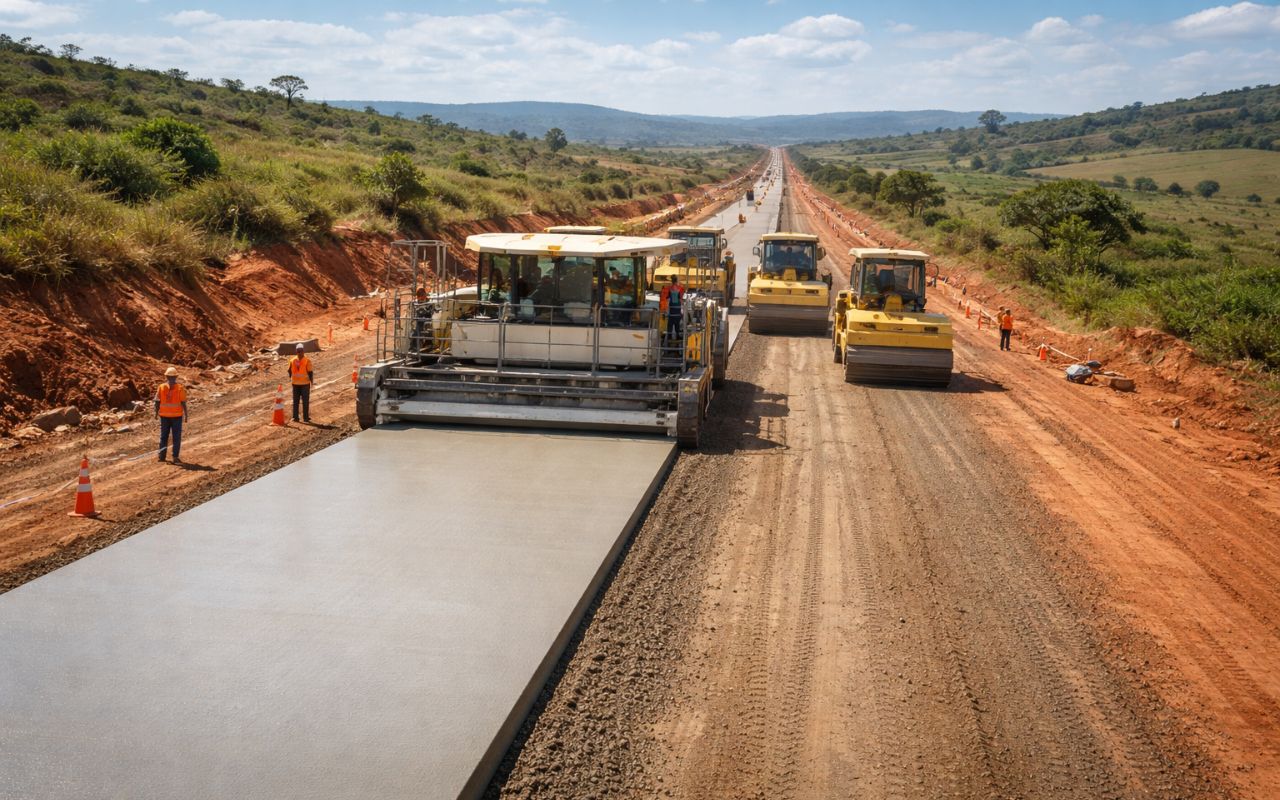
New CCR concrete paving technology promises roads up to 3x more durable, less maintenance, and cost reduction in Brazil.
-
Made from recycled plastic, plastic wood is gaining space in the construction industry because it does not rot, resists moisture, and reduces maintenance costs over the years.

-
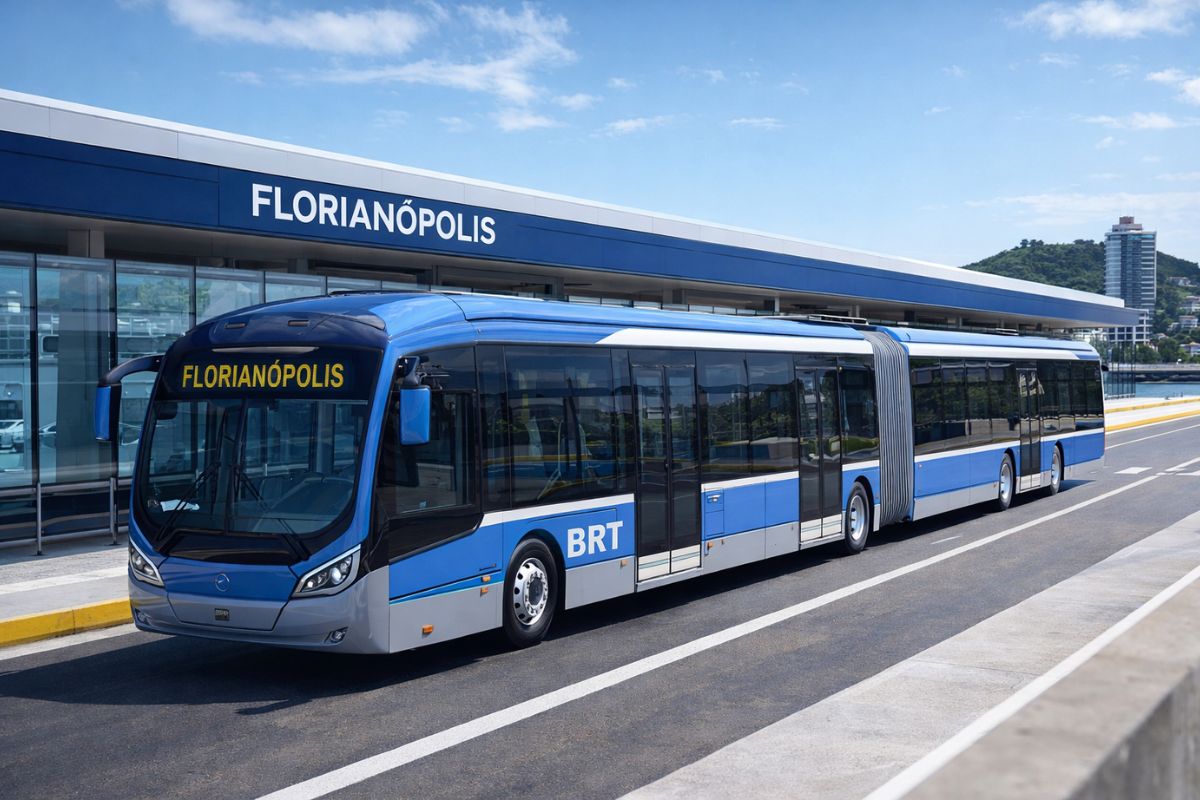
Florianópolis will receive a million-dollar BRT that will begin construction in 2026 with nearly 400 million in funding from the federal government and the Inter-American Development Bank, and the map already shows the routes for the exclusive bus corridors.
-
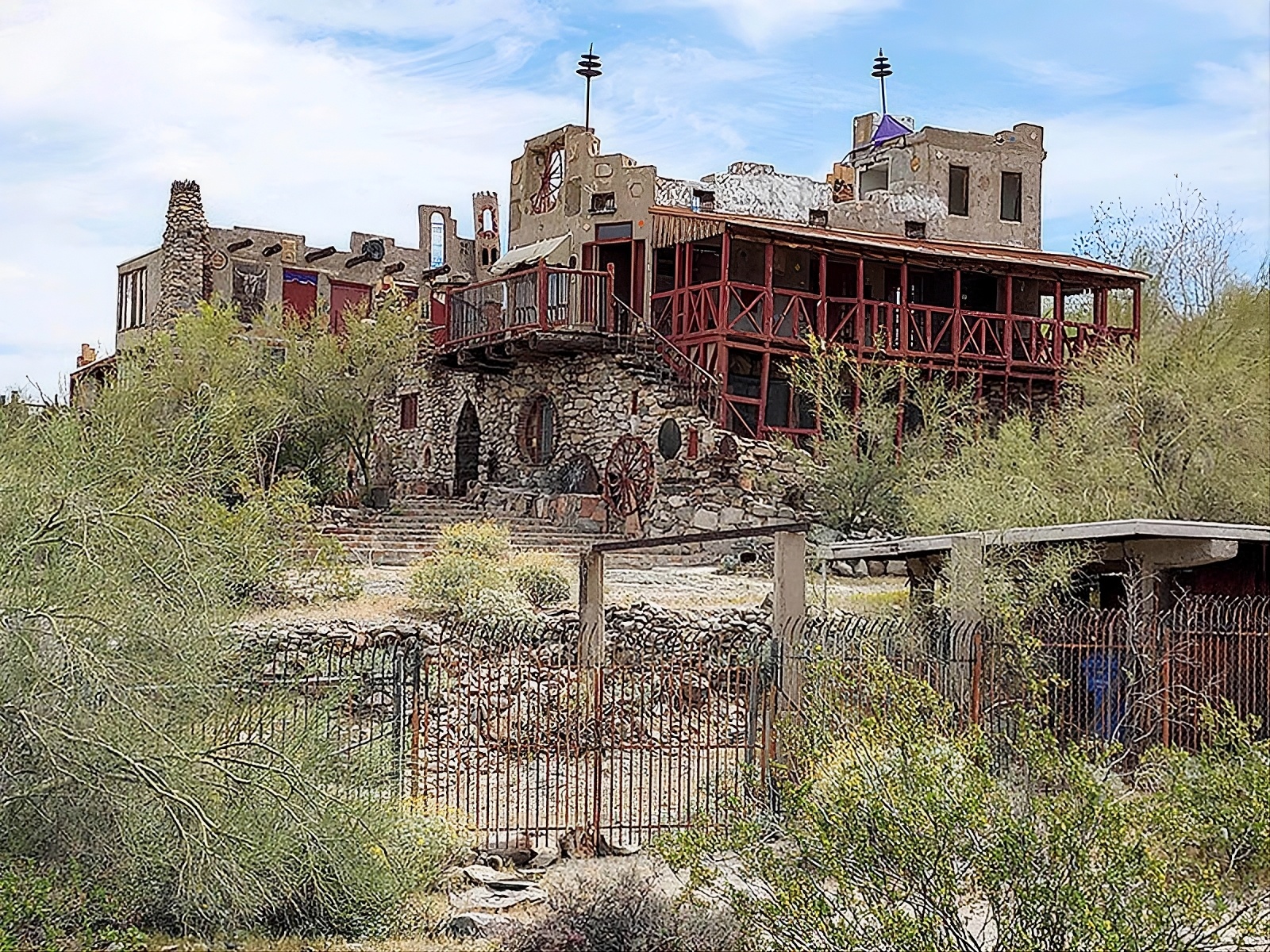
Without a blueprint, without an engineer, and using scrap from the dump, a father spends 15 years building an 18-room castle for his daughter, featuring tram tracks, 13 fireplaces, and over 700 m², which may now be demolished.

Without quality nickel, the electric car revolution simply does not happen at the necessary pace.
Demand has exploded. Automakers like Tesla, BYD, and Volkswagen are competing for long-term supply contracts with mining companies, and governments of producing countries like Indonesia, the Philippines, and Australia have begun to treat nickel as a national security asset.
In this context, Brazil having the largest underground nickel mine in Latin America operating in Bahia places the country in a privileged position within a production chain that is only expected to grow.
Nickel is also classified as a critical mineral by governments and international organizations. The European Union and the United States have included the metal in their lists of essential critical minerals, recognizing that dependence on a few suppliers creates geopolitical vulnerabilities.
The Santa Rita Mine in Bahia offers the global market a reliable and diversified source at a time when diversification is synonymous with security.
What is the Santa Rita Mine and why was it nearly closed
The Santa Rita Mine was already operating as an open-pit mine in southern Bahia, extracting nickel for the international market. But every open-pit mine has a limit: when the reserves accessible from the surface are exhausted, the operation needs to change or cease.
Santa Rita was exactly at that point—the surface reserves were nearing exhaustion, and the closure of the mining operation would put not only direct jobs at risk but the entire local economy that revolves around mining.
The solution came with the decision to transform the operation into an underground mine. The opening of the South Portal, marked by a rock dismantling, is the first physical step of this transition. The project developed by Appian Capital Brazil and Atlantic Nickel, in partnership with CBPM, will access nickel reserves that lie below what the open-pit mine could reach, ensuring operational continuity for at least three decades.
According to Henrique Carballal, president of CBPM, there was direct action from the state government to enable the new phase.
“Nickel production in the state was heading towards exhaustion with the end of open-pit mining, and there was firm action from Governor Jerônimo Rodrigues, through CBPM, to ensure the continuity of the operation,” he stated. The priority, according to him, was to protect jobs and ensure opportunities within a sustainable mining model.
The largest underground nickel mine in Latin America in numbers
The scale of the project is what justifies the title of the largest underground nickel mine in Latin America. The underground operation will access deep reserves that extend the lifespan of the Santa Rita Mine for at least 30 years, a horizon that provides stability for both investors and the community that depends on the activity.
The opening ceremony of the South Portal was attended by representatives from CBPM, including president Henrique Carballal, vice president Carlos Borel, administrative director Luís Otávio Borges, and managers from the geology and administration areas.
The institutional presence reinforces that the project is not just a private initiative; it is an operation backed by and of direct interest to the state public power.
Milson Mundim, country manager of Appian Capital Brazil, highlighted the partnership with CBPM as a strategic factor. “This collaboration contributes to the development of the project in Bahia, aligning responsible mining with environmental preservation,” he declared.
The project incorporates rigorous safety protocols and practices aligned with international sustainability standards, conditions increasingly demanded by the market for critical minerals.
How Bahia positions itself in the global race for critical minerals
The opening of the largest underground nickel mine in Latin America is not an isolated event. It places Bahia on a geopolitical map involving the world’s largest economies.
China, the United States, the European Union, and Japan are engaged in an intense competition for access to critical minerals such as nickel, lithium, cobalt, and rare earths all essential for the manufacture of batteries and clean energy technologies.
Brazil already has significant reserves of several of these minerals, but historically has exported raw materials without capturing the added value of downstream industrial chains.
The Santa Rita Mine has the potential to change this logic: by increasing nickel production with internationally recognized sustainability standards, Bahia can attract investments in processing and industrialization of the mineral within the state itself.
Carballal, from CBPM, summarized the ambition by stating that the venture “positions Bahia at the center of global discussions about critical minerals and energy transition.”
It is not an exaggeration: with the largest underground nickel mine in Latin America operating in the southern part of the state, Bahia now has a voice in conversations that previously occurred only among Indonesia, Australia, Canada, and Russia.
The impact on those living around the Santa Rita Mine
In addition to its geopolitical relevance, the project has a direct and immediate impact on the lives of thousands of people. Mining is the main economic activity in several municipalities in southern Bahia, and the possible closure of the open-pit mine threatened to create a regional socioeconomic crisis.
With the new underground phase, direct and indirect jobs are guaranteed for at least another 30 years a horizon that allows for long-term planning for families and local businesses.
CBPM highlighted that the initiative boosts the socioeconomic development of Bahia with job creation, revitalization of the local economy, and strengthening of social responsibility policies. Suppliers in the production chain—logistics, food, equipment, and technical services companies—also gain predictability. When a mine has a lifespan of 30 years, the entire network of businesses around it can invest and grow safely.
The challenge now is to ensure that the underground operation develops within the promised standards. Underground mines are more complex and require stricter safety controls than open-pit operations.
Appian Capital Brazil and Atlantic Nickel claim that the project follows international protocols, but constant oversight will be essential for the largest underground nickel mine in Latin America to deliver not only production but also safety for those who work within it.
With information from the portal Minera Brasil.
What do you think: is Bahia on the right track by investing in nickel mining for batteries, or should Brazil go further and industrialize the mineral within the state? Leave your opinion in the comments; the debate about critical minerals and the country’s energy future needs your participation.






Seja o primeiro a reagir!