





 English
  Francês
  Alemão
  Italiano
  Japonês
  Norueguês
  Portuguese
  Spanish
  3 min of reading
  0 comments


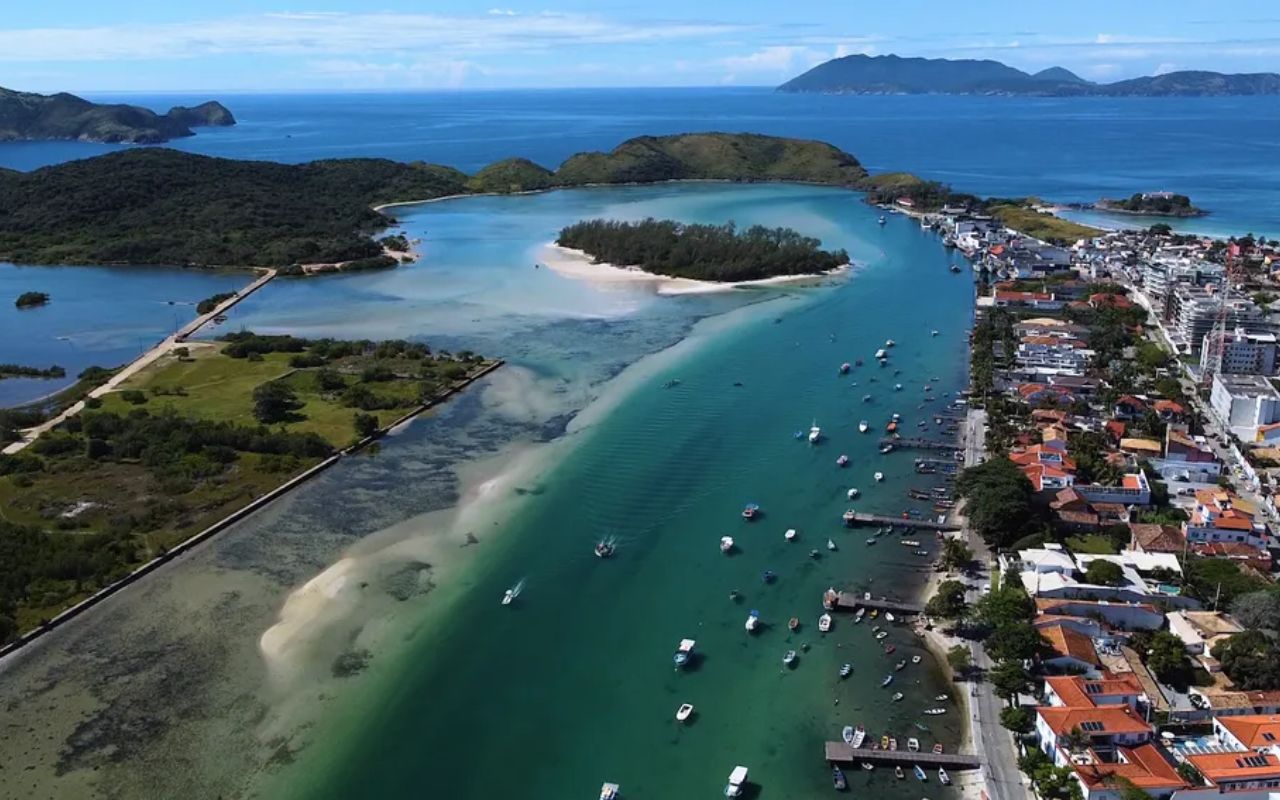
The natural phenomenon that concentrates salt above normal: Lagoa de Araruama, in Rio de Janeiro, is the saltiest in Brazil.
With salt levels that can exceed those of the ocean, Lagoa de Araruama, located in Rio de Janeiro, is considered the saltiest lagoon in Brazil. The phenomenon occurs due to the combination of dry climate, intense evaporation, and a controlled connection with the sea.
Situated in the Lakes Region, the lagoon also encompasses a large territorial extension and environmental relevance, making it one of the country’s most curious natural settings.
Learn all about Lagoa de Araruama, the saltiest lagoon in Brazil
What really differentiates the saltiest lagoon in Brazil is the high level of salt present in its waters.
-
Seen from space, a colossal ‘Y’ cuts through the largest desert in China, blending a jade-filled river, red and white mountains, and revealing the absurd scale of the transformation of the Taklamakan surrounded by a green wall with billions of trees.

-
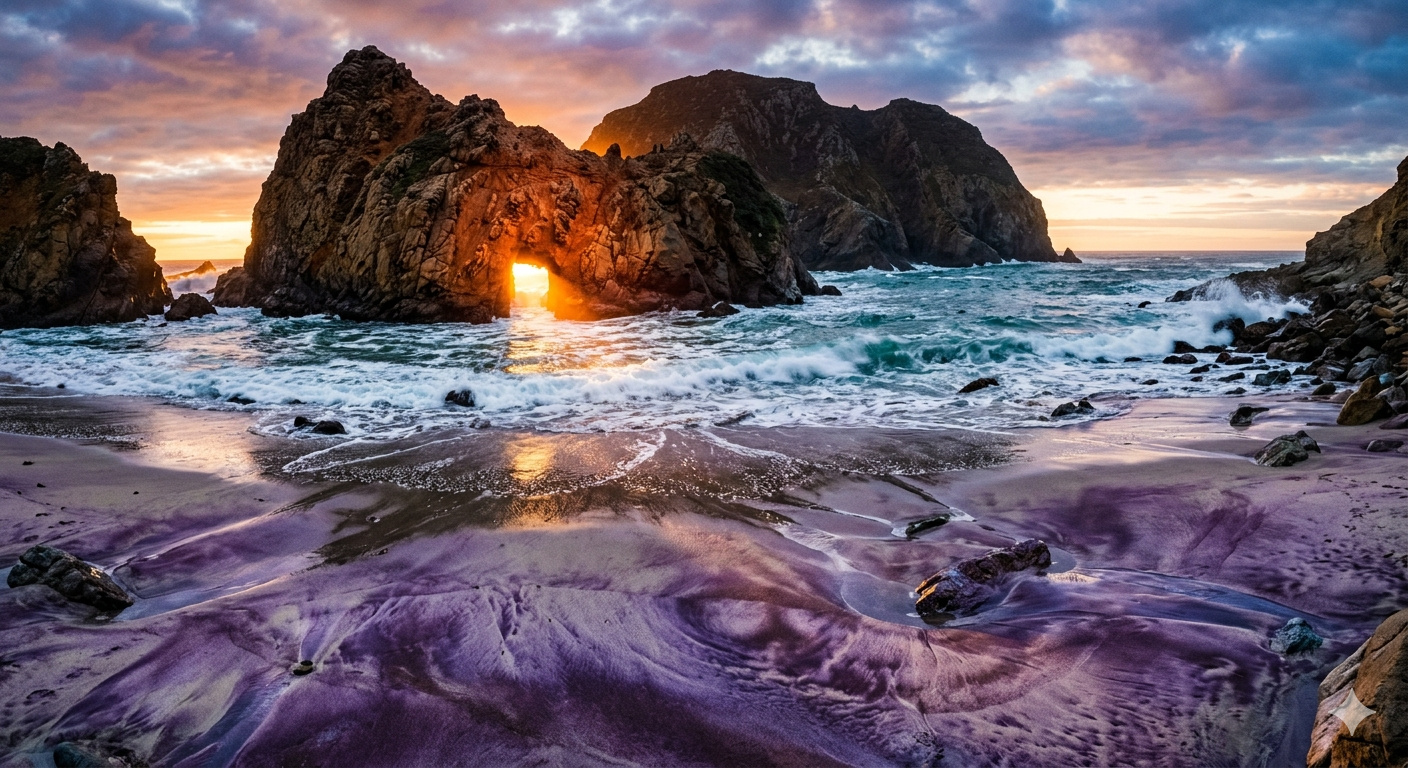
The Pacific Ocean reveals what the cliffs of Big Sur have hidden for millennia: Pfeiffer Beach, in California, features swirling purple sand formed by garnet crystals and displays a stone arch that is illuminated by the sun in winter for just a few days each year.
-
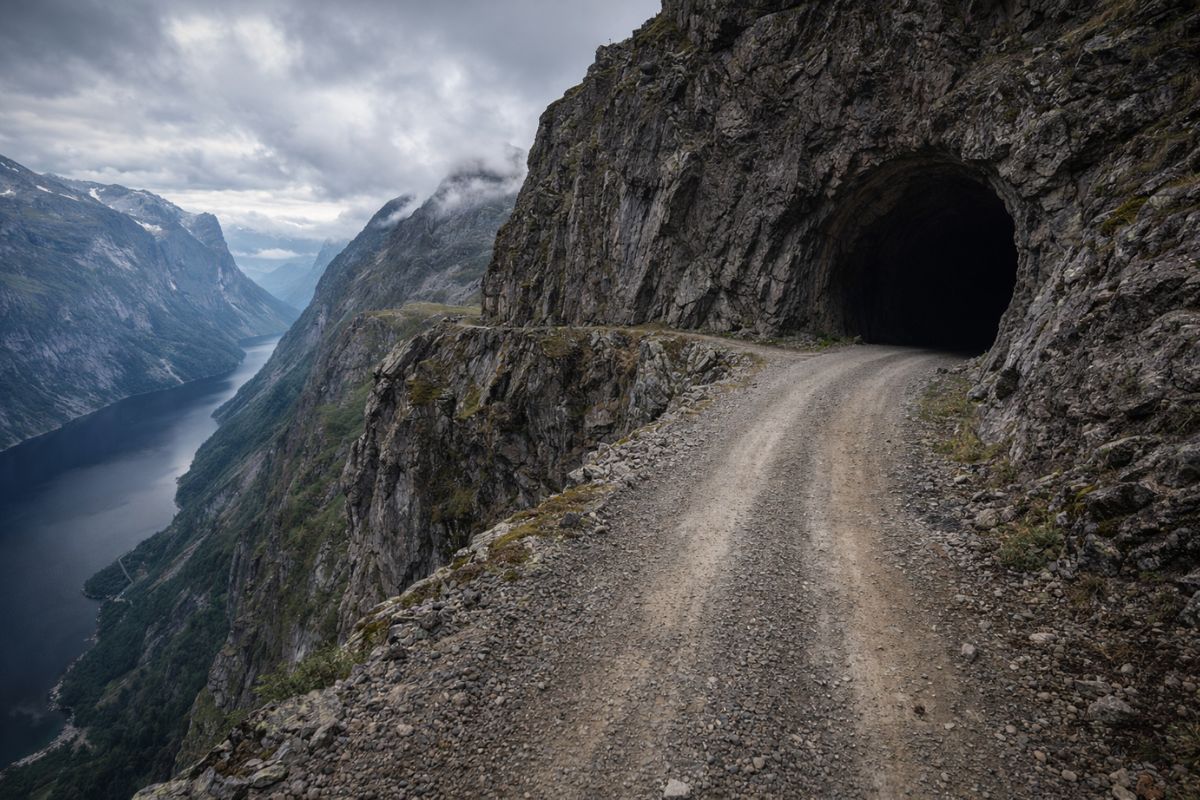
Aursjøvegen in Norway is a 100-kilometer gravel road that crosses chasms and dark tunnels carved into the rock at an altitude of 947 meters in the fjords and is only open for four months a year.
-
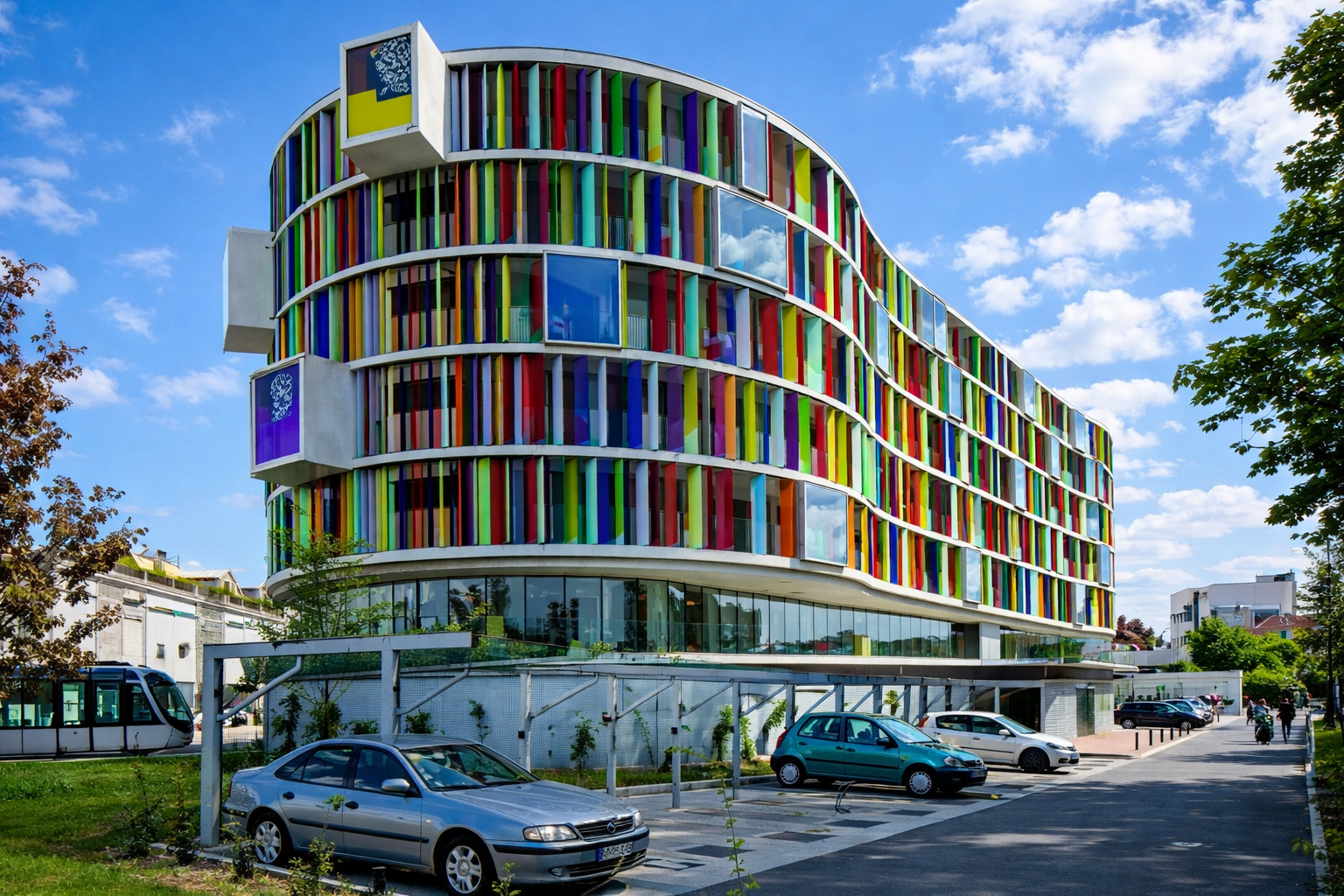
With about 4,000 m², the building constructed in a traditional neighborhood in France looks like a rainbow, has a colorful facade, mixes vibrant glass, and creates one of the most unusual visuals in Bordeaux.

While the average of the Atlantic Ocean hovers around 35‰, in Lagoa de Araruama these levels can reach up to 65‰.
This scenario occurs because the amount of salty water entering is greater than the amount that can exit.
At the same time, the heat and low incidence of rainfall intensify evaporation, further concentrating the mineral salts.
As a result, an environment with denser water and distinct characteristics from other Brazilian lagoons is formed.
Connection with the sea explains the hypersaline water
An important detail helps to understand this phenomenon: Araruama is not a common lagoon. In fact, it is a lagoon because it maintains a connection with the Atlantic Ocean.
This connection occurs through the Itajurú Canal, in Cabo Frio. The Restinga de Massambaba acts as a natural barrier.
Therefore, this system regulates the entry of seawater and directly influences salinity.
Semi-arid climate intensifies
Another essential factor lies in the region’s climate. The area around Lagoa de Araruama exhibits semi-arid characteristics, with low rainfall.
This condition reduces the dilution of water and favors evaporation. Additionally, the presence of adapted vegetation, such as cacti, reinforces this scenario.
Thus, the climate directly contributes to keeping the lagoon as the saltiest lagoon in Brazil.
Saltiest lagoon in Brazil impresses with its size
The grandeur of the lagoon is as impressive as its salinity. With approximately 220 km² in area, it ranks among the largest hypersaline lagoons on the planet.
Moreover, the water volume is equally significant, reaching about 630 million cubic meters.
Thus, Lagoa de Araruama stands out not only for its high salt concentration but also for its impressive size.
Environmental importance
Even with a high salt concentration, Lagoa de Araruama integrates an estuarine system. This means there is a mixture of freshwater with saltwater.
This process allows for the existence of adapted species and contributes to ecological balance. Furthermore, the environment plays an important role in regional biodiversity.
Therefore, the lagoon goes beyond the landscape and becomes an essential element for the ecosystem.
Tourism
In recent years, the saltiest lagoon in Brazil has gained traction in tourism. Even close to famous destinations like Arraial do Cabo, it still offers a more tranquil environment.
Along the shores, there are piers, contemplation areas, and ideal spots for photos. Additionally, local initiatives encourage the preservation of the site.
Meanwhile, the unique scenery attracts visitors seeking out-of-the-ordinary experiences.
Saltiest lagoon in Brazil is one of the most curious phenomena in the country
Lagoa de Araruama gathers rare characteristics: high salinity, large area, and specific natural conditions.
Thus, the location continues to gain visibility and solidify as one of the most impressive natural settings in Brazil.
With information from O Diário da Região








Seja o primeiro a reagir!