





 Portuguese
  English
  Spanish
  5 min of reading
  0 comments


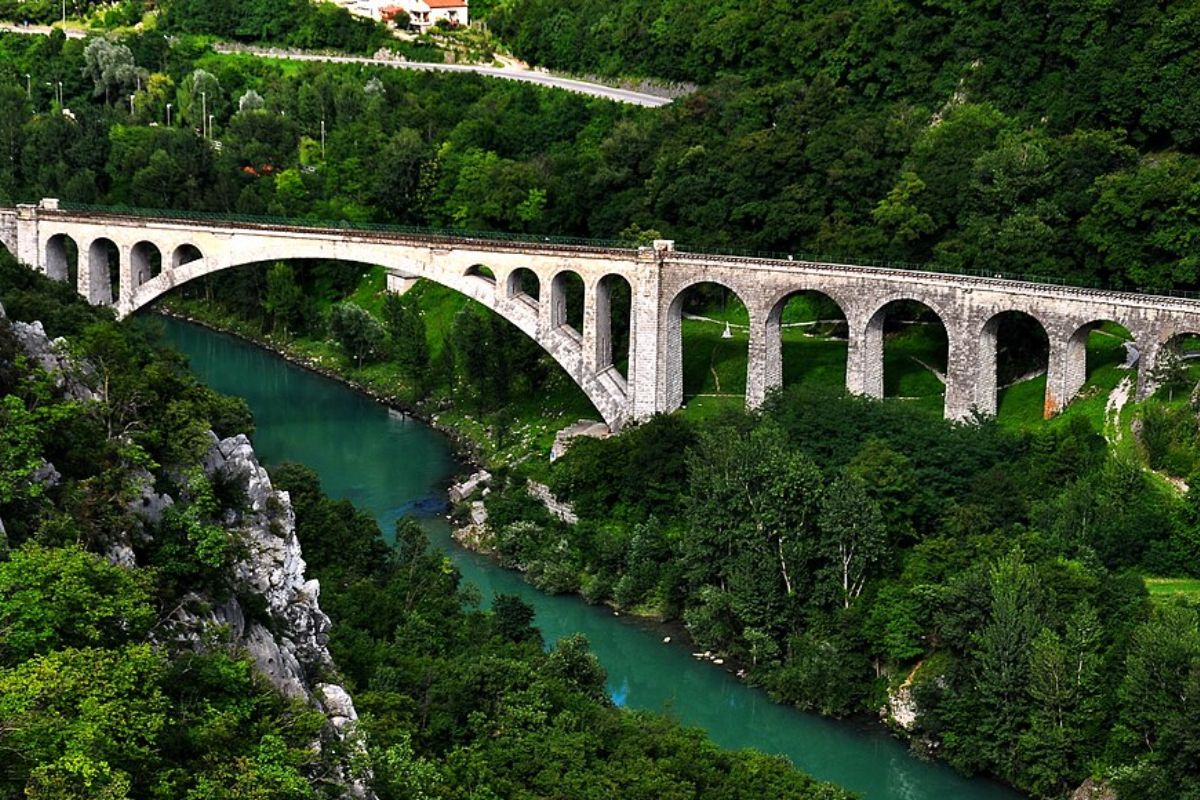
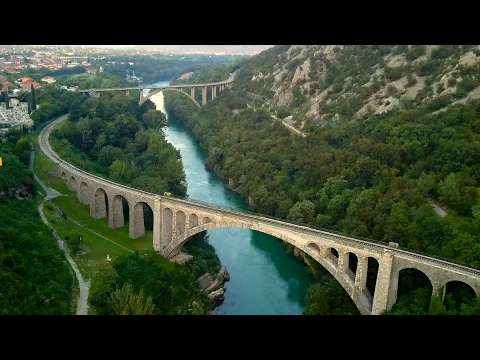
Built between 1900 and 1906, the Solkan Bridge has an 85-meter stone railway arch, was destroyed in the war, rebuilt in 1927, and is still in operation near Nova Gorica.
The stone railway arch of the Solkan Bridge in Slovenia is considered the largest in the world of this type of construction and transformed a crossing over the Soča River into a landmark of engineering and history. Even with over 100 years, the structure remains useful and active, attracting the attention of those traveling through Central Europe by train.
In addition to its technical dimension, the bridge carries a rare narrative: it was built in the early 20th century, had its main arch destroyed in a wartime context, and was later rebuilt to resume operation, still maintaining the iconic image of the stone arch over the emerald waters of the Soča.
Where the Solkan Bridge is located and why it draws so much attention
The Solkan Bridge is located in Slovenia, near the border with Italy and the city of Nova Gorica. It crosses the Soča River and stands out not only for its landscape but for its central element: the stone railway arch, considered the largest in the world in this format.
-
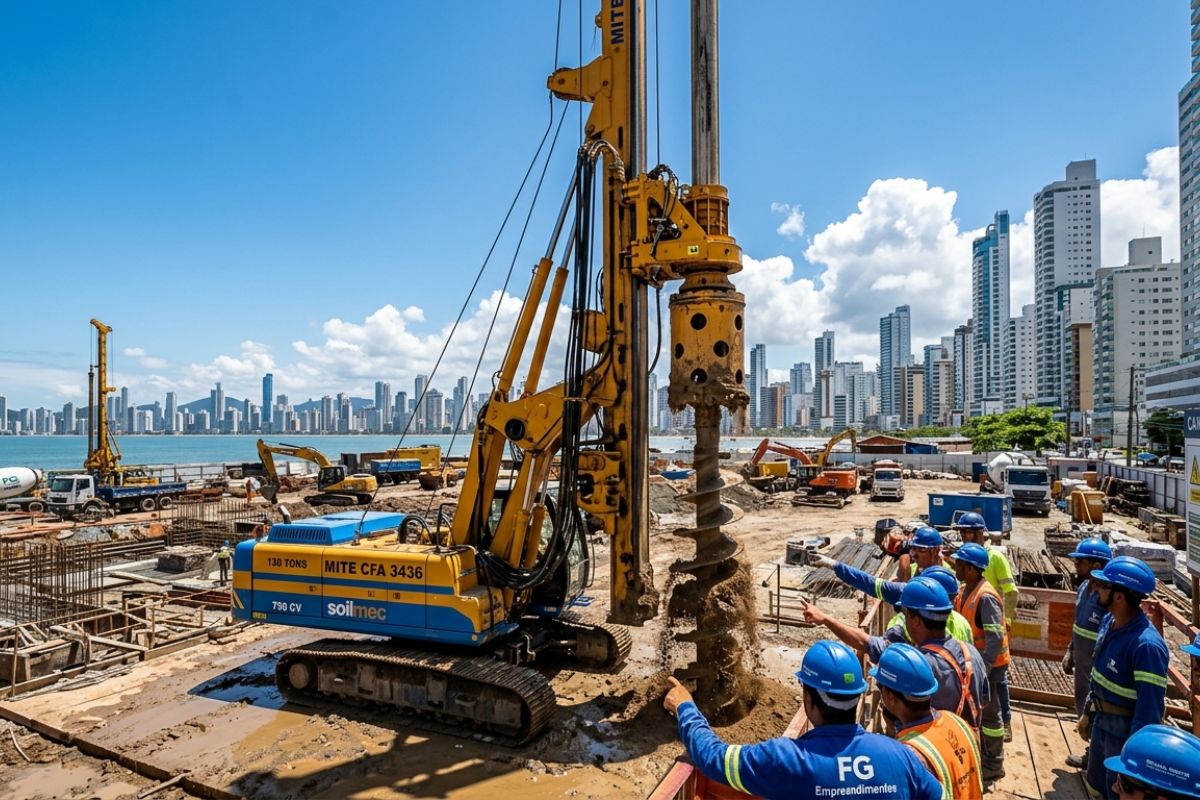
Italian giant of 130 tons arrives at the Senna Tower construction site and accelerates foundations: Mite CFA 3436 drills up to 50 m, 750 hp engine, investment of R$ 20 million, unique in Latin America.
-
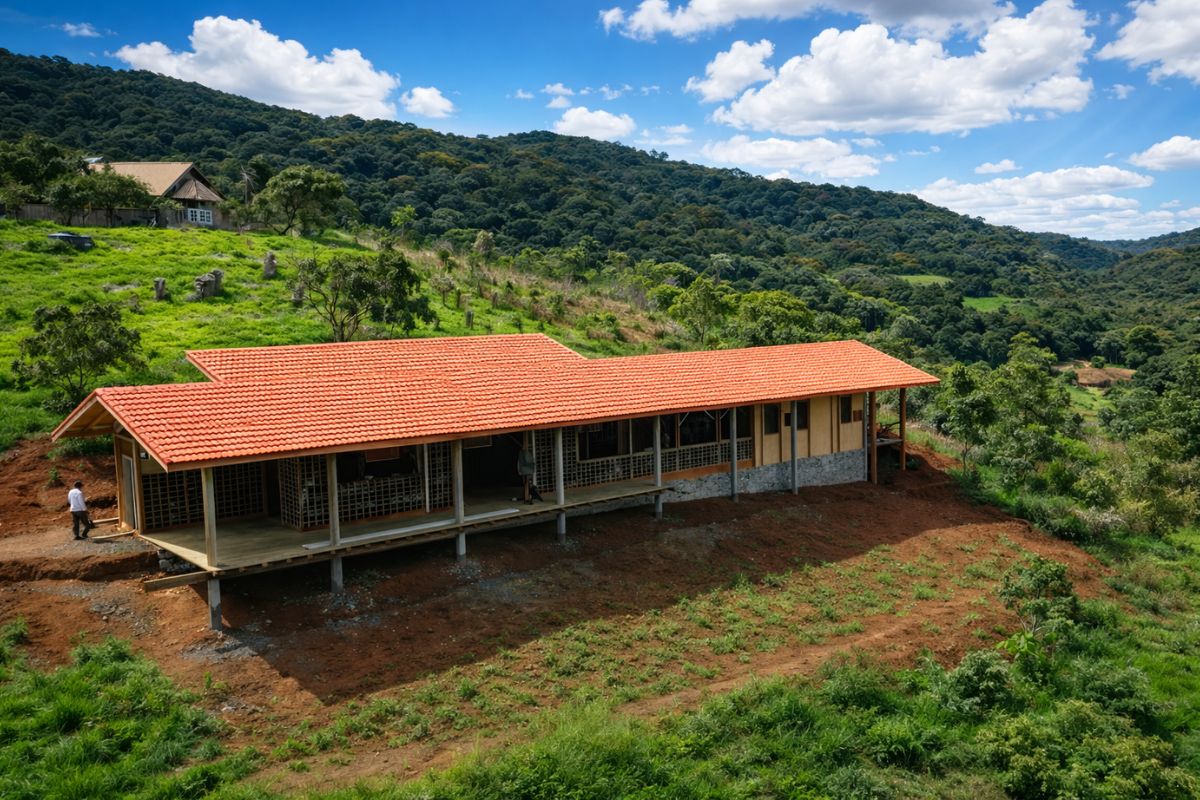
The adobe house in Monteiro Lobato takes shape with bamboo and clay from the land, a stone foundation, and a roof for the wind; cracks are normal, and finishing with lime turns it into a “common house.”
-
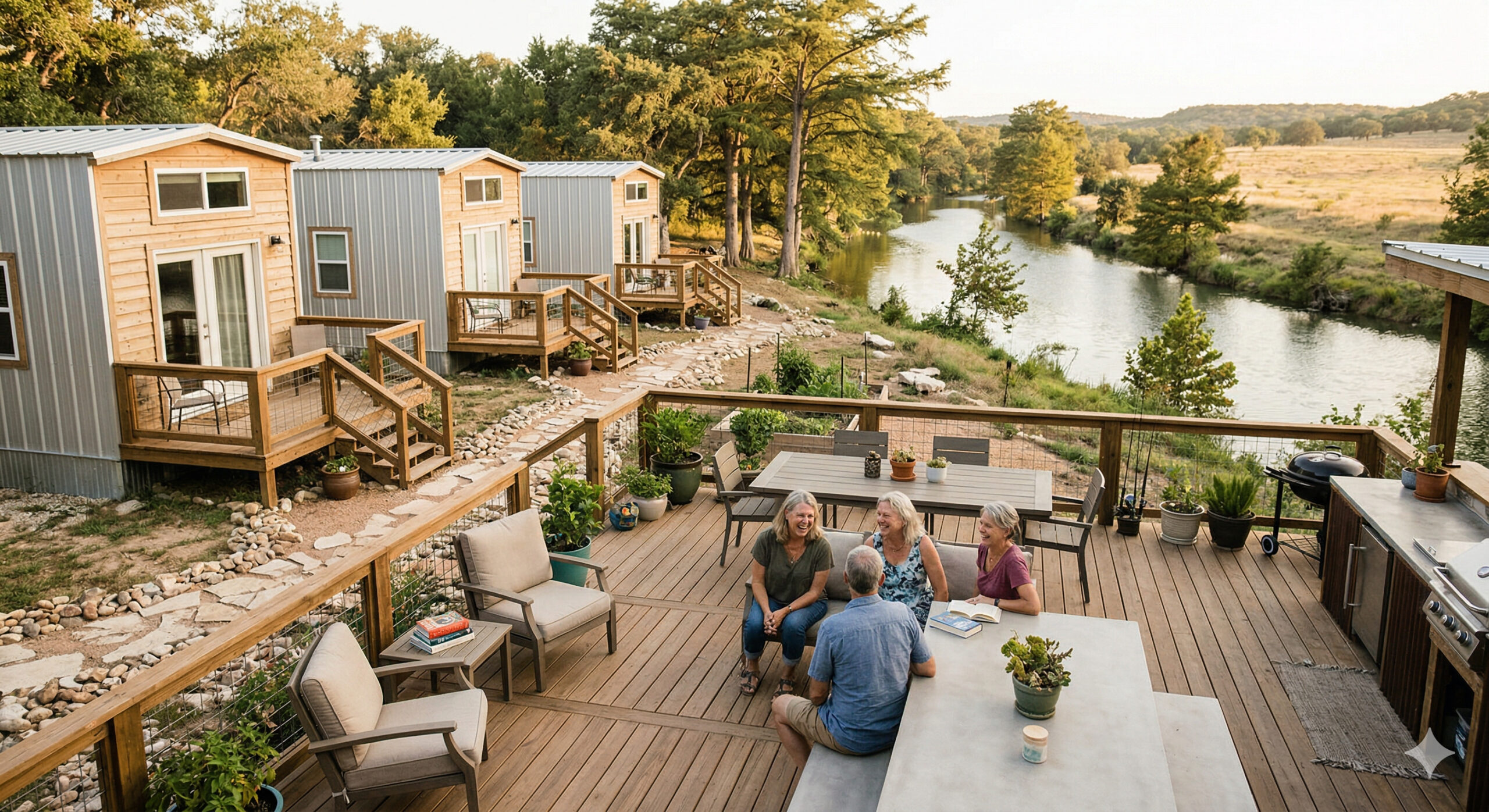
Four friends with over 30 years of friendship built a “mini village” by the banks of a river in Texas to grow old together, with houses of just 32 m² and a shared common space. The Bestie Row project has become a model of alternative living that is starting to spread around the world.
-
The ancient Japanese capital, planned over 1,200 years ago, still withstands earthquakes with colossal wooden temples and palaces, built without concrete or modern steel, by masters who created engineering capable of enduring centuries.

The site has become a kind of railway postcard for the country, combining daring engineering, striking natural scenery, and a historical trajectory that spans the 20th century.
The stone railway arch that became a world reference
The most talked-about feature of the bridge is its large arch. The viaduct is about 220 meters long with a central arch of 85 meters, built with thousands of limestone blocks from the region.
For its time, the work impresses for being executed with limited mechanical resources and in a challenging environment, with frequent floods of the Soča River. The result is a stone railway arch that combines structural precision and a strong visual presence, even from a distance.
How the bridge was built and which line it integrated
The bridge was built between 1900 and 1906 and was part of the old Jesenice–Trieste line, called the “new alpine road.” This route connected the interior of the former Austro-Hungarian Empire to the port of Trieste, giving the work a strategic dimension.
In this context, the stone railway arch is not just an architectural feat: it was a functional piece of an important connection for circulation and logistics of the time.
Destruction in war and reconstruction to continue operating
The history of the bridge is directly connected to the conflicts of the 20th century. In 1916, during World War I, Austro-Hungarian troops destroyed the main arch to slow the enemy’s advance, temporarily interrupting rail traffic on the Soča Valley route.
The reconstruction, completed in 1927, reinforced the pillars and added smaller lateral arches, increasing stability. This rebirth helps explain why the stone railway arch remains standing and useful, even after episodes of destruction.
Historical monument and symbol of adaptation

Since the 1980s, the bridge has been well protected in Slovenia and recognized as a historical monument. The structure symbolizes, at the same time, destruction, reconstruction, and adaptation, reinforcing its value beyond railway use.
This recognition also helps keep the bridge preserved and valued as heritage, with the stone railway arch at the center of this identity.
Why tourists seek the Solkan Bridge so much
In recent years, the bridge has gained tourist prominence for the view of the stone arch over the emerald waters of the Soča River.
The contrast between the stone railway arch and the wooded valley has become a recurring image in travelers’ records and in campaigns related to the country.
The viaduct remains in operation and is part of a scenic route with historic trains, tunnels, and mountain views, making the experience even more complete for those who enjoy railways and landscapes.
Practical information to plan the visit
To organize the itinerary in the Nova Gorica region and the Soča Valley, the text provides some useful reference points:
Location: just over 100 km west of Ljubljana
How to get there: railway connection, regional roads, and bike paths
Tourist profile: lovers of history, photography, railways, and nature
Visitors often look for photography angles where the stone railway arch stands out over the river, especially at observation points and viewpoints.
The nature of the Soča River and what exists in the surroundings
The surroundings enhance the tourist appeal, set in a country described as rich in freshwater, rivers, lakes, and high-quality waterfalls. The Soča River is known for its clear waters, trails, adventure sports, and observation of typical alpine valley fauna and flora.
The text also mentions the presence of tens of thousands of species, thousands of karst caves, and Triglav National Park, which holds the highest point in the country.
In this setting, the bridge serves as a symbolic gateway to understand how Slovenia combines infrastructure, preservation, and tourism.
How to make the most of the experience in the Soča Valley
Visiting the bridge tends to be more interesting when combined with other attractions in the Soča Valley and surroundings. You can combine viewpoints, trails, and railway rides that enhance both the landscape and history.
Among the most common activities are hikes to observation points, trails along the river, and extensions of the itinerary to national parks and caves, turning the stone railway arch into part of a larger tour, and not an isolated point.
Would you have the courage to cross a stone railway arch over 100 years old by train, or would you prefer to just see the bridge from afar to photograph it?







Seja o primeiro a reagir!