





 Portuguese
  English
  Spanish
  4 min of reading
  0 comments


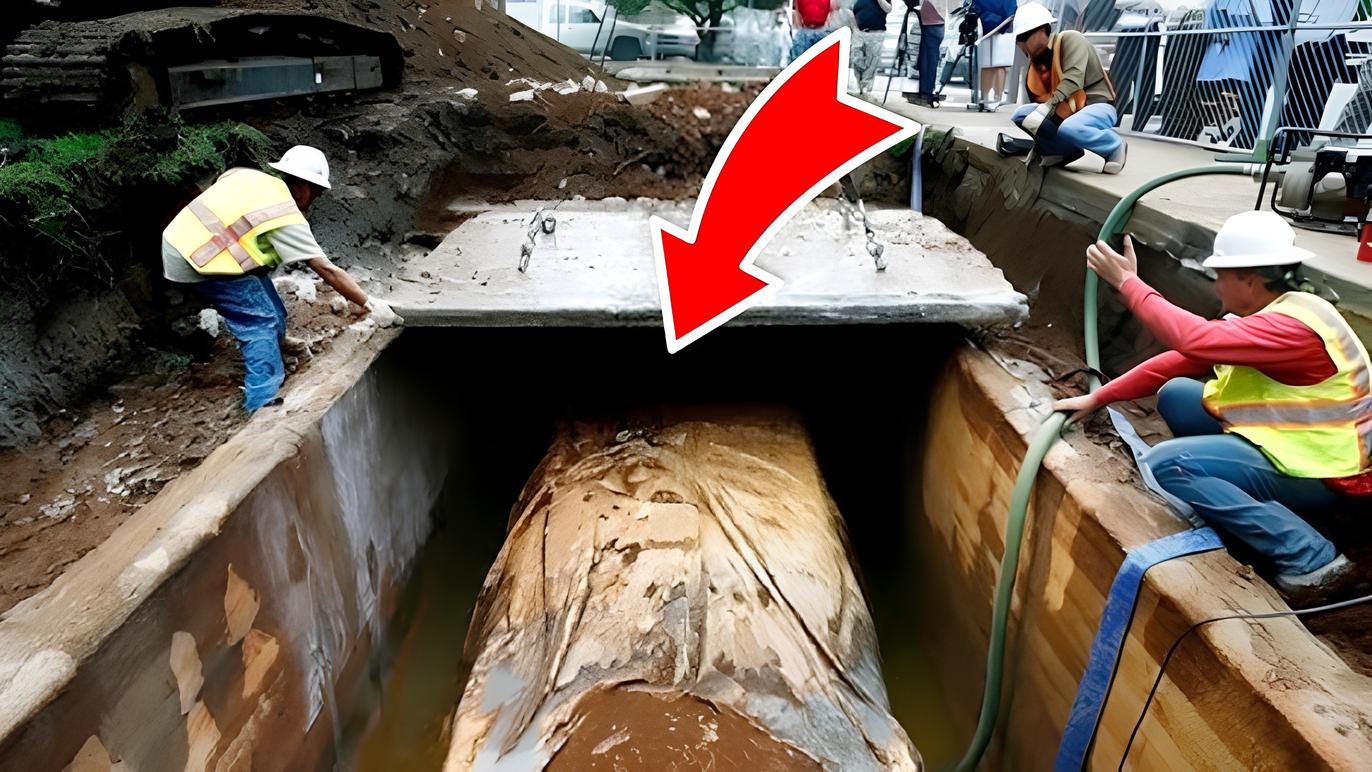
In Tulsa, USA, a Plymouth Belvedere Was Buried for 50 Years as a Time Capsule and Became a Museum Piece After Being Found Corroded.
In 1957, the city of Tulsa, Oklahoma (USA), decided to create an unusual time capsule to celebrate the state’s centenary. Instead of burying just documents or small objects, the organizers chose a brand new car as a symbol of the era’s modernity: a zero-mile Plymouth Belvedere. The vehicle was placed inside an underground reinforced concrete chamber, built in the local courthouse gardens.
The promise was clear: 50 years later, in 2007, the car would be unearthed and revealed to the public as a gift to future generations, showing what it meant to have a modern automobile in the mid-20th century.
A Symbol of Confidence in the Future
In the 1950s, the automobile was one of the greatest symbols of the American dream. The chosen Belvedere represented status, bold design, and the strength of the automotive industry in the USA. The capsule was designed to withstand everything — including a potential nuclear attack, a real concern during the Cold War.
-
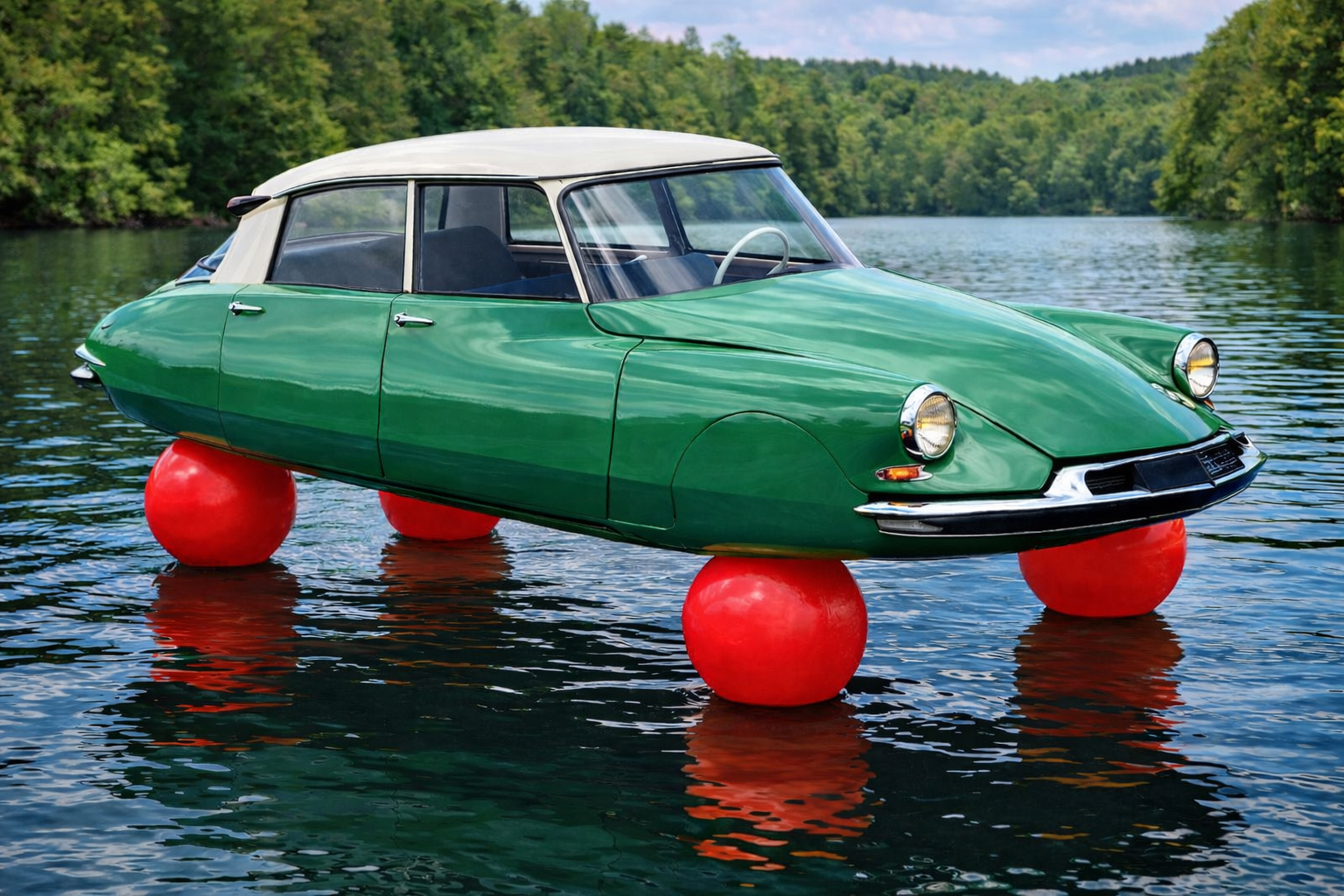
A French brand placed a car on four huge red balloons to prove that its suspension made the vehicle “float,” and the surreal scene became one of the most iconic and unusual images in automotive history.
-
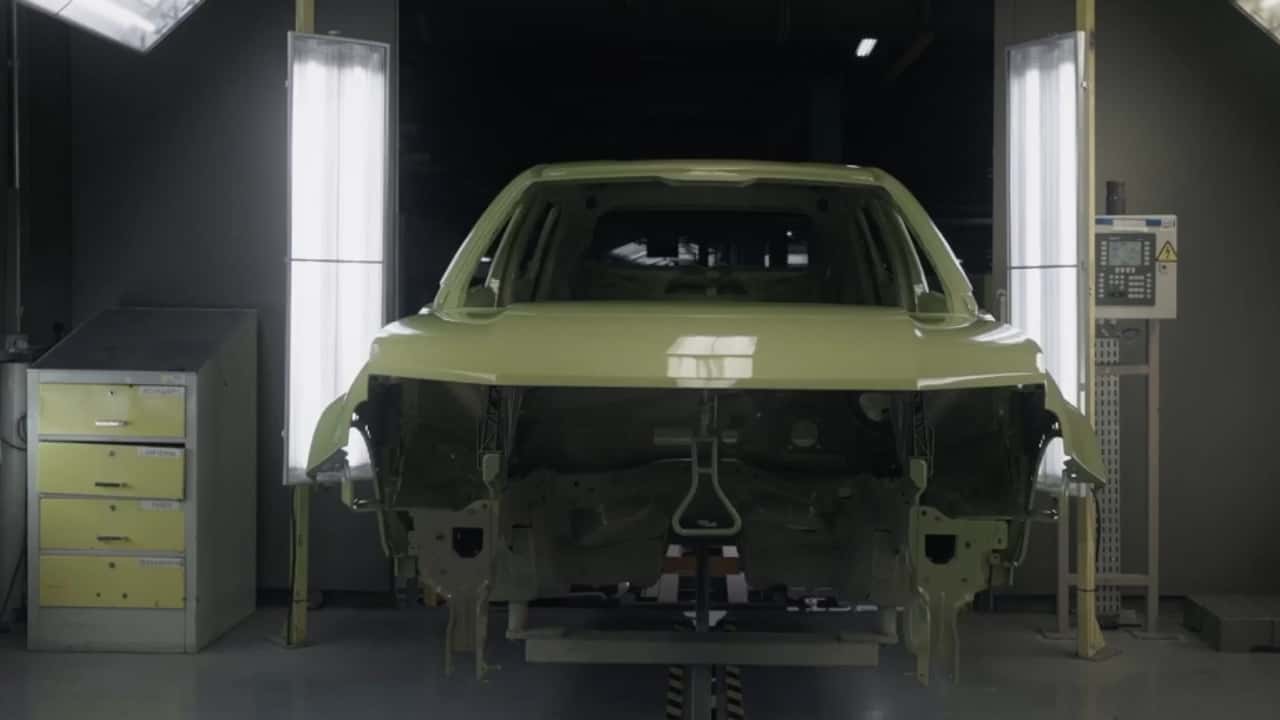
Jeep Avenger begins production in Brazil, debuting as the brand’s new entry-level SUV and inaugurating an unprecedented phase by becoming the first national Jeep manufactured outside of Goiana, as part of a R$ 3 billion plan.
-
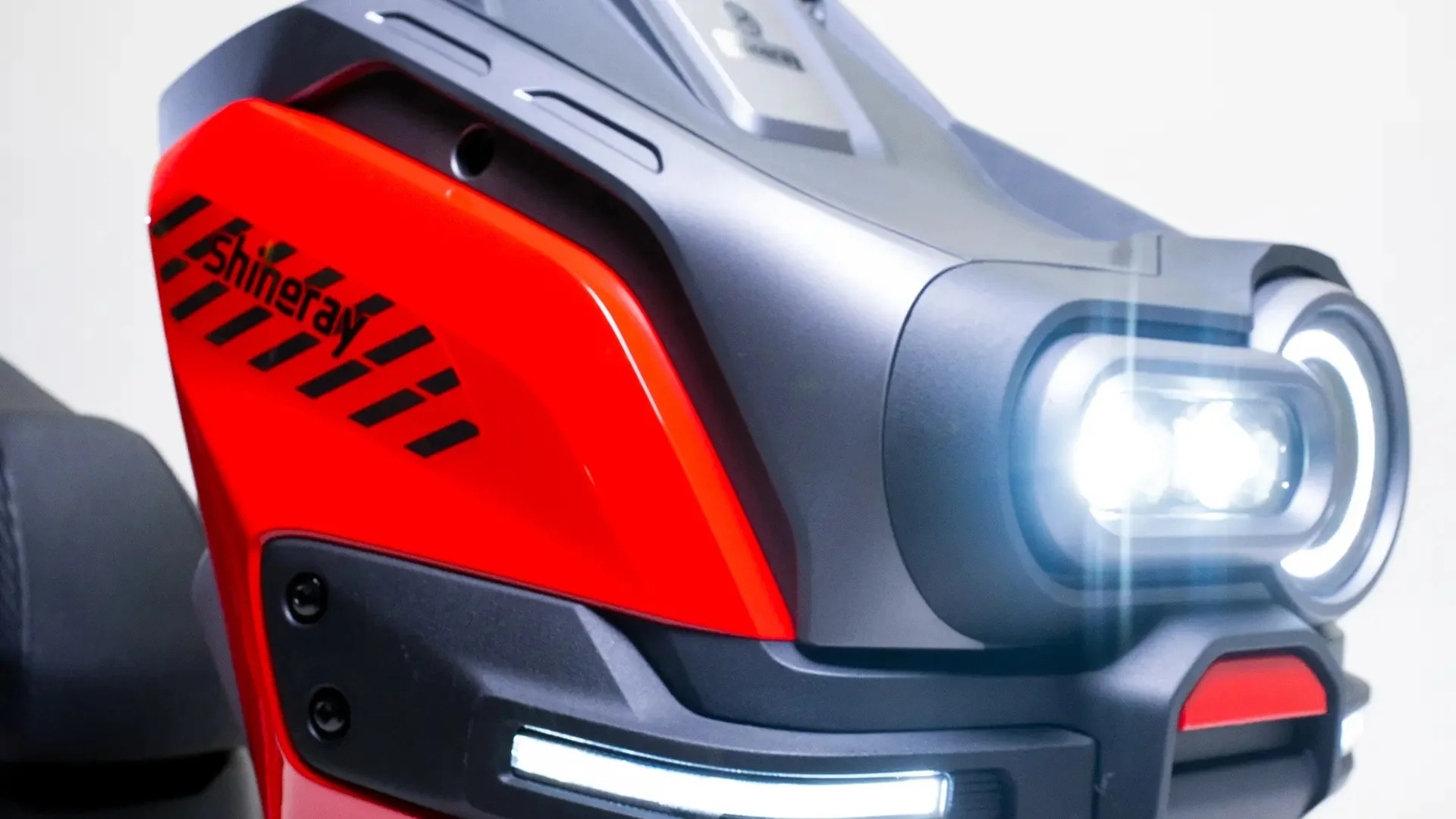
Costing R$ 12,490, the new Shineray Urban Lite 150 “cheap one” arrives in Brazil with a CVT transmission, digital dashboard, and LED lights, making it more affordable than the Biz and targeting those who want to abandon the bus.
-
Ducati brings to Brazil the Superleggera V4 Centenario: 228 hp that become 247 with a track kit, carbon fiber and carbon-ceramic brakes, estimated price between R$ 1.5 and 2 million, deliveries only in 2027.


In addition to the car, objects and predictions about the future were buried, including population estimates for the city and cultural records of the time. Tulsa wanted to showcase the boldness of its era to future generations.
The Unexpected Ending in 2007
Fifty years later, in June 2007, thousands of people gathered in Tulsa to witness the unearthing of the Plymouth Belvedere. What was supposed to be a spectacle of nostalgia and pride turned into disappointment.


The chamber that was supposed to protect the car did not withstand the infiltration of groundwater. When the capsule was opened, what was found was not a gleaming vehicle, but a rusted carcass, covered in rust, mud, and corrosion.
The upholstery had disintegrated, the chrome was compromised, and much of the structure had been devoured by time.
From Dream to Preserved Failure
Despite its lamentable state, the car retained historical value. The “Miss Belvedere”, as it was nicknamed, became an example of how grand projects can have unpredictable outcomes. Even in its deteriorated condition, the automobile became a global attraction.
For years, experts tried to recover the vehicle, but the level of damage was so profound that restoration would not be feasible without completely altering it.
The solution found was stabilization: the car underwent chemical treatment to halt the advance of rust and preserve its condition as a damaged time capsule.
Miss Belvedere Finds a Home in a Museum
After being stored for about a decade in workshops and warehouses, the Plymouth Belvedere finally found a permanent destination.
In 2020, it was transferred to the Historic Auto Attractions Museum in Roscoe, Illinois. Today, the car is displayed exactly as it was found in 2007: corroded but preserved as a silent witness of a bold experiment that did not go as planned.
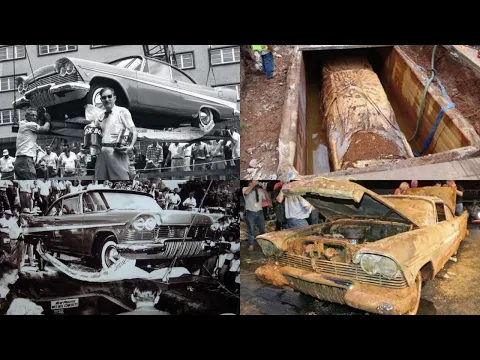
Visitors can see up close the vehicle that was meant to be a jewel of the future, but ended up becoming a corroded relic, a symbol of the power of time and the unpredictability of grand ideas.
What This Story Teaches Us
The saga of Miss Belvedere teaches some valuable lessons:
- The Power of Time is Relentless: even a reinforced capsule was unable to withstand the infiltration and action of water.
- The Importance of Proper Preservation: time capsule projects require careful planning to prevent content destruction.
- The Value of History is Not Only in Success: although it was a “failure” in its initial objective, the car gained relevance precisely for having survived in such deteriorated conditions.
The Car That Became an Automotive Time Capsule
Today, Miss Belvedere is considered one of the most curious stories in the automotive industry. What was meant to demonstrate how the modernity of the 1950s would be preserved intact for the future became a reminder that even the most advanced steel and design succumb to time.
From a symbol of progress to a corroded museum piece, the Plymouth Belvedere of Tulsa became a true automotive time capsule — not for its preserved perfection but for the marks it carried from five decades buried.










-

-

-

-

11 pessoas reagiram a isso.