





 Portuguese
  English
  Spanish
  4 min of reading
  0 comments



After 38 years stored in a barn, a car that seemed to have been forgotten in time was finally found. What was seen inside is worthy of a movie, with a fascinating story behind what seemed to be just a relic of the past
In Lincolnshire, United Kingdom, a 1983 Citroën BX 16RS was found after being locked in a barn for nearly four decades. The car, which was stored in 1988, awaits a possible restoration, being considered a rare find full of history.
What makes this model even more peculiar is its connection to a historical feat involving Richard Noble, the jet engineer responsible for helping to develop the Thrust 2, which set the world land speed record in 1983. Although the BX does not have the same fame as the Thrust 2, it shares a story of great importance to its owner.
The story behind the Citroën BX
In 1983, Richard Noble, a driver and engineer, drove the Thrust 2 at an average speed of 633.468 mph, setting the world land speed record. The feat marked an era in the development of high-performance vehicles, but the Citroën BX he bought shortly after was nowhere near a speed car. It was, in fact, a much more practical family hatchback that the engineer used for about five years before retiring it.
-
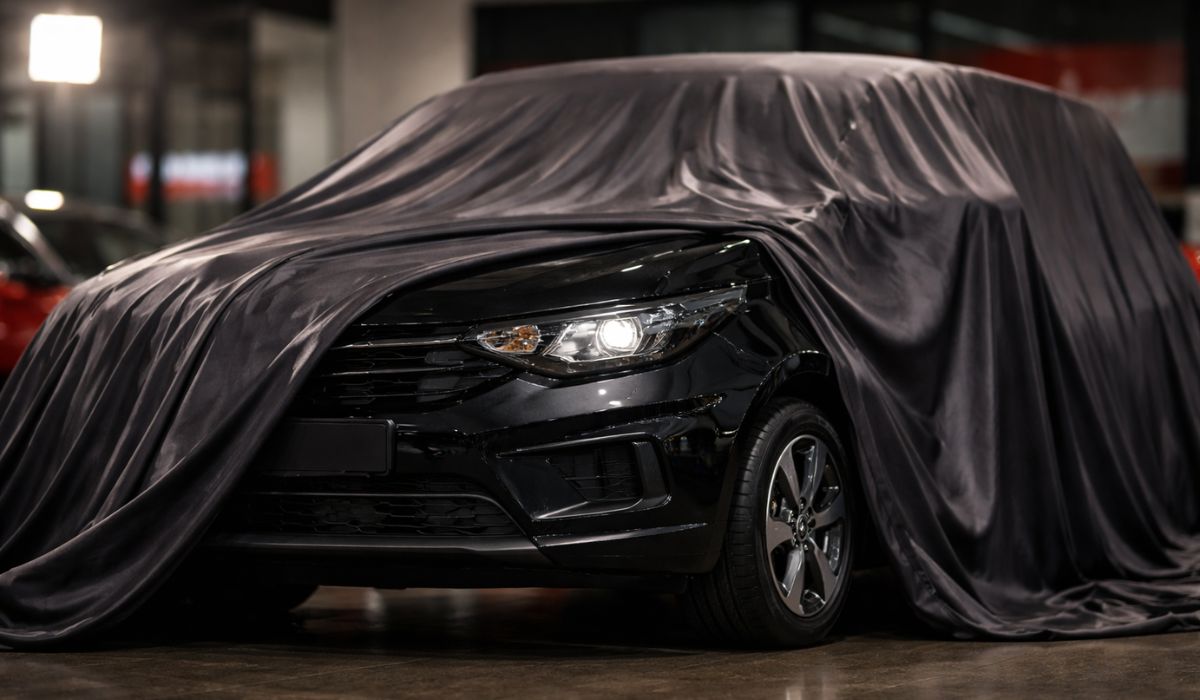
Fiat works miracles in the Brazilian market, lowers the price of its 0 km hatch to R$ 69,990, reestablishes the model as the cheapest car in the country, and reignites the battle against Kwid and C3.
-
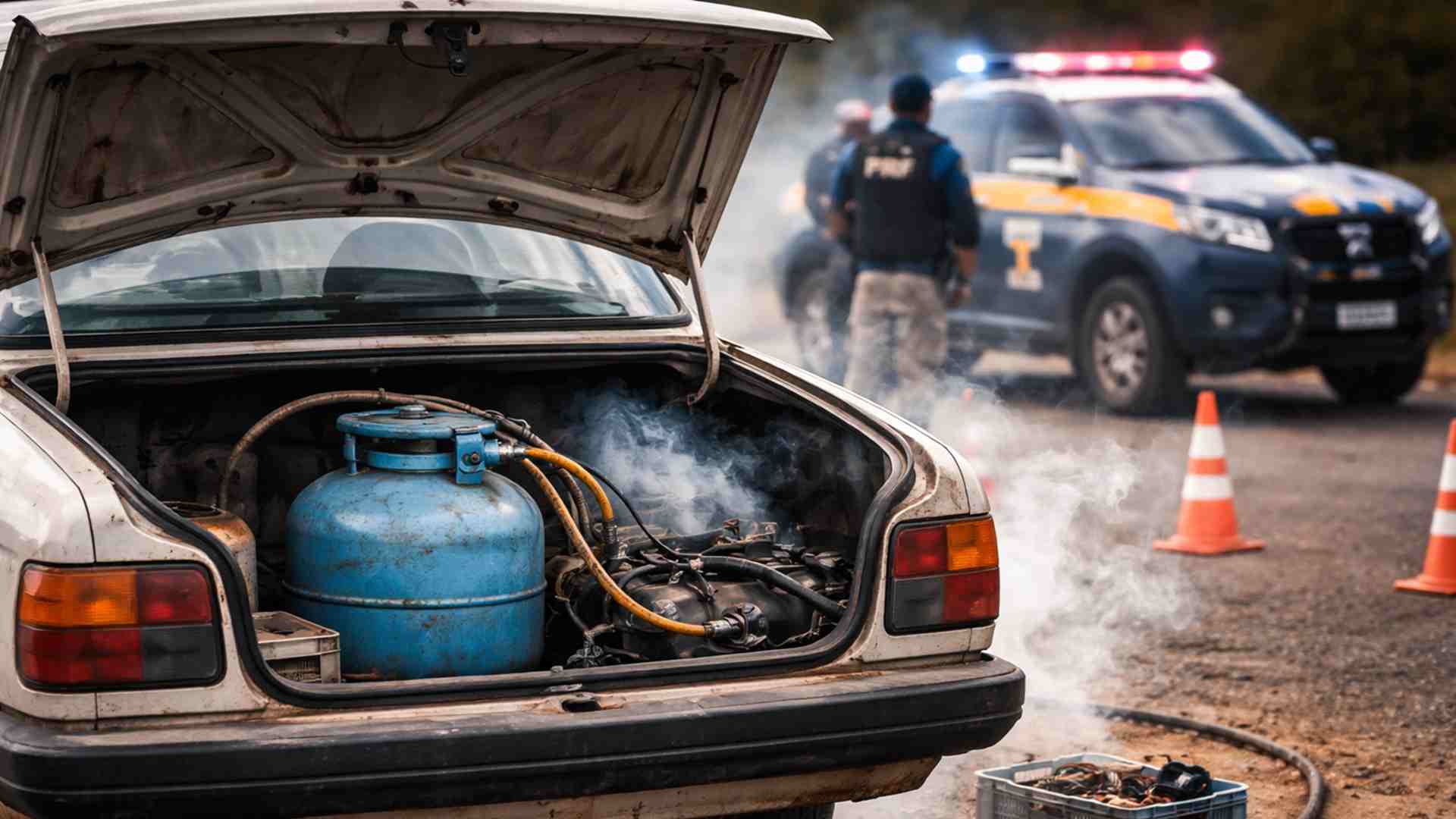
Chevette with cooking gas: How the gas cylinder ends up being used in cars clandestinely and why this makeshift solution can result in leaks, explosions, damaged engines, and seized vehicles.
-
Fiat launches the new 2027 Toro hybrid with 48V, 176 hp, an electric motor of 15.5 hp, a 0.85 kWh battery, up to 7% fuel savings, 8% fewer emissions, and possible exemption from IPVA.

-
Used automatic cars from Hyundai that are reliable, offer comfort, good performance, and cost between R$ 45,000 and R$ 75,000.


The story of the car was far from that of a simple street model, but a narrative of preservation that elevated it to a rare item. The BX 16RS was stored and forgotten for decades, with little expectation of return until it was recently rediscovered. Jonny Smith, from the show “The Late Brake Show,” was the one who had the privilege of inspecting the car. During his visit, he found that the vehicle was in terrible condition. Damage caused by rats, rust, and even a missing wheel were discovered. However, an old sticker on the rear window saying “Loves to drive, hates garages” further reinforces the irony of the story.
The relevance of the Citroën BX model
The Citroën BX, produced between 1982 and 1994, has a remarkable history due to its hydropneumatic suspension, which became one of the most notable features of the model. During its production, over 2.3 million units were manufactured.
However, what becomes relevant in this case is that currently, the Citroën BX is rare in the UK, with only 194 models still in circulation, according to vehicle records. Another 1,083 models have been decommissioned, making this found specimen a true treasure.
The rarity of the BX is a factor that adds historical and collectible value to the model, which leads to the central question: why restore a car like this when most old models are destined for scrap?
The answer lies in a broader environmental debate, proposing a circular economy, keeping products in use longer and minimizing waste. According to the European Commission, extending the lifespan of products is key to reducing waste and CO2 emissions, an argument that lends weight to the restoration of the BX.
Sustainability and the dilemma of old cars
While restoring a Citroën BX does not offer a solution to global climate challenges, the project has significant implications in terms of sustainability.
The preservation of rare vehicles like this is, in many cases, a romantic gesture of valuing heritage, but it can also reflect a larger movement to resist the premature disposal of goods. In this sense, restoring old cars can be an example of how reusing and repairing valuable objects are important attitudes in the environmental context.
However, restoring a gasoline car from the 80s is by no means a viable model to replace cleaner daily transportation.
According to the European Environment Agency, electric cars produce fewer greenhouse gas emissions over their lifecycle, with a reduction of up to 30% in emissions compared to gasoline or diesel models. Therefore, the restoration of the BX should not be seen as a solution for future mobility, but rather as an example of preservation and education about the value of objects and history.
The future of the Citroën BX
After the discovery of the car, an initial attempt at restoration failed, and now the owner’s daughter hopes that an interested buyer will come forward to return the BX to its original state. Although the restoration has not materialized, the fact that the car survived for so long in a barn already tells a significant story in itself. The Citroën BX 16RS is not just an example of an old car, but a symbol of resilience and a time when repair and valuing goods were priorities.
Whether the car will be restored or left to oblivion, no one knows, but its story is already immortalized, far beyond the speed or feats of the Thrust 2. Perhaps the BX will become a silent icon of preservation and nostalgia, proving that sometimes the value of an object lies not in what it does, but in what it represents.
This article was prepared based on information provided by the report from the show “The Late Brake Show.”







Seja o primeiro a reagir!