





 English
  Francês
  Alemão
  Italiano
  Japonês
  Norueguês
  Portuguese
  Spanish
  6 min of reading
  0 comments


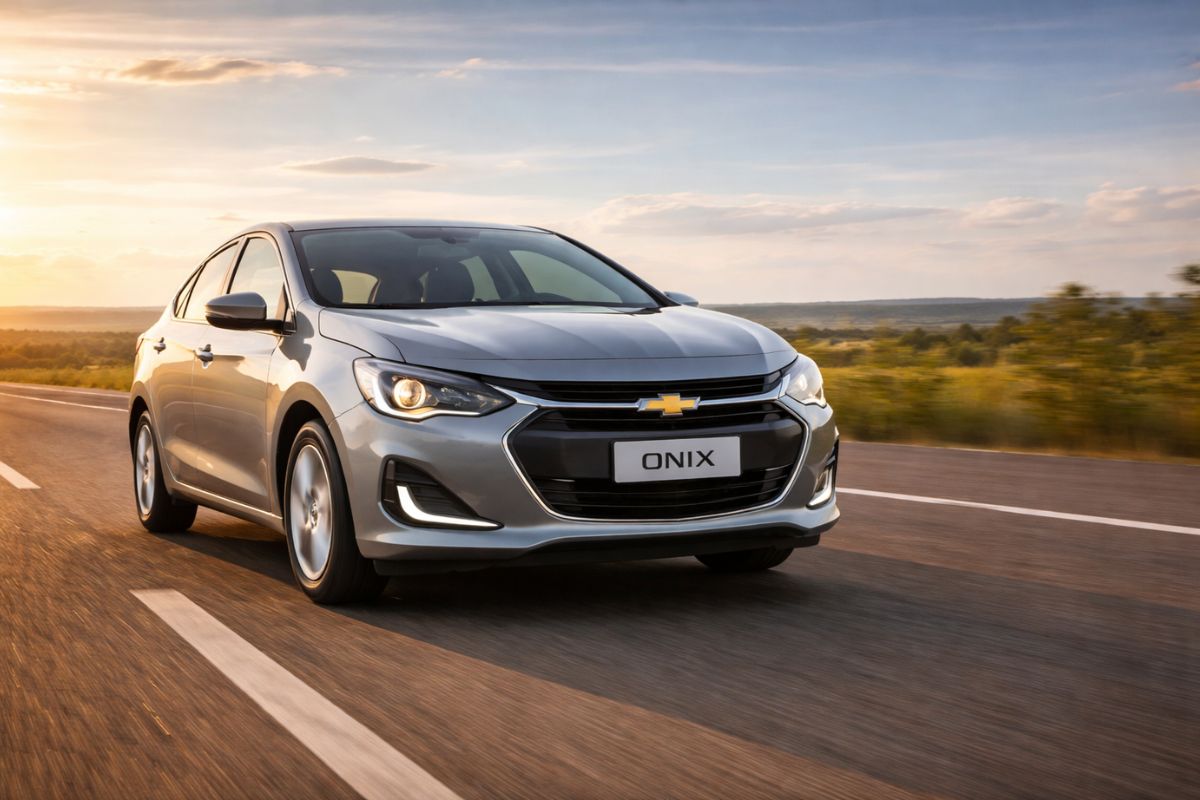
Energy efficiency survey reveals the most economical cars in Brazil in 2026, with the hybrid Toyota Corolla leading the ranking, the Corolla Cross in second and the Chevrolet Onix turbo in third, proving that cheap gasoline in the tank depends more on the choice of model than on the embedded technology
With gasoline prices rising since the beginning of 2026, knowing which are the most economical cars in Brazil has become a necessity rather than just curiosity. A survey based on energy efficiency measured in megajoules per kilometer (MJ/km) reveals that the top 3 of the ranking consists of two Toyota hybrids and one popular Chevrolet. The Toyota Corolla leads with 1.26 MJ/km and 17.5 km/l in the city, followed by the Corolla Cross with 1.36 MJ/km and the Chevrolet Onix 1.0 turbo with 1.38 MJ/km and impressive 17.7 km/l on the highway.
The striking fact is that the Onix, one of the most economical cars in Brazil in the popular category, costs a fraction of the price of the two Toyotas ahead of it. While the hybrid Corolla and the Corolla Cross start at prices above R$ 180 thousand, the turbo Onix can be found for less than R$ 100 thousand. This raises a practical question for the consumer: is it worth paying double for a hybrid to save tenths of MJ/km, or does the popular turbo solve the problem in daily use?
The complete ranking of the most economical cars in Brazil in 2026
The survey uses energy consumption in MJ/km as the main criterion, a metric that allows for comparing vehicles with different engines under equal conditions.
-
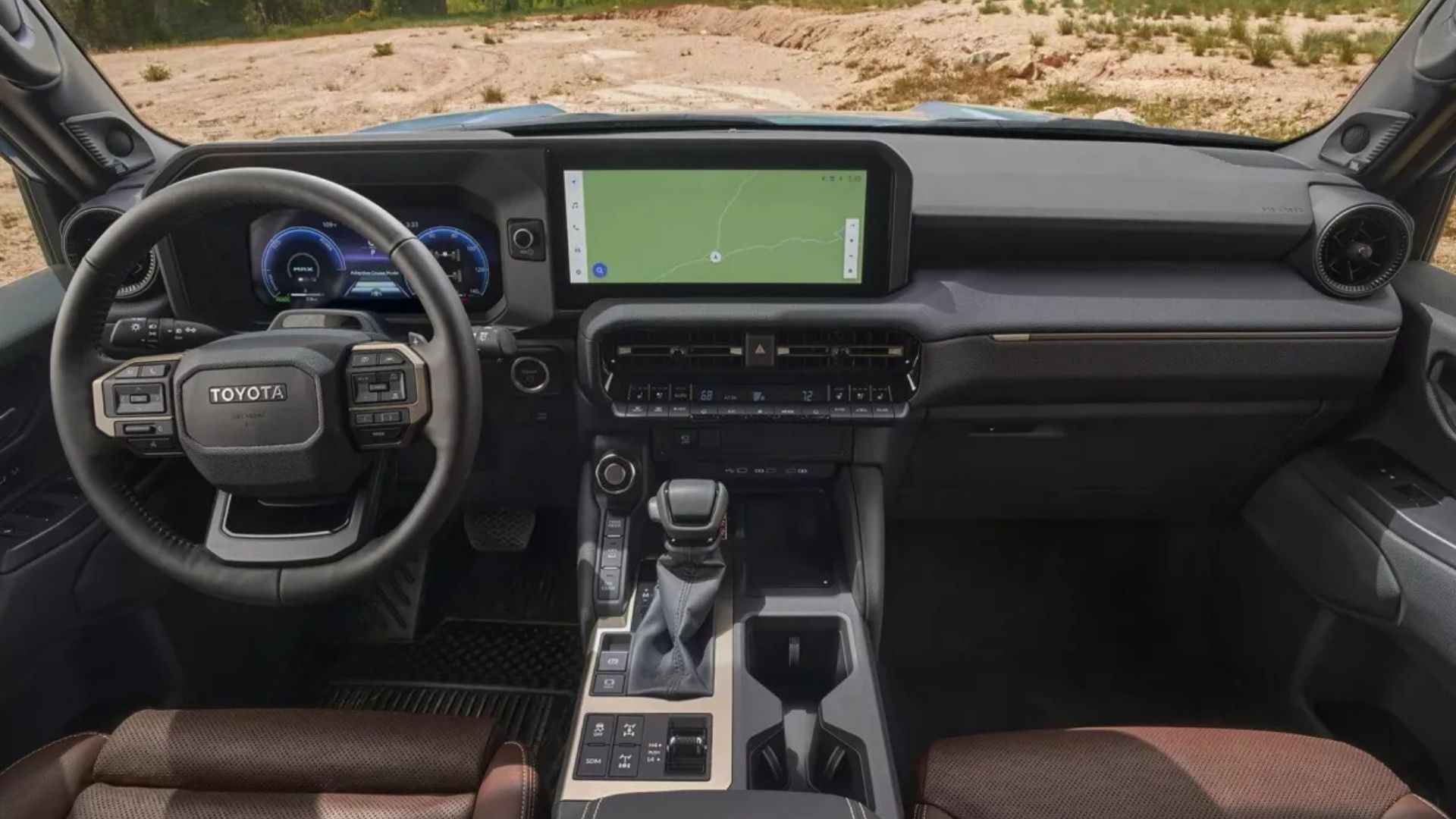
Little sister of the Hilux: Toyota launches Land Cruiser FJ with 4 radical versions, 2.7 engine with 166 hp and 4×4 traction with locking.
-
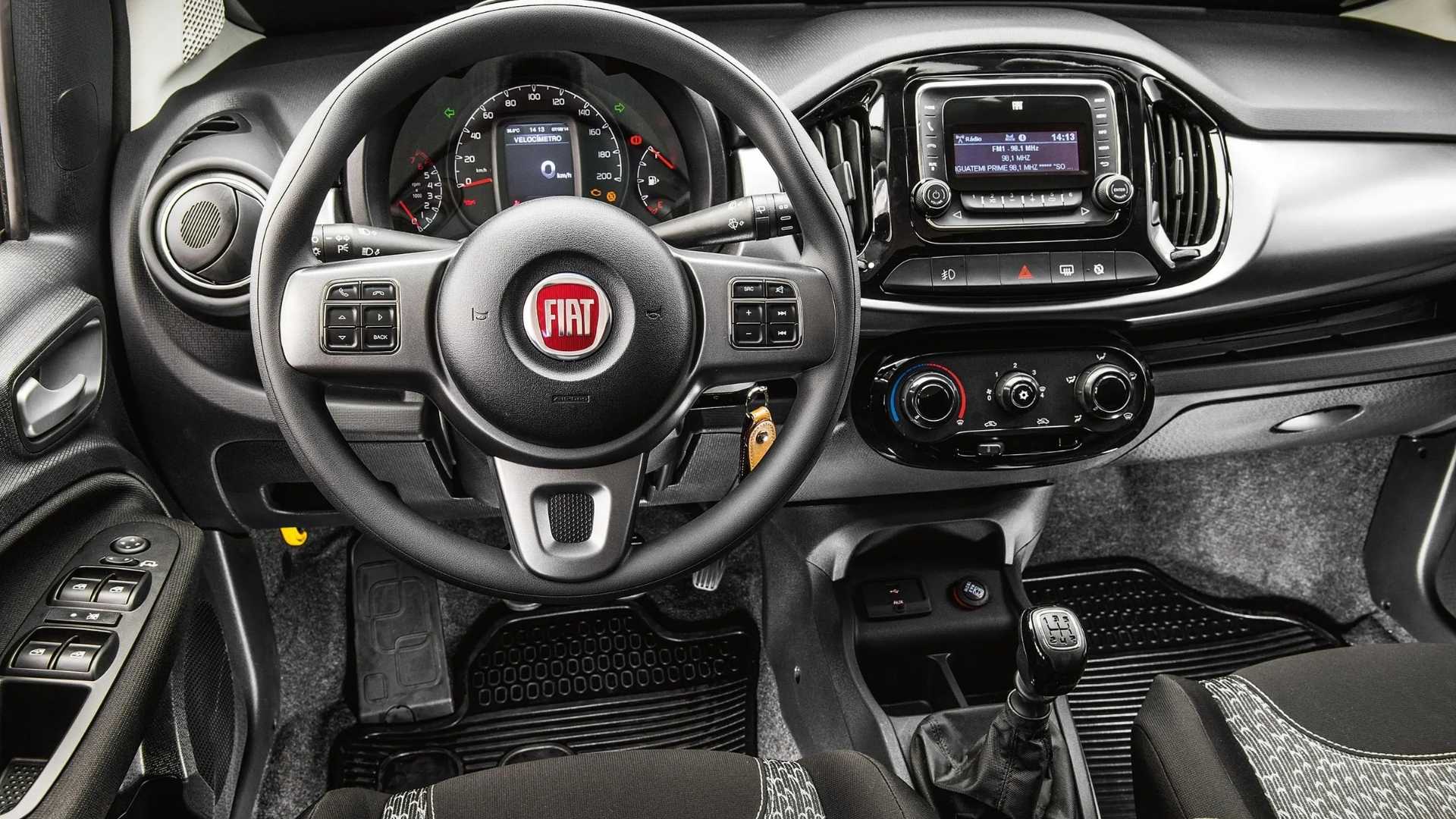
Fiat retired the ‘unbreakable’ engine that runs over 300,000 km after 40 years, but the models remain among the best-selling in Brazil.
-
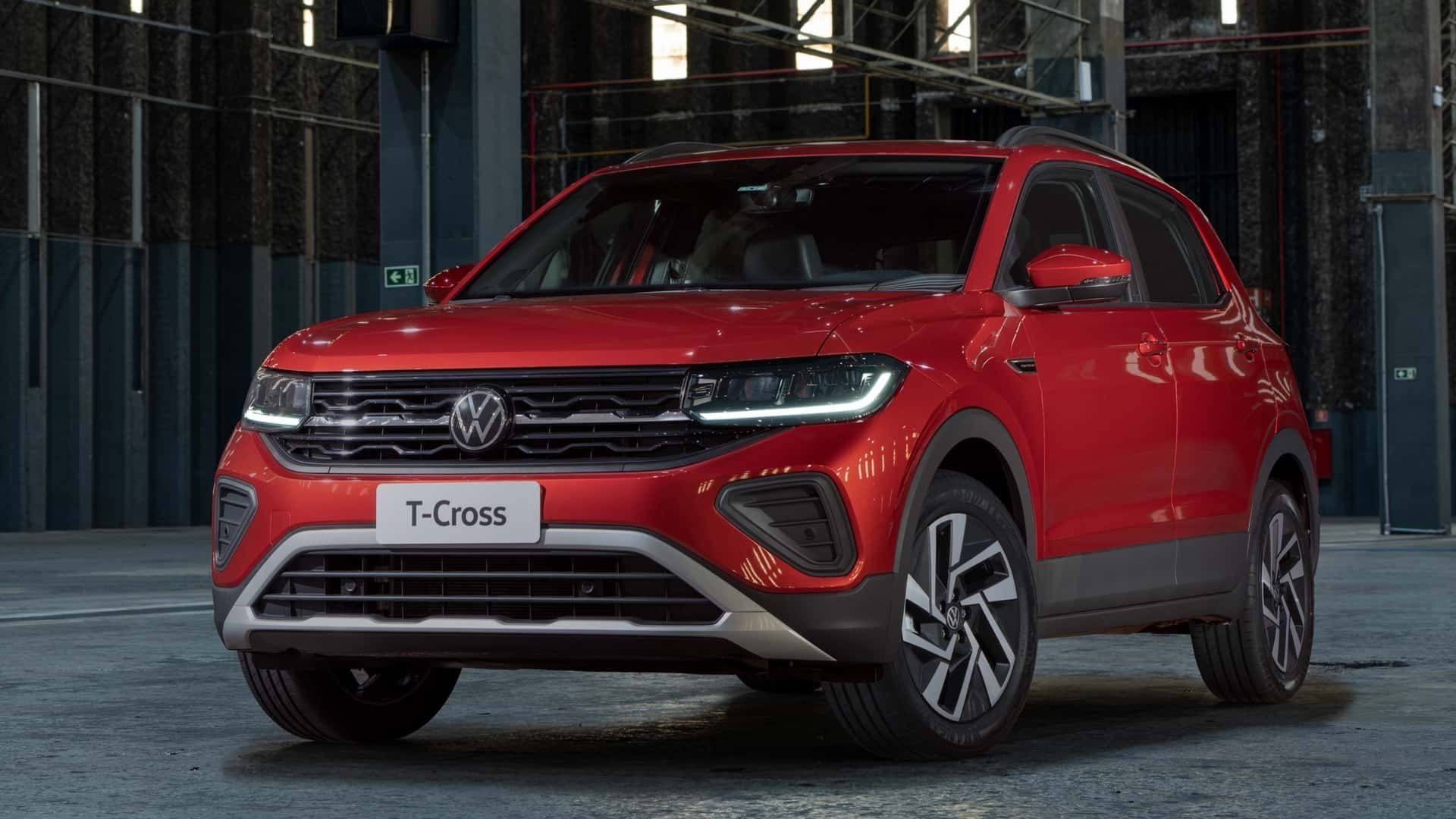
VW creates “anomaly” in the market: T-Cross with 1.0 turbo engine is cheaper than its younger sibling, the Tera High.
-
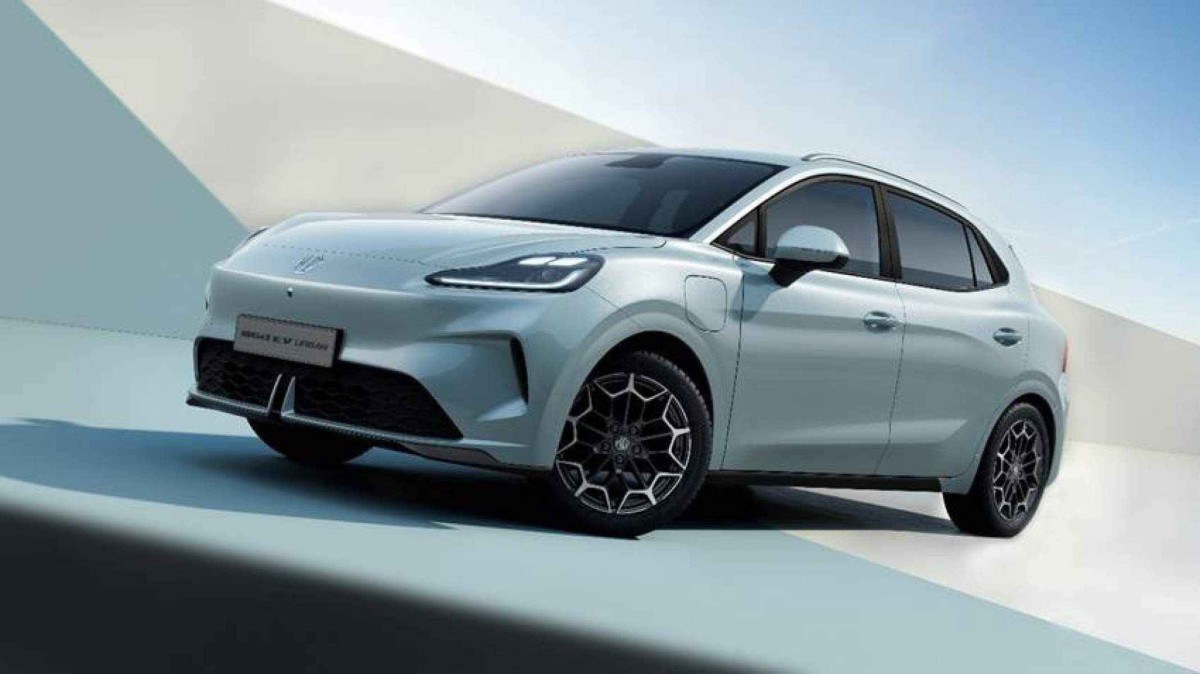
Confirmed in Brazil, the MG4 Urban arrives to firmly enter the competition of compact electric vehicles, challenging the BYD Dolphin and Geely EX2 with more power and range, intensifying a rivalry that promises to heat up even more in 2026.

The lower the value in MJ/km, the greater the real efficiency of the vehicle, regardless of whether it is flex, turbo, or hybrid.
The list of the ten most economical cars in Brazil in 2026 includes models from six different manufacturers, with prices ranging from less than R$ 70 thousand to more than R$ 200 thousand.
The Toyota Corolla hybrid flex comfortably leads, followed by the Corolla Cross and the Chevrolet Onix turbo. Next are the Chevrolet Onix Plus, Fiat Mobi, Renault Kwid, Fiat Cronos, Hyundai HB20S, Volkswagen Polo, and Hyundai HB20.
All models from fourth to tenth place use a 1.0 aspirated engine with a manual transmission, showing that simpler technology still delivers competitive results when it comes to fuel economy.
Top 10 most economical cars in Brazil in 2026
| # | Model | Engine / Transmission | MJ/km | Best consumption |
| 1 | Toyota Corolla | 1.8 hybrid flex / CVT | 1.26 | 17.5 km/l city |
| 2 | Toyota Corolla Cross | 1.8 hybrid flex / CVT | 1.36 | 16.6 km/l city |
| 3 | Chevrolet Onix | 1.0 turbo / manual 6v | 1.38 | 17.7 km/l highway |
| 4 | Chevrolet Onix Plus | 1.0 aspirated / manual 6v | 1.39 | 17.1 km/l highway |
| 5 | Fiat Mobi | 1.0 aspirated / manual 5v | 1.40 | 15.8 km/l highway |
| 6 | Renault Kwid | 1.0 aspirated / manual 5v | 1.41 | 15.4 km/l highway |
| 7 | Fiat Cronos | 1.0 aspirated / manual 5v | 1.46 | 15.9 km/l highway |
| 8 | Hyundai HB20S | 1.0 aspirated / manual 6v | 1.47 | 15.4 km/l highway |
| 9 | Volkswagen Polo | 1.0 aspirated / manual 5v | 1.48 | 15.7 km/l highway |
| 10 | Hyundai HB20 | 1.0 aspirated / manual 6v | 1.48 | 15.4 km/l highway |
Why the Chevrolet Onix turbo competes with hybrids that cost twice as much
The Chevrolet Onix 1.0 turbo is third among the most economical cars in Brazil with an energy consumption of 1.38 MJ/km and an average of 17.7 km/l on the highway with gasoline. The difference to the leading Toyota Corolla hybrid is only 0.12 MJ/km.
In practical terms, this difference translates to a few reais per full tank, but the price gap between the two models is enormous: the Onix turbo costs less than half of the hybrid Corolla at dealerships.
This is the point that makes the Onix so relevant in the list of the most economical cars in Brazil. For those who cannot invest above R$ 180 thousand in a hybrid, the turbo Onix with a six-speed manual transmission delivers efficiency almost equivalent at a dramatically lower acquisition cost.
The real savings calculation needs to consider not only the consumption per liter but also how much the driver spent to buy the car.
Toyota Corolla and Corolla Cross: the hybrids that lead in efficiency
The Toyota Corolla with hybrid flex system and CVT is the car with the lowest energy consumption in Brazil in 2026, registering 1.26 MJ/km.
In practice, the sedan achieves 17.5 km/l in urban use with gasoline, an impressive number for a mid-size car. The electric motor assists in starts and low speeds, which are the moments of highest consumption, explaining the superior efficiency in the city.
The Corolla Cross uses the same hybrid flex setup and occupies the second position with 1.36 MJ/km and 16.6 km/l in the city. Despite being a heavier SUV, the hybrid technology compensates for the extra weight and keeps the model among the most economical cars in Brazil.
Both Toyotas justify their high price by the savings accumulated over the years, but the return on investment depends on the owner’s annual mileage.
The popular 1.0 aspirated cars that complete the economy ranking
From fourth to tenth place, all the most economical cars in Brazil use a 1.0 aspirated engine with a manual transmission.
The Chevrolet Onix Plus (1.39 MJ/km) and the Fiat Mobi (1.40 MJ/km) complete the top 5, showing that models with simple technology and affordable prices are still highly competitive in consumption.
The Renault Kwid (1.41 MJ/km) appears in sixth place as the cheapest option on the list, reinforcing that savings at the pump can start right at the dealership.
The Fiat Cronos (1.46 MJ/km), the Hyundai HB20S (1.47 MJ/km), the Volkswagen Polo (1.48 MJ/km), and the Hyundai HB20 (1.48 MJ/km) close the list.
The difference between fourth and tenth place is only 0.09 MJ/km, which in practice means that any of these models delivers very similar savings.
The choice between them depends more on personal preference, interior space, and maintenance costs than on fuel economy per se.
What to consider before choosing between the most economical cars in Brazil
Energy efficiency is just one of the factors in the purchasing decision. The total cost of ownership includes acquisition price, insurance, IPVA, maintenance, and depreciation.
A Toyota Corolla hybrid saves more fuel, but the amount saved per year may take a decade to offset the price difference compared to a turbo Onix.
Another important point is the usage profile. The most economical cars in Brazil on the hybrid list excel in urban traffic, where the electric motor is most active.
On the other hand, the popular 1.0 aspirated cars show their best averages on the highway, where constant speed favors the consumption of the pure combustion engine. Those who drive more in the city may benefit more from a hybrid; those who drive on the highway daily may not notice a practical difference.
The ranking of the most economical cars in Brazil in 2026 shows that hybrid technology leads in pure efficiency, but popular turbo and aspirated models compete closely at a much lower acquisition cost.
With gasoline prices high, choosing the right model can represent hundreds of reais in difference per month. But the most economical car for you depends on how much you drive, where you drive, and how much you can invest in the purchase.
Which of these models is your favorite? Do you prefer to pay more for a hybrid that saves cents per kilometer or choose a popular model that already leaves the dealership costing half the price? Leave your comments and share this ranking with those who are researching new cars in 2026.










Seja o primeiro a reagir!