





 Português
  Inglês
  Espanhol
  4 min de leitura
  0 comentários


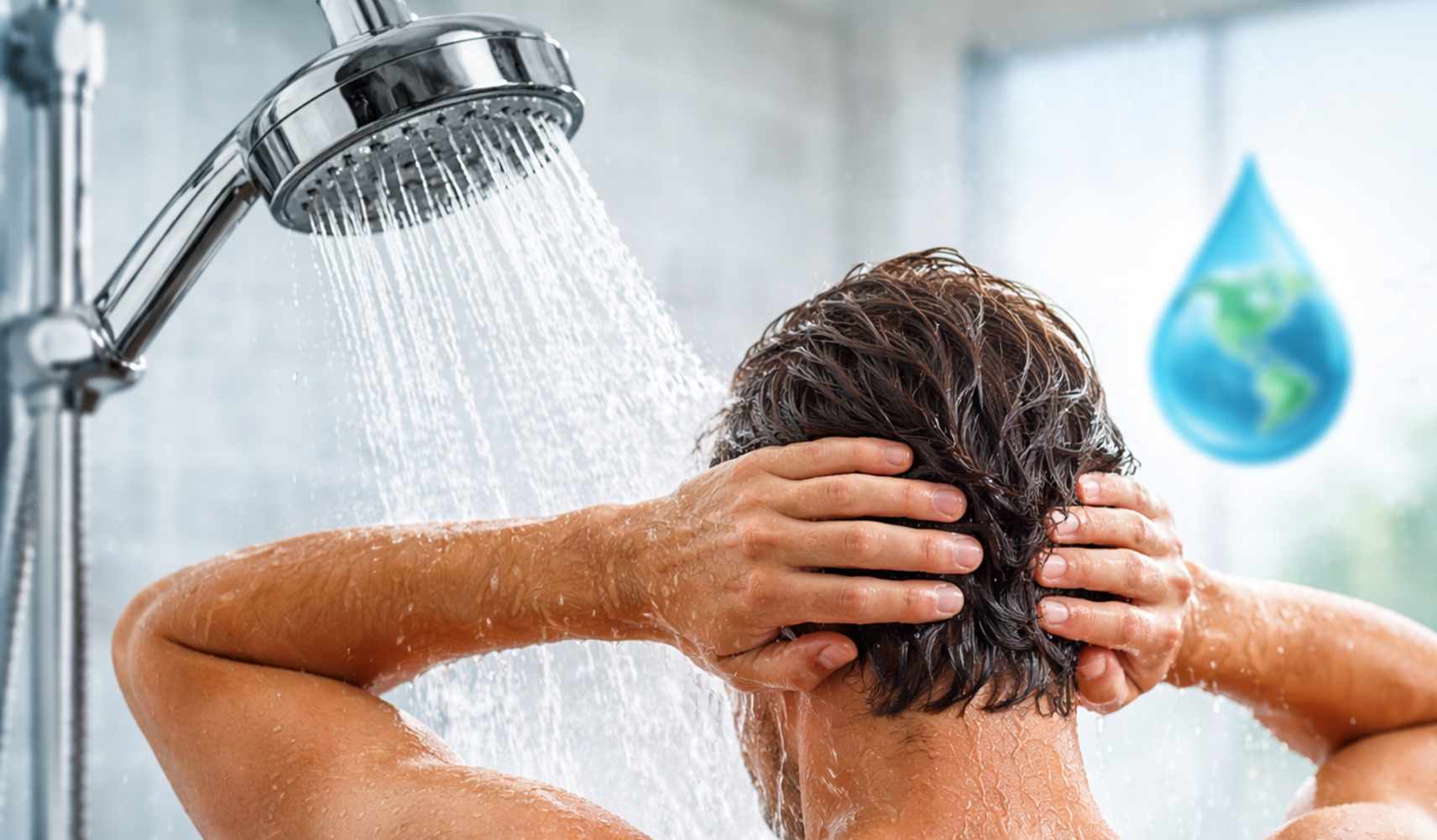
The daily shower, the flush, and household leaks have entered the center of the debate on the water crisis in England after a report projected a deficit of 5 billion liters per day and pointed to the bathroom as one of the main sources of waste in homes
The daily shower, the flushing of toilets, and the reporting of household leaks appear among the habits that can help reduce the projected water deficit for England, estimated at five billion liters per day. This conclusion is part of a report led by the University of Surrey, which highlights the need to change consumption routines and expand the evidence base used by the water sector.
The study gathered contributions from over 100 professionals linked to 60 organizations in the UK water sector, collected between October 2024 and April 2025. Researchers from the University of Swansea, the University of Bristol, and the University of Portsmouth also participated.
In England, the current water consumption per person varies from about 135 to 150 liters per day. Smart meters, considered essential for the government’s plan to reduce demand, are expected to save approximately 450 million liters by 2050.
-
Goodbye capsule coffee maker: consumers around the world are replacing the old item with this machine that grinds beans on the spot, reduces waste, and cuts recurring coffee expenses.
-
Measuring about 44 meters in length, with a nuclear reactor and retractable wheels in its hull, the NR-1 was the only atomic research submersible in the world capable of moving along the ocean floor and remaining submerged for weeks.

-
Millions of people eat oats without knowing that this simple cereal contains a fiber called beta-glucan, which studies have linked to lower bad cholesterol and smaller spikes in blood sugar.

-
Nestlé said it always encourages people to take a break with KitKat, but the thieves took the message too far by stealing 12 tons of chocolate from a truck that disappeared between Italy and Poland.


The Environment Agency estimates that 60% of the projected water deficit will need to be resolved through reduced consumption.
For the researchers involved, this goal will require concrete changes in family habits, including in daily practices such as the daily shower.
Daily shower and automatic habits at the center of the problem
Professor Benjamin Gardner, the lead author of the report and director of the Habit Application and Theory group at the University of Surrey, stated that the water sector recognizes the importance of behavior change but still needs to get closer to understanding how people use water.
He noted that many initiatives have focused on raising motivation to save, although this strategy has limits when behavior has already become habitual.
In Gardner’s assessment, people do not usually consciously decide how long they will stay under the shower. They repeat the same pattern daily, which reduces the impact of messages focused solely on how many liters are being consumed during the daily shower.
Experts involved in the work identified fixing or reporting household leaks, showering, and toilet flushing as priorities for behavior change.
Showers typically consume between six and 15 liters per minute, while about a quarter of the drinking water used in homes in the United Kingdom goes to flushing.
Four of the six behaviors classified as highest priority occur in the bathroom. This data reinforces the significance of the daily shower and other routine practices in the effort to reduce pressure on water supply.
Failure to understand water use
The report points to a discrepancy between the goals chosen by the sector and the understanding of the factors that lead people to act as they do. While the use of the shower and toilet is treated as a central target, there is less emphasis on understanding why these behaviors are repeated.
The authors consider this approach flawed because behavior change depends on first identifying the elements that drive action. Many habits related to water use persist even when there is an intention to change, as routine, distraction, and fatigue reduce the space for conscious decisions.
In this scenario, the daily shower ceases to be just a common act of domestic routine and is seen as an automatic behavior with a significant impact on consumption. The study’s assessment is that, without understanding these mechanisms, the sector will struggle to design truly effective solutions.
Real-time feedback can reduce shower time
Dr. Pablo Pereira-Doel, co-author of the study and director of the Human Insights Lab at the University of Surrey, stated that research from the group has already shown that real-time feedback during showers can significantly reduce the time people spend under the water.
The advantage of this type of measure, according to him, is to act precisely at the moment the behavior occurs.
The logic of this intervention is not to rely on memory or a decision made beforehand. Instead, it reaches the person at the moment of the daily shower, when the action is underway and can be altered with a higher chance of success.
Pereira-Doel also stated that the report shows the need to invest in a more systematic understanding of these moments across all relevant behaviors. Without this, the development of broad solutions for the sector is likely to remain limited.
Data sharing and five recommendations
The study also highlights that several water supply companies have already conducted research on behavior change but fail to share the findings, often for commercial reasons. As an alternative, the authors propose standardized behavioral science tools to allow information exchange without exposing sensitive data.
The report presents five recommendations: direct collaboration between water companies and behavioral scientists, investment in understanding how people use water, focus on breaking habits rather than just raising awareness, more open sharing of knowledge about water savings, and integration of behavior change with structural and technological solutions.
The document was published by the Sustainability Institute at the University of Surrey in open access, consolidating the daily shower as one of the central points of the debate on domestic consumption and the water crisis.
The report was published by the Sustainability Institute at the University of Surrey.






Seja o primeiro a reagir!