





 Portuguese
  English
  Spanish
  3 min of reading
  0 comments


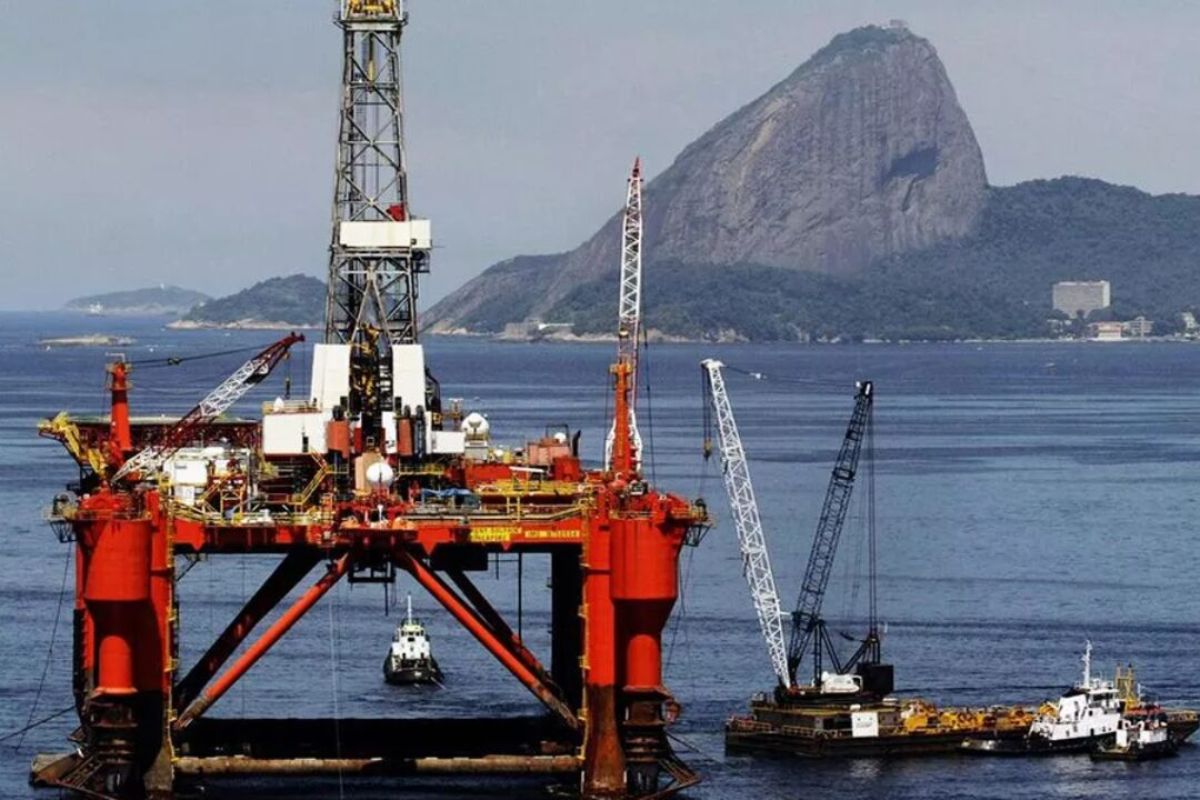
Thousands of Tons of Steel from brazilian offshore platforms Have an Uncertain and Complex Future. Understand the Decommissioning Process, the Risks Involved, and the Alternatives for These Sea Giants That Are Reaching the End of Their Useful Life.
On the Brazilian coast, a considerable fleet of brazilian offshore platforms is approaching the end of its useful life or has already been deactivated. These steel giants, which for decades have been pillars of oil and gas production, now face a controversial and multifaceted fate: decommissioning. This process, natural in the oil and gas industry, has become a global and national challenge of enormous technical, environmental, and financial proportions.
What happens to these colossal structures after the cessation of their operations? Are they completely removed, partially abandoned, or can they gain a surprising “second life”? See the “mysterious fate” of the brazilian offshore platforms that have been deactivated, the inherent risks, the regulatory debates, and the innovative solutions that are being discussed.
Why Are Brazilian Offshore Platforms Decommissioned?
Brazilian offshore platforms have a finite operational life cycle, usually between 20 and 40 years. The main driver for decommissioning is economic infeasibility, which can occur due to the depletion of oil and gas reserves, rising operational costs of aging facilities, or unfavorable global prices.
-
Petrobras evaluates suspension of sales to distributors and considers canceling the cooking gas auction following guidelines from the Federal Government.
-
Lula reveals a masterstroke by Petrobras to undo a deal made by Bolsonaro, which involves the return of an important refinery that currently produces less than half of what was expected and makes Brazil dependent on international diesel.
-
A study confirms that the natural gas sector will reduce greenhouse gas emissions in Brazil by 0.5% and accelerate the energy transition by 2026.

-
Petrobras implements a severe adjustment and confirms a 55% increase in the price of aviation kerosene with a proposal for installment payments for the companies.


Additionally, structural integrity can be compromised by material fatigue and corrosion. Regulatory mandates also require decommissioning after production ceases or licenses expire. Strategic decisions by operating companies, such as portfolio rationalization, also influence this decision.
The Rules for the Decommissioning of Brazilian Offshore Platforms
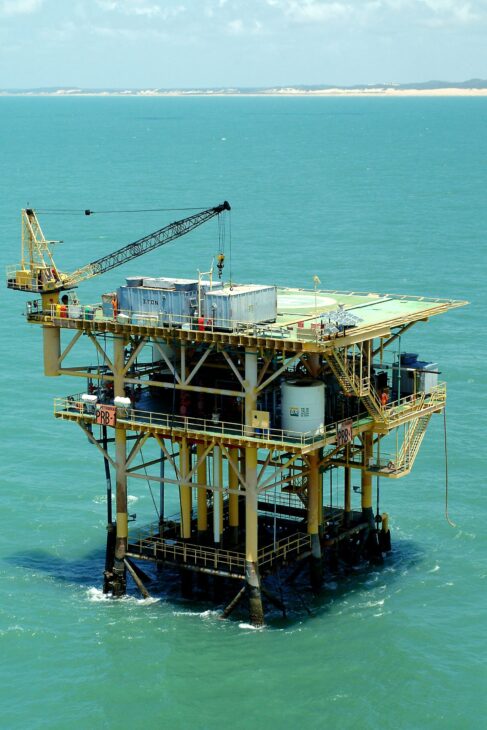
Decommissioning is an intensely regulated activity. In Brazil, oversight is shared by three main bodies: the National Agency of Petroleum, Natural Gas and Biofuels (ANP), IBAMA, and the Brazilian Navy. ANP Resolution No. 817/2020 is the central framework, requiring a detailed Decommissioning Program for Facilities (PDI).
Internationally, the OSPAR Convention and the International Maritime Organization (IMO) guidelines are influential, generally recommending the complete removal of structures but allowing exceptions under strict criteria. The central debate revolves around total removal versus alternatives like Rigs-to-Reefs.
The Methodologies and the Great Challenges of Decommissioning the Steel Giants
The decommissioning process is a monumental engineering undertaking. The most critical phase is the plugging and safe abandonment of wells (P&A) to prevent future leaks. The visible parts of the platform (topsides) are cleaned and removed. For the substructures (jackets), options include complete removal, partial removal, or on-site toppling.
Costs are extremely high, potentially reaching billions of dollars, and the operation faces challenges such as adverse weather conditions and the handling of hazardous materials, such as Naturally Occurring Radioactive Material (NORM) and the invasive sun coral, a specific problem in brazilian offshore platforms. ANP requires financial guarantees from operators to cover these costs.
Alternative and Innovative Destinations for Deactivated Brazilian Offshore Platforms
An alternative to complete removal is the Rigs-to-Reefs (RTR) program, which converts the submerged structure of the platform into an artificial reef. This can create marine habitats, benefit fishing and diving tourism, and reduce costs for companies. The Gulf of Mexico (USA) has hundreds of converted platforms. In Brazil, the applicability of RTR depends on approvals and management plans.
Other ideas include reusing foundations for offshore wind energy, aquaculture, or as marine research centers. However, the technical and economic viability of these conversions in old brazilian offshore platforms is complex and faces regulatory hurdles.
The Environmental Balance, Risks of Illegal Abandonment, and the Future of Brazilian Offshore Platforms
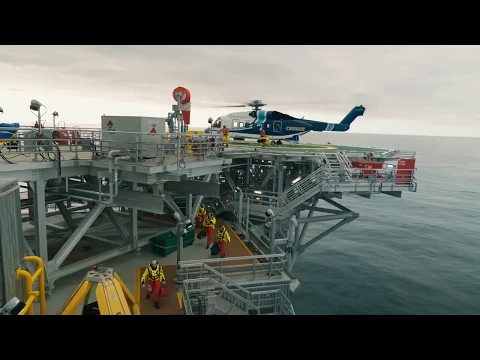

Decommissioning, even when planned, causes disturbance to the seabed and generates enormous volumes of waste. The illegal abandonment of platforms, the true “ghost platforms”, poses an even greater danger, with risks to navigation and prolonged environmental degradation.
Petrobras, the main operator in Brazil, has a strategic program for the decommissioning of dozens of its brazilian offshore platforms, aiming for a “green destination” for the materials. The lessons learned from these initial projects are crucial for the future management of the end of life of these structures, seeking to transform potential environmental liabilities into opportunities for the enhancement of the marine ecosystem and sustainable development.










Seja o primeiro a reagir!