





 Portuguese
  English
  Spanish
  3 min of reading
  0 comments


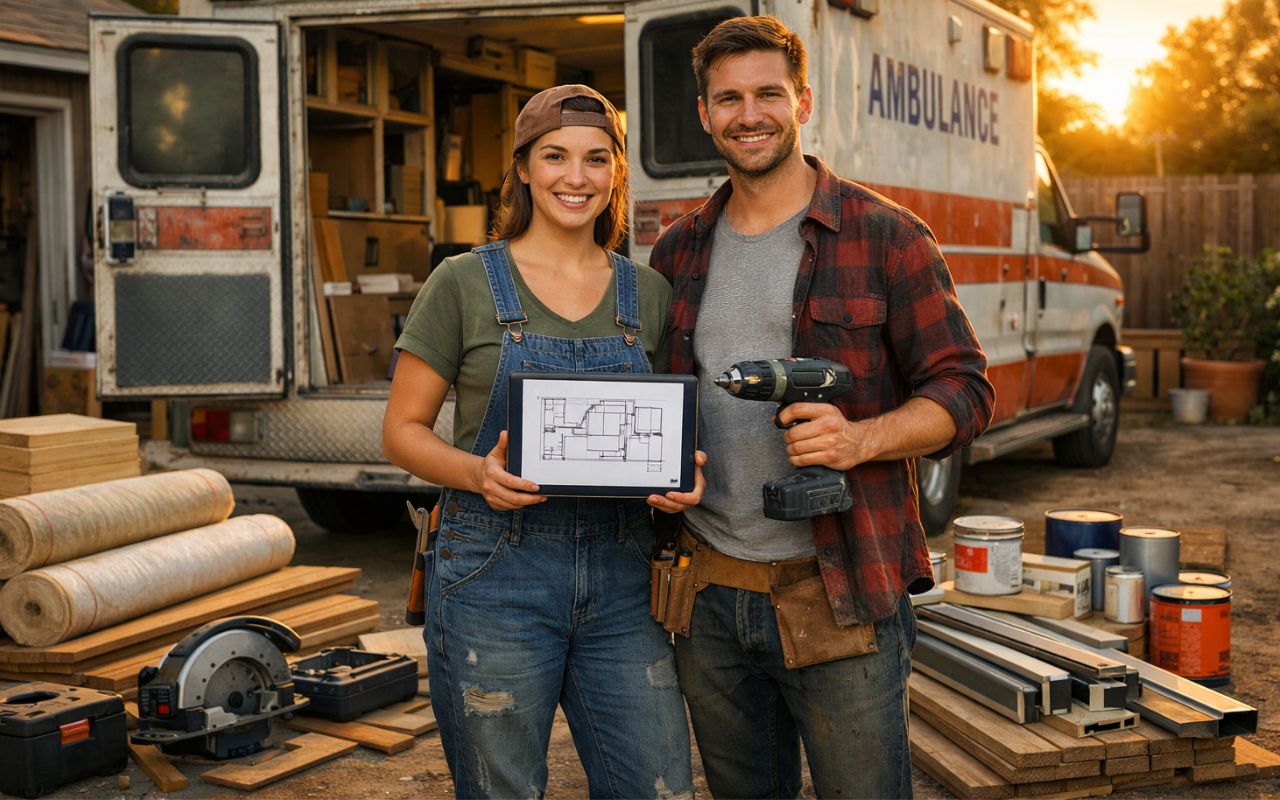
Ambulance is transformed into a mobile home by a couple in the USA, using recycled materials and smart housing solutions.
An decommissioned ambulance gained a new function by being transformed into a complete mobile home, the result of a creative and sustainable project carried out by the couple Tiff and Will Stokes in the United States. The adaptation occurred after purchasing the vehicle at an auction for about $3,000 (approximately R$15,500).
The initiative arose from the desire to live with more freedom and mobility, allowing for constant travel across the country. The renovation took months and involved several stages of structural adaptation. Thus, the project became an example of intelligent repurposing and an alternative lifestyle.
Prior to this, the couple had been living on a boat for five years, which directly influenced their choices during the transformation.
-
At 102 years old, Kokichi Akuzawa surprises the world by becoming the oldest person to climb Mount Fuji, a feat recognized by the Guinness World Records.

-
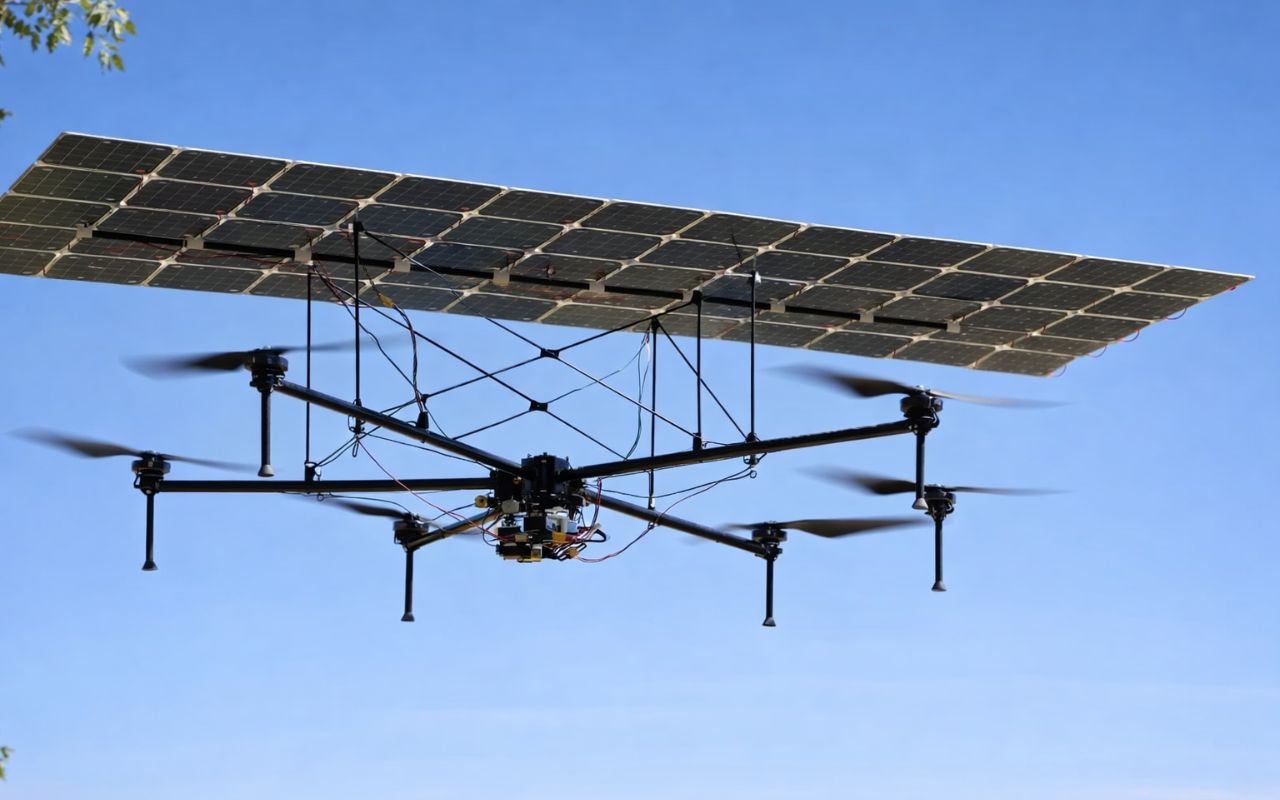
YouTuber installs 28 solar panels on a drone, allowing it to fly for over 5 hours, with the potential to reach 12 hours of autonomy in the future.
-
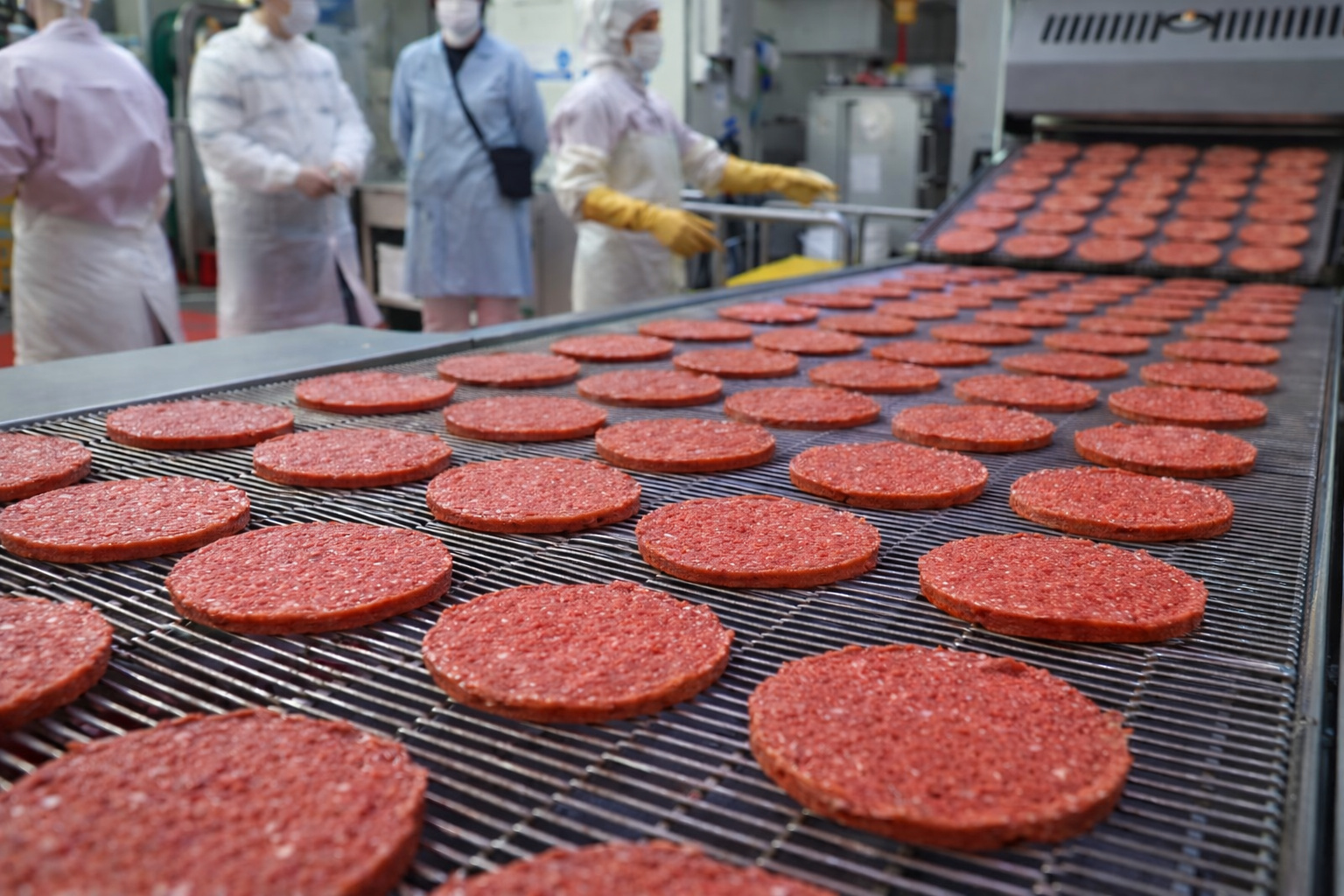
With mass production of over 2 million hamburgers per month, the Korean factory impresses with high-standard industrial machines, capable of processing 500 kg of meat per hour and supplying entire networks of markets worldwide.
-
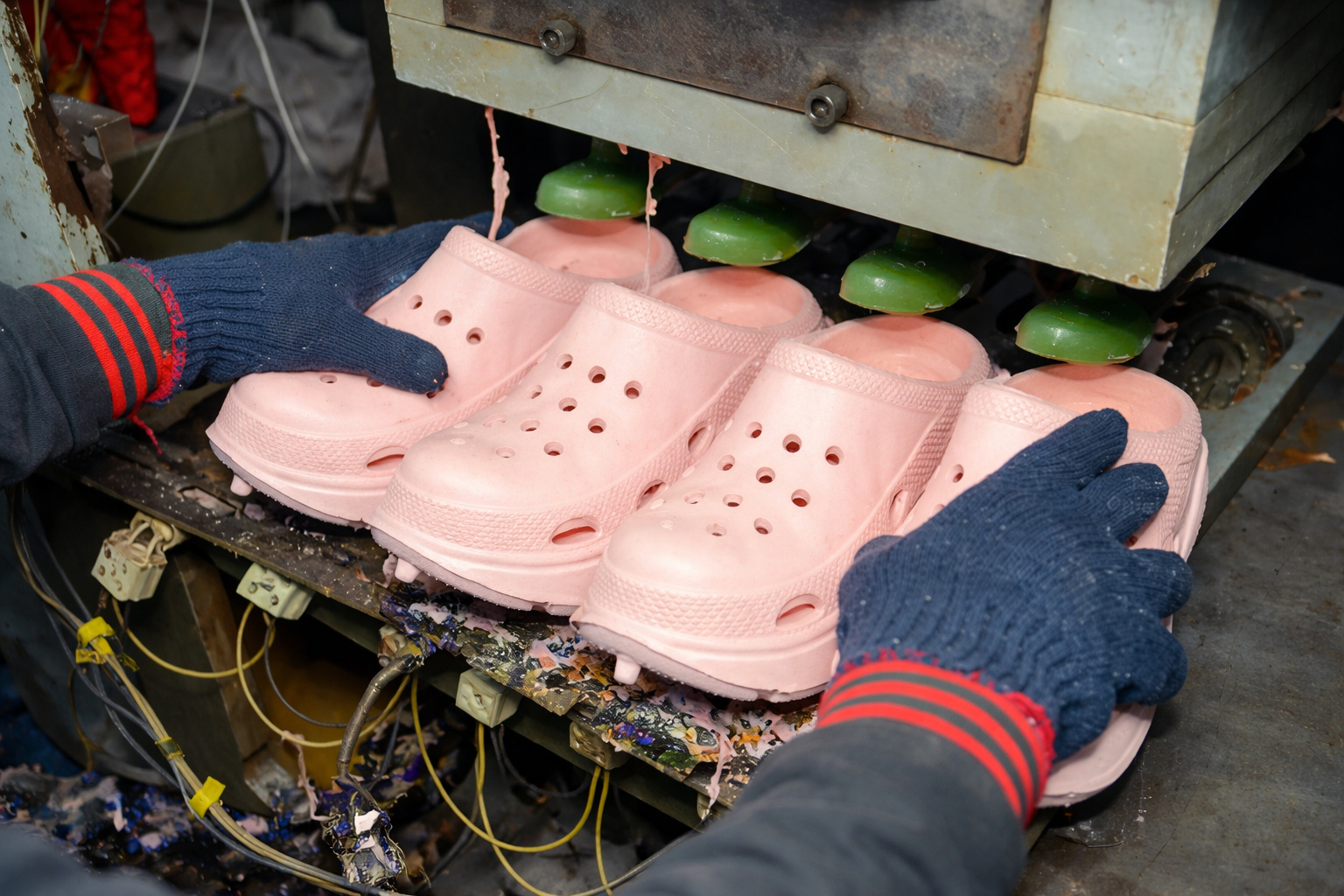
With a very high value, the factory extracts raw ore to produce gold bars, the precious yellow and shiny metal, which undergoes smelting, molding, and finishing to be present in the lives of people around the world.

Experience at sea helped create an efficient mobile home
Living at sea was an important differentiator in building the mobile home. Accustomed to compact spaces, the residents knew how to make the most of every inch of the ambulance.
They installed a solar energy system with lithium batteries, ensuring autonomy during their travels.

Additionally, the ceiling height of about 1.93 meters facilitated internal organization and the installation of furniture. Thus, the project managed to combine comfort and practicality, even in a reduced space.
Ambulance required effort in initial disassembly
Despite the impressive final result, the beginning of the ambulance renovation was marked by difficulties. The couple encountered obstacles while trying to disassemble internal parts of the vehicle. The structures, designed for high resistance, made simple tasks challenging.
“Ambulances are made to never be disassembled. That’s what we quickly discovered when trying to perform seemingly simple tasks, like removing the stretcher supports and the driver’s seat. Tasks we thought would take at most 30 minutes ended up taking hours and resulted in broken drill bits and shaken confidence.”
Thus, the process required more time and dedication than initially planned.

Recycled materials were the foundation of the mobile home
After disassembly, the construction of the mobile home focused on using repurposed materials. The proposal was to reduce costs and make the most of available resources.
A large part of the wood used came from pallets, including in the creation of the sofa that transforms into a bed. Additionally, materials from the ambulance itself were reused.
“Most of the recycled material came from the demolition of the ambulance itself, which is why it took so long, as we tried to preserve as much as possible for future use. Other materials came from old boat projects.”
With this, the project gained a sustainable and economical character.
Ambulance was transformed into a complete living space
The interior of the ambulance was completely remodeled to become a functional mobile home. The space now includes essential areas for daily life.
Among the highlights are the equipped kitchen, a living room with a sofa bed, and a compact bathroom with a toilet.
Additionally, the presence of appliances, such as a refrigerator, increased comfort. Thus, even with limited dimensions, the vehicle offers a complete living structure.

Adapted ambulance shows potential for repurposing
The case shows how an ambulance can gain a new utility by being transformed into a mobile home. The repurposing of vehicles helps reduce waste and stimulate creative solutions.
Additionally, the proposal combines sustainability, economy, and innovation in a single project. Thus, it opens up space for new forms of housing.
Therefore, the couple’s project not only impresses but also reinforces a change in the traditional concept of living.
With information from Casa Vogue






Seja o primeiro a reagir!