





 Portuguese
  English
  Spanish
  4 min of reading
  0 comments


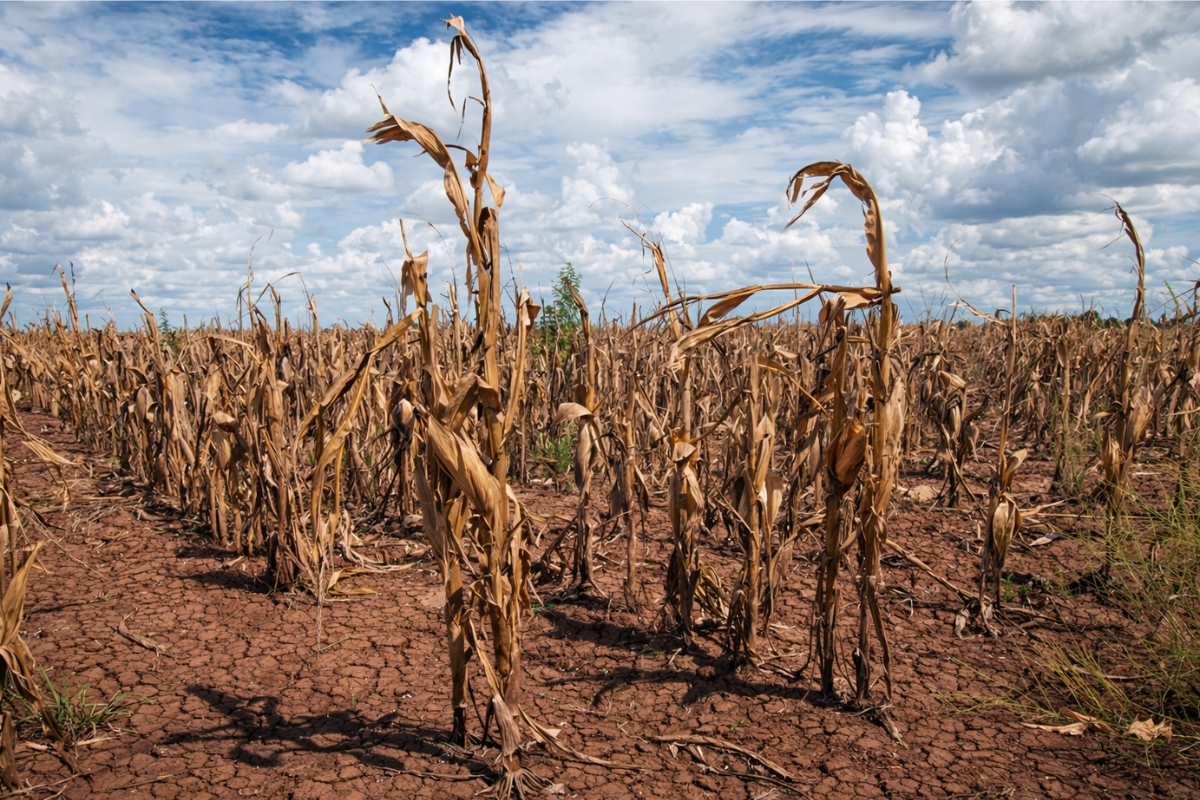
Under the soil, the threat grows as drought reduces moisture, increases pressure on sensitive bacteria, and favors more resistant strains, in a silent process that can reach hospitals and change the strategic reading.
The alert draws attention because it unites climate and public health in the same problem. Instead of only affecting the environment, aridity can also increase pressure on medical treatments, hospitalizations, and infection control.
When the soil loses water, the natural balance between microorganisms changes. This process can favor more resistant bacteria and, over time, amplify a risk that already concerns hospitals in various parts of the planet.
Aridity can change the behavior of bacteria in the soil
The central point lies in what happens beneath the surface. In drier environments, substances naturally produced by microorganisms can become more concentrated in the soil.
-
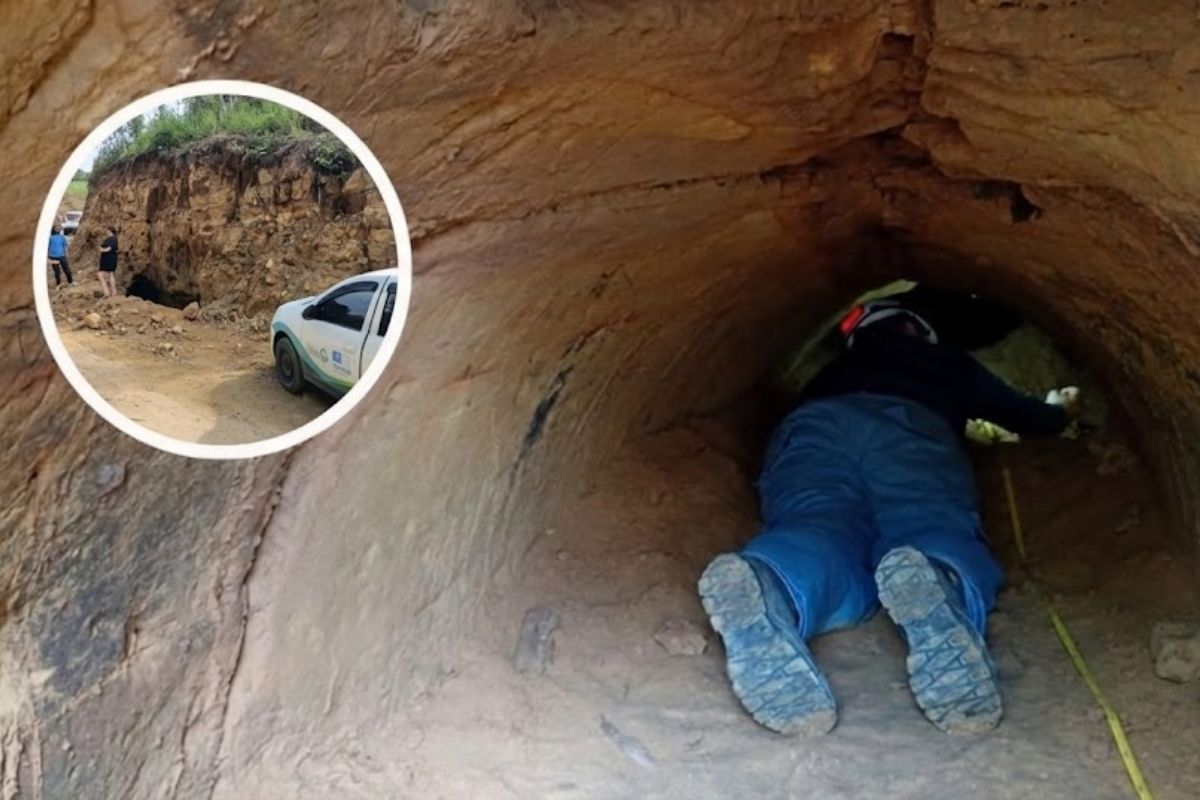
A resident of Santa Catarina found a tunnel over 10,000 years old dug by animals the size of a car on her own property, and the video of the discovery has already surpassed 3 million views on social media.
-
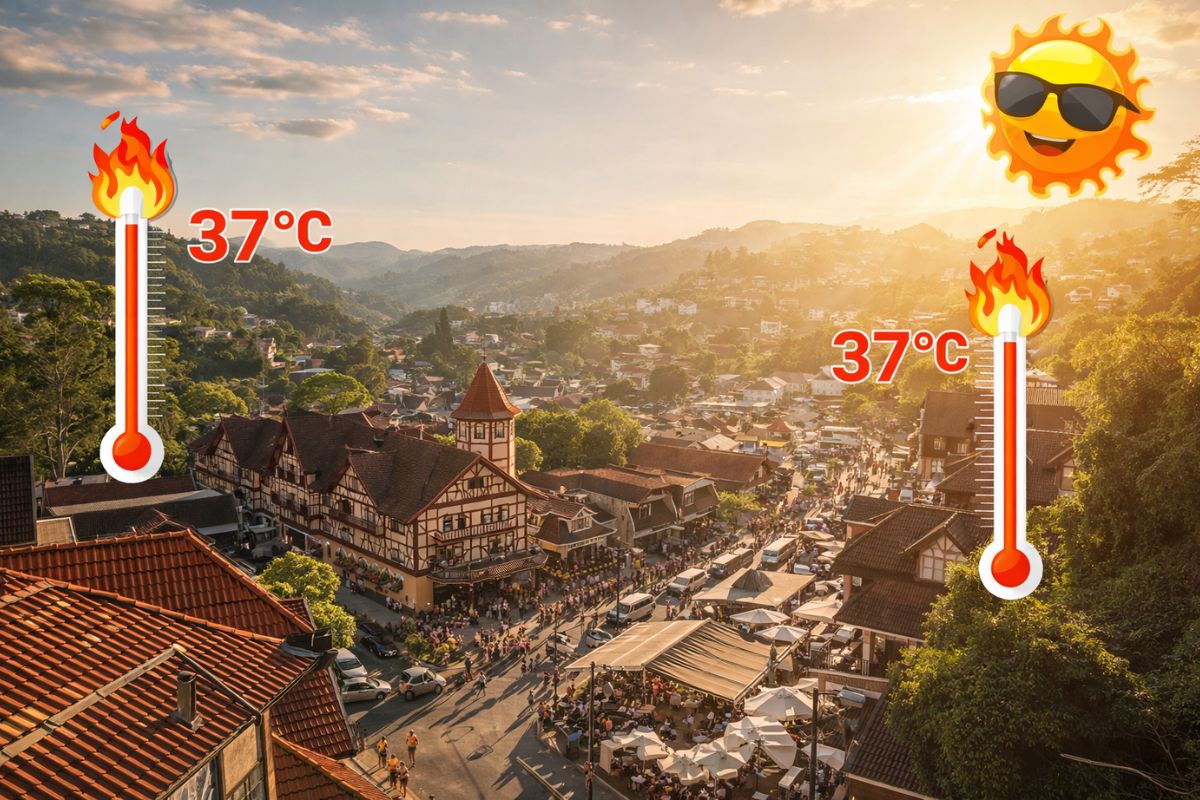
The coldest region of Brazil will experience very hot weather in the first days of April, with maximum temperatures reaching up to 35 degrees in Rio Grande do Sul, and only in the last week of the month an intense cold front is expected to finally lower the temperatures in the South and Southeast.
-
Goodbye common refrigerator: essential appliance starts to gain competition with technology that preserves food for longer and reduces waste.

-
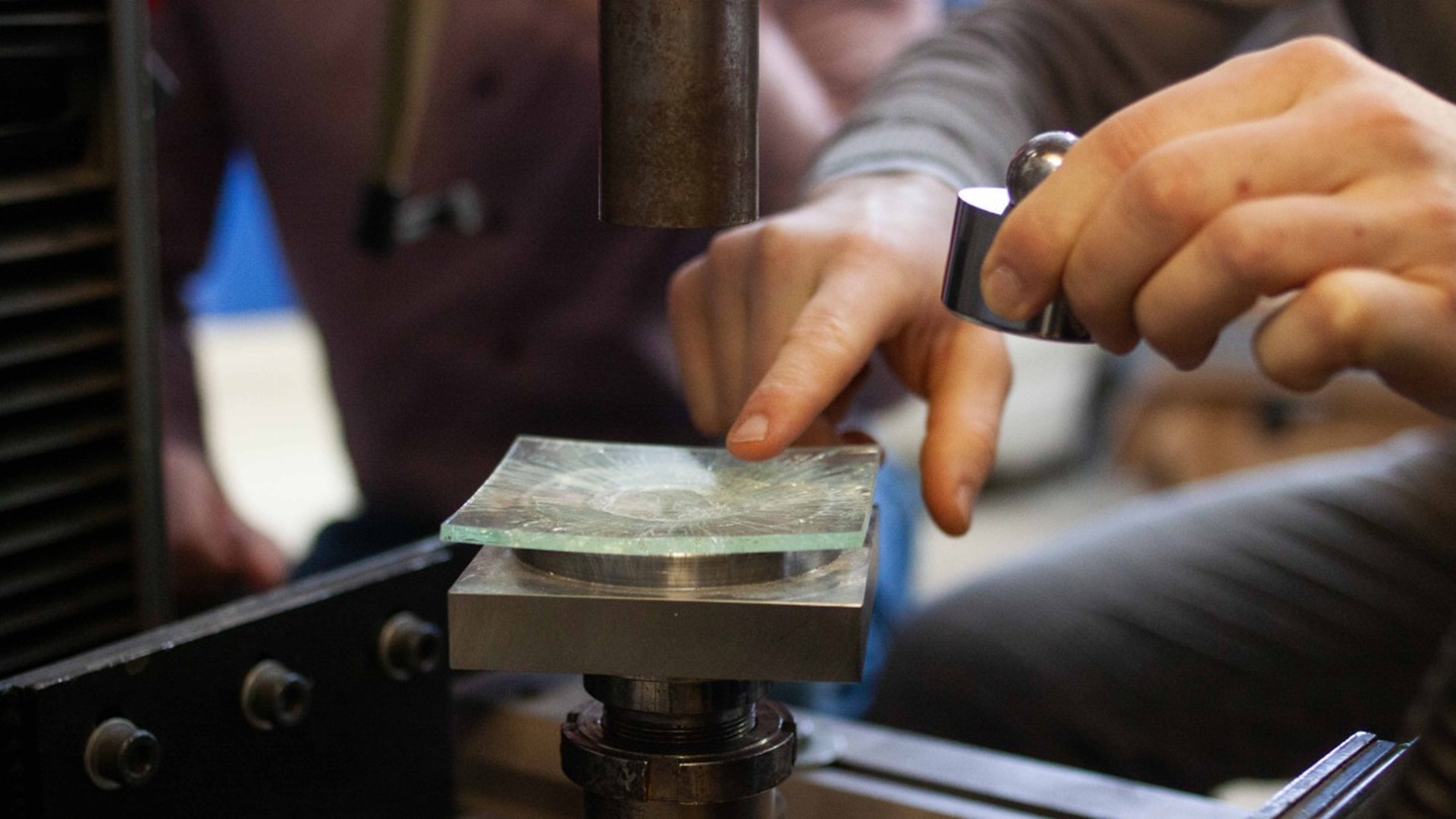
Germany discovers how to reuse old window glass without melting anything and can transform 220,000 tons per year into new high-performance panels, using material from nearly 150 million old windows that would be discarded.

This increases pressure on sensitive bacteria and gives an advantage to those that already carry resistance mechanisms. In practice, lack of water can accelerate a silent and persistent biological selection.
This movement is concerning because the soil acts as a large reservoir of microbial life. When this environment changes, the effects can extend beyond the field and reach larger chains of microorganism circulation.

The impact appears alongside data from hospitals in several countries
The connection becomes stronger when the topic moves from the environment to human health. The study relates drier conditions to higher average rates of clinical antibiotic resistance in global hospital data.
The analysis involves 116 countries, a number that amplifies the weight of the analysis and places the topic on an international scale. It is not just a local or isolated effect.
This does not mean that every resistant infection is born from drought. But it indicates that climate can act as an additional factor in a crisis that is already advancing due to the excessive and inappropriate use of these medications.
According to Nature Microbiology, an international scientific journal of microbiology research, drought concentrates natural antibiotics in the soil and favors bacteria with greater resistance capacity.
This possible pathway helps explain why aridity can have repercussions beyond the natural environment. When antimicrobial compounds become more concentrated, sensitive bacteria lose space and resistant ones gain an advantage.
The relevance of the finding lies precisely in this bridge between ecology and medicine. What happens in the soil can influence, even if indirectly, a problem that later appears in tests, treatments, and hospitalizations.
For this reason, the topic is also on the radar of global health specialists. The crisis of bacterial resistance is no longer seen solely as a result of medication use and begins to include changes in climate and the environment.
The problem adds to a global crisis that is already pressuring hospitals
Antibiotic resistance is already one of the greatest threats to current health. When a bacterium stops responding to treatment, the risk of complications increases, and recovery time may be prolonged.
This affects everything from common infections to more severe cases, impacting surgeries, intensive therapies, and procedures that depend on strict infection control. The burden falls on patients, medical teams, and health systems.
With the expansion of dry periods and more intense extreme weather, concern grows. The combination of heat, aridity, and greater difficulty in treating infections changes the scale of the challenge.
The link between climate and health may gain new strategic weight
The main change lies in how to view the crisis. Combating resistant bacteria may require more than just reducing the improper use of antibiotics.
It also becomes important to care for water, sanitation, environmental quality, and monitoring areas affected by prolonged droughts. The problem becomes broader and more difficult to contain when climate enters the equation.
This type of evidence reinforces a more integrated view of public health. The advancement of bacterial resistance may depend as much on medical decisions as on environmental conditions that worsen year after year.
The effect may be slow, silent, and harder to perceive
Drought is often seen through obvious images, such as low rivers, cracked soil, and losses in the field. Meanwhile, the advance of resistance appears in a much less visible way, often only when treatment fails.
This difference makes the risk even more delicate. The process can grow out of sight, while the environment becomes more hostile and bacteria become better prepared to survive.
When these two scenarios meet, the impact ceases to be merely environmental. It begins to affect hospitals, health policies, and long-term planning.
The reading that emerges is direct. A drier planet may not only represent less available water but also more difficulty in containing infections. This amplifies global health pressure and changes the strategic reading.








Seja o primeiro a reagir!