





 Portuguese
  English
  Spanish
  4 min of reading
  0 comments


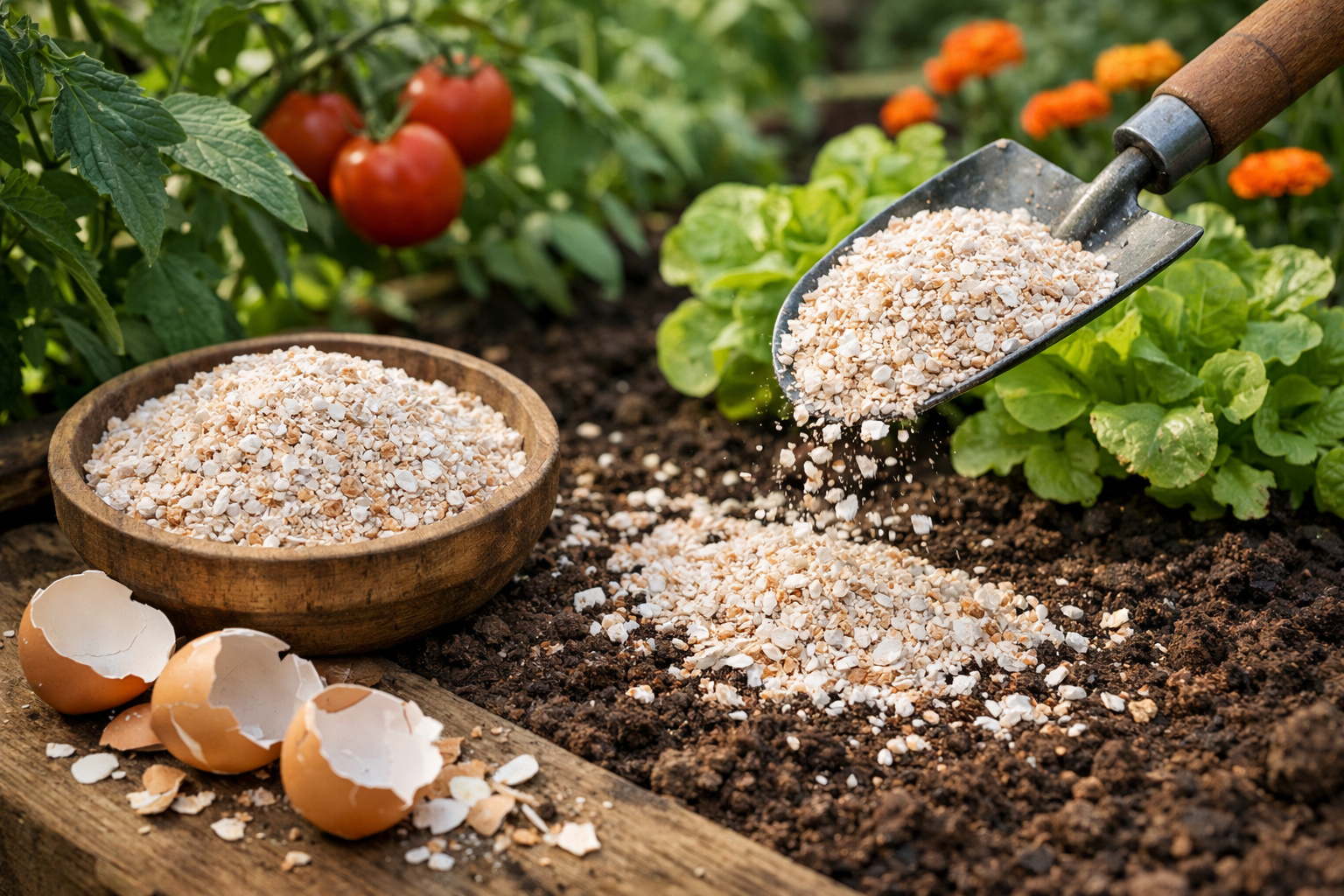
Reused simply, egg shells provide calcium slowly, improve soil structure, and contribute to more sustainable gardens, reducing household waste without additional costs or negative environmental impacts.
Egg shells, often discarded in household kitchens, have a chemical composition that sparks interest in horticulture. Studies and technical materials from agricultural extension indicate that about 95% of the shell is made up of calcium carbonate, the same compound found in agricultural lime used for soil correction.
The most relevant fact is that this material, when crushed, can act as a slow source of calcium for the soil, contributing to plant development over time. Despite being a common waste, its composition allows for useful applications when used properly.
How calcium from egg shells works in plant development
Calcium is an essential nutrient for plants, playing a structural role in cell walls and contributing to the healthy growth of plant tissues. When incorporated into the soil, the calcium carbonate present in egg shells undergoes a gradual decomposition process.
-
This farm in the United States does not use sunlight, does not use soil, and produces 500 times more food per square meter than traditional agriculture: the secret lies in 42,000 LEDs, hydroponics, and a system that recycles even the heat from the lamps.

-
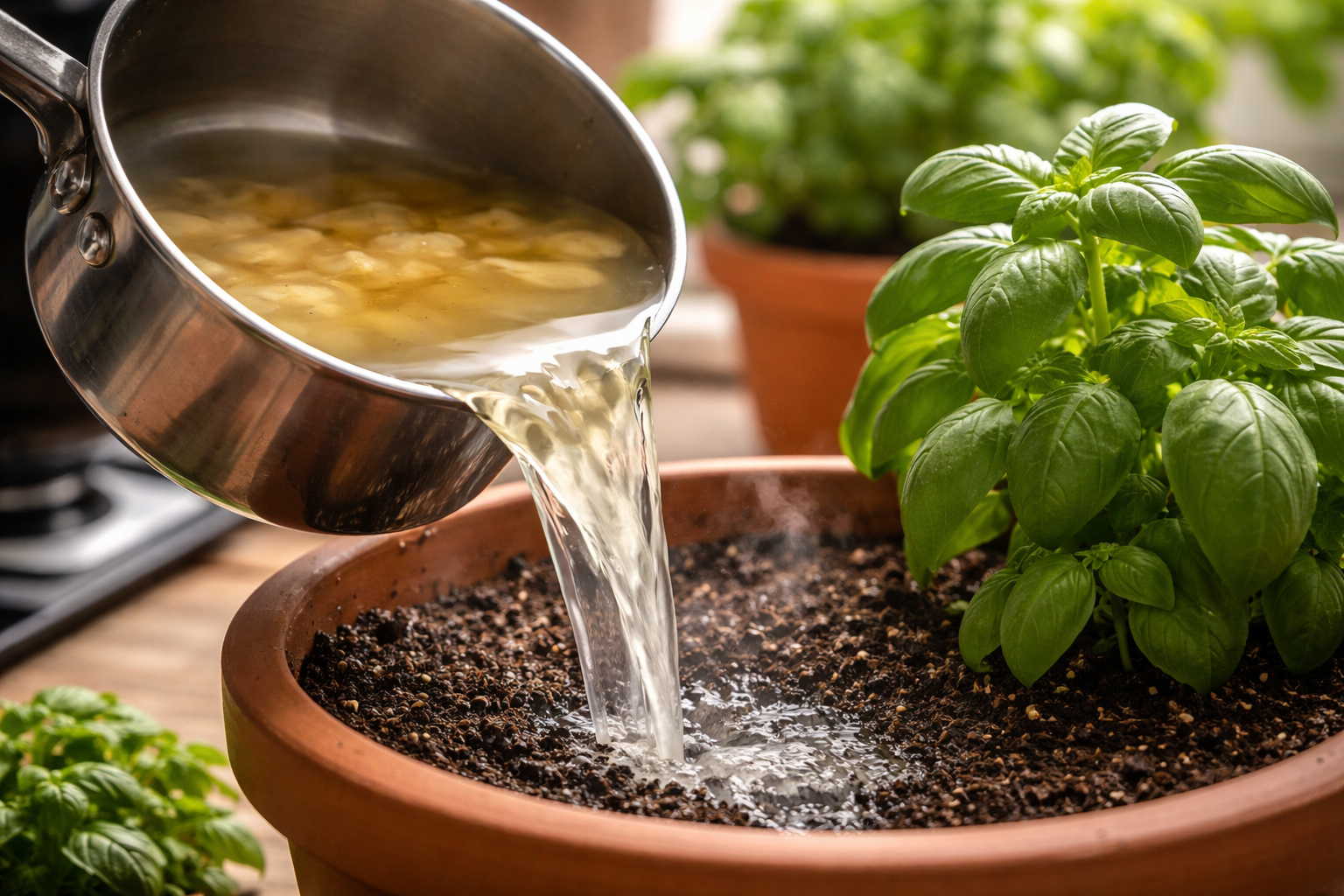
The water that almost everyone throws away after cooking potatoes carries nutrients released during the preparation and can be reused to help in the development of plants when used correctly at the base of gardens and pots, at no additional cost and without changing the routine.
-
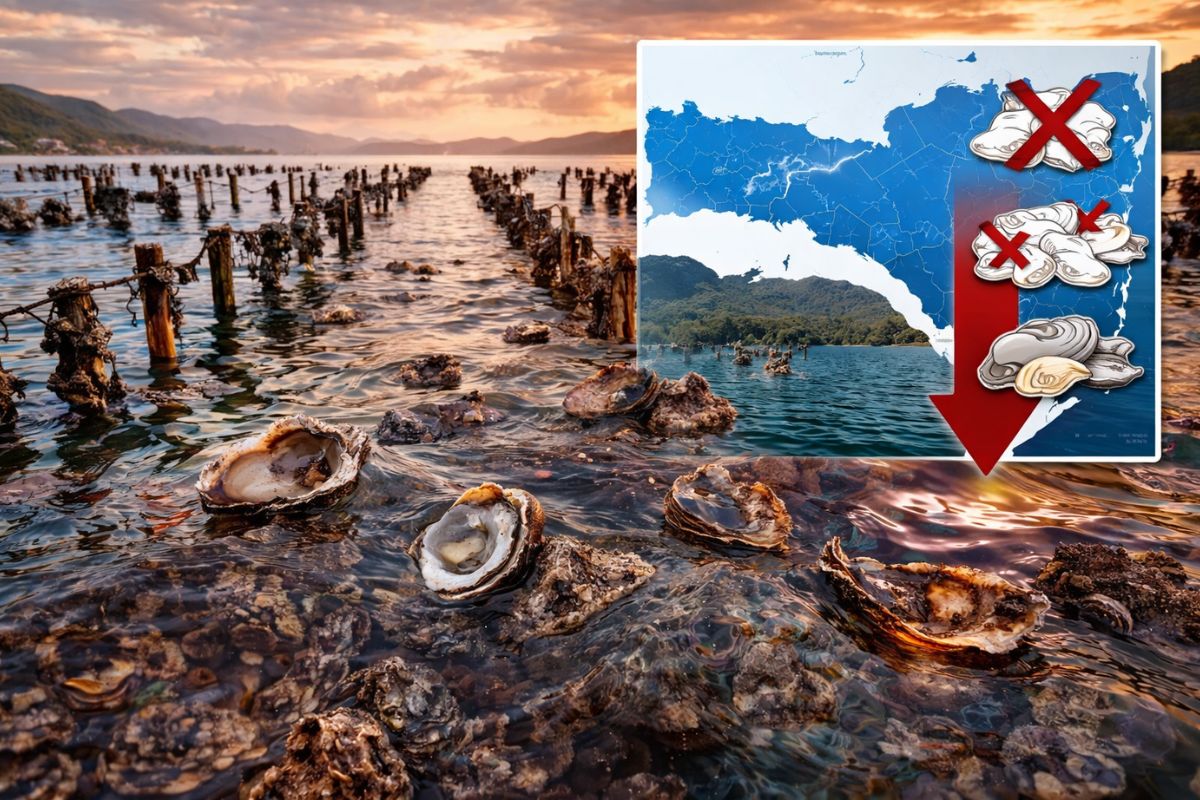
The sea water temperature rose from 28 to 34 degrees in Santa Catarina and killed up to 90% of the oysters: producers who planted over 1 million seeds lost practically everything and say that if it happens again, production is doomed to end.
-
An Indian tree that grows in the Brazilian Northeast produces an oil capable of acting against more than 200 species of pests and interrupting the insect cycle, gaining ground as a natural alternative in soybean, cotton, and vegetable crops.



This process releases calcium slowly, allowing for progressive absorption by the roots. This characteristic differentiates egg shells from fast-acting fertilizers, which release nutrients immediately.
Decomposition process determines the efficiency of use
The effectiveness of egg shells as a nutrient source is directly linked to their level of fragmentation. Whole shells or large pieces take a long time to decompose.
When crushed into a fine powder, the contact area with the soil increases significantly, speeding up the process. Granulometry is a decisive factor for nutrients to be released more efficiently. Even so, the release remains gradual, which limits its use as an immediate solution.
Difference between egg shells and agricultural lime
Although they share the same main compound, egg shells and agricultural lime have important differences. Lime is industrially processed to achieve specific granulometry and high efficiency in correcting soil acidity.
Egg shells, on the other hand, have variability in composition and application methods. This means that, despite containing calcium carbonate, egg shells do not replace lime on an agricultural scale. Their use is more suitable for domestic applications and in small quantities.
Correct use requires crushing and incorporation into the soil
For egg shells to have any effect on the soil, they must be crushed and incorporated into the earth. Simply placing them on the surface tends to reduce their effectiveness.

After crushing, the material can be mixed into the soil or added to composting. Incorporating it into the soil facilitates contact with microorganisms, which aid in the decomposition of the material. This process is essential for the release of nutrients.
Application in home gardens and potted plants
The use of egg shells is more indicated for home gardens and plants grown in pots, where soil control is more direct. In these environments, small amounts can be used without compromising the balance of the system.
Application can be done periodically, as a complement to fertilization. This practice is especially common in home cultivation systems and permaculture. In these contexts, the reuse of waste is valued.
Do egg shells solve everything? Unraveling myths and reality
Relationship with apical rot of tomatoes is limited
One of the most widespread uses of egg shells is associated with the prevention of apical rot in tomatoes. However, this relationship is not direct. Apical rot is more related to the plant’s difficulty in absorbing calcium, usually caused by irregular irrigation.
The slow release of calcium from egg shells is not sufficient to correct this problem immediately. Therefore, their use should not be considered a solution for this condition.
Effect on soil pH occurs slowly
The calcium carbonate present in egg shells can contribute to the neutralization of soil acidity. However, this effect occurs gradually and is limited. The amount needed to significantly alter pH is high. In domestic applications, the impact on pH tends to be discreet. For more intense corrections, specific inputs are needed.

Use as a barrier against pests lacks consistent proof
The idea that crushed egg shells function as a physical barrier against slugs and snails is widely spread but lacks consistent scientific proof. These organisms can move over irregular surfaces without much difficulty. The effectiveness of egg shells as a pest control method is considered limited. Other strategies are more suitable for this purpose.
Reuse contributes to reduction of household waste
Even with limitations, the use of egg shells in the soil fits into practices of reusing organic waste. Instead of being discarded, the material can be reintegrated into the productive cycle.
This approach reduces the volume of waste and contributes to more sustainable practices. The reuse of organic materials is one of the foundations of sustainable cultivation systems. This concept is widely adopted in domestic horticulture.

Complementary use with gradual effect on soil
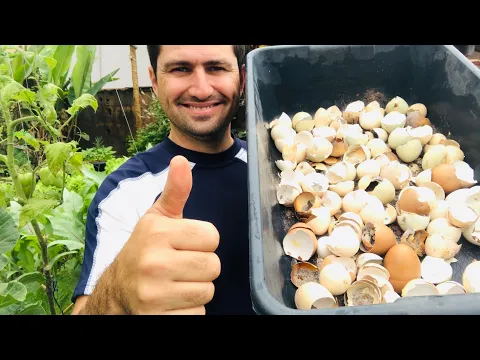
Egg shells, primarily composed of calcium carbonate, can be used as a complement in plant nutrition when crushed and incorporated into the soil. Its effect is gradual and depends on factors such as granulometry and soil conditions.
Although it does not replace fertilizers or agricultural correctives, its use can contribute to enriching the soil in domestic environments. This practice represents a simple way to reuse waste and integrate nutrients into the cultivation system, without immediate impact, but with benefits over time.









Seja o primeiro a reagir!