





 Portuguese
  English
  Spanish
  7 min of reading
  0 comments


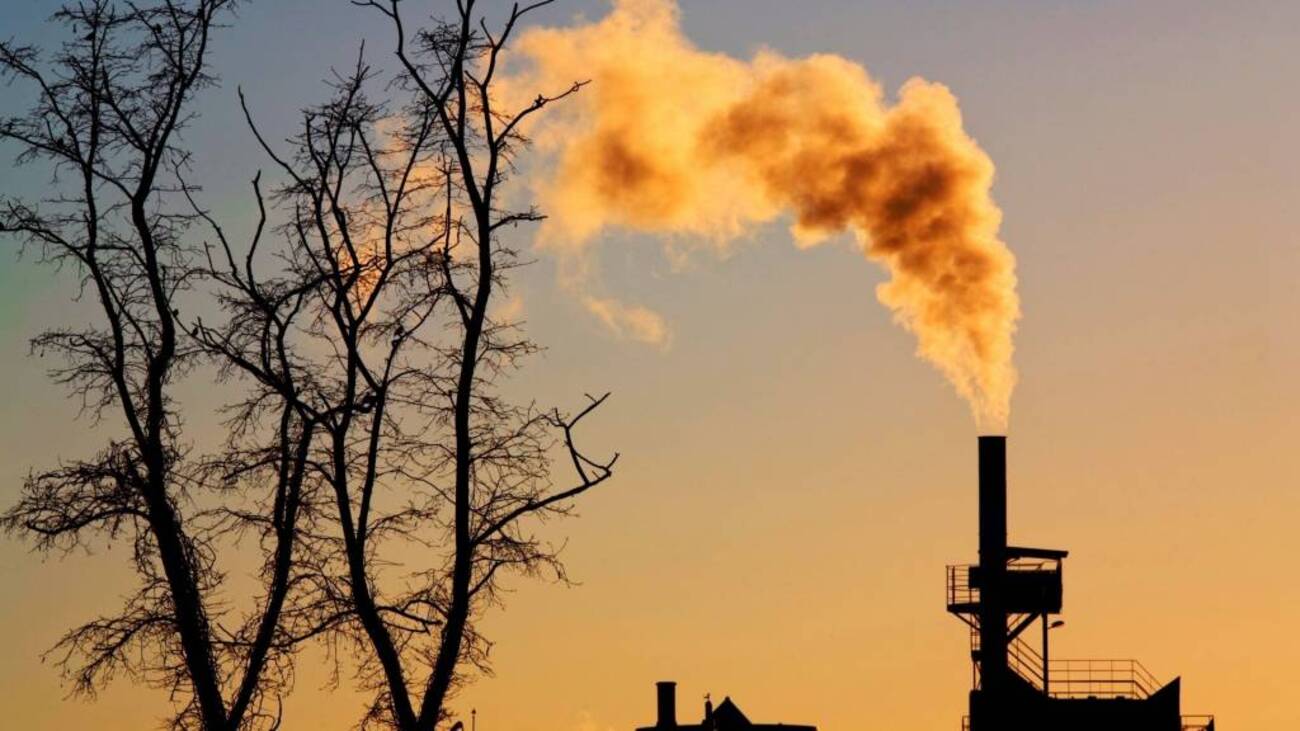
The international energy market is going through an irreversible transformation, where governments and major oil companies redirect billions of dollars to ensure the transition away from fossil fuels and secure economic survival in a decarbonized world.
The global economy has initiated a coordinated movement to accelerate the transition to away from fossil fuels, prioritizing renewable sources such as green hydrogen, offshore wind energy, and advanced biofuels.
This process gains momentum in 2026, driven by stringent climate goals and the need for energy sovereignty in the face of volatile oil and natural gas prices.
In Brazil, Petrobras and other industry giants are already implementing decarbonization schedules that transform traditional refineries into clean energy hubs. The federal government is also establishing regulatory milestones that encourage the replacement of diesel and gasoline with low-emission alternatives.
-
Brazilians paid R$ 18 billion more for energy from the Itaipu plant, reflecting a direct impact on tariffs and generating discussions about costs, transparency, and balance in the national electricity sector.
-
Equatorial adopts new national number for consumer units on electricity bills starting in April, following ANEEL standards and modernizing energy bills in several states.

-
Itaipu Impresses the World: Hydroelectric Plant with 20 Turbines and 14,000 MW Generates Over 2.9 Billion MWh and Leads Global Clean Energy Production

-
Aneel Revokes CMAA Thermal Power Plants After Network Restrictions and Excess Energy in the System

This structural change affects everything from the logistics of large industries to domestic consumption, promising to reduce the global carbon footprint and create a new market for “green commodities.”
Experts point out that nations leading this technological migration will hold economic control for the coming decades, leaving behind the historical dependence on coal and conventional hydrocarbons.
Brazil’s prominence in the journey away from fossil fuels
Brazil occupies a privileged position in the global race to move further away from fossil fuels. Unlike many European countries, Brazil already has a predominantly renewable energy matrix, supported by hydropower, wind farms, and solar plants.
This solid foundation allows the country to produce so-called “green steel” and other industrial products with very low carbon emissions, attracting investors seeking sustainable assets.
The abundance of arable land also favors the expansion of biofuels. Second-generation ethanol (E2G) and high-performance biodiesel emerge as immediate solutions for the fleet of trucks and buses that still depend on fossil diesel.
By strengthening these sources, Brazil reduces the need for imported petroleum derivatives, protecting its trade balance and ensuring that the wealth generated by energy remains within national borders.
The agribusiness sector, therefore, acts as a fundamental pillar in this energy transition, transforming organic waste into high-tech fuel.
Oil companies reinvent themselves as total energy companies
Major oil and gas companies no longer ignore the need to move away from fossil fuels. Companies like Shell, BP, and the Brazilian Petrobras are changing their statutes to define themselves as “energy companies.”
This means that profits from pre-salt oil are now financing the installation of massive offshore wind turbines and the construction of electrolysis plants to produce hydrogen.

This business survival strategy avoids the risk of “stranded assets,” billion-dollar infrastructures that could lose value if the world suddenly stops consuming oil. The transition occurs pragmatically: companies utilize technical knowledge in subsea engineering and fluid logistics to lead the clean energy market.
Thus, the professional who currently operates an oil platform receives training to work in energy storage centers or in carbon capture units, ensuring the maintenance of skilled jobs in 2026.
What is carbon capture and storage (CCS)?
One of the most fascinating concepts on the path to away from fossil fuels is the technology of Carbon Capture and Storage, known by the acronym CCS. This technique allows industries that still need to burn fossil fuels, such as cement or fertilizer production, to capture carbon directly from the chimney before it reaches the atmosphere.
The captured gas undergoes a compression process and travels through pipelines until it is injected into deep geological reservoirs, often in depleted oil wells. There, the carbon is safely stored for thousands of years.
This technology acts as a “giant filter” for the planet, allowing the transition to occur without paralyzing vital sectors of the economy that still lack 100% electric alternatives. Brazil is therefore studying the use of saline cavities in the pre-salt to become one of the largest carbon deposits in the world, creating a new revenue stream for the national industry.
The green hydrogen revolution in heavy industry
For the world to definitively move away from fossil fuels, the heavy industry needs a worthy substitute for natural gas. Green hydrogen (H2V) emerges as the definitive solution.
It carries immense energy density and, when burned, releases only water vapor. The production process uses water electrolysis powered by solar or wind energy, ensuring zero emissions from start to finish.
The Brazilian Northeast is emerging as a global hub for this technology. With strategically located ports and constant winds, states like Ceará and Rio Grande do Norte attract billion-dollar projects from European companies.
The hydrogen produced in these plants can be transformed into green ammonia for fertilizers or exported in special tankers. This new energy commodity promises to replace the geopolitical role that oil played in the 20th century, placing Brazil at the center of global energy decisions.
Urban mobility: The end of internal combustion engines?
The transition away from fossil fuels reaches its peak in the transportation sector. By 2026, the supply of electric and hybrid vehicles reaches more affordable prices, encouraging the average consumer to abandon gasoline. Cities like São Paulo and Curitiba already operate fleets of 100% electric buses, reducing noise pollution and improving air quality.


However, Brazil bets on its own route: hybridization with ethanol. This technology combines the electric motor with the efficiency of Brazilian biofuel, creating the “cleanest car in the world” in terms of complete life cycle (from well to wheel).
Unlike countries that rely on coal to generate electricity to charge batteries, Brazil uses the photosynthesis of sugarcane to store solar energy. This practical approach ensures that the national fleet moves away from oil without requiring the immediate replacement of the entire existing fuel station infrastructure.
Real impact: How does the transition affect energy prices?
Many consumers question whether moving away from fossil fuels will make energy more expensive. In the short term, investments in new technologies require heavy capital, which may reflect in tariffs. However, the trend for 2026 and subsequent years points to a structural reduction in costs. Sources such as solar and wind already have the lowest generation cost per megawatt-hour (MWh) in history.
The real economy feels the benefit when the country stops relying on imported commodities priced in dollars. When Brazil generates its own energy from wind and sun, it shields domestic consumers from geopolitical crises in the Middle East or Eastern Europe.
This tariff stability allows industries to plan long-term investments, generating a cycle of sustainable economic growth that does not depend on fluctuations in the price of Brent crude oil.
Logistical challenges and the need for strategic minerals
The journey away from fossil fuels requires a massive amount of minerals that previously had little demand. Lithium, copper, nickel, and rare earths are the new essential components for manufacturing batteries, solar panels, and electric motors. Brazil has significant reserves of these minerals, especially in states like Goiás and Minas Gerais.
Sustainable mining thus becomes a critical link in the energy transition. The challenge lies in extracting these resources with the least environmental impact possible, ensuring that the “cleanliness” of the energy matrix does not come at the expense of local biome degradation.
The Brazilian government enforces strict regulations to ensure that mineral extraction in 2026 adheres to international ESG (Environmental, Social, and Corporate Governance) standards, consolidating the country’s image as an ethical supplier for the new global economy.
The role of smart cities in decarbonization
Moving away from fossil fuels also depends on the efficiency of our cities. The concept of Smart Cities uses data and artificial intelligence to optimize energy consumption.
Smart traffic lights that reduce waiting time for cars, LED street lighting with presence sensors, and smart electrical grids (Smart Grids) are key pieces of this puzzle.

These technologies allow energy generated by solar panels on rooftops to be shared with neighbors automatically. The consumer stops being just a customer and becomes a “prosumers” (producer and consumer).
This empowerment of citizens decentralizes the energy matrix, making the system more resilient against blackouts and reducing the need to activate polluting thermal power plants during peak consumption times.
Geopolitics: The new order of clean energy
The transition away from fossil fuels redraws the map of global power. Nations that were once rich solely because they had oil now need to adapt. Brazil, with its diversified matrix, gains diplomatic relevance.
The country acts as an important mediator in international forums, such as the COP (United Nations Climate Change Conference), advocating for developed countries to finance technological transitions in developing nations.
Energy sovereignty in 2026 does not just mean having oil reserves, but having the technology to generate cheap and clean energy. Control over hydrogen patents and battery supply chains will define who the global leaders will be.
By investing in science and innovation, Brazil ensures that it will not only be a buyer of foreign technology but an exporter of energy intelligence to the entire southern hemisphere.
An irreversible path to sustainability
Moving away from fossil fuels is no longer an ideological choice but an imposition of climatic and economic reality. The world of 2026 demands quick, practical, and scalable solutions.
Brazil demonstrates that it has the natural resources and human capital necessary to lead this change, transforming environmental challenges into business and social development opportunities.
The end of the supremacy of fossil fuels will not happen overnight, but the foundation for the future has already been laid.
With each new wind farm inaugurated, each planned green hydrogen factory, and each electric bus circulating the streets, the country distances itself from its carbonized past and approaches a cleaner tomorrow. The energy transition is the engine that will drive Brazilian growth in the coming decades, ensuring a livable planet and a prosperous economy for future generations.









Seja o primeiro a reagir!