





 Portuguese
  English
  Spanish
  7 min of reading
  0 comments


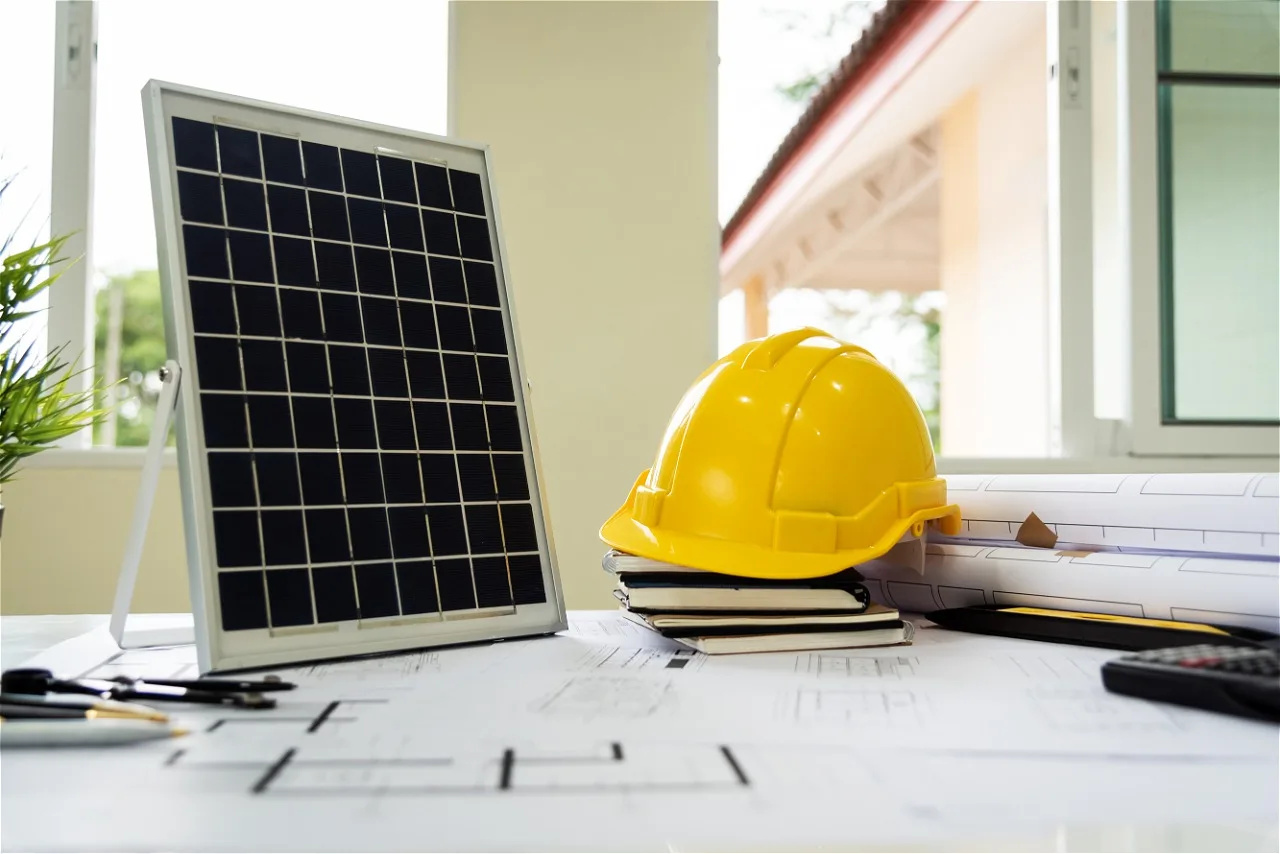
Virtual Power Plants connect distributed systems to optimize the grid and offer new strategies for monetizing solar energy through the sale of reserve and load stabilization services.
The arrival of Virtual Power Plants (VPPs) profoundly changes the monetization of solar energy in Brazil, allowing panel and battery owners to profit by supplying electricity to the grid at strategic moments.
VPPs operate as a digital command center that aggregates thousands of small residential and commercial solar systems, operating them as if they were a single large power plant.
In April 2026, this technology stops being just a technical promise and becomes a real financial tool, where smart software sells surplus energy to the free market or to distributors when prices peak.
-
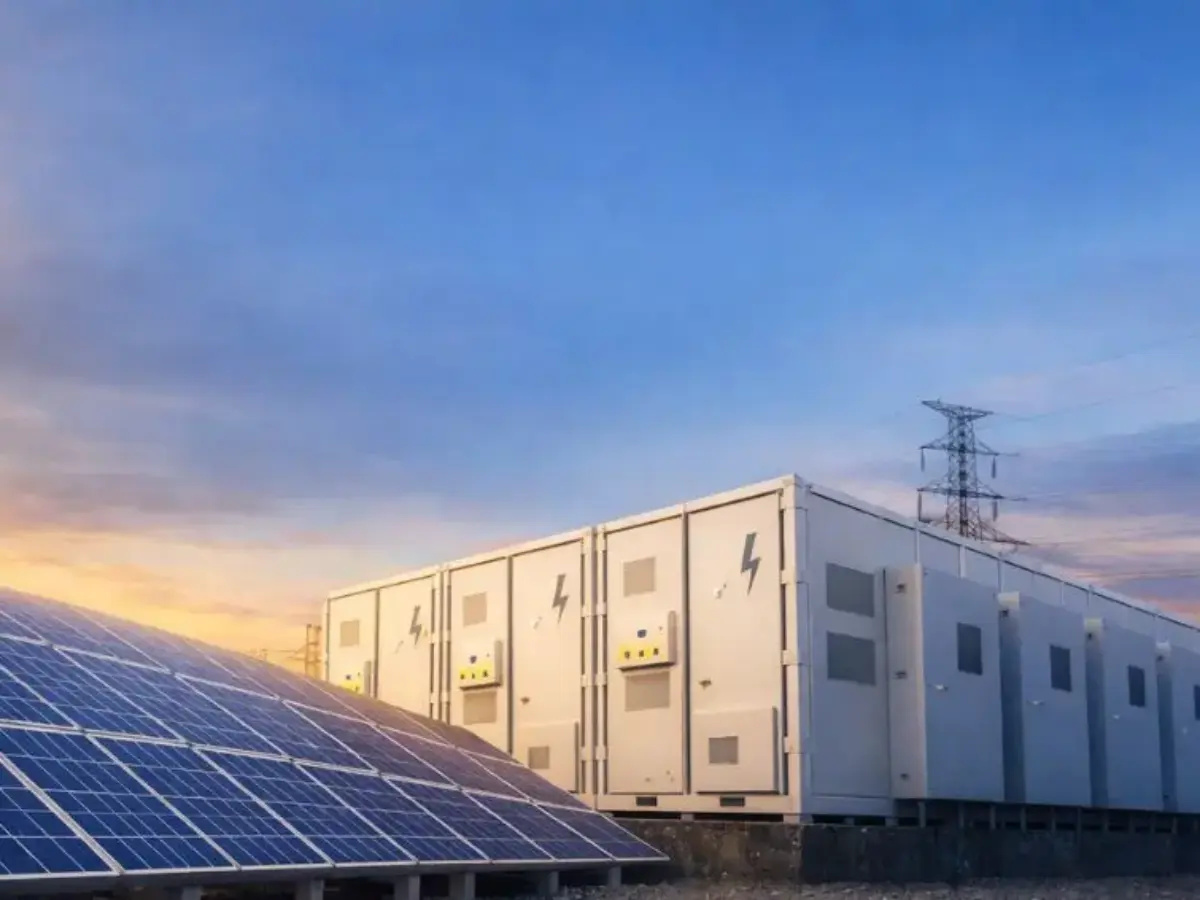
Revolution in the electric sector: ANEEL approves the operation of the first BESS project co-located with a solar plant in Brazil to stabilize the grid and optimize renewable generation in 2026.
-
Sustainable culture in motion: Cine Céu travels through Brazilian cities and promotes free and clean entertainment through the use of solar-powered cinema.

-
New boat with hybrid technology and solar energy stands out by increasing autonomy at sea and reducing consumption, consolidating the innovative proposal of Greenline Yachts in the nautical sector.

-
Solar energy gains strength with the Barro Alto solar complex, which increases renewable energy production in Brazil, creates jobs, strengthens the clean matrix, and transforms the electric sector with innovation and sustainability.
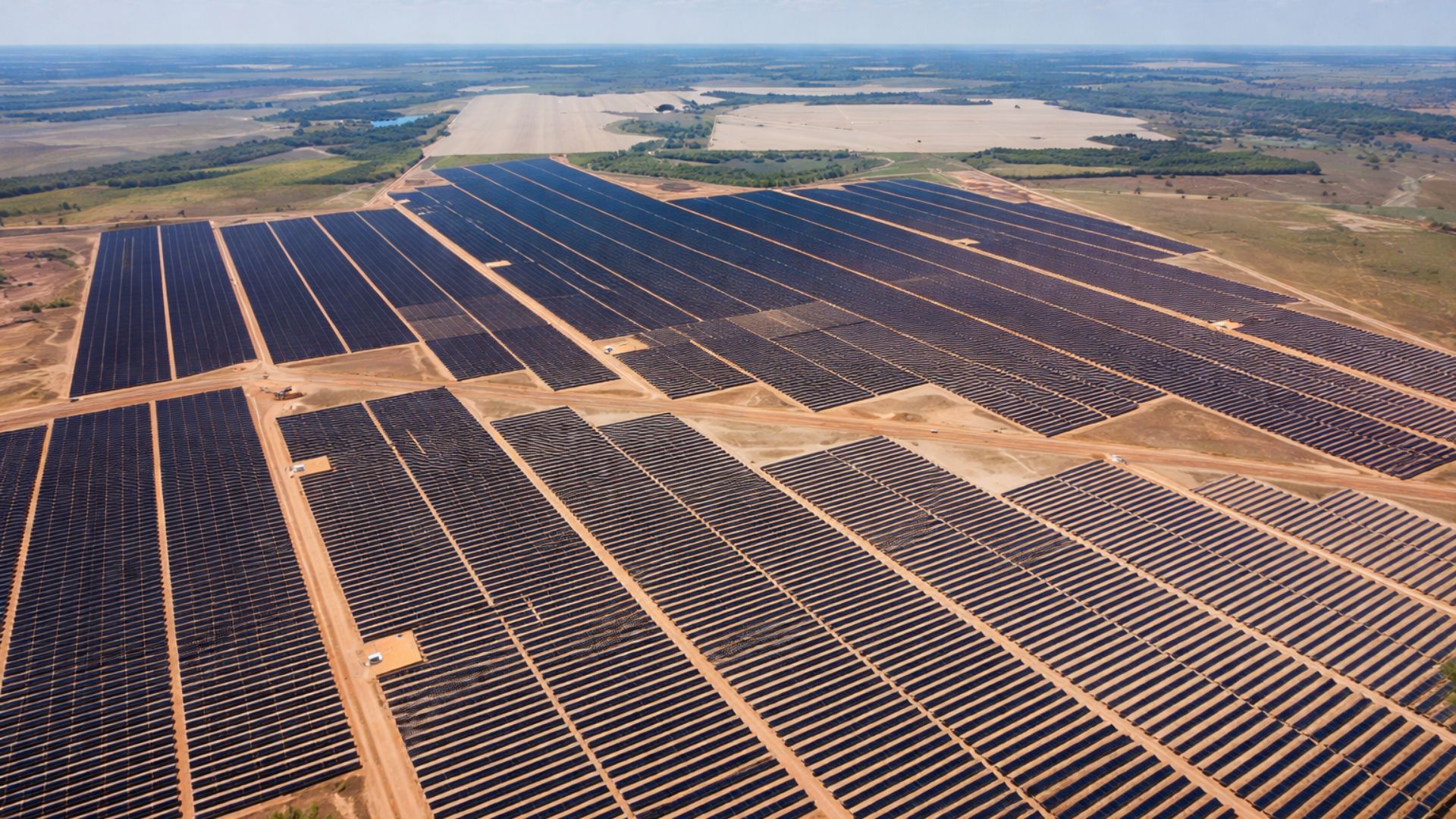
The system automatically manages load and storage, ensuring that consumers save on their bills and receive credits or cash payments for assisting in the stabilization of the National Interconnected System (SIN).
This innovation addresses the challenge of intermittency of renewable sources and transforms the “prosumers” into active agents in the electricity market, accelerating the return on investment (ROI) of photovoltaic systems across the country.
What is a VPP and how does it add value to the system?
A Virtual Power Plant has no walls or chimneys; it exists through algorithms and internet connection. The concept unites various distributed energy resources, such as solar rooftops, storage batteries (BESS), and even electric cars.
The central software monitors the production of each point and decides in real-time whether to store the energy, consume it locally, or inject it into the public grid.
The monetization of solar energy through VPPs occurs because the electrical grid needs constant balance between supply and demand. When many people turn on their air conditioning simultaneously, demand spikes sharply.

At that moment, the VPP instructs thousands of residential batteries to inject load into the system in a coordinated manner. For the distributor, this service is much cheaper than turning on an emergency thermal power plant. Therefore, the company compensates the VPP, which passes part of the profit to the owners of the participating solar systems.
The importance of battery storage in the new economy
Without batteries, solar energy is limited to the period of light incidence. With storage, profit potential grows exponentially. Batteries allow the system to store cheap electricity generated at noon to sell it at 6 PM, when spot market prices are considerably higher.
This ability to “shift” load in time is the secret to an efficient monetization of solar energy. In 2026, the costs of lithium and sodium batteries show significant declines, making the “Solar + Storage” combination the gold standard for energy investments.
VPPs use artificial intelligence to predict weather and market prices, ensuring that the battery always operates in the most profitable configuration for the property owner, without them needing to understand engineering or finance.
How can your electric car generate money?
Many electric vehicle (EV) owners still do not know, but their cars are giant batteries on wheels. Through V2G (Vehicle-to-Grid) technology, the Virtual Power Plant can use the charge of the car parked in the garage to support the electrical grid during a consumption peak.
Imagine that you arrive home and plug your car into the outlet. If the grid needs support, the VPP takes a small percentage of your vehicle’s battery (within the limits you set) and pays for that service.
Before you leave in the morning, the system ensures that the battery is full again, using cheap solar energy from the previous day or from the grid during the night. This integration transforms the car from an expense into a revenue-generating asset, changing the logic of urban mobility and sustainability.
Real impact: Cost reduction for the end consumer with the monetization of solar energy
The democratization of VPPs directly impacts the Brazilian consumer’s wallet. By optimizing the use of monetization of solar energy, the system reduces the need for heavy investments in new transmission lines and large hydroelectric plants, costs that normally end up in the electricity bill of all citizens.

In addition to direct revenue from energy sales, a participant in a VPP reduces waste. The software prevents generated energy from being lost or injected into the grid at times of low valuation.
In the free energy market, this precision reflects in cheaper contracts and greater financial predictability for small and medium enterprises. The practical result is an electricity bill that can reach zero, or even become positive, generating financial credit for the user.
The role of regulation and the new legal framework for GD
The modernization of Brazilian laws allows VPPs to operate with legal security. The ANEEL and the Ministry of Mines and Energy are working on regulations that facilitate data aggregation and payment for ancillary services for small generators. This market opening encourages the entry of energy technology startups (Energytechs), which develop the management platforms for virtual power plants.
Until recently, only large industries participated in the demand response market. Now, technology breaks this barrier. The legal framework for Distributed Generation (GD) evolves to recognize that the consumer is not just a passive customer, but a provider of essential services for the country’s energy security.
This regulatory change attracts global investors looking for an ideal laboratory in Brazil for smart grid solutions.
VPPs and security against blackouts
Virtual power plants function as an immune system for the electrical grid. If a transmission line fails or a lightning strike hits a substation, the VPP can react in milliseconds. It disconnects non-essential loads or injects energy from thousands of batteries spread throughout the city, preventing a local failure from turning into a widespread blackout.
This resilience is one of the greatest added values for the monetization of solar energy. Governments and municipalities are beginning to encourage the installation of solar systems with batteries in public buildings and schools to form mini-VPPs for security.
In situations of natural disasters or water crises, these energy cells ensure that essential services continue to function, proving that solar technology goes far beyond simple financial savings.
The use of Artificial Intelligence in energy management
The brain of a VPP is Artificial Intelligence. The algorithms process billions of data per second, including satellite weather forecasts, historical consumption behavior, and fluctuations in the energy market. AI decides when is the exact moment to charge the battery with solar energy or when to discharge it to the grid.
This automation removes complexity for the average user. For the homeowner, the experience boils down to an app on their phone that shows how much they saved and earned in the month.
Behind this simple interface, AI works to extract maximum efficiency from each installed solar panel. This technology ensures that the monetization of solar energy is constant, regardless of sudden changes in clouds or energy tariffs.
Sustainability and the end of “dirty” thermal plants
Each megawatt managed by a Virtual Power Plant replaces the need to activate coal or diesel-powered thermal plants. These fossil plants are the largest polluters and the most expensive in the system. By utilizing the VPP network, Brazil cleans its energy matrix and reduces greenhouse gas emissions.

The energy transition gains momentum because VPPs make renewables “controllable.” Previously, the system operator viewed wind and solar as unstable sources. Now, with digital aggregation and storage, renewables become as reliable as any other source.
The environmental impact is immense, as it allows the country to deactivate the oldest and most polluting plants, focusing on a 100% clean and distributed future.
Cybersecurity challenges and digital infrastructure
Like all data-based technologies, VPPs face the challenge of cybersecurity. Protecting thousands of connection points from hacker attacks is the priority for companies in the sector in 2026. Cutting-edge encryption systems and private communication networks ensure that no one interferes with battery control or energy flow.
The expansion of the 5G network in Brazil plays a fundamental role in this scenario. The low latency of the connection allows the VPP center to communicate instantly with solar inverters in the countryside.
This digital infrastructure is the track along which the new electricity runs. Investment in rural and urban connectivity thus becomes an investment in energy, creating an unprecedented synergy between the telecommunications and electrical infrastructure sectors.
The power of monetizing solar energy in the hands of the consumer
Virtual Power Plants represent the biggest paradigm shift in the electricity sector since the invention of the light bulb. The monetization of solar energy stops being a passive discount on the bill to become a profitable and dynamic economic activity. The consumer takes control of their own generation and contributes to a more sustainable planet.
With the advancement of storage technologies and the evolution of aggregation software, Brazil positions itself at the forefront of this revolution. The sun, which has always been an abundant resource, now works in an intelligent and coordinated manner.
The future of energy is distributed, digital, and democratized. Those who invest in smart solar systems today will be at the forefront to reap the financial benefits of this new energy era in 2026.








Seja o primeiro a reagir!