





 Portuguese
  English
  Spanish
  4 min of reading
  0 comments



Meet Fazenda Nova Piratininga, one of the largest rural properties in Brazil, its impressive transformation history, cutting-edge agricultural production, and its significant impact on the national scenario.
Fazenda Nova Piratininga stands out in Brazilian agribusiness as a true symbol of modernization, monumental scale, and productive strength. Strategically located on the border of the states of Goiás and Tocantins, it is much more than a vast expanse of land.
Uncover the multiple facets of this rural giant. We will address its impressive internal infrastructure, the turnaround in its recent history, its recognized excellence in agricultural production, and its commitment to technological innovation and environmental sustainability.
Dimensions of a Giant: Location and Infrastructure of Fazenda Nova Piratininga
Fazenda Nova Piratininga is strategically situated on the border of the states of Goiás and Tocantins. It spans the municipalities of São Miguel do Araguaia in Goiás and Araguaçu in Tocantins. Its total area registered in a single land deed is an impressive 135,000 hectares, a rarity in Brazil. Some sources indicate an operational area that may exceed 200,000 hectares. This area surpasses the size of large metropolitan areas such as New York.
-
Santa Catarina harvested 7.85 million tons of grains and exported 2 million tons of meat in 2025: a growth of almost 6% in the food industry, which is four times higher than the national average and drives the entire Brazil.

-
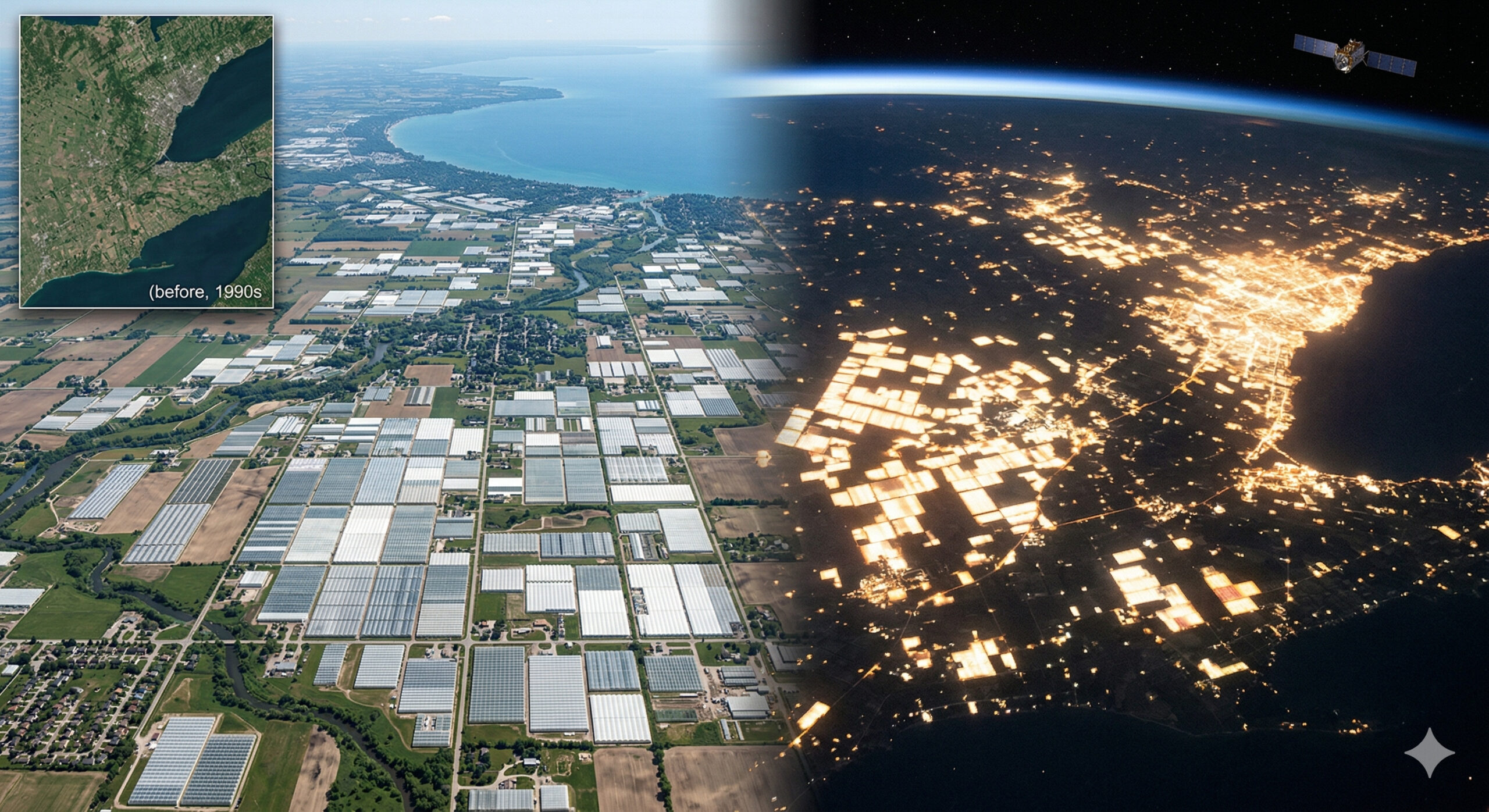
The expansion of greenhouses in southern Canada has become so intense that it has changed the appearance of the soil and even the nighttime glow of the region, transforming Ontario into one of the most visible agricultural hubs in North America from space.
-
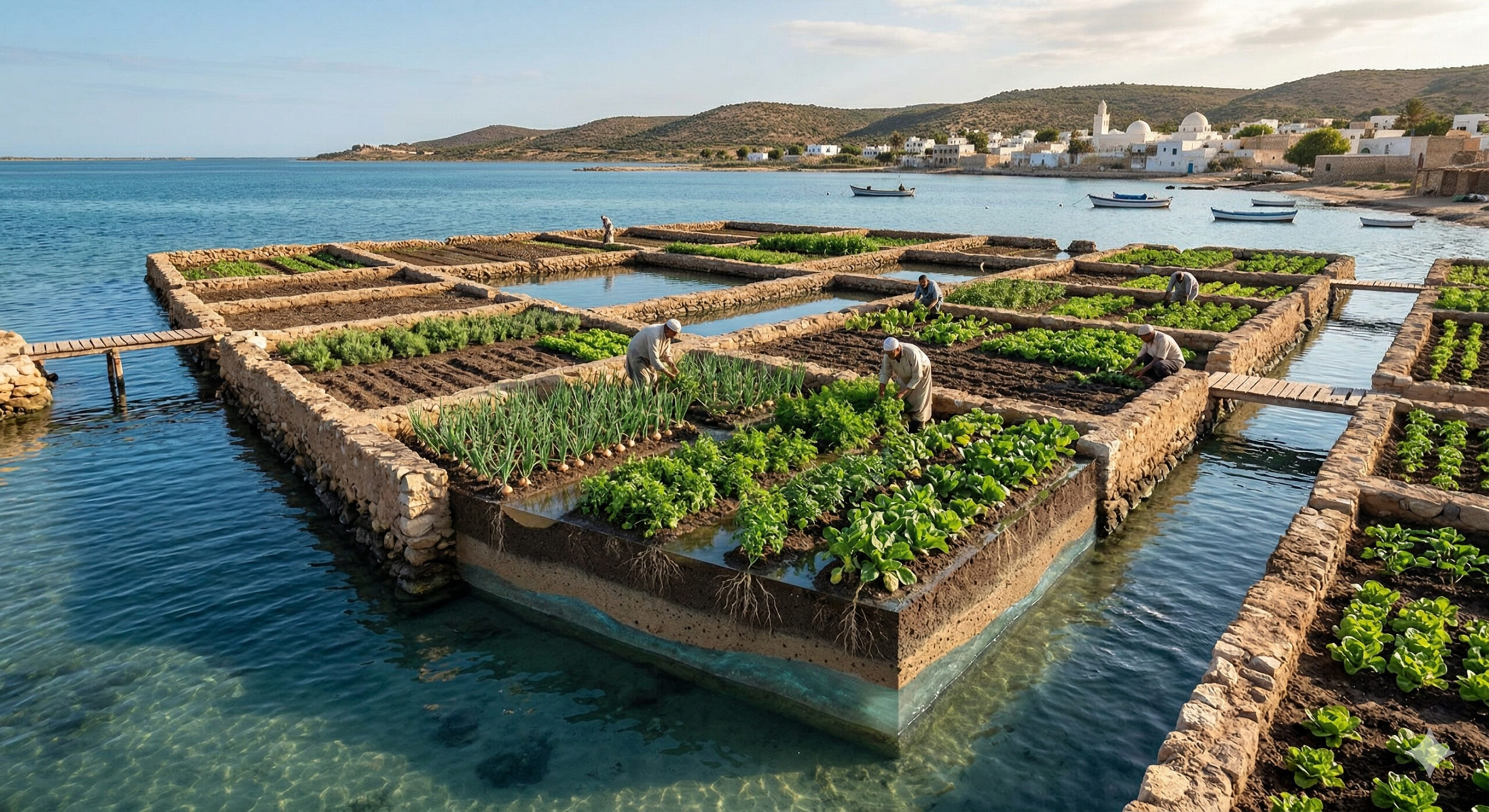
Almost nobody imagines it, but farmers in Tunisia grow food in the sand and make the roots drink fresh water that floats on top of seawater in an agricultural system considered unique in the world.
-
More than 20,000 km² of wheat fields form nearly perfect lines and geometric shapes in Montana, creating an agricultural pattern so symmetrical that the landscape looks like an abstract artwork visible from space.


To sustain this magnitude, the farm has a robust internal infrastructure. There are over 970 km of meticulously maintained internal roads, essential for production logistics. The property also features a landing strip for aircraft and a remarkable water storage capacity, which can reach 10.6 billion liters, ensuring resources for irrigation and the livestock.
From Turbulent Past to Current Power
Before becoming the example of productivity it is today, Fazenda Nova Piratininga had a turbulent past. The property belonged to businessman Wagner Canhedo, former controller of the defunct airline VASP. During this period, the farm encountered difficulties, being described as degraded due to legal proceedings.
The turning point occurred in December 2010. The farm was acquired at auction for R$ 436 million by a group of entrepreneurs with origins in the pharmaceutical sector, led by Marcelo Limírio Gonçalves, former controller of Neo Química. Since then, Nova Piratininga has undergone a profound transformation, with significant investments in modernization and active management focused on productive excellence.
The Strength of Livestock and Agriculture in Fazenda Nova Piratininga
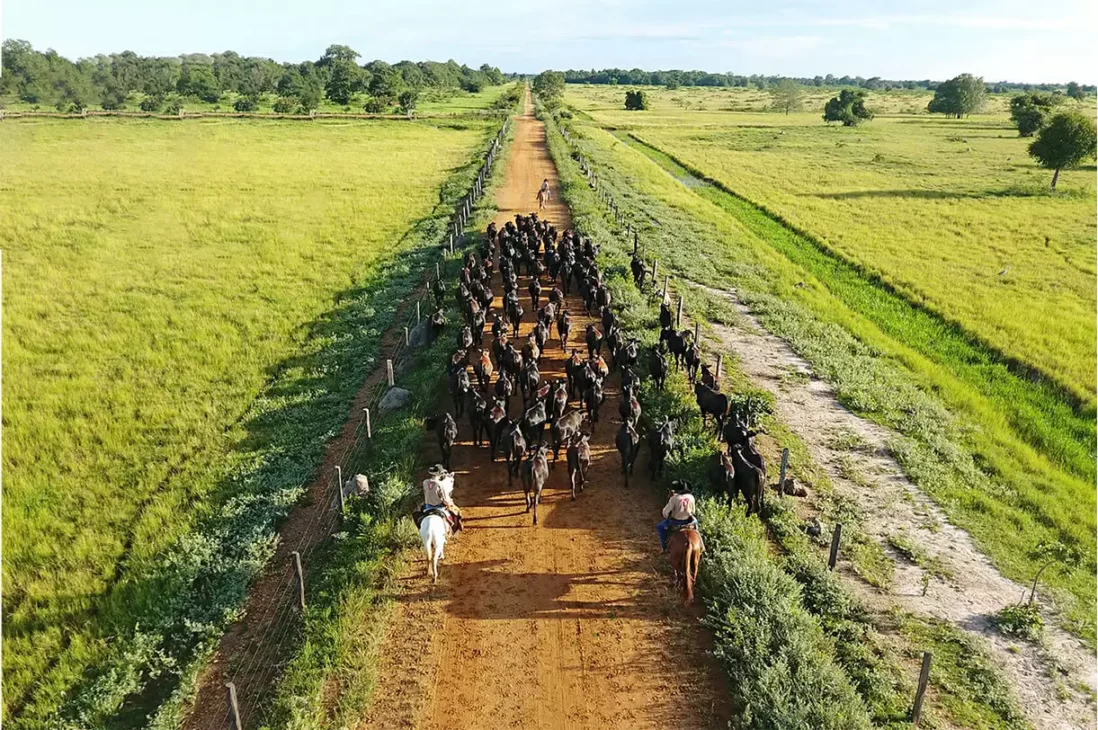
Cattle ranching is a historical pillar of Fazenda Nova Piratininga. The herd is estimated at around 120,000 head, predominantly of the Nelore breed and crossbreeds with Angus. The goal is to produce “Gado Piratininga,” a high-quality meat standard. The farm operates on a complete cycle (breeding, rearing, and fattening) and employs technologies such as Fixed Time Artificial Insemination (IATF) and total herd traceability with electronic chips.
Meanwhile, agriculture is in vigorous expansion. The focus is on soybean and corn cultivation, with ambitious plans to reach 50,000 hectares of planted area, using precision agriculture. The corn production aims, initially, for self-sufficiency for the livestock’s feed. Integrated crop-livestock (ILP) is a key practice, optimizing land and resource use.
The Pillars of Management at Nova Piratininga
The management of Fazenda Nova Piratininga is marked by constant investments in high technology. An emblematic example is the “In-House Fertilizer Factory,” which annually processes up to 10,000 tons of confinement manure into organic and organomineral fertilizers. This initiative promotes a circular economy, improves soil health, and reduces input costs.
The commitment to sustainability is evident. More than 30% of the farm’s total area is designated for environmental reserve, including Legal Reserve and Permanent Preservation Areas (APP). Notably, under current management, Nova Piratininga has no records of environmental or labor infractions. The farm also demonstrates involvement with the local community, such as participating in the establishment of a Municipal School.
Fazenda Nova Piratininga: A Benchmark in Brazilian Agribusiness and Its Horizons
Fazenda Nova Piratininga has established itself as a reference in the national agribusiness. Its vast contiguous area under a single registration differentiates it from other large agricultural groups. A “mystique” surrounds the farm, with frequent unofficial announcements of sale for billion-dollar figures, although its managers deny that it is on the market. This has made it an aspirational benchmark in the high-value rural real estate sector.
The future plans for Fazenda Nova Piratininga include the continuous expansion of agricultural area, genetic improvement of the herd, and the pursuit of self-sufficiency in grain production for feed. The goal is to consolidate a highly resilient agro-industrial system, synergistic and a model of excellence in Brazil.








Seja o primeiro a reagir!