





 Portuguese
  English
  Spanish
  4 min of reading
  0 comments



The Moon comes into focus for mining with a rover capable of collecting lunar dust, processing large volumes of soil, and searching for helium 3, a rare resource on Earth and strategic for energy, advanced technology, and new plans for occupation beyond the planet
The race for the Moon has entered a more practical phase. The focus is now not just on landing on the satellite, but on transforming the lunar surface into a support base for longer missions and permanent operations.
In this scenario, lunar regolith has gained strategic value. This layer of dust, gravel, and rock fragments can be turned into oxygen, building materials, and even components for energy generation, which reduces dependence on cargo launched from Earth.
The race for the Moon accelerates the use of local resources
The United States and China are competing for space, time, and technological capacity to reach a new stage of human presence on the Moon first. The difference now is that the goal is not just to plant a flag.
-
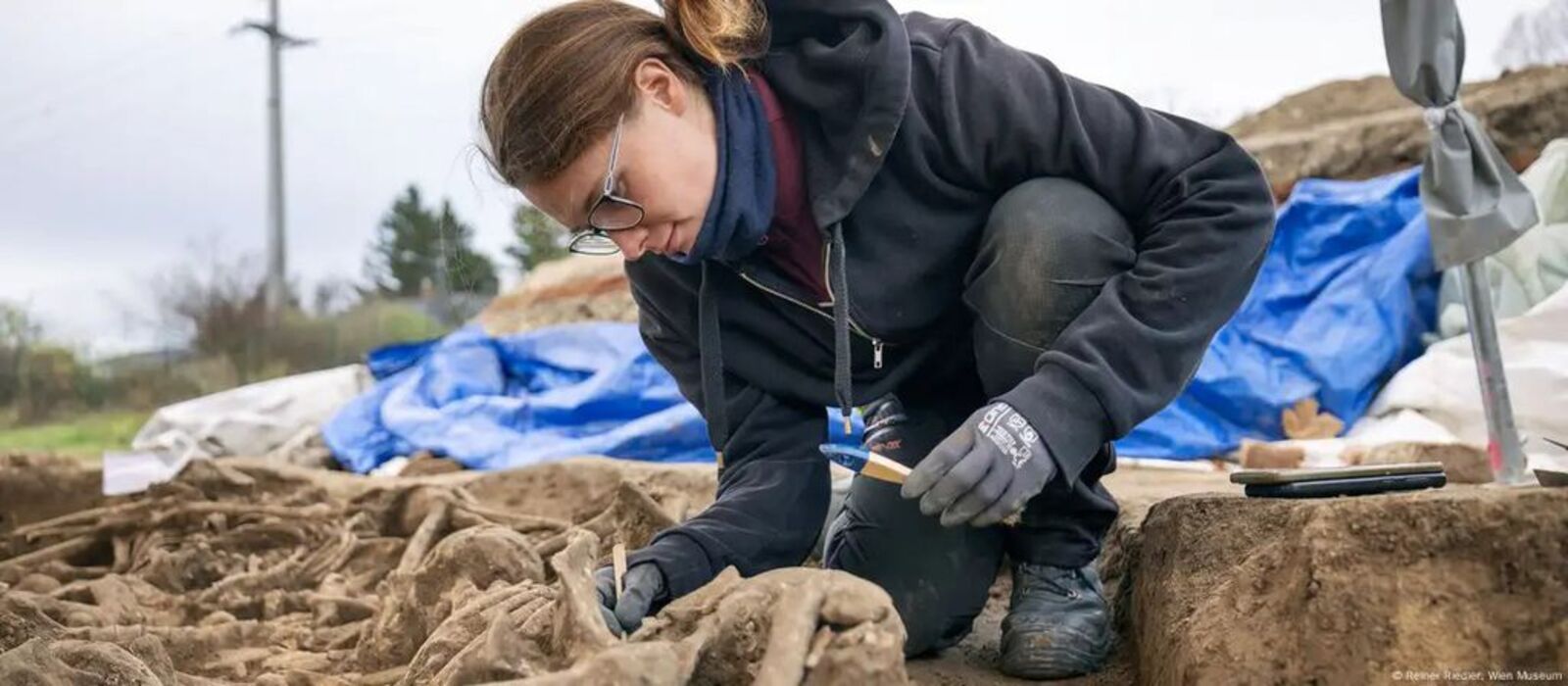
Remains with battle wounds of over 100 soldiers from the Roman Empire are found beneath a football field in Vienna, leaving everyone surprised.
-
Elon Musk notes Brazil and lowers the price of his internet, Starlink, promising to connect all corners of the country with affordable plans, 10,000 satellites, and 1 million active users in the national territory!

-
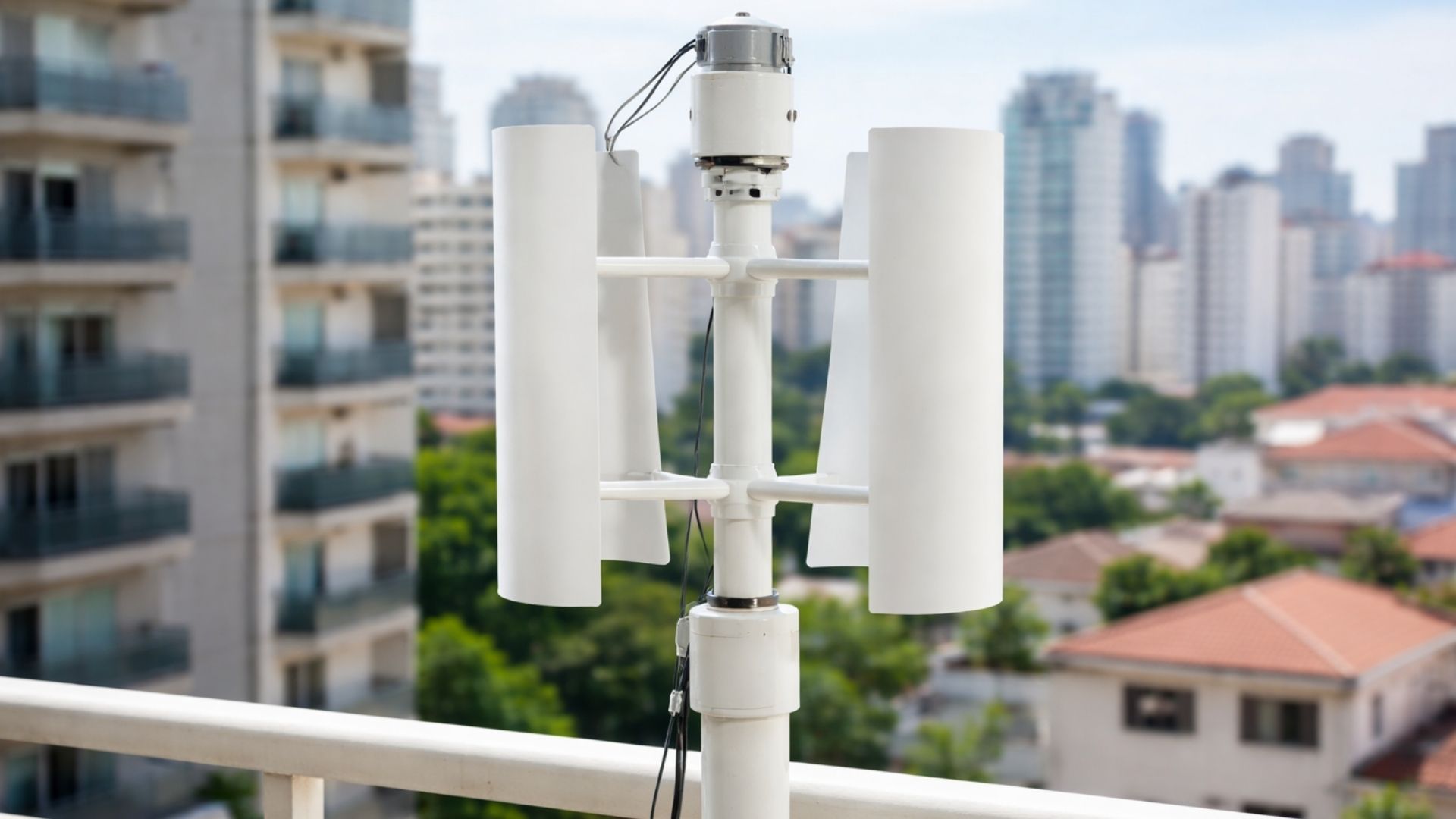
Man creates an infinite source of FREE electricity at home with a PVC wind turbine using a repurposed motor.
-
An aquatic seed consumed for centuries in Asia is going viral in the West after studies highlighted its antioxidant compounds and potential anti-inflammatory properties. It pops like popcorn, has low fat content, and is already being called the new functional snack.


The priority is to create a fixed structure on the natural satellite. This includes taking advantage of the few resources available on the surface, especially ice and lunar regolith, which can support a future base and reduce transportation costs.
Rover FLEX enters the center of the plan
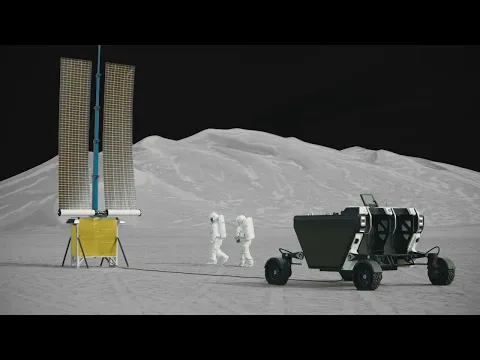

Astrolab has made an agreement with Interlune to integrate a excavation system into the FLEX, a vehicle designed to operate on the Moon in commercial and governmental missions. The model is among the candidates for future NASA operations.
The proposal is to make the rover a real work platform. Instead of just recording images or analyzing rocks, it will act in the collection and processing of lunar soil, opening up space for heavier and continuous tasks.
Project aims for helium 3 and permanent infrastructure
The plan goes beyond the removal of lunar dust. Interlune wants to use the system to access helium 3, a rare material on Earth seen as relevant in areas such as nuclear fusion, security, and advanced computing.
According to Ars Technica, an American technology, science, and space site, the partnership envisions tests with prototypes in Houston before advancing in adapting the rover to harvest lunar regolith and support future operations on the Moon.
FLEX was designed for heavy work on the lunar surface
The rover has the profile of an industrial vehicle. It weighs about 500 kg, can operate with a total mass above 2,000 kg, and offers 3 cubic meters of useful volume for cargo.
Its structure includes four wheels with independent traction and steering, lateral movement, and rotation on its own axis. The equipment has also been designed to withstand temperatures of up to -230 degrees, the extreme reality of the lunar South Pole.

Robotic arm, solar panel, and operation with astronauts
The FLEX can transport up to two astronauts standing and operate in crewed mode, teleoperated from Earth, or with a high degree of autonomy. The set includes a solar panel of 3 square meters and a battery with about 8 hours of continuous driving.
Another differentiator is the robotic arm with 6 degrees of freedom and a reach of 2 meters. The articulated suspension allows lowering the chassis to collect or deposit cargo directly on the ground, without relying on extra structures.
Large-scale excavation changes the role of lunar robots
The extraction of helium 3 requires volume. The material appears in low concentrations in lunar soil, which forces the processing of large quantities of regolith to achieve practical results.
For this reason, Interlune has also developed with Vermeer Corporation a prototype excavator capable of processing up to 100 metric tons per hour in continuous cycle. The design aims to reduce electrical consumption, traction effort, and dust dispersion, one of the greatest risks for any lunar mission.
Future landing could carry billion-dollar commercial cargo with strategic value
The initial plans anticipated a launch window starting at the end of 2026, with transportation by Starship. But this schedule still faces uncertainties due to technical difficulties and the necessary certification.
If the mission advances, the forecast is to land at the lunar South Pole with 1,000 kg of payload from eight commercial clients, in contracts worth over 160 million dollars. This transforms the rover into a central piece of a new economy beyond Earth.
The most direct consequence is clear. Machines that today level soil, open paths, and move material in construction projects on Earth could gain a lunar version to prepare bases, protect equipment, and sustain continuous human presence.
With this, the Moon ceases to be just a destination for exploration and begins to be seen as an area for production, logistics, and strategic support. The movement changes the strategic reading.






Seja o primeiro a reagir!