





 Portuguese
  English
  Spanish
 4 min of reading
  0 comments


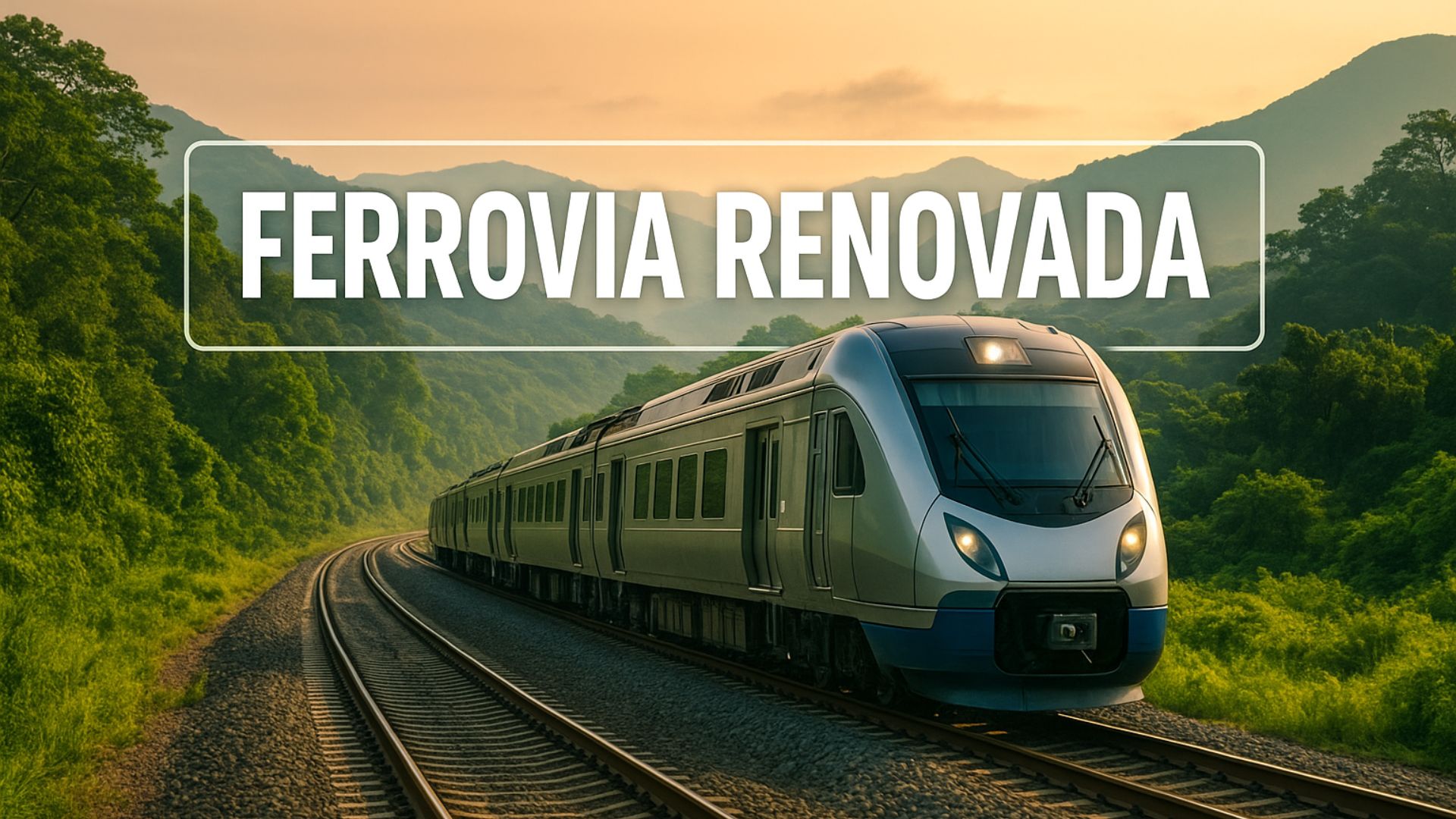
The São Paulo Government’s Project Aims to Reactivate the Santos–Cajati Railway, Created in 1915, Focusing on Sustainable Transport, Regional Integration, and Stimulating Tourism in the Ribeira Valley, One of the Most Preserved Areas of the State.
The São Paulo Government is developing a project to reactivate the old railway link Santos–Cajati, inaugurated in 1915, focusing on regional transport, tourism, and sustainability.
The proposal, led by the Companhia Paulista de Trens Metropolitanos (CPTM), aims to recover the line and resume passenger transport — including tourist trains — connecting the Baixada Santista to the Ribeira Valley.
According to the government, the reactivation seeks to stimulate the economy and tourism in one of the regions with the greatest environmental potential in the state.
-
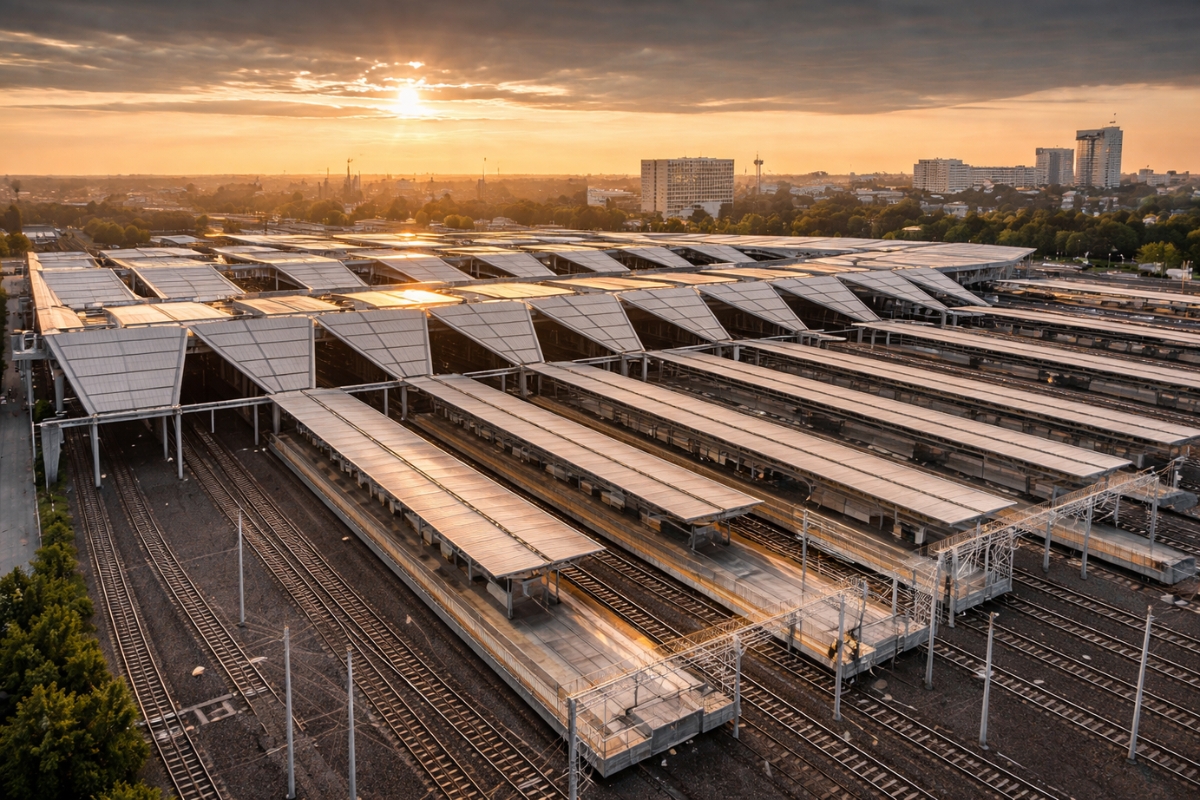
In A European City, The Country’s Largest Railway Junction Was Modernized Without Closing Its Doors, Kept Trains Running During Years Of Construction, Now Serves Up To 60,000 Passengers Per Day, And Installed Solar Panels That Generate About 30% Of Its Energy
-
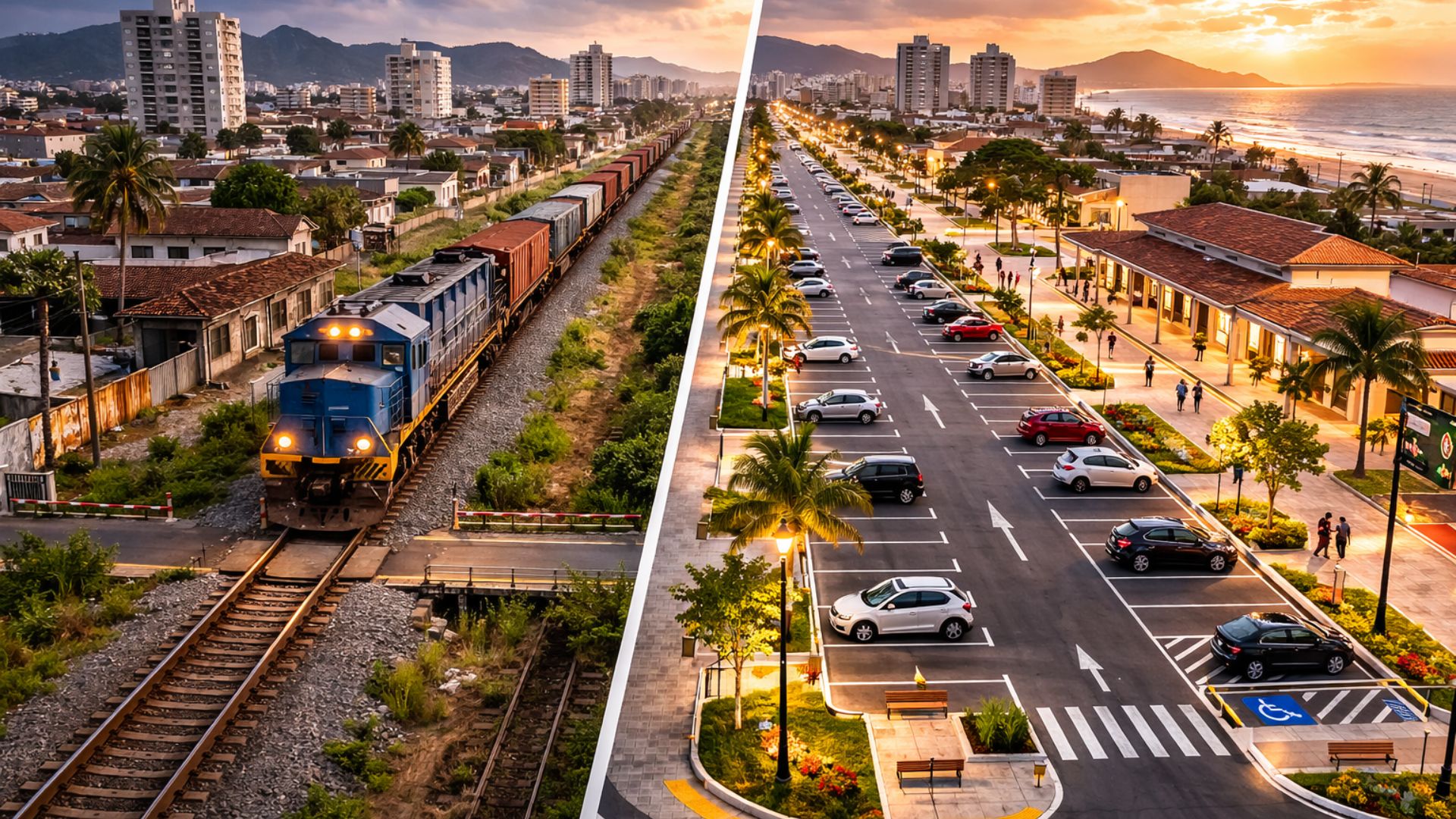
Famous Brazilian Railway May Become a Parking Lot
-
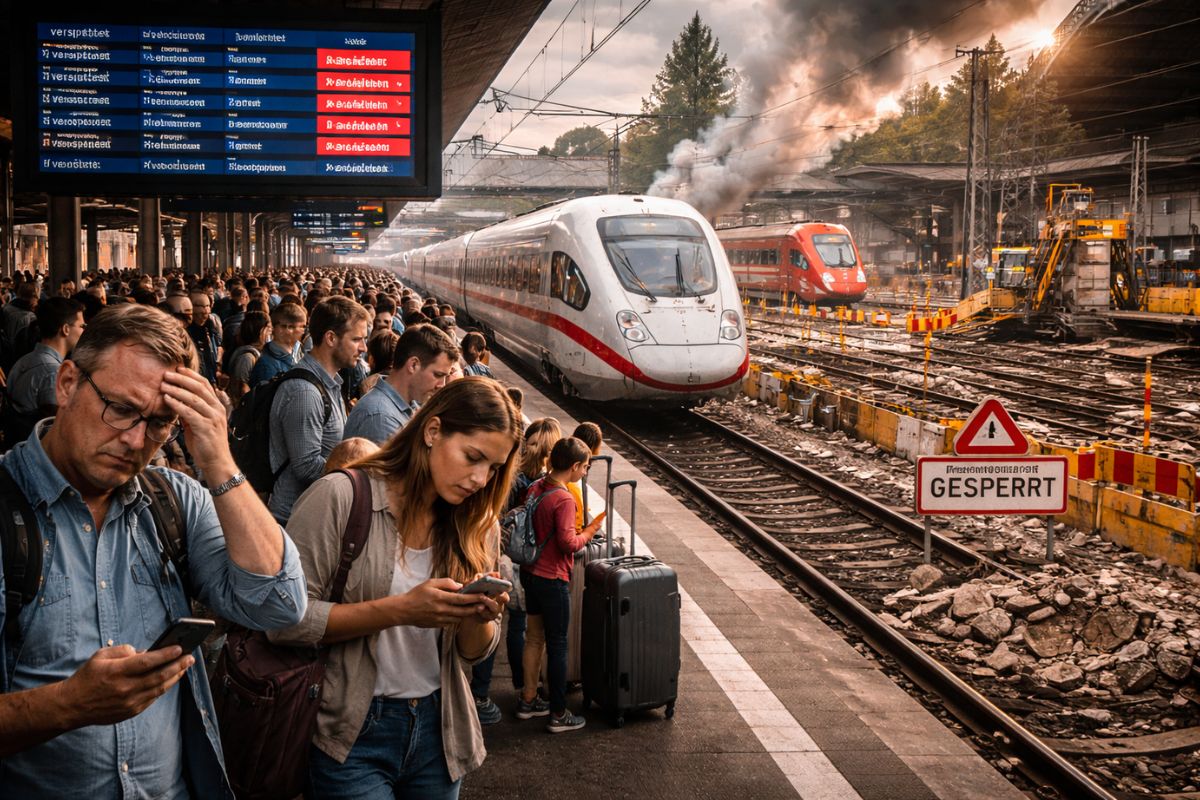
The Country of “Punctual As a Train” Admits It Has Lost Control: High-Speed Trains Delay, Stop, Disappear from the Map and Turn 6-Hour Trips into 10, While Deutsche Bahn Promises Restructuring in 2026 But Faces 19th Century Infrastructure, Staff Shortages and Sections Closed for Months
-
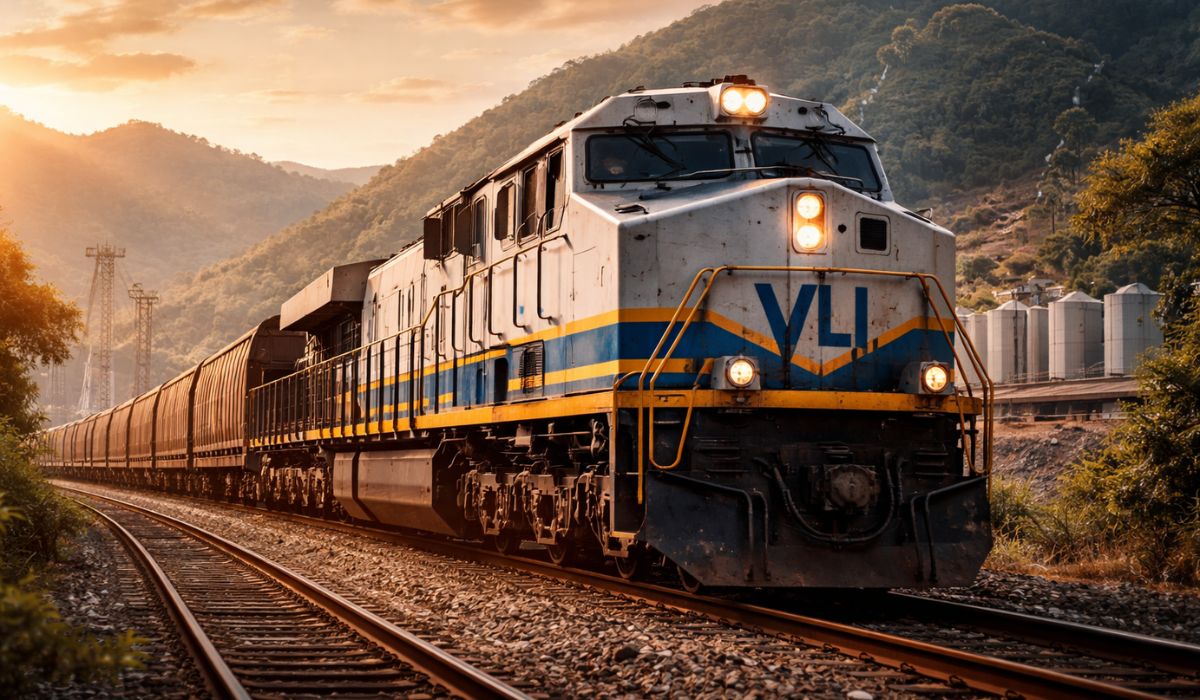
With an Investment of R$ 700 Million in One of the Country’s Main Rail Networks, VLI Reinforces Infrastructure, Receives 8 New Locomotives, and Expands the Corridor Connecting 7 States, Boosting Jobs and the Transportation of Grains, Ore, and Oil Products to the Port of Santos
What the Reactivation of the Santos–Cajati Envisions
According to CPTM, the initiative includes infrastructure restoration, modernization of stations, and the operation of passenger trains combined with a tourist service.
The project includes studies on layout, demand, necessary works, and cost estimates, as well as integration with other rail networks, such as the VLT of Baixada Santista and the Trem Intercidades (TIC) Santos–São Paulo.
The line is expected to reconnect municipalities between Santos, Peruíbe, and Cajati, in a corridor of approximately 200 kilometers.
The intention is to offer an alternative rail mobility and help reduce road traffic on the southern coast.
A Historical Corridor of the Southern Coast
The Santos–Cajati railway was built in the early 20th century with the participation of British companies.
The section between Santos and Juquiá was inaugurated between 1913 and 1915.
The expansion to Cajati occurred in the 1980s, during the management of Fepasa, to serve industrial cargo transport.
Passenger service was terminated in 1997, and cargo operations continued until the early 2000s, when landslides interrupted circulation.
In 2020, the section outside the Paulista Network was returned to the public authorities, paving the way for the reactivation studies currently being conducted by CPTM.
Current Status and Next Steps
According to the company, the functional project of the Santos–Cajati line is under development and is expected to define the necessary technical parameters for resumption.
This stage precedes environmental licensing, the operational model, and the contracting of works.
The São Paulo government reported that the new railway will be integrated with other rail systems in the state.
The forecast is that the axis will form a railway corridor between the capital and the coast, but the detailed schedule and the total investment amount have not yet been disclosed.
Impact on Tourism and the Economy of the Ribeira Valley
The reactivation of the line is seen by municipalities and sector entities as an opportunity to stimulate tourism in the Ribeira Valley, a region that hosts caves, parks, and preserved Atlantic Forest areas.
According to tourism specialists, regular train circulation can increase the number of visitors and benefit activities related to hospitality, food, and services.
Local representatives state that rail transport would also facilitate the movement of residents between neighboring cities, potentially improving access to jobs, education, and health.
Sustainability and Alternative Transport
The State’s Environmental Secretary emphasizes that the project has a sustainable bias, with the goal of reducing pollutant emissions and traffic on highways.
The rail mode is pointed out by sector technicians as a transportation alternative with lower environmental impact, especially in tourist areas that face frequent congestion on weekends and holidays.
The studies include demand scenarios and energy matrix, which should guide the choice of trains and the mode of operation.
CPTM states that environmental sustainability will be one of the central criteria for the line’s viability.
Heritage Recovery and Cultural Valuation
The recovery of historical stations and the structure of the line is considered by railway heritage experts a way to enhance the cultural and historical collection of the state.
Similar projects in the country have boosted tourist and cultural circuits around old railways, focusing on heritage education and orderly visitation to preservation areas.
In the case of the Ribeira Valley, the expectation is that the railway can integrate into sustainable tourism programs and contribute to environmental preservation.
Engineering and Governance Challenges
Technicians involved in the project point out that the resumption of a century-old railway involves structural challenges.
Among the critical points are sections with erosion, areas of geological instability, urban crossings, and occupations close to the line.
It will also be necessary to define the management and operational model, including the participation of the state government, concessionaires, and tour operators.
According to specialists, the financial sustainability of railway projects depends on passenger scale, fare integration, and continuous maintenance.
Inclusion in State Programs
The Santos–Cajati project is part of the SP nos Trilhos program, which brings together several initiatives aimed at railway expansion and modernization in the state.
The proposal is still in the technical studies phase, and the government is evaluating possible ways to raise public and private funds to enable the works.
CPTM sources report that, after the completion of the functional project, deadlines, costs, and execution stages will be defined.
With studies underway and different scenarios being analyzed, specialists discuss which model — regular, tourist, or hybrid — would bring the greatest economic and social return to the Ribeira Valley.








Seja o primeiro a reagir!