





 Portuguese
  English
  Spanish
  5 min of reading
  0 comments


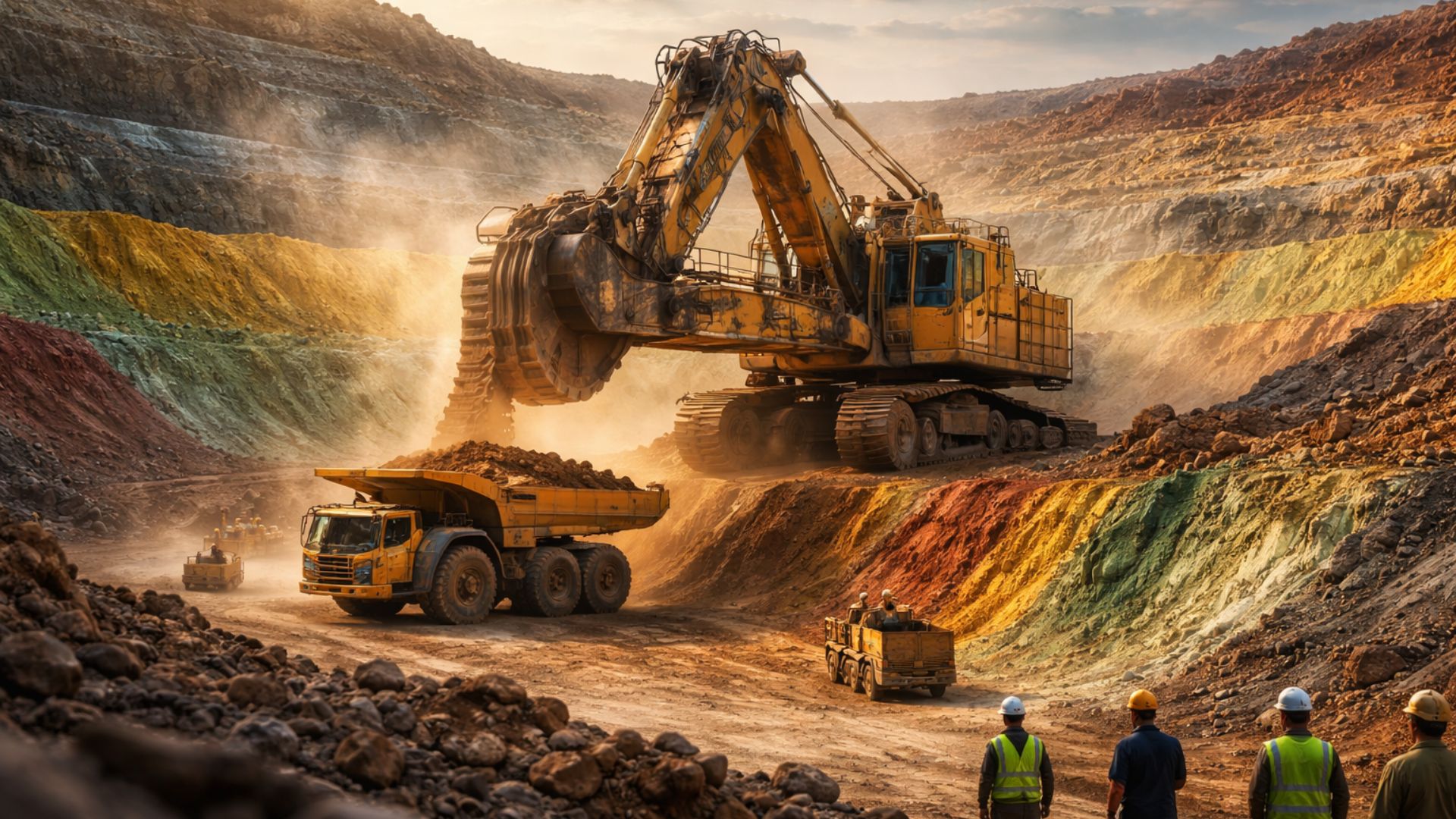
Proposal reignites debate on the control of strategic minerals and the role of the State in the rare earths chain, with a flexible operating model and no requirement for fixed participation in private projects.
The presentation of PL 1,733/2026, authored by Deputy Rodrigo Rollemberg (PSB-DF), has brought back into discussion the creation of a federal public company to operate in the rare earths chain and other minerals considered strategic and critical.
According to the text filed in the Chamber last Thursday (09), the future Terras Raras Brasileiras S.A. (Terrabras) would be linked to the Ministry of Mines and Energy and could operate from geological research to the industrialization and commercialization of these inputs.
What the Terrabras project provides
In practice, the proposal authorizes the Executive Branch to establish the state-owned company and gives the company a broad scope of action.
-
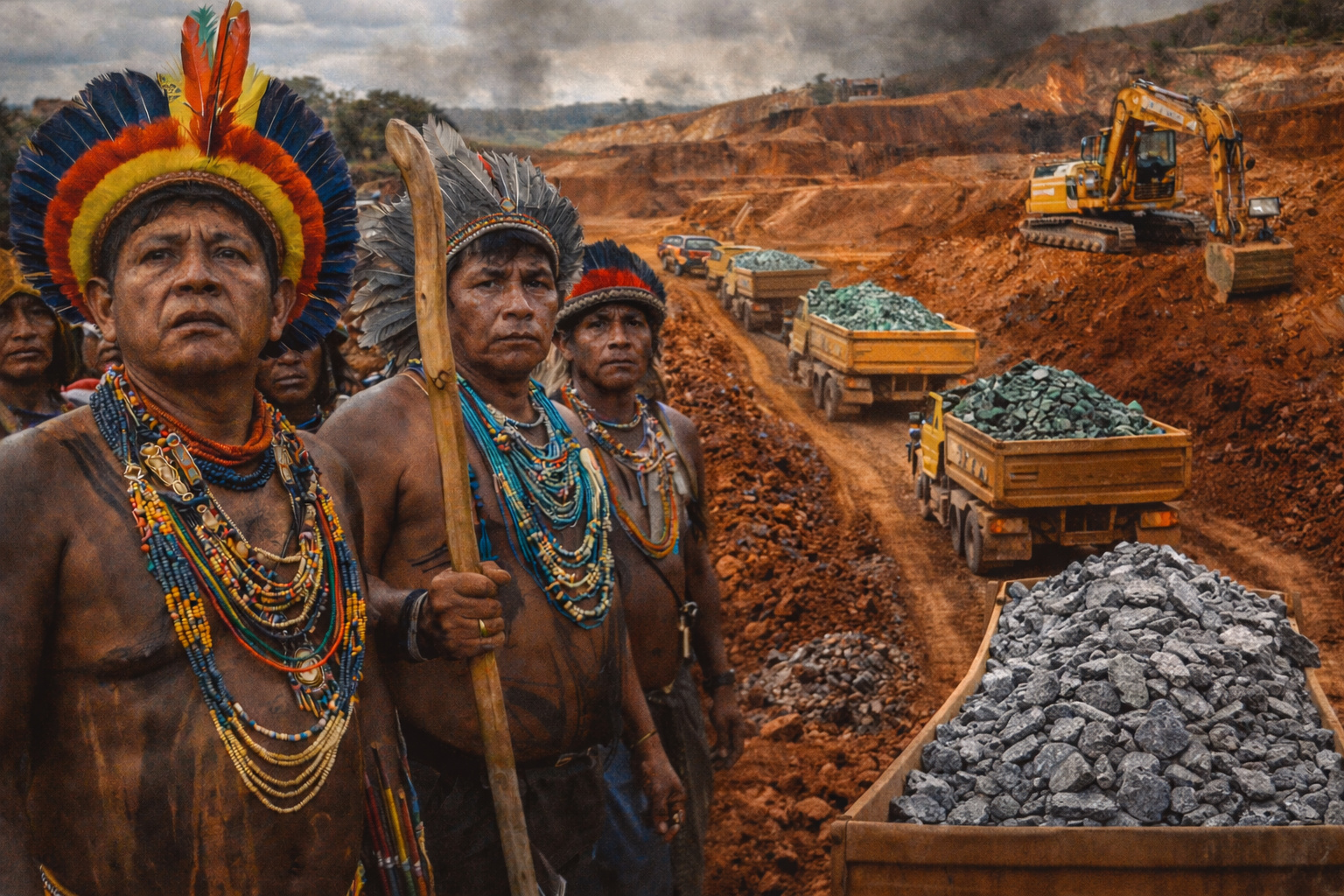
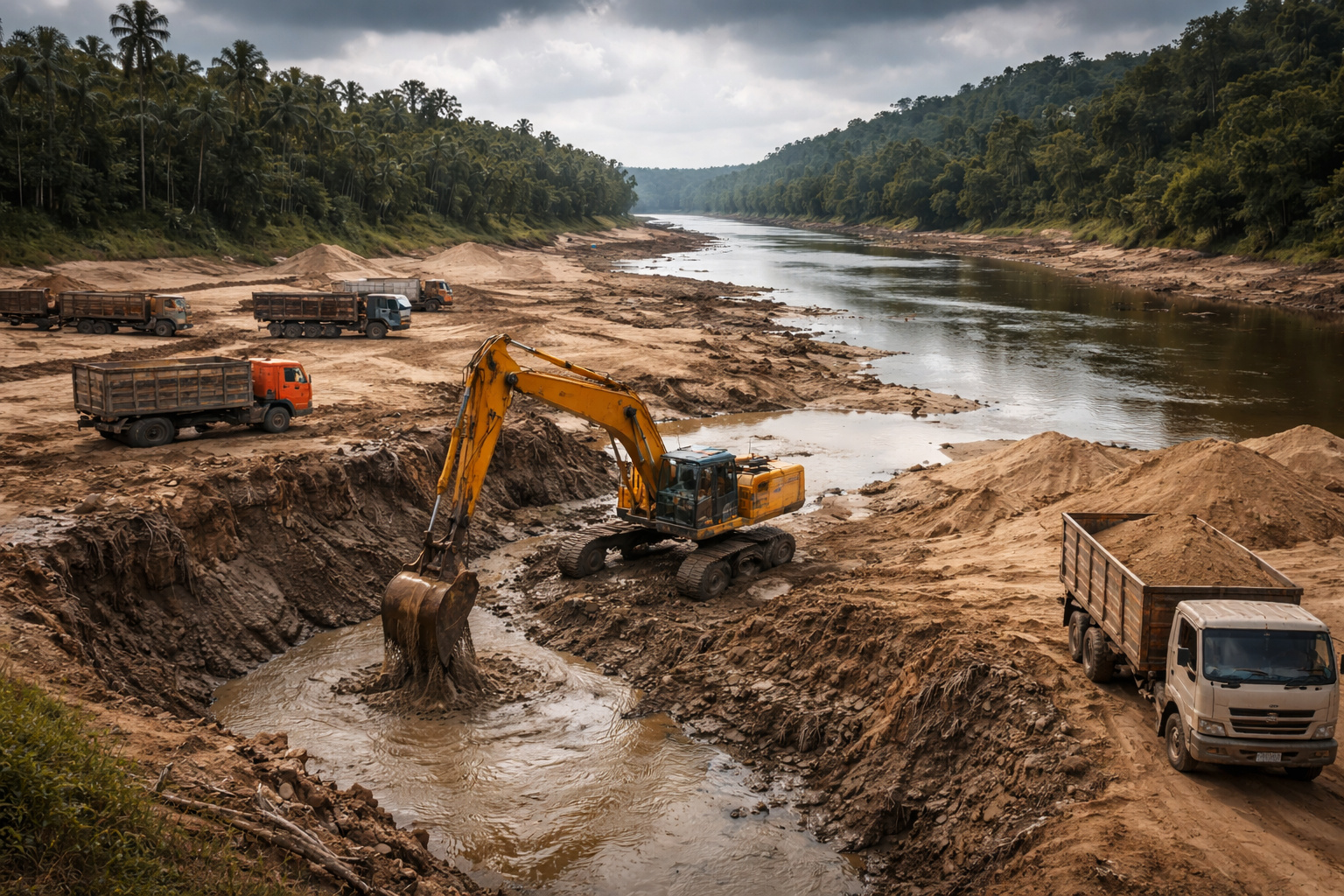
The exploration of rare earths, lithium, copper, tin, and other critical minerals has surged in the last five years, encroaching on 278 indigenous lands, and the mining boom raises alarms in Brazil.
-
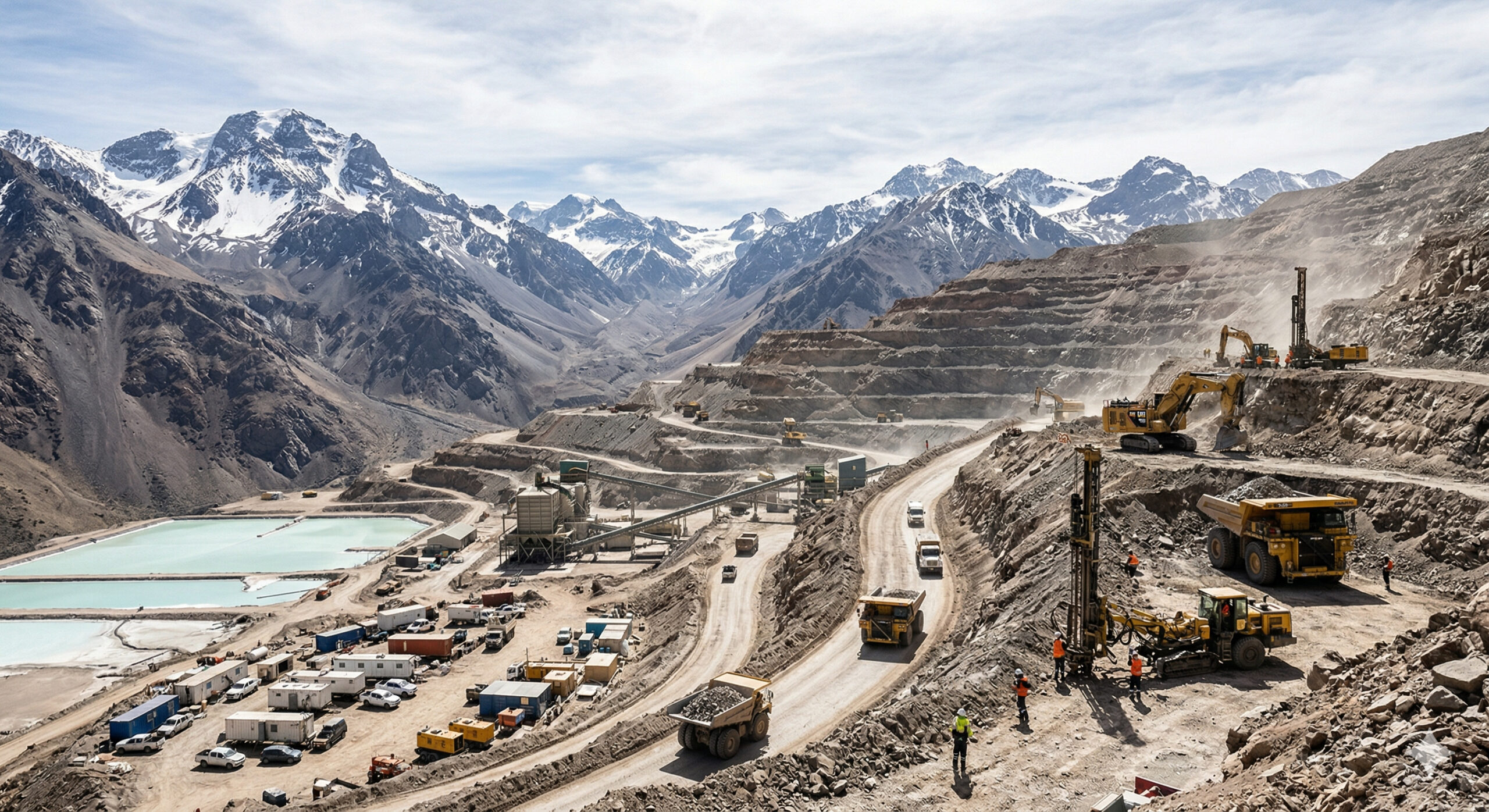
Under layers of ice that feed entire rivers, Argentina paves the way to explore copper, lithium, and gold in regions of extreme altitude and could unlock up to $165 billion in exports, placing one of the largest freshwater reserves in South America at the center of a new global mineral rush.
-
With nodules rich in nickel, copper, cobalt, and manganese scattered up to 6,000 meters deep, a $1 billion merger creates a giant in underwater mining and accelerates the global race for critical metals hidden on the ocean floor.

-
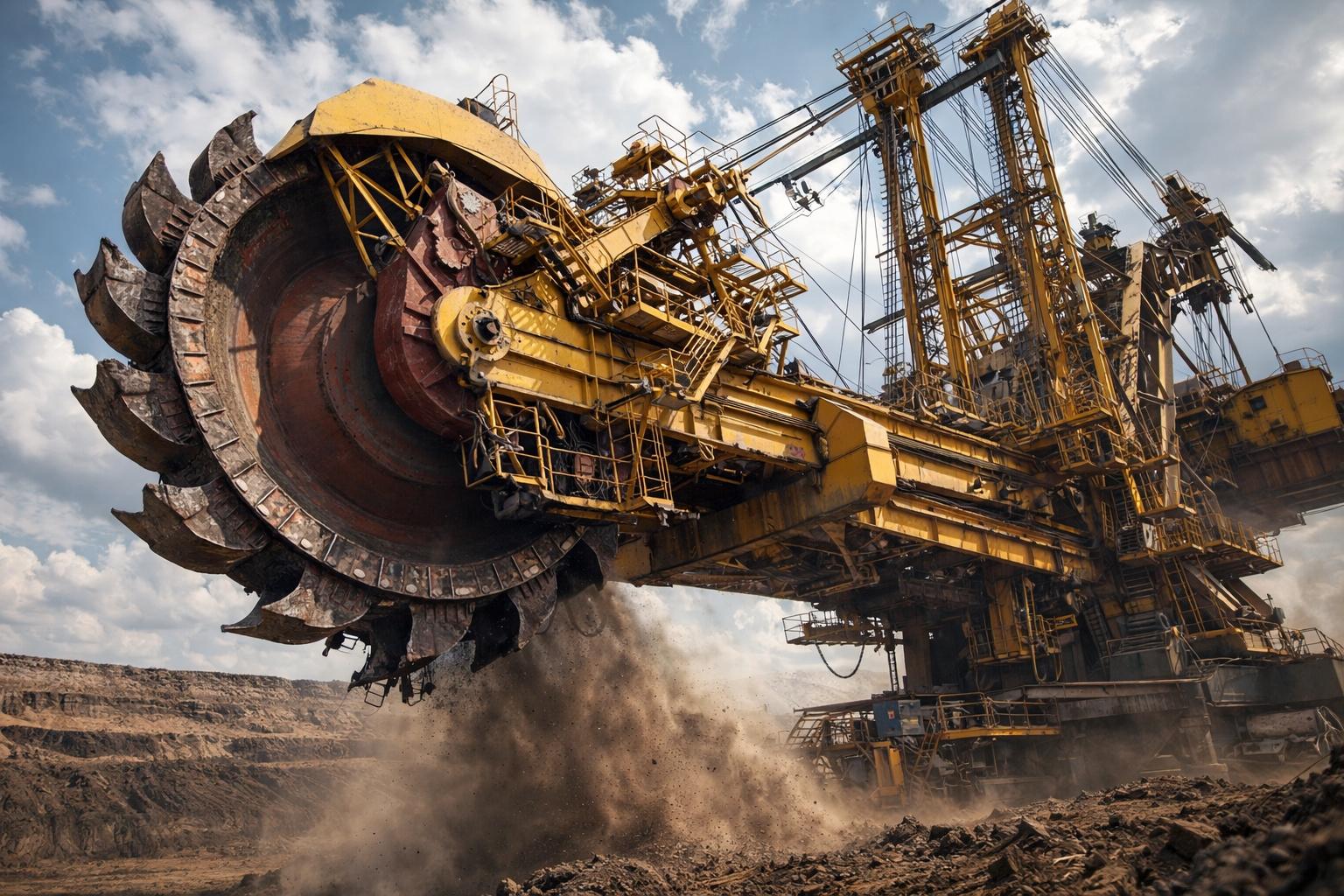
A machine capable of removing up to 12,000 cubic meters of earth per hour helps to feed part of the European energy matrix, and this mining colossus almost never appears when discussing the real cost of electricity.
The project provides for presence in research, exploration, economic utilization, processing, industrialization, and commercialization of rare earths, strategic minerals, and critical minerals, always under the guidelines of Brazilian mineral policy, national sovereignty, strategic security, and sustainable development.
Strategic functions and national action
The text assigns the company the mission of developing national production chains, operating mineral projects directly or indirectly, entering into contracts related to the sector, conducting geological and geoeconomic studies, and investing in research and development.
On another front, the proposal determines that the state-owned company acts as a public policy instrument to enhance value addition in the national territory and integrate public and private initiatives in this area.
This framework also authorizes Terrabras to participate in mining projects in the research, exploration, and production phases, provided there is technical and economic viability.
Furthermore, the project mentions the implementation of initiatives in regions considered strategic, with explicit reference to areas with already identified reserves in Minas Gerais, Goiás, Bahia, Amazonas, and Sergipe, without excluding other locations that may be delineated.
Among the expected duties are the development of technologies for processing and refining rare earths, investment in solutions aimed at the industrialization of these minerals, and participation in the establishment of industrial hubs associated with the mineral chain.
The justification for the project argues that the goal is to reduce external dependence and prevent the country from remaining merely an exporter of raw materials with low added value.
Union participation and limits of the model
Although the statement accompanying the proposal indicates the absence of a minimum participation by the Union, the full text of the project states otherwise regarding the capital of the state-owned company itself.
Article 7 establishes that the initial share capital will be defined by the Executive Branch and integrated by the Union, and the first paragraph states that the Union will maintain a minimum participation that ensures the company’s controlling interest.
However, the text does not set a numerical percentage for this control.
The important difference lies in the scope of this rule.
The project guarantees minimum controlling interest of the Union in Terrabras, but does not impose a mandatory stake of the state-owned company in private enterprises nor define minimum participation in mining projects conducted by third parties.
It also does not detail a mechanism for the compulsory entry of the public company into other sector companies with predetermined percentages.
At the same time, the text opens the door for other agents to integrate the company’s capital.
Public and private companies, public development banks, institutional investors, individual investors, and sovereign funds will be able to participate in the state-owned company.
Still, the form of Terrabras’ participation in external projects remains generic, conditioned to subsidiaries, consortia, or partnerships, without a fixed formula for share division.
Proposal for 30% in projects was left out
Behind the scenes of the Executive, according to reports reproduced by Broadcast and published by outlets that had access to the content, a different model was circulated.
This alternative provided for a state-owned company with a minimum participation of 30% in critical minerals projects considered strategic in the country.
However, this solution was not incorporated into the text presented by Rollemberg and does not appear in the project currently under consideration in the Chamber.
This distinction helps to understand the real scope of the filed proposal.
The Terrabras designed in PL 1,733/2026 is born with authorization to operate throughout the chain, but without imposing, at least for now, a mandatory regime of corporate presence in each new mineral project.
The suggested arrangement focuses more on creating a public company with broad operational capacity than on a fixed rule of sharing or automatic participation in private concessions.
Global competition for rare earths and Brazilian strategy
In the justification of the project, Rollemberg states that Brazil holds a relevant position in rare earth reserves but still occupies a peripheral space in the global value chain.
The document cites the Mineral Commodity Summaries 2025 from the USGS to support that the country has about 21 million tons in reserves, behind China, and uses this scenario to advocate for a strategy of greater state coordination over research, processing, and industrialization.
The same text associates rare earths and critical minerals with the production of batteries, solar panels, wind turbines, electric vehicles, semiconductors, medical equipment, defense systems, and digital infrastructure.
The justification also compares the current competition for these inputs to the role that oil played in other historical moments, an argument used to advocate for an industrial policy capable of increasing the technological content produced in the country.
Still in this context, the project states that the state-owned company would help coordinate investments, strengthen sovereignty over mineral resources, and position Brazil more competitively in the geopolitics of critical minerals.
However, the proposal is still in the initial stage of processing, and so far, the last official movement recorded in the Chamber is precisely its presentation by the Board of Directors, with no additional legislative progress reported in the public record of the proposal.
New projects expand debate in Congress
The discussion about Terrabras has not been restricted to a single formulation.
In the days following the presentation of PL 1,733/2026, other proposals began to circulate in the political debate on critical minerals, including more interventionist designs.
Among them, a project from the PT bench emerged that also uses the name Terrabras and provides for a sharing regime with a minimum participation of 50% from the state-owned company, showing that Congress has begun to discuss different models for the role of the State in this market.
This environment helps to explain why Rollemberg’s proposal gained traction beyond the formal content of the project.
Although the text presented by him does not bring mandatory percentages of participation in each venture, the initiative has been read as yet another sign that the debate on mineral sovereignty, domestic industrialization, and control over strategic chains should remain at the center of the political and economic agenda.





Seja o primeiro a reagir!