





 Português
  Inglês
  Espanhol
  5 min de leitura
  0 comentários


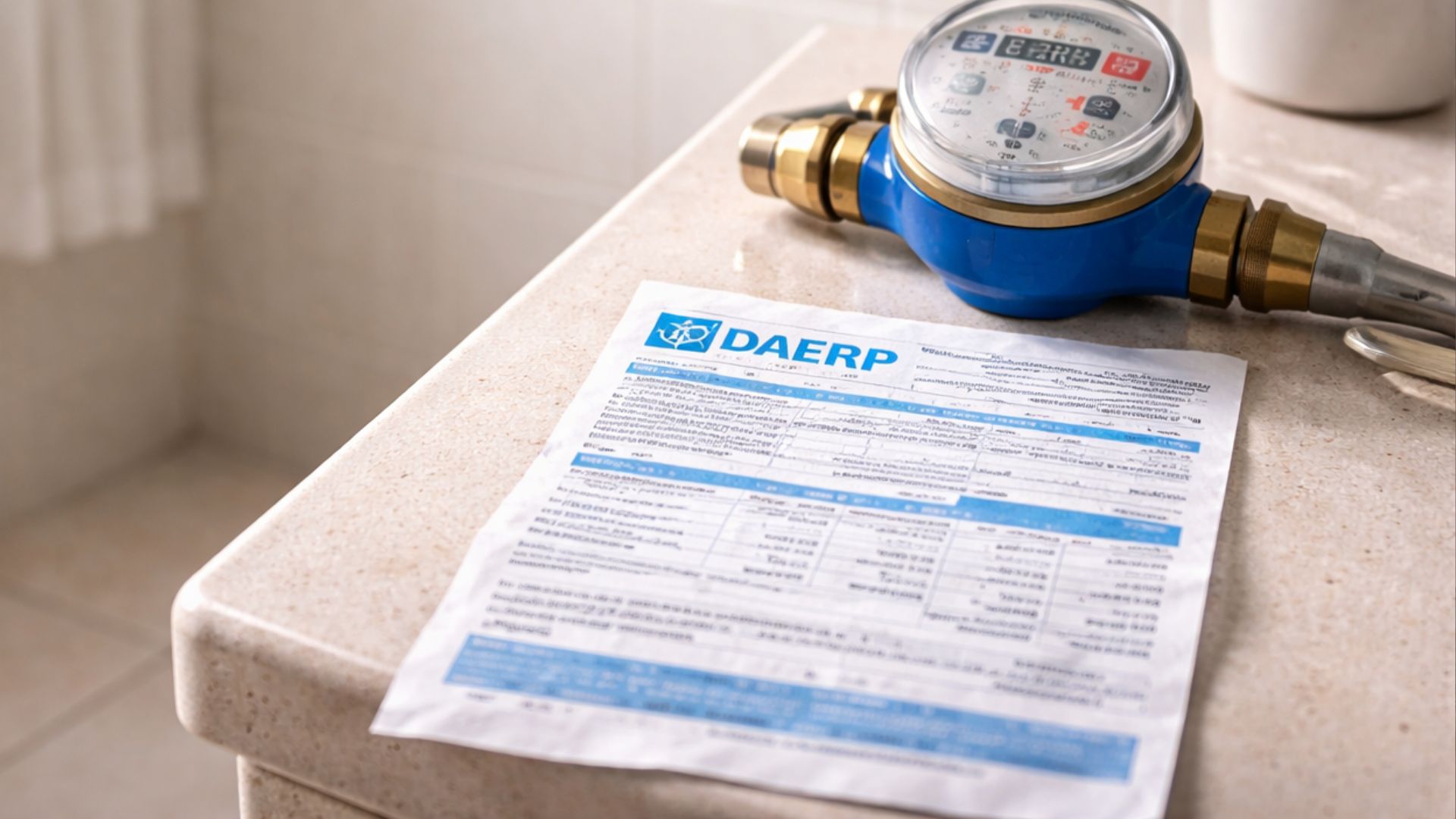
Invisible consumption at home reveals the silent impact of the bathroom on water use and shows how the latest technology can drastically reduce daily waste without changing residents’ routine.
The bathroom accounts for the largest share of water consumption in the home, with the toilet at the center of this equation.
Data from the United States Environmental Protection Agency, the EPA, indicates that this environment accounts for more than 50% of indoor water use in households, while the toilet alone can represent 27% of domestic consumption, a proportion that helps explain why flushing has such a significant impact on the budget even without drawing attention in daily routines.
Perception often points to the kitchen as the main focus of spending, because it contains the sink, dishes, and food preparation.
-
While Argentina relies on the USA to provide communications, data transmission, and electronic warfare for the F-16, Brazil is accelerating with the Gripen and integrating the Link-BR2, a national technology that strengthens air defense.

-
The daily shower that seems harmless now worries specialists: a shower uses 6 to 15 liters per minute and is at the center of the water crisis.
-
Goodbye capsule coffee maker: consumers around the world are replacing the old item with this machine that grinds beans on the spot, reduces waste, and cuts recurring coffee expenses.
-
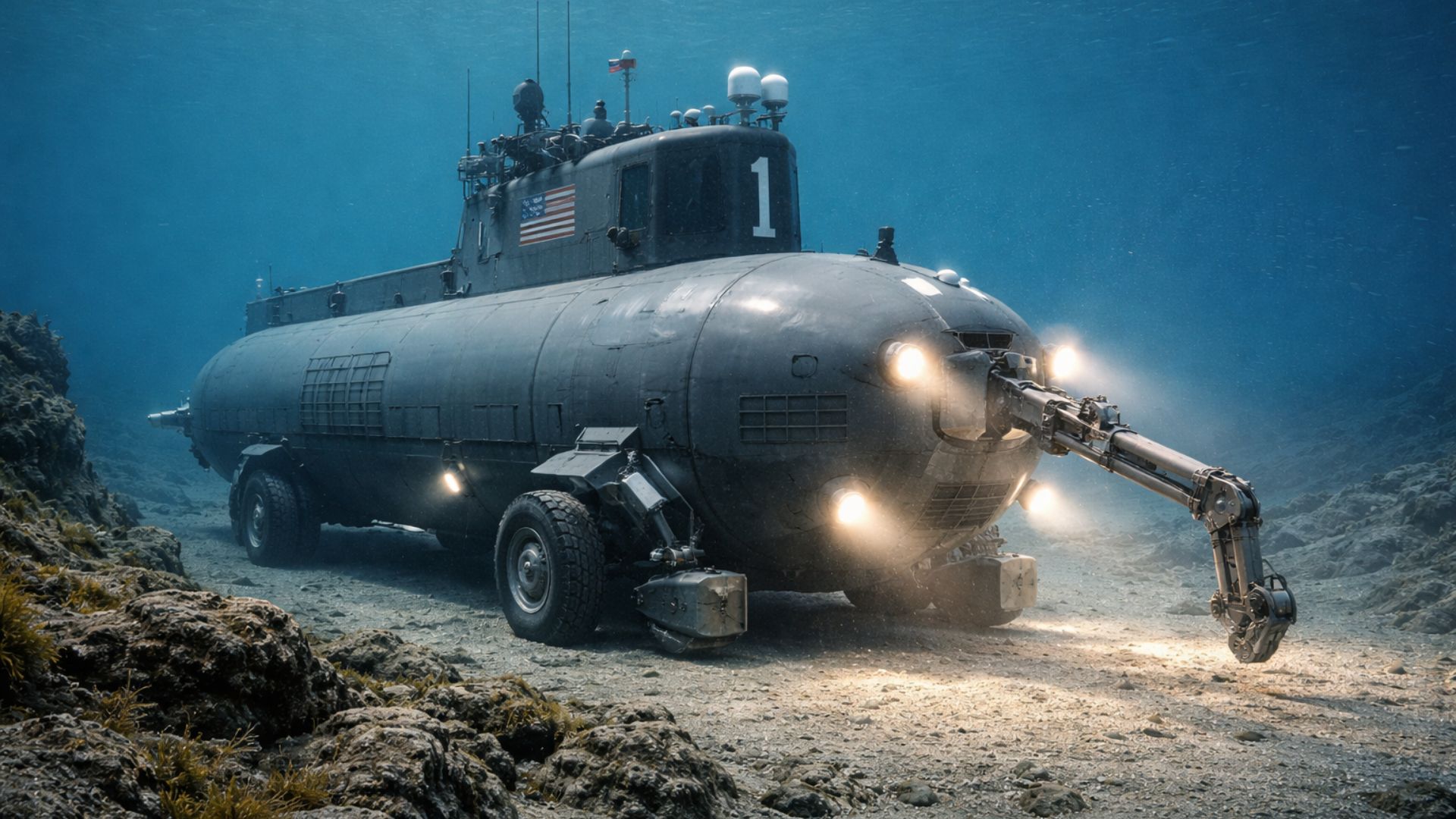
Measuring about 44 meters in length, with a nuclear reactor and retractable wheels in its hull, the NR-1 was the only atomic research submersible in the world capable of moving along the ocean floor and remaining submerged for weeks.

Still, the logic of daily consumption shows a different scenario.
The toilet operates in short cycles, repeated many times throughout the day by all residents, and this frequency dilutes the sense of waste with each flush, although the accumulated effect is high.
Water consumption in the bathroom exceeds expectations
This weight becomes even more evident when observing the age of the installed equipment.
The EPA reports that older toilets, especially those manufactured before stricter efficiency standards, can use 3.5 to 7 gallons per flush, a volume much higher than current models.
Meanwhile, devices that meet the traditional federal standard operate with up to 1.6 gallons per flush, while those certified by the WaterSense program work with 1.28 gallons per flush or less.
Difference between old and efficient models
The difference between these volumes transforms an automatic habit into a continuous source of savings or waste.

In a home where the toilet is flushed multiple times a day, replacing an old model with a more efficient one ceases to be a technical detail and begins to directly impact the monthly water bill, especially in larger families or homes with heavy bathroom use.
The idea that saving water on flushing would mean accepting poorer performance has also been debunked.
According to the EPA, toilets with the WaterSense label must meet independent efficiency and performance criteria to obtain certification.
The agency states that design advancements have addressed some of the complaints associated with the first low-flow models from the 1990s, marked by unwanted double flushes and lower user satisfaction.
In practice, the replacement can lead to a significant reduction in consumption.
The EPA estimates that replacing old and inefficient toilets with certified models reduces the water used for flushing in an average household by 20% to 60%.
The official estimate points to savings of nearly 13,000 gallons per year per household, along with about $170 annually on the water bill and approximately $3,400 over the lifespan of the equipment.
Current technologies and water savings
Among the available options, the dual-flush toilet enhances the potential for reducing consumption.
Technical and informative material from the EPA about WaterSense products states that these models allow for even more water savings by offering a reduced flush mode for liquid waste, using less volume than a full flush.
The result depends on correct usage, but the proposal is simple: adjust the amount of water to the type of need, without always resorting to a full flush.
This advancement helps explain why bathroom modernization has gained traction in home renovations.
The market has begun to offer devices with different price ranges, designs, and configurations, which has diminished the notion that water efficiency would be a feature limited to niche products.
The EPA even states that WaterSense certified toilets are available in a wide variety of styles and prices.
Silent leaks increase consumption


The impact, however, does not depend solely on the replacement of equipment.
A significant portion of waste comes from silent failures, which do not immediately appear to those living in the property.
The EPA reports that an average family can waste 180 gallons per week due to easily fixable household leaks, with toilets being among the main culprits for this type of loss.
Small defects in internal parts, such as the flapper valve, often keep water running without producing obvious signs.
The EPA’s guidance for checking this problem is to drop food coloring into the toilet tank and wait about 10 minutes.
If the color appears in the bowl without flushing, there is an indication of a leak, which requires immediate maintenance to prevent continuous water loss.
This check helps clarify why some homes report increased consumption without apparent changes in habits.
Not always is the explanation found in long showers or faucets left running longer.
In many cases, the combination of an old toilet and worn components causes water to leak gradually, day and night, creating an invisible expense that accumulates over the month.
There is also a collective dimension to this equation.
The EPA estimates that if all old and inefficient toilets in the United States were replaced with WaterSense certified models, the savings would exceed 260 billion gallons of water per year.
Why the bathroom leads domestic consumption
The contrast between perception and reality helps sustain the relevance of the topic.
The kitchen tends to seem more central because water use is visible and prolonged during daily tasks.
In the bathroom, flushing operates quickly and seemingly discreetly.
Still, EPA data shows that this room leads indoor spending and that the toilet accounts for a large portion of that volume, even without being at the center of conversations about household savings.
Therefore, observing the toilet with the same rigor dedicated to the shower, faucet, and washing machine changes the understanding of where water is really going.
Instead of appearing merely as a functional piece of the bathroom, it becomes one of the most strategic points in the house to cut recurring waste, reduce costs, and prevent silent consumption from continuing to weigh on the routine unnoticed.





Seja o primeiro a reagir!