





 Portuguese
  English
  Spanish
  4 min of reading
  0 comments


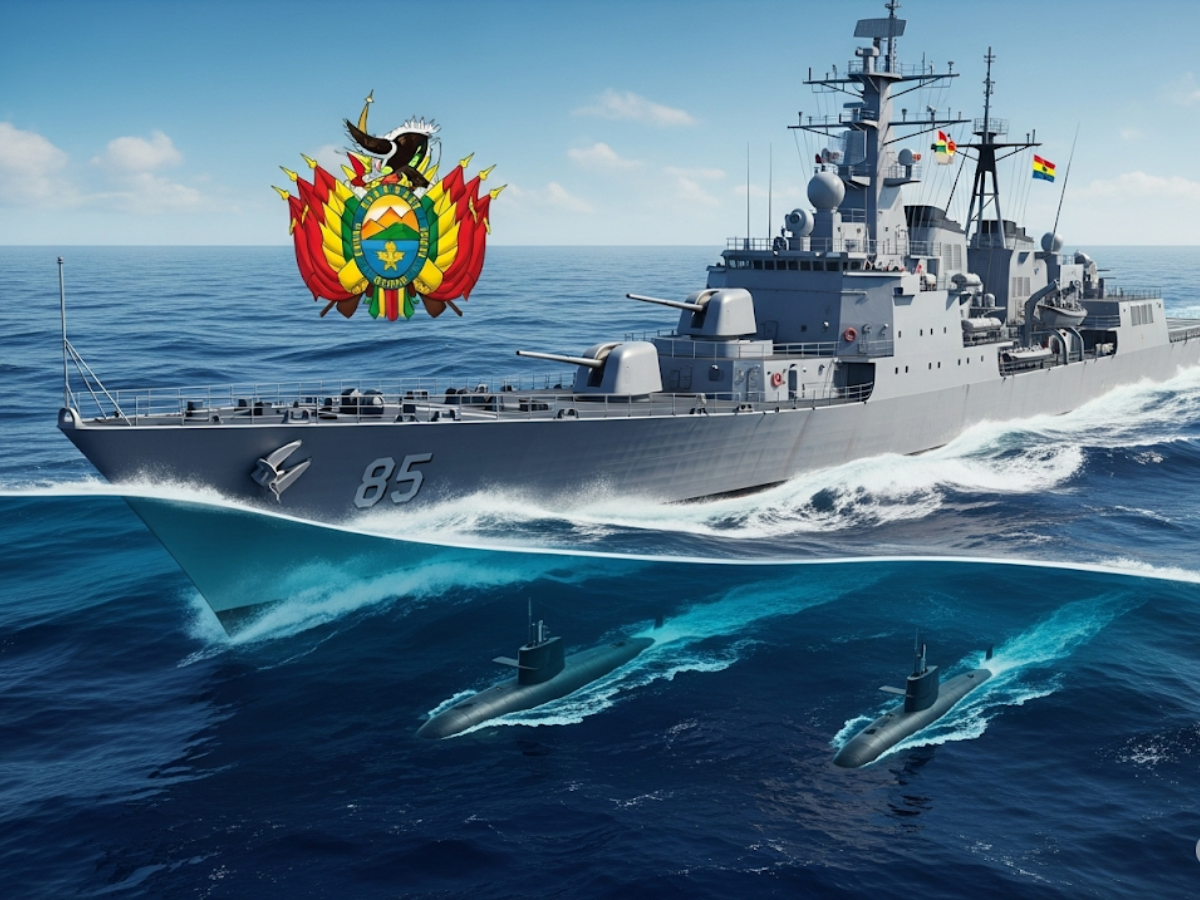
Understand The Historical Reasons, The Areas Of Action And The Missions Of The Bolivian Navy, A Strong Navy In Its Context, Despite The Absence Of Sea
The existence of a navy in a landlocked country like Bolivia may seem like a paradox. However, the Bolivian Navy is an active institution, with deep historical roots and crucial functions that go beyond symbolism, positioning itself as a strong navy within its specific theater of operations.
Uncover the mystery behind the Bolivian Navy by exploring its justification historical linked to the loss of coastline, its areas of action in rivers and lakes, its security and development missions, and how it compares to other naval forces of landlocked countries.
The History Of The Loss Of Coastline And The Perennial Maritime Claim
The key to understanding the Bolivian Navy lies in the Pacific War (1879-1883), during which Bolivia lost its sovereign access to the Pacific Ocean to Chile. Since then, Bolivia has maintained a continuous claim for an outlet to the sea, enshrined in its Constitution and celebrated annually on “Mar Day” (March 23).
-
The Argentine government celebrates the lowest poverty rate in 7 years, but experts warn that the methodology has changed, real wages have fallen, unemployment has risen, and the number of people on the streets of Buenos Aires has increased by 57% since Milei took office.

-
7.8 magnitude earthquake in Indonesia frightens the population, triggers tsunami alert, and hits an island with over 200,000 inhabitants this Thursday.

-
Google will finally let you change that embarrassing Gmail address you created in your teenage years without losing any accounts, logins, or old emails: the feature is already available in the United States.

-
Heading to Brazil in a Bonanza F33 single-engine aircraft: a couple departs from Florida on a visual flight, makes technical stops in the Caribbean to refuel and organize paperwork, and begins the staged crossing until they reach the country.

The Bolivian Navy exists largely as a symbol of this national aspiration, keeping the “maritime awareness” alive. Its motto is “The sea belongs to us by right, reclaiming it is a duty.” The International Ship Register of Bolivia (RIBB) further reinforces this state policy, allowing ships to fly the Bolivian flag in international waters.
Where Does The Amazing Bolivian Navy Operate And What Does It Do?
Despite the absence of a seacoast, the Bolivian Navy operates intensively in its vast inland waters. Its main areas of action include the Titicaca Lake (the highest navigable lake in the world, shared with Peru) and the extensive river networks of the Amazonic (Beni, Mamoré rivers) and Platine (Paraguay River) basins.
Its functions are diverse: river and lake patrol, combating illicit activities such as smuggling and drug trafficking, control of hydrographic borders, support for riverside communities with supplies and medical assistance, scientific research, and environmental protection. Elite units like the Task Force “Blue Devils” and the Amphibious Command Battalion are specialized in river operations and tactics. The High Altitude Diving Instruction Center (CIBA) trains divers for operations at altitude.
The Actual Capabilities Of The Bolivian Navy In Inland Waters
The Bolivian Navy’s fleet consists of approximately 173 vessels adapted for rivers and lakes. Notable are patrol boats like the PR-51 “Santa Cruz de la Sierra” (flagship) and modern vessels of the Capitan Bretel (Type 928 YC) class of Chinese origin. The force also has three river hospital ships and transport and training vessels.
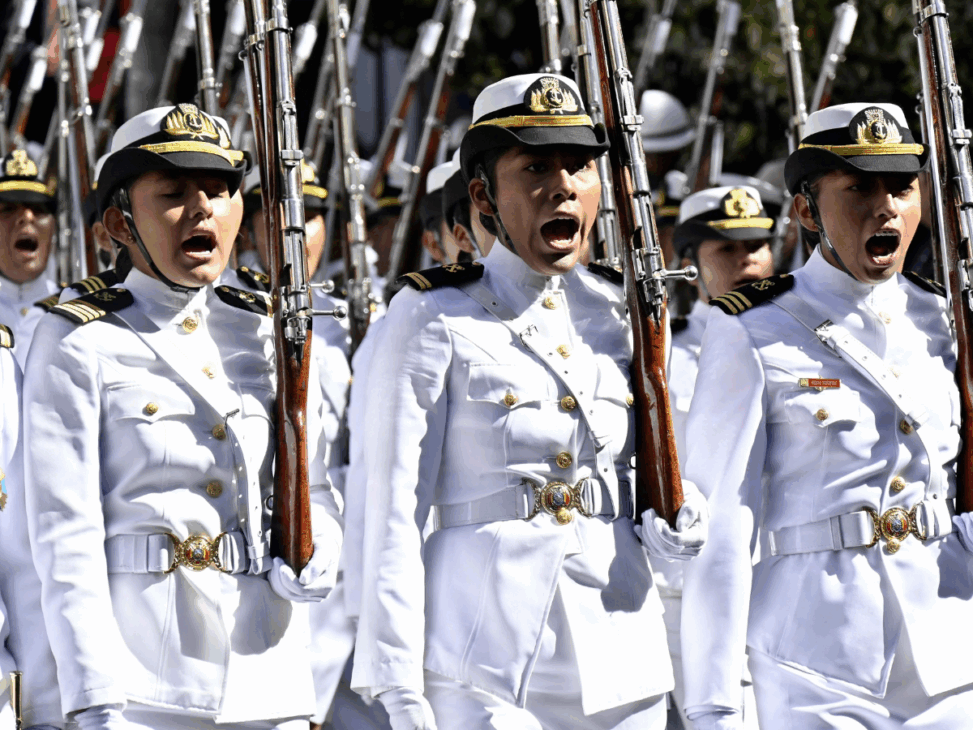
The strength of the Bolivian Navy was approximately 5,000 military personnel in 2018, of which about 2,000 are marines. Officer training takes place at the Bolivian Naval Military School. Modernization projects include the acquisition of new fast patrol boats and the construction of a new and modern naval base in Puerto Suárez, near the border with Brazil, to strengthen its presence in the Platine Basin.
A Strong Navy? The Relative Strength Of Bolivia In Its Context
The term “strong navy” applied to the Bolivian Navy is relative. In terms of traditional naval combat capability on the high seas, it does not fit. However, its strength lies in its ability to fulfill its specific missions in the complex Bolivian waterways and in its immense symbolic weight as a guardian of the maritime claim.
Compared to other navies of landlocked countries, such as Paraguay (which has access to the Atlantic via the Paraguay-Paraná Waterway and a strong naval tradition), the Bolivian Navy stands out for emphasizing the symbolism of loss and hope for a return to the sea.
Challenges And The Future Of The Bolivian Navy


The Bolivian Navy faces challenges, including the recent involvement of its then-commander in the attempted coup d’état in June 2024. Budgetary issues, the complexity of regional geopolitics, and environmental challenges are also significant factors.
However, the institution continues seeking modernization and international cooperation. The construction of the base in Puerto Suárez is a key strategic move. The Bolivian Navy is likely to continue being a pillar of national identity and a vital instrument of governance, balancing its symbolic legacy with tangible contributions to the country’s security and development.










Seja o primeiro a reagir!