





 Portuguese
  English
  Spanish
  4 min of reading
  0 comments


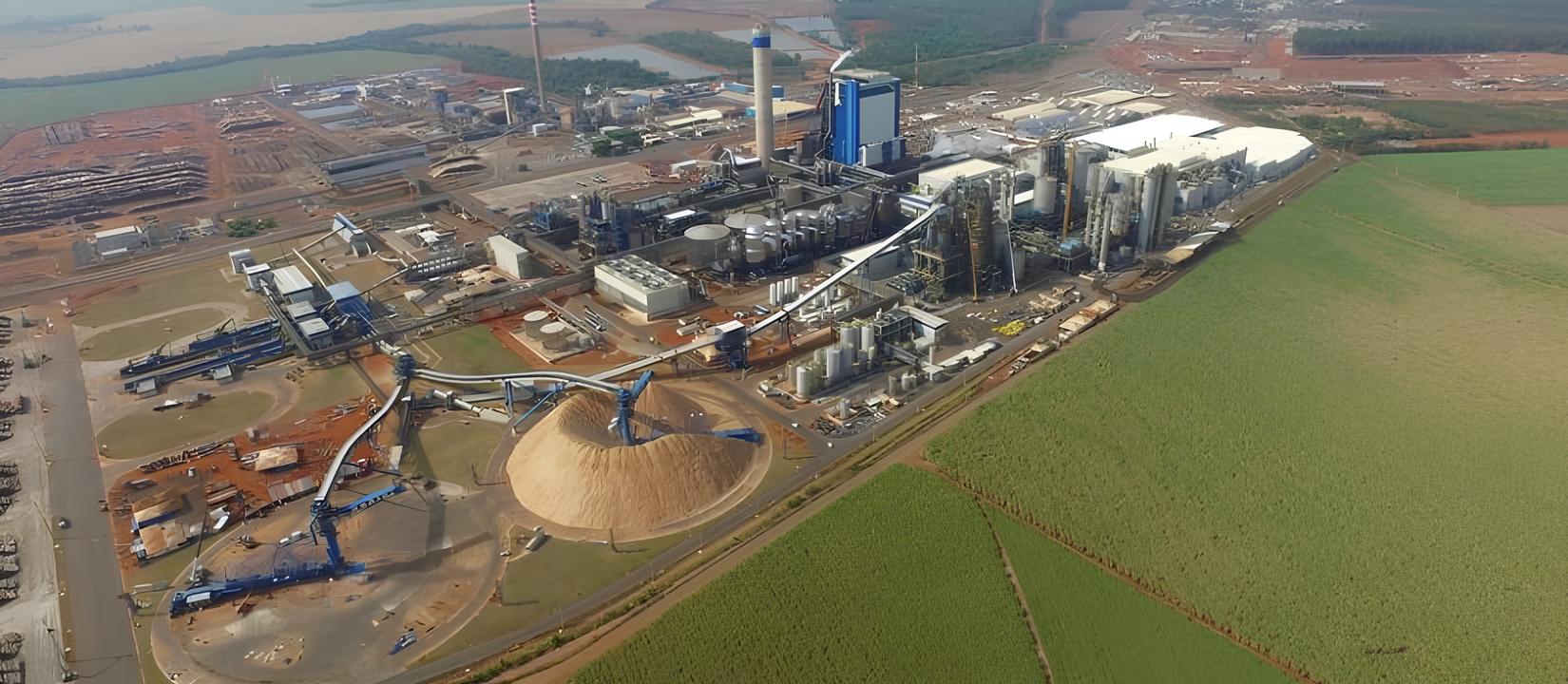
The Largest Pulp Factory in the World Operates in Lençóis Paulista (SP). Automated, Sustainable, and Powered by Biomass, the Bracell Unit Produces Up to 3 Million Tons Per Year with Renewable Forests.
In the heart of the interior of São Paulo, where agricultural plantations and small sawmills once prevailed, there now operates one of the largest and most modern industrial ventures on the planet. Bracell, a company controlled by the Asian group Royal Golden Eagle (RGE), inaugurated the ambitious Star Project in 2021 in Lençóis Paulista (SP) — a mega pulp factory that impresses not only for its scale but for bringing together cutting-edge automation, energy sustainability, and forest innovation in a single complex. With a capacity to produce up to 3 million tons of pulp per year, the plant is considered the largest in the world in a single line. Completely powered by biomass, with no burning of fossil fuels, and with forest integration based on renewable eucalyptus, it represents a new global standard for the forest-based industry — and this standard was defined in Brazil.
The Largest Pulp Factory in the World Was Born in the Interior of São Paulo
The Star Project was designed to transform pulp production into a cleaner, more efficient, and technologically advanced process. The factory was built next to Bracell’s original unit in a strategic area with privileged logistical access, planted forests, and skilled labor.


With an estimated investment of R$ 15 billion, it is the largest private industrial investment ever made in the state of São Paulo in the last two decades. The plant has a capacity to produce:
-
Historic bankruptcy of Centauro shocks the market, and the century-old company puts more than 500,000 products, machines, and complete infrastructure up for online auction.

-
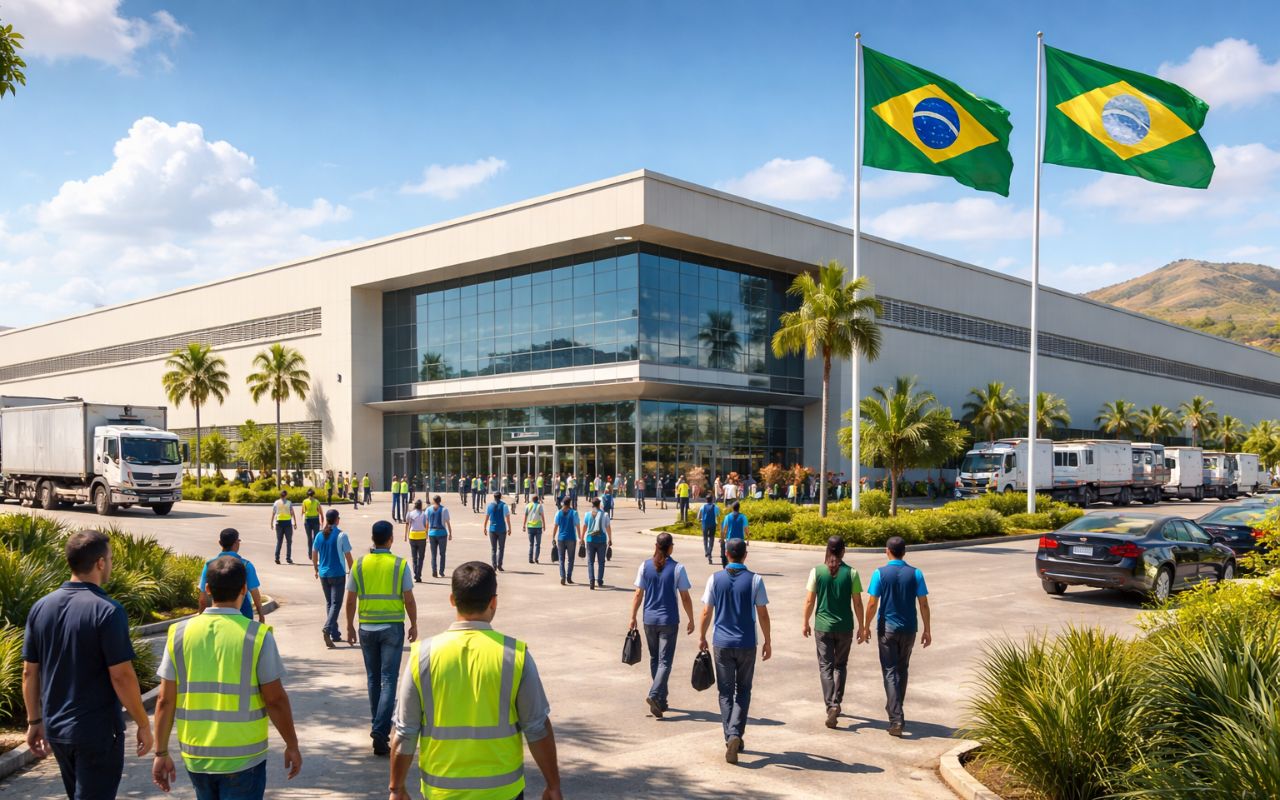
New shoe factory in Ceará is expected to create 400 jobs and strengthen the local economy.
-
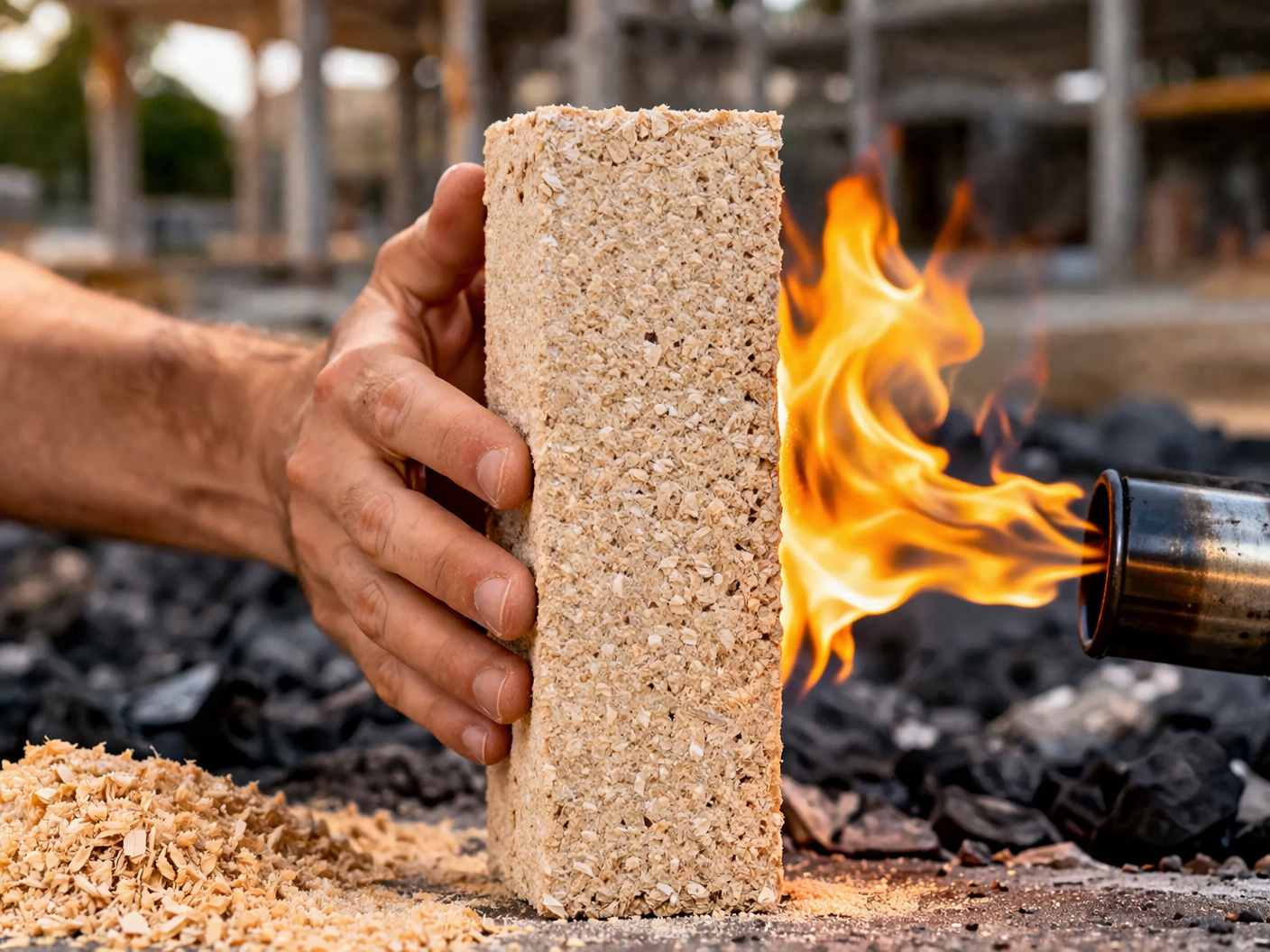
No one imagined it, but a mixture of sawdust with a mineral that fights fires surprises scientists with a result that changes the course of fire-resistant construction.
-
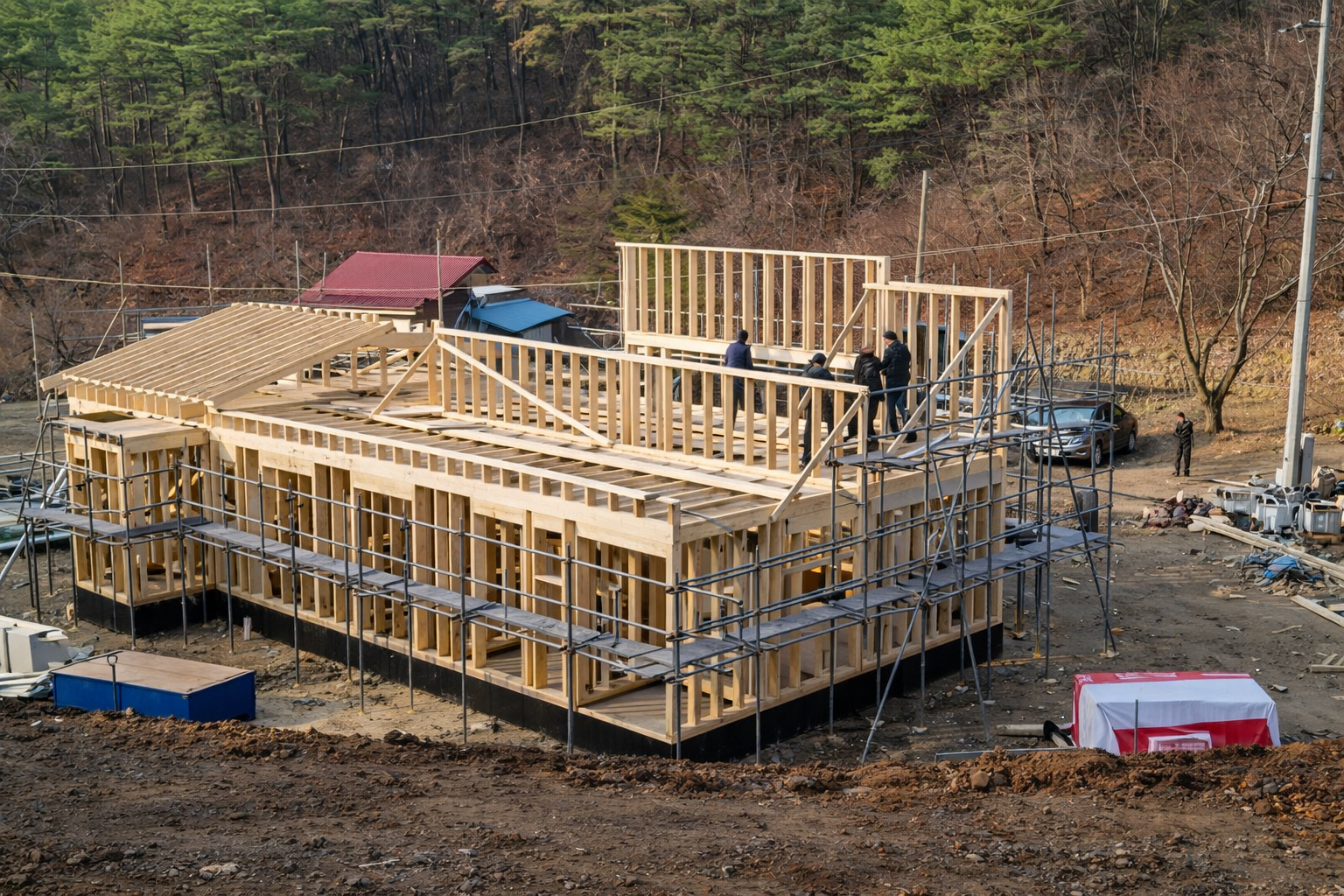
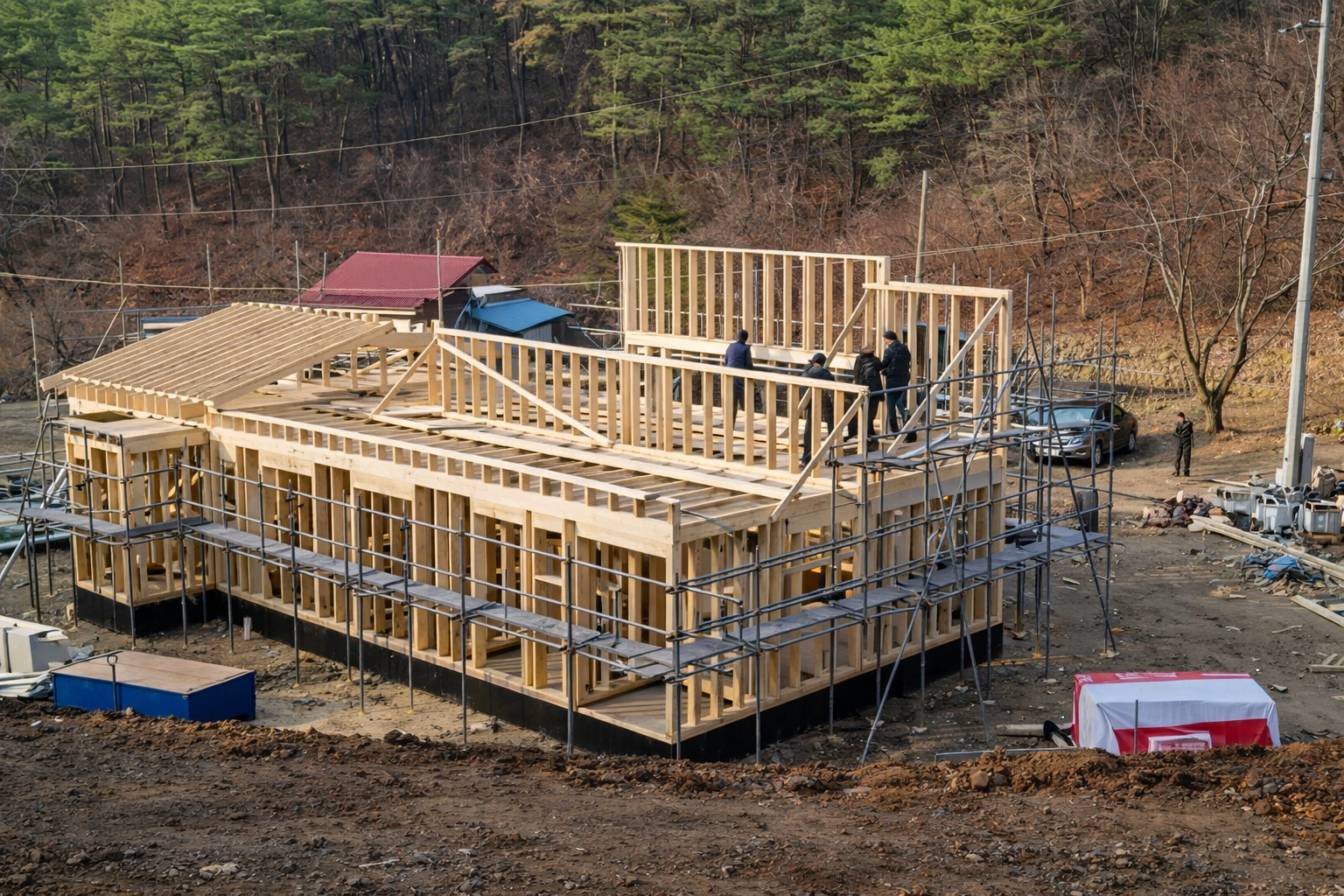
From empty land to a high-end house, wooden construction uses a lightweight system, metal structure for the foundation, ventilated ceramic cladding, and special windows to create an efficient and comfortable living space throughout the year.

- 3 million tons of kraft pulp per year, primarily aimed at paper and packaging manufacturing;
- Or 1.5 million tons of dissolving pulp, used in the production of textiles, food, cosmetics, and pharmaceuticals.
The flexibility of the line allows for switching between the two types of pulp, depending on global demand, which gives Brazil a strategic position in the international trade of forest-derived products.
Sustainable Eucalyptus: Renewable Forests in Continuous Cycles
All the raw material used in the Lençóis Paulista unit comes from planted eucalyptus forests, cultivated in a rotational system that respects biodiversity and ensures constant renewal of stocks. Unlike deforestation, the cultivation model adopted by Bracell regenerates the harvested area, reduces pressure on native forests, and allows for total traceability of production.
Additionally, the company maintains preserved legal reserves and permanent protection areas (APPs), with management practices that follow international certification standards, such as FSC (Forest Stewardship Council).
With this model, Bracell positions itself as a world leader in the production of low-impact environmental pulp, reinforcing Brazil’s role as a sustainable forest powerhouse.
Pulp Production in Brazil: Total Automation and Clean Energy
One of the most remarkable differentiators of the Bracell plant is its level of automation. The factory operates with 24-hour monitoring systems through artificial intelligence, real-time quality control sensors, and remote surveillance for the prevention of forest and industrial fires.
Production is controlled by digital control rooms, where operators monitor each stage of the process — from receiving wood to shipping pulp. Robots are used for packaging, inventory control, and equipment inspection, reducing human errors and increasing efficiency.
From an energy standpoint, the complex is a reference:
- 100% of the energy used in the factory comes from biomass produced in the process itself, through a state-of-the-art recovery boiler.
- The energy surplus — over 150 MW/h on average — is injected into the electrical grid, supplying thousands of homes and helping to balance the regional energy matrix.
This configuration makes Bracell the “greenest” pulp factory on the planet, with no use of fossil fuels at any stage of production.
Industrial Automation and Knowledge Export
The model implemented in Lençóis Paulista now serves as a world showcase for the new era of the forest industry. Several delegations from pulp-producing countries — such as Sweden, Canada, China, and Indonesia — have already visited the site to see firsthand the operation of a 100% digital and integrated plant.
In addition to physical production, Bracell has invested in research and development of biomaterials, working alongside Brazilian universities to create new uses for dissolving pulp, such as biodegradable plastics, sustainable textiles, and food additives.
This advancement transforms Brazil from being merely an exporter of commodities to a technology exporter and a global reference in industrial innovation.
Regional Economic Impact and Job Creation
The Bracell factory also plays a fundamental role in the economic dynamics of the interior of São Paulo. During the construction of the project, over 11,000 direct and indirect jobs were created, positively impacting the logistics, services, hospitality, and commerce sectors in cities like Lençóis Paulista, Pederneiras, and Bauru.
In its current operation, the plant maintains more than 3,000 direct jobs in areas such as engineering, IT, industrial chemistry, forestry, logistics, and maintenance.
The project also includes investments in public infrastructure, such as improvements to rural roads, support for vocational schools, and environmental education programs in surrounding communities — an integrated approach focused on local development.





-

2 pessoas reagiram a isso.