





 Portuguese
  English
  Spanish
  3 min of reading


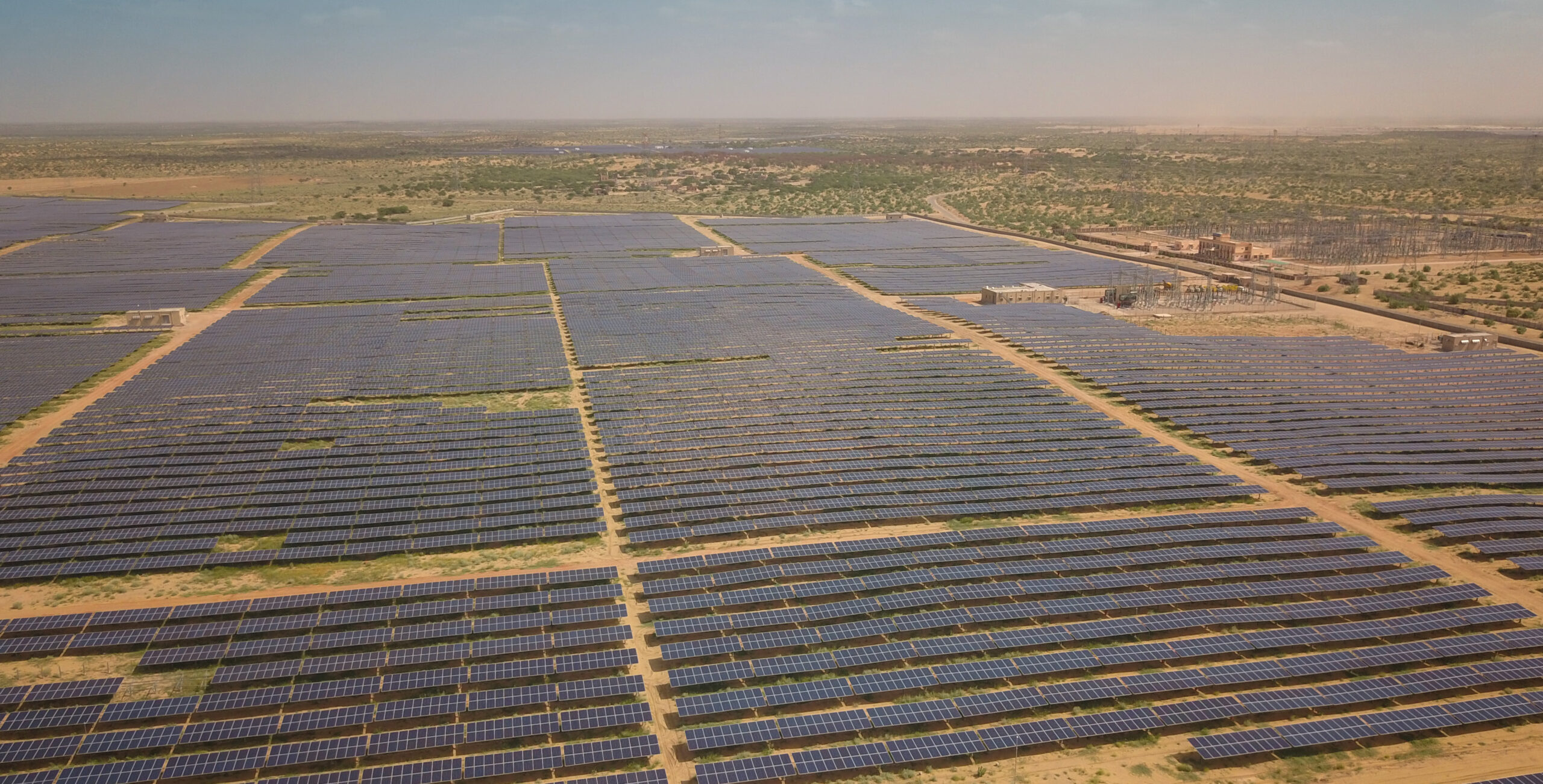
India Breaks Record for Power Generation with the World’s Largest Solar Power Plant. The Project Covers an Area Equivalent to 54 Football Fields and Generates 2.05 GW.
According to data recently released by the United Nations, India’s population is expected to reach over 1.4 billion this year and surpass China, becoming the most populous country on Earth. Therefore, it is necessary to find a source of energy to meet the demands of the entire population, considering that energy needs are vast and the Indian Government does not commit to 100% renewable energy use before 2070. In this way, the solar power plant can be a great ally for the country.
India Sets Record in Generation with Its Solar Power Plant
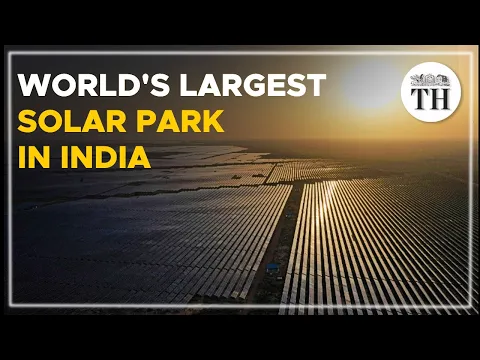

Despite the demands, India ended 2022 with an important record, as its Bhadla Solar Park, located in the Rajasthan province, occupies an area of 5,700 hectares and is currently considered the largest in operation worldwide.
Developed in 2015 by the National Thermal Power Corporation (NTPC), the solar plant generated, only in 2018, 1,515 MW of installed capacity and currently finished the year generating around 2.25 GW. To give you an idea, the project has a size equivalent to 57 football fields according to standard FIFA measurements.
-
The Brazilian state accelerates industrial competitiveness with a focus on the extraction of strategic minerals to boost the energy transition in Goiás.
-
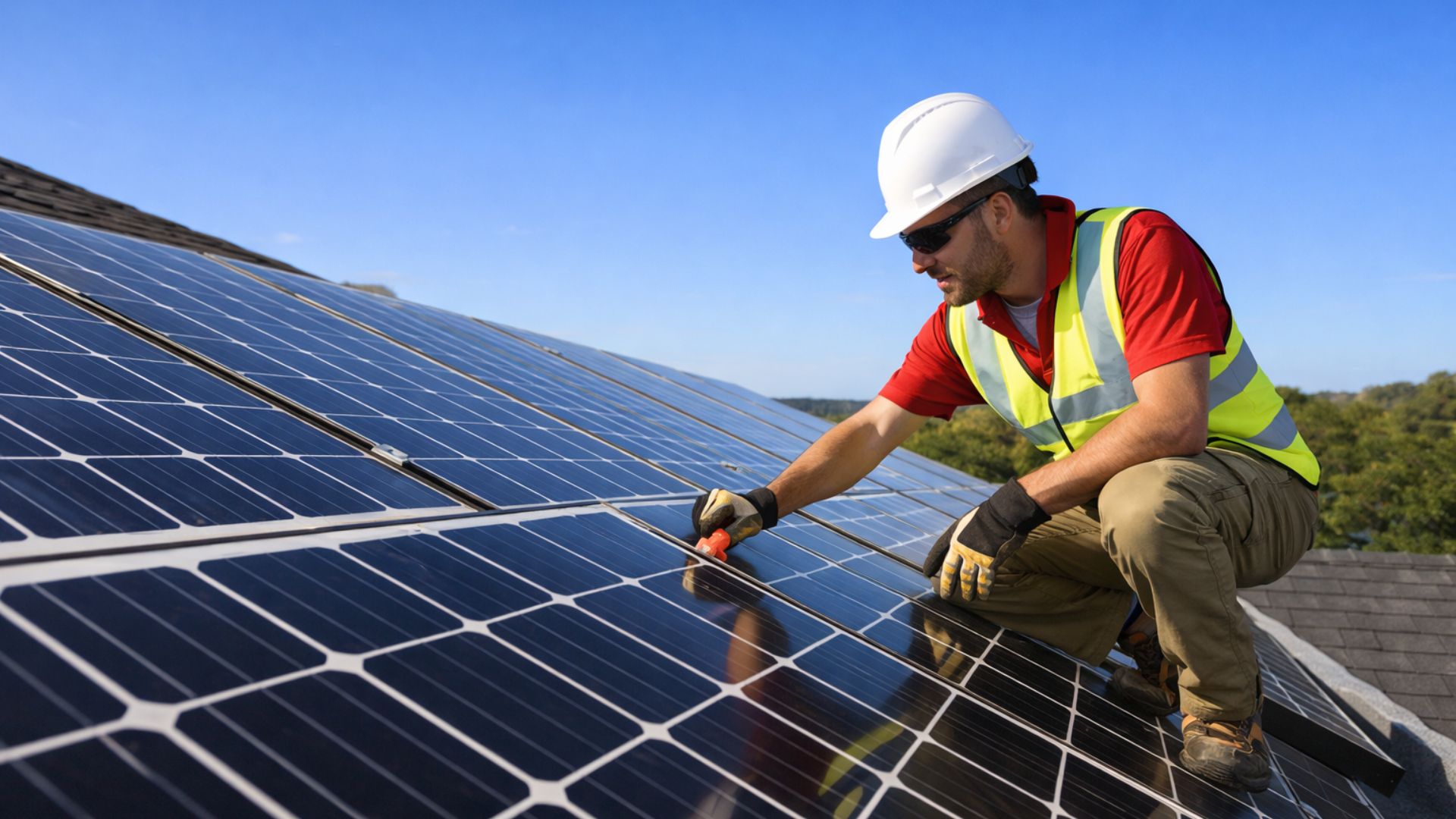
Seagri’s headquarters invests in solar energy with Neoenergia Coelba and promises to cut electricity costs, highlighting a strategic advance in sustainability and energy efficiency within state public administration.
-
A Canadian retiree creates a hydroelectric system on a real river, generating energy continuously throughout the day and demonstrating how the power of water can supply a house with stability even in a simple structure.

-
Solar Pyramid draws attention by converting solar energy into million-dollar savings and repositioning the City Hall of Curitiba as an example of innovation, sustainability, and intelligent use of public resources.
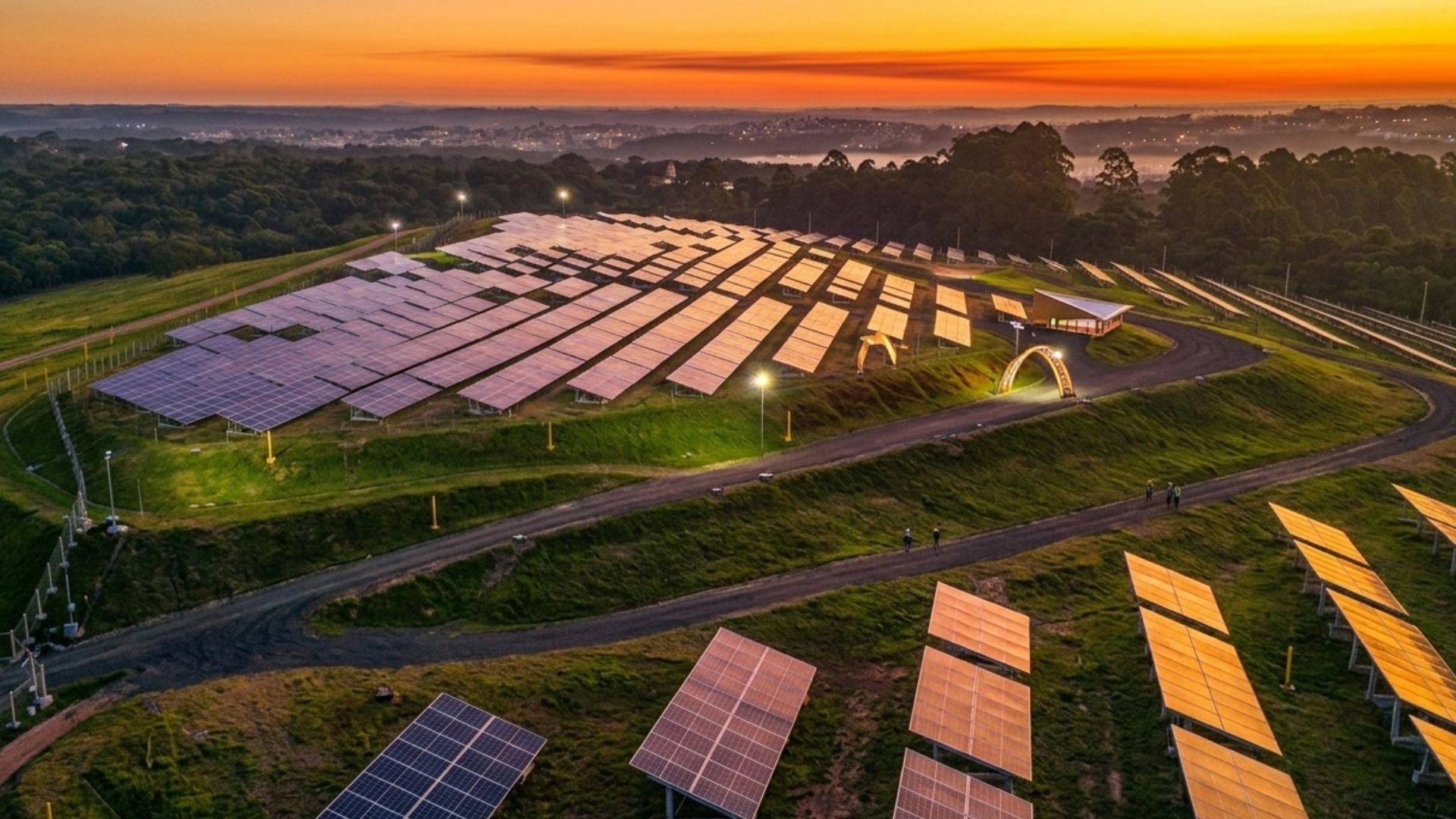

It is important to highlight that India is also home to the third largest solar park in the world, known as Pavagada Solar Park. The solar power project is located in the Karnataka district, occupying a space of 13,000 hectares, with an installed capacity of 2.05 GW.
India Still Faces Other Obstacles Toward Sustainability
The country still has another problem, considering that even if it could invest in large solar power plants or other renewable sources to evolve in the energy transition, it has very deficient basic infrastructures, which include various areas without regular access to electricity.
It should also be emphasized that energy is just one part of India’s problems, given that there are high levels of pollution, especially in large metropolises, which show that an alternative to coal plants should have been created long ago to reduce gas emissions. However, it is something difficult to achieve in such a large country.
Other Large Solar Energy Projects
Alongside the solar power plant in India, there are large projects competing, one of which is the Huanghe Hydropower Hainan Solar Park, located in China. The project has the particularity of being highly equipped with solar panels from the renowned company Huawei, situated in the remote Chinese province of Qinghai, covering an area of over 546 hectares.
Like many Chinese energy companies, it is state-owned and has an estimated capacity of 2.2 GW. However, there are plans to exceed 10 GW by 2025, which could make it the largest in the world. Another gigantic solar park is the solar project in Africa, which is based in Benban, a village in the Aswan region of Egypt.
The project belongs to NREA (state-owned) and occupies about 9,000 hectares, with the estimate that it will supply more than 4 million homes. Moreover, the plant has an installed capacity of 1.6 GW; however, there are various government projects to significantly expand its infrastructure by 2035.










Seja o primeiro a reagir!