





 Portuguese
  English
  Spanish
  3 min of reading
  0 comments


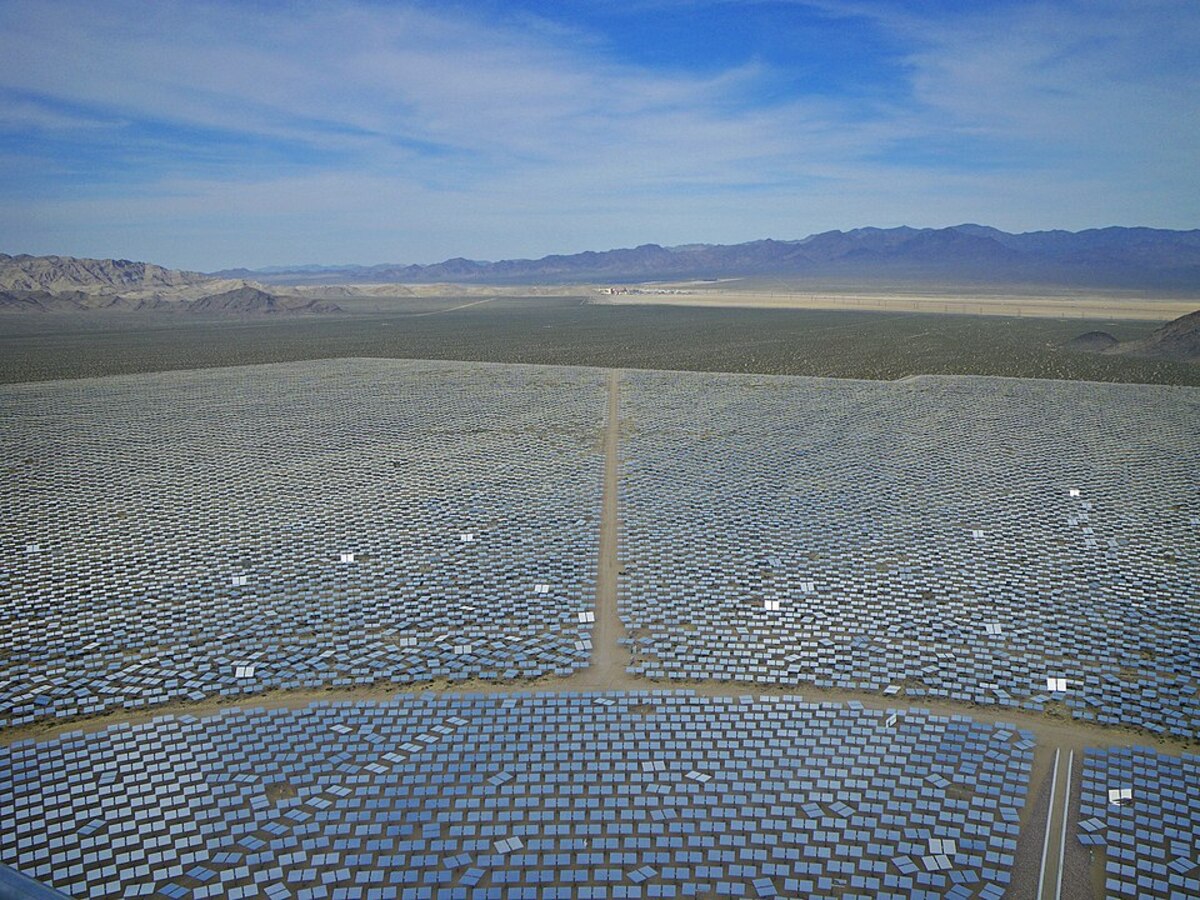
Despite Promising Clean Energy, The Ivanpah Solar Thermal Plant Will Be Decommissioned After Causing Severe Environmental Impacts, Including The Death Of Birds Burned By Solar Beams
The largest solar thermal plant in the United States will be decommissioned. Located in the Mojave Desert, the Ivanpah facility was inaugurated in 2014 with great expectations. Now, 11 years later, it will be closing down. The decision involves technical issues, high costs, and environmental impacts that compromised its operation.
Promising Technology That Did Not Succeed
Ivanpah was built with an investment of 1.6 billion dollars, financed by loans from the U.S. Department of Energy and contracts with companies in the electric sector.
At the time, it was considered a landmark of clean energy, being the largest thermal solar power plant in the world until the inauguration of a similar plant in Australia.
-
Seagri’s headquarters invests in solar energy with Neoenergia Coelba and promises to cut electricity costs, highlighting a strategic advance in sustainability and energy efficiency within state public administration.

-
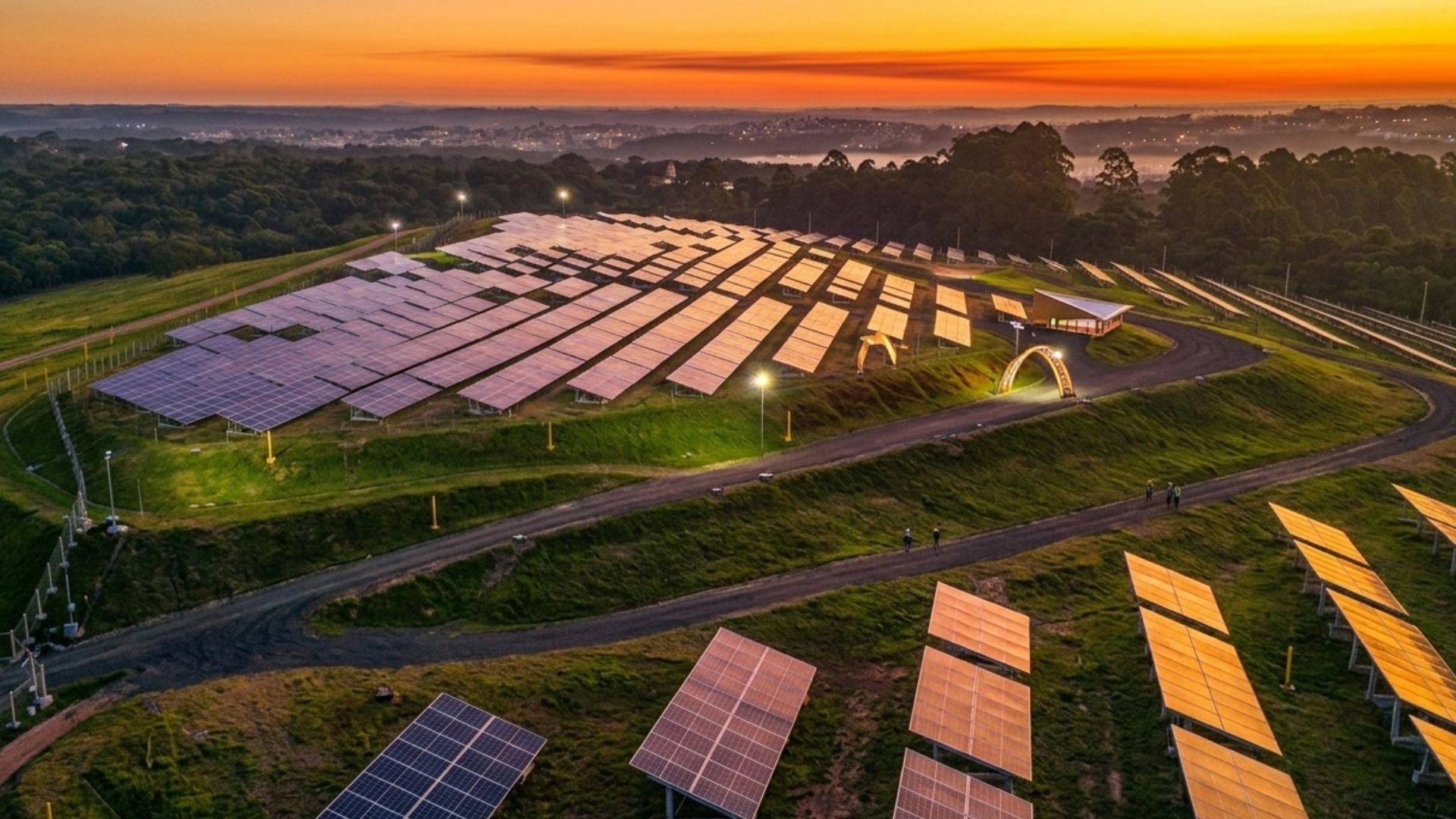
Solar Pyramid draws attention by converting solar energy into million-dollar savings and repositioning the City Hall of Curitiba as an example of innovation, sustainability, and intelligent use of public resources.
-
Europe records strong euro economy with solar energy in March and sparks curiosity about which country leads growth that redefines the energy market and reduces costs.

-
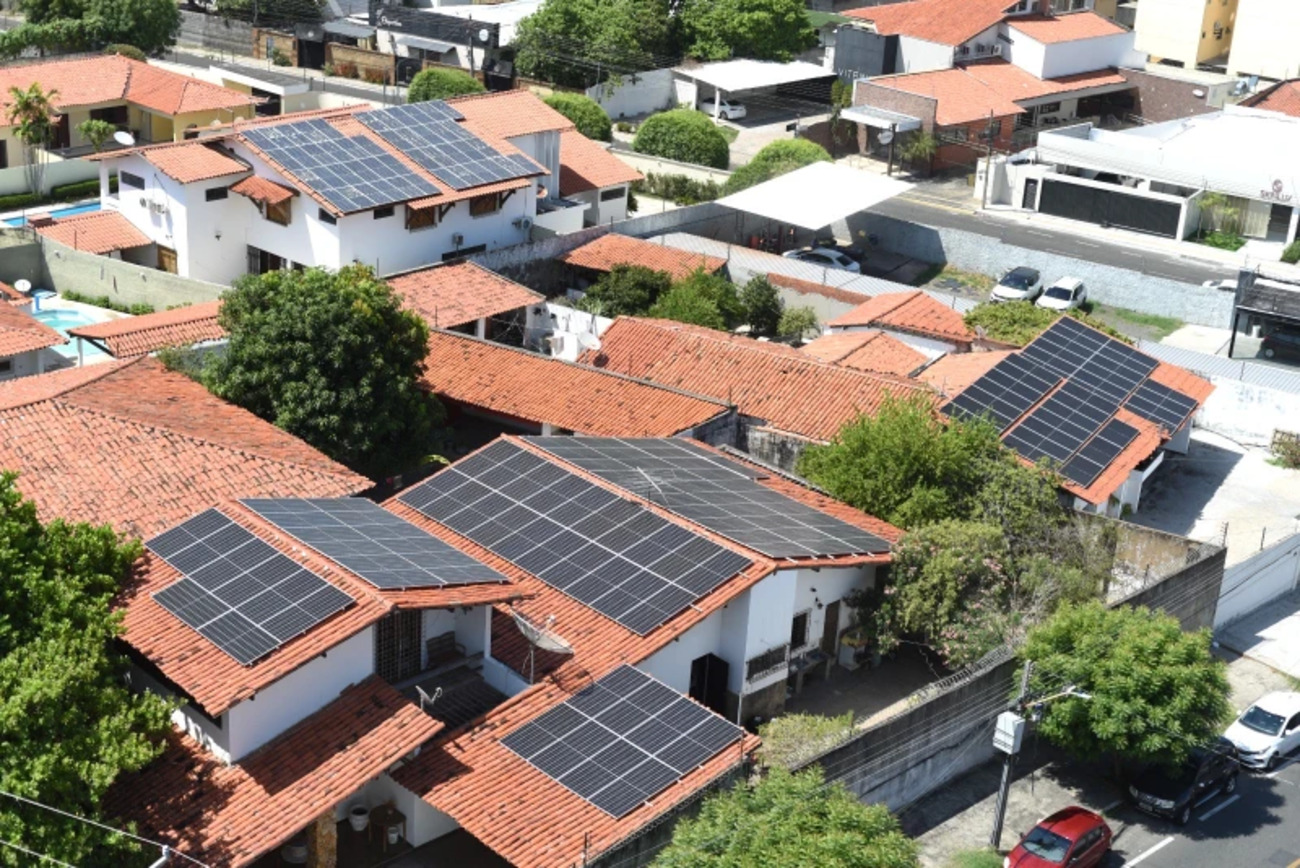
Piauí reaches a historic milestone in energy transition: State records nearly 160,000 households powered by solar energy and leads growth in the Northeast.

The technology used is known as Concentrated Solar Power. It works with thousands of mirrors, called heliostats, that track the movement of the sun and reflect its light to a central tower. The concentrated heat warms the water and generates steam, which drives turbines and produces electricity.
Alignment Issues And High Costs
As the years went by, the system proved to be unstable. Keeping the mirrors perfectly aligned with the sun required very precise control, making operation difficult.
Additionally, the costs to maintain the structure were high. The combination of complex maintenance and low reliability reduced the plant’s competitiveness.
Meanwhile, photovoltaic solar energy — which uses panels to directly capture sunlight — became increasingly cheaper and more efficient. This technological evolution made the thermal solar option less attractive for investors and energy companies.
Environmental Damage Caused Pressure
Another factor that weighed in the decision to shut down the plant was the environmental impact. Several groups reported the deaths of birds that became trapped in the concentrated light beams from the mirrors.
The animals were incinerated in mid-air. Additionally, environmental organizations pointed out harm to the habitat of the desert tortoise, a native species of the area.
Criticism increased over time, and the model came to be seen as problematic from an ecological standpoint as well. The promise of clean energy was ultimately overshadowed by these negative effects.
Crescent Dunes Plant: Another Example Of Failure
Ivanpah is not the only case. The Crescent Dunes plant, located in the state of Nevada, followed a similar proposal. The idea was to use molten salts to store heat and generate energy even without sunlight. However, the project failed to deliver the promised results.
Developed by the ACS group, Crescent Dunes also involved high investments. In the end, the responsible company went bankrupt after technical failures and poor management. The project became another example of the decline of solar concentrating technology in the United States.
Solar Panels Gain Ground
Meanwhile, photovoltaic energy gained traction. With less environmental impact, lower costs, and increasing efficiency, solar panels have established themselves as the main bet in the sector.
The current preference is clear: abandon expensive and complex systems like Ivanpah and invest in simpler and more sustainable solutions.
The decommissioning of the Ivanpah plant marks the end of a chapter in renewable energy. It shows how technologies once seen as innovative can become obsolete in the face of more practical and accessible advancements.
With information from Xataka.









Seja o primeiro a reagir!