





 Portuguese
  English
  Spanish
  3 min of reading
  0 comments


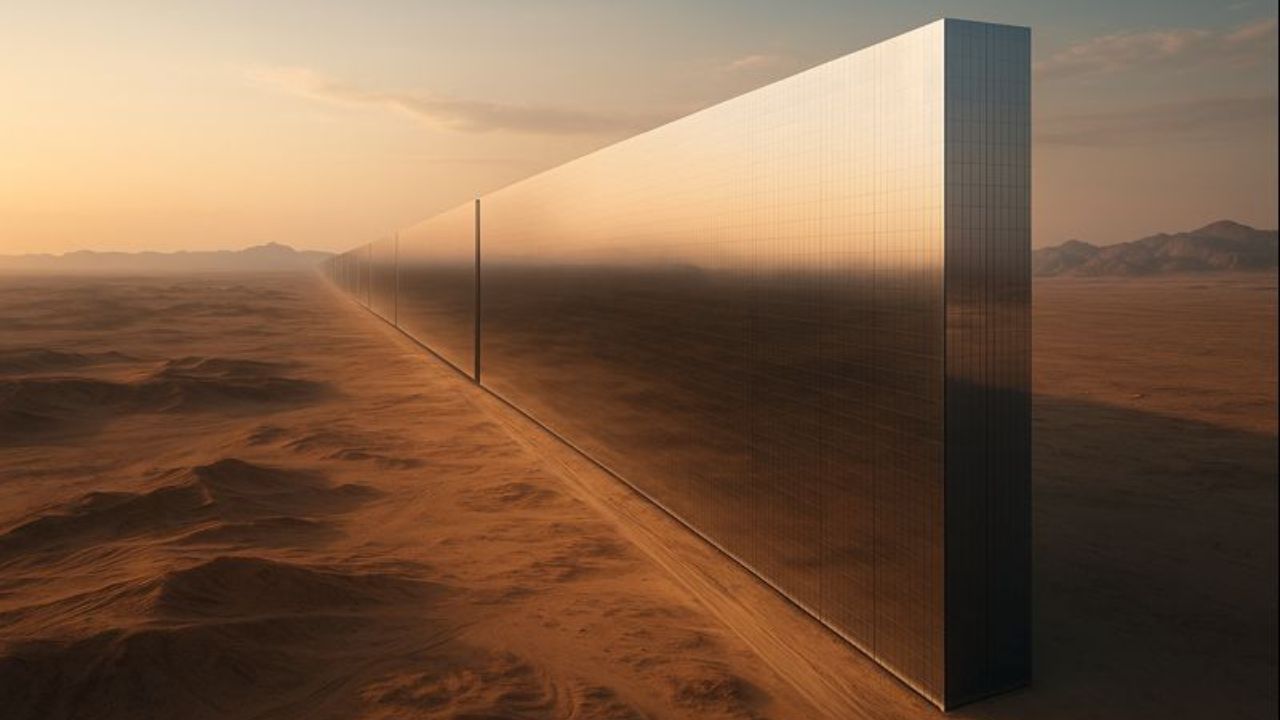
The Line Is Saudi Arabia’s Megaproject in NEOM That Bets on Car-Free Cities to Reduce Oil Dependency
A linear city of 170 kilometers long, 500 meters high and capable of 9 million inhabitants is being built in the desert of Saudi Arabia as part of the NEOM project.
Named The Line, the initiative was envisioned by the Saudi government to redefine the concept of urbanism, eliminate cars, reduce emissions, and, above all, prepare the country for a future less dependent on oil, through one of the largest construction projects ever announced on the planet.
The undertaking is led by Crown Prince Mohammed bin Salman, who bets on technology, artificial intelligence, and extreme architecture to transform a desert area into a new global economic hub.
-
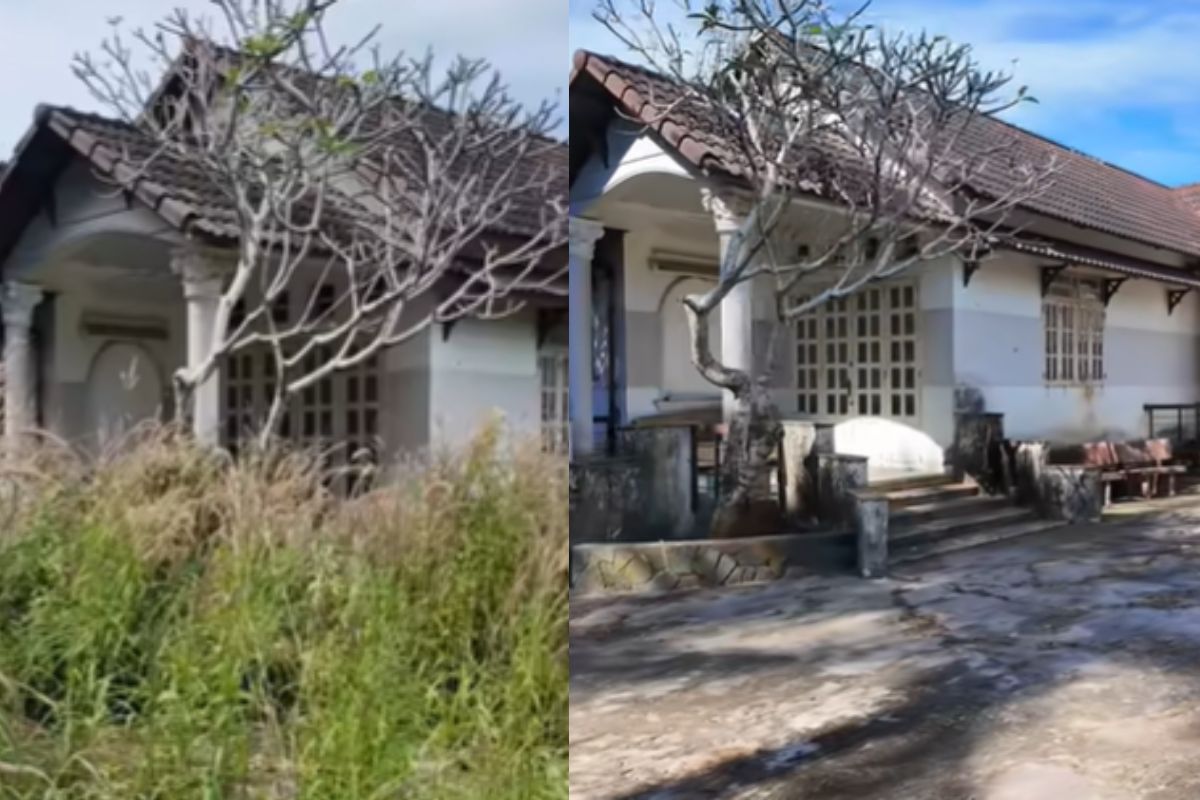
Abandoned house for 15 years disappears in the woods, shocks owner with unrecognizable scenery and is reborn in an intense transformation after almost 90 hours of work in just 10 days.
-
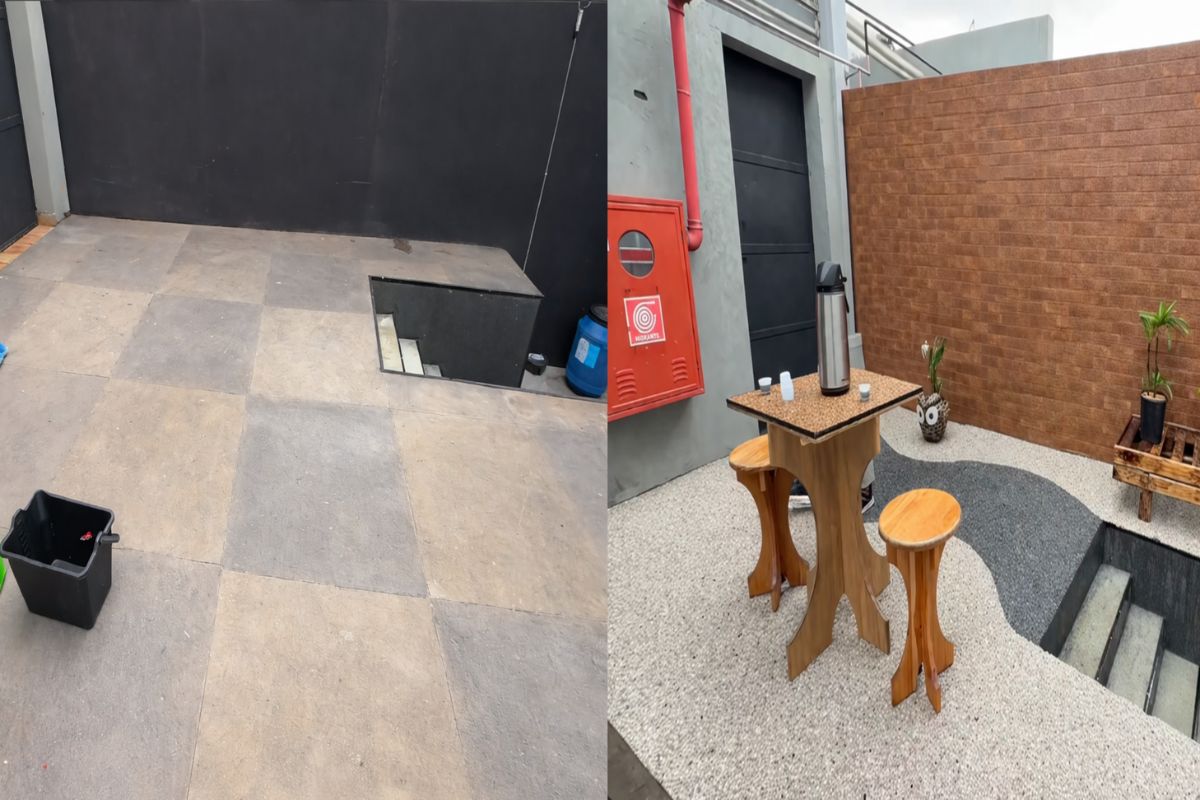
In just three hours, a natural stone floor transforms the entrance of the house with an organic effect, immediate drainage, and a sophisticated non-slip finish that doesn’t puddle water, dries quickly, and impresses with the final result.
-
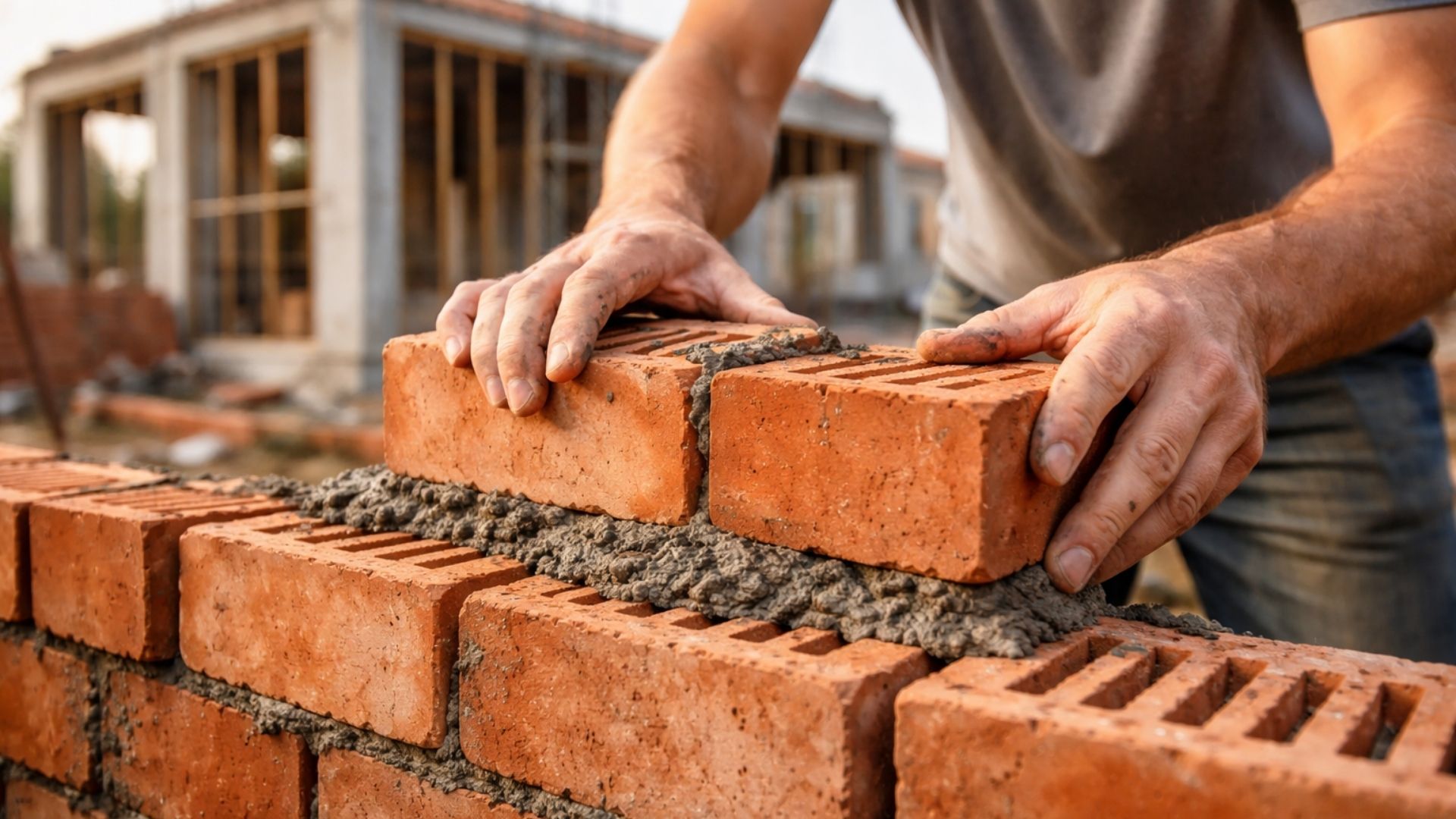
‘Interlocking brick’ made of earth arrives in the construction industry with cost reductions of up to 40% on the project.
-
Espírito Santo will receive the largest engineering project in its history with the duplication of BR 262, which will have 50 viaducts, 28 bridges, and 2-kilometer tunnels cutting through the most challenging mountainous region of the entire state.
The proposal is ambitious: to create a fully controlled city, where housing, work, leisure, and services are a few minutes away, reorganizing urban life in a single vertical line.
The Line and Saudi Arabia’s Attempt to Go Beyond Oil
The decision to invest around US$ 1 trillion in The Line is directly linked to long-term fears regarding the declining relevance of oil.
The Saudi government observed the economic diversification of neighbors like Dubai and decided to go further by creating a project capable of repositioning the country at the center of the global economy.
Situated in the special economic zone of NEOM, the city will have its own rules, differentiated legislation, and tax incentives to attract companies, startups, and international investors.
The plan is to connect Asia, Africa, and Europe within a few hours of flight, turning the region into a strategic hub for global trade.
Monumental Construction Redefines the Concept of a City in the Desert
The construction of The Line breaks with virtually all traditional urban models. Instead of horizontal streets, the city will be organized vertically, concentrating everything in a continuous structure.
According to the project, the urban space will be divided into three overlapping levels, designed to reduce travel and optimize land use.
This approach aims to solve a classic problem of large cities: wasted time in transit.
In The Line, the creators promise that any essential service will be just a few minutes away by walking or vertical mobility, without the need for cars.
The Mirrored Facade of The Line Generates Environmental Criticism
Despite the sustainable discourse, the project faces strong criticisms. One of the most controversial points is the external facade, covered with continuous mirrors, created to reflect the intense heat of the Saudi Arabian desert and keep the internal climate controlled.
Experts warn that this reflective surface could cause serious environmental impacts, such as increased temperatures around the structure and risks to local wildlife.
There is special concern for migratory birds, which may collide with the giant mirror, turning the megacity into an invisible trap.
NEOM and the Social Challenges of Living in a Linear City
Besides environmental issues, The Line also raises social debates. Living in an extremely linear and confined city may generate psychological effects and inequalities.
Past experiences of planned cities, such as Brasília, show that long distances and rigid models tend to create segregation and increase the cost of living.
Critics argue that, even without cars, the spatial organization may push lower-income populations to less valued areas of the structure, reproducing already known urban problems, now in a vertical format.
The Line as the Ultimate Symbol of Human Ambition
If completed as planned, The Line will be comparable to the Pyramids of Egypt in scale, boldness, and historical impact.
However, the project also sparks reflections on global priorities. With the same budget, experts point out that it would be possible to combat world hunger for decades or finance space colonization missions.
Still, the project advances as a symbol of Saudi Arabia‘s ambition to lead the debate on the future of cities.
The Line could become a landmark of modern engineering or just a futuristic mirage in the desert.
The outcome of this gigantic construction will help determine whether the urban future will be more sustainable or just more spectacular.









-

-

-

11 pessoas reagiram a isso.