





 Portuguese
  English
  Spanish
  5 min of reading
  0 comments


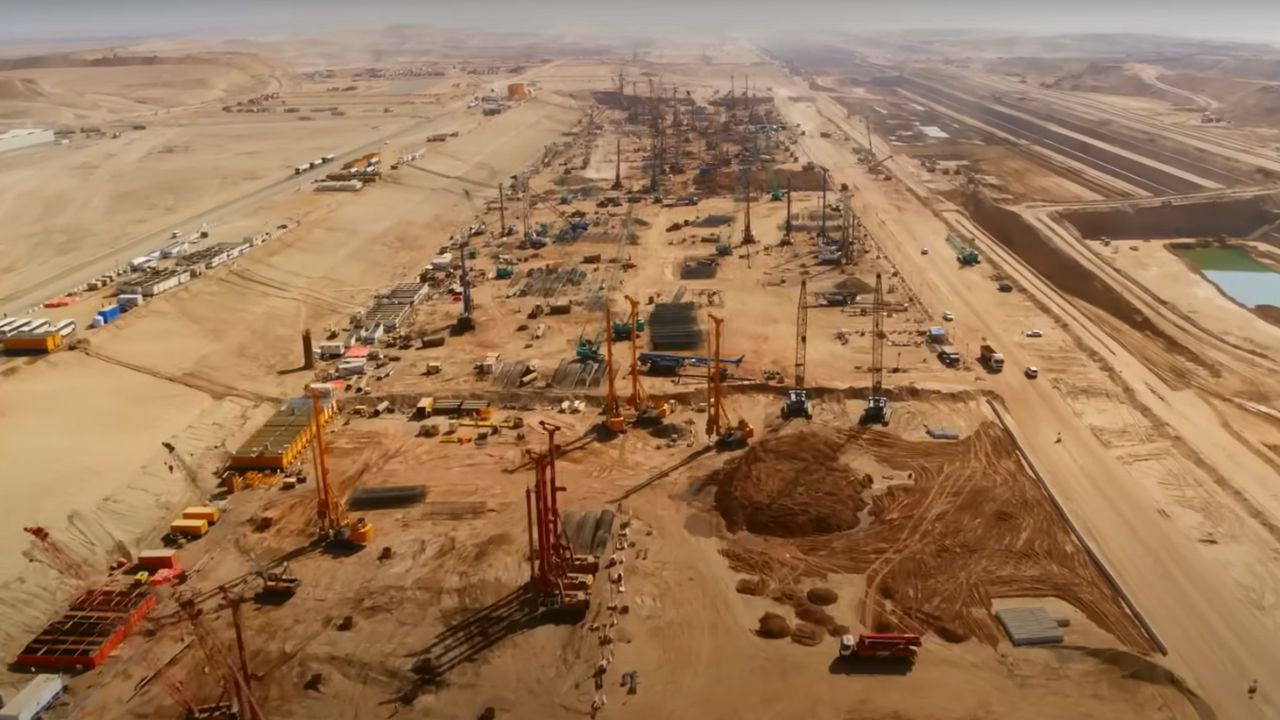
With Promises to Eliminate Carbon Emissions and Revolutionize Global Urbanism, the Futuristic Megacity of Saudi Arabia Called The Line Is Under Construction in the Desert. But What Has Come to Fruition by 2025? See the Progress, Delays, and What Is Still Just a Billion-Dollar Dream.
Announced in 2021 as one of the largest bets on urban restructuring in modern history, The Line is part of the NEOM project led by Crown Prince Mohammed bin Salman. The proposal is ambitious: a futuristic megacity in Saudi Arabia extending 170 kilometers, zero carbon emissions, no streets, no cars, and a mirrored wall 500 meters high, housing up to 9 million people.
The city, according to its creators, will be entirely powered by renewable energy sources, and internal mobility will be provided by a high-speed underground train that will connect end to end in just 20 minutes. The buildings form a single longitudinal structure, with residential, commercial areas and even vertical forests.
But four years after the announcement, what has really been built of the Saudi Arabian megacity by 2025?
-
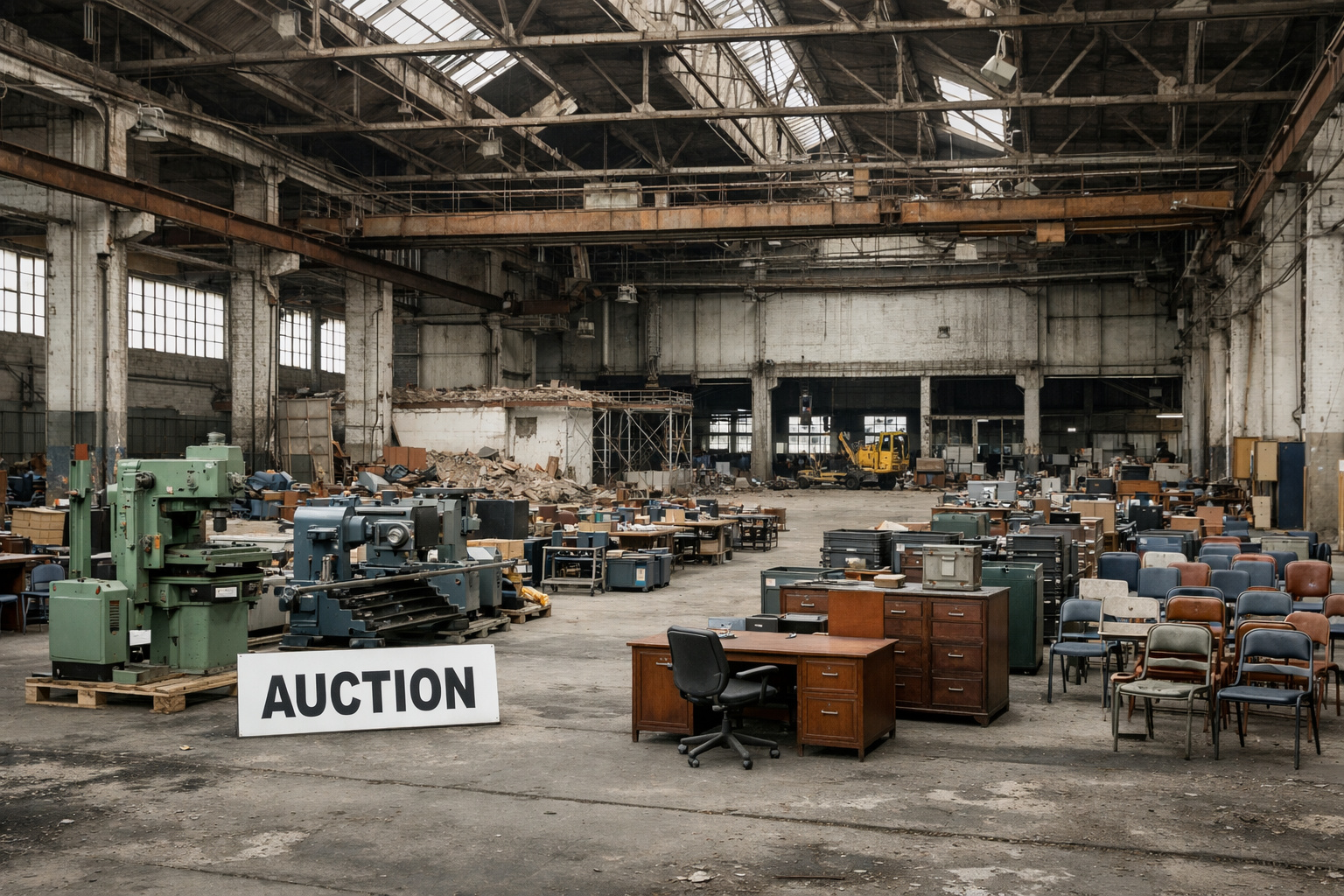
Historic bankruptcy of Centauro shocks the market, and the century-old company puts more than 500,000 products, machines, and complete infrastructure up for online auction.
-
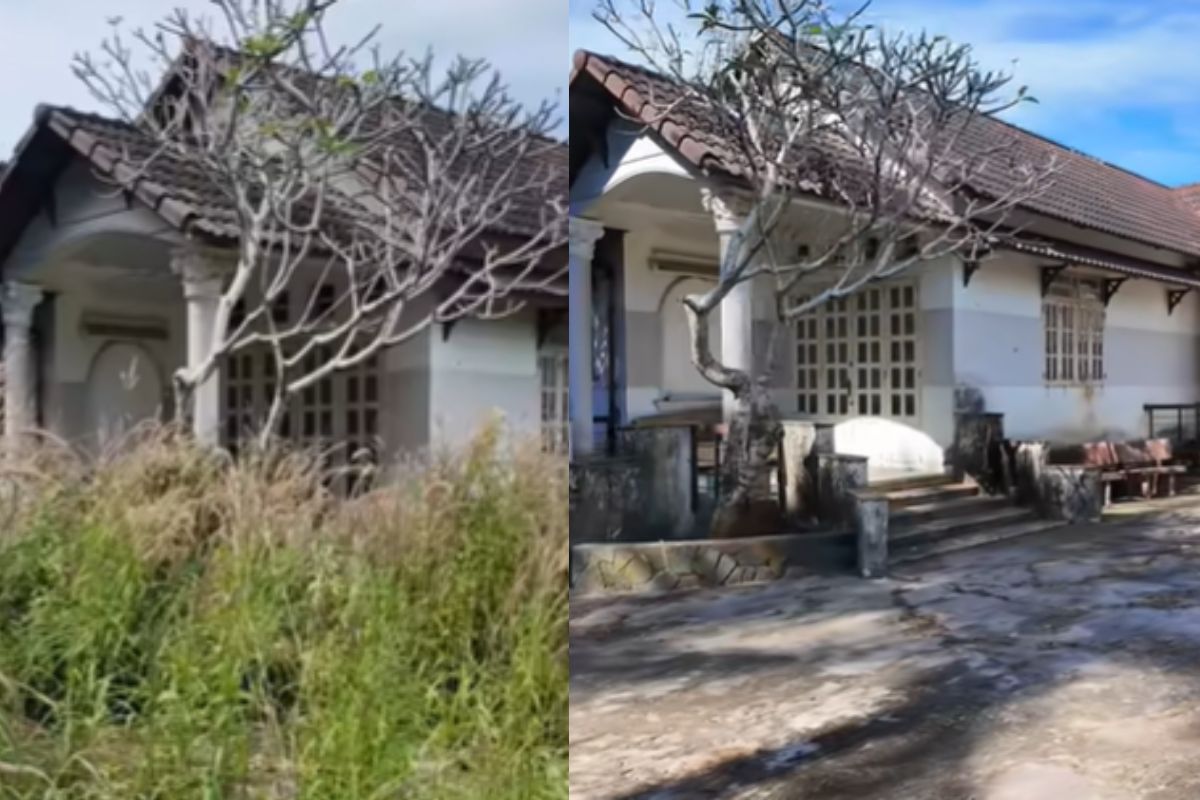
Abandoned house for 15 years disappears in the woods, shocks owner with unrecognizable scenery and is reborn in an intense transformation after almost 90 hours of work in just 10 days.
-
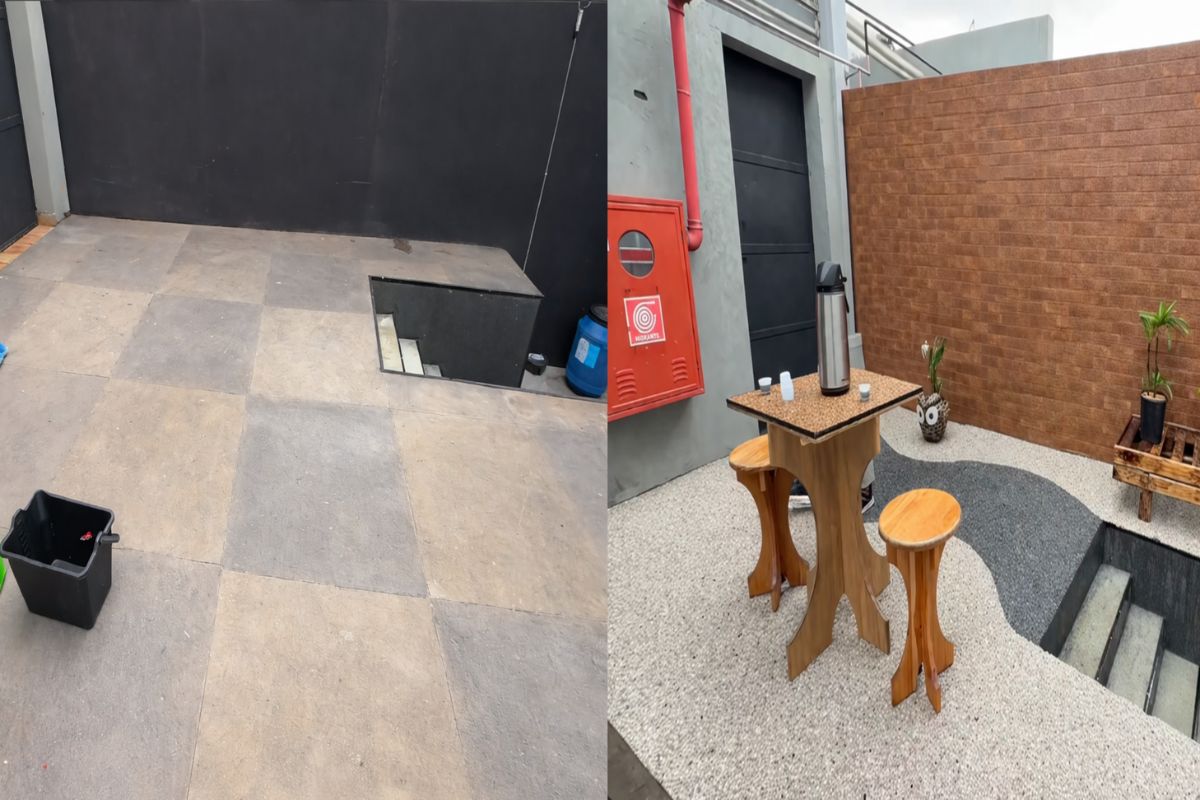
In just three hours, a natural stone floor transforms the entrance of the house with an organic effect, immediate drainage, and a sophisticated non-slip finish that doesn’t puddle water, dries quickly, and impresses with the final result.
-
‘Interlocking brick’ made of earth arrives in the construction industry with cost reductions of up to 40% on the project.
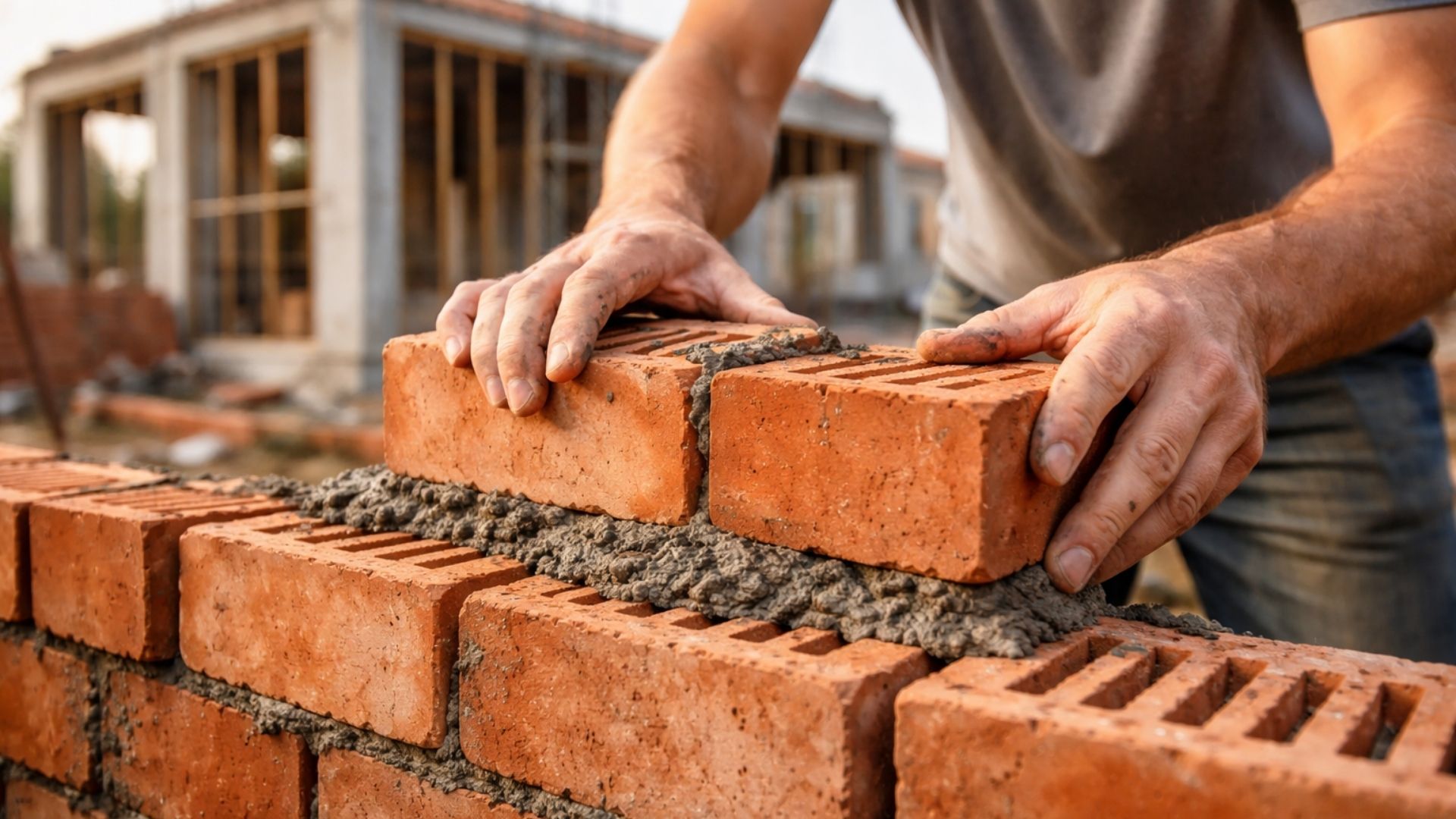

What Has Been Done So Far: Only 2.4 km of The Line Are Expected to Be Completed by 2030
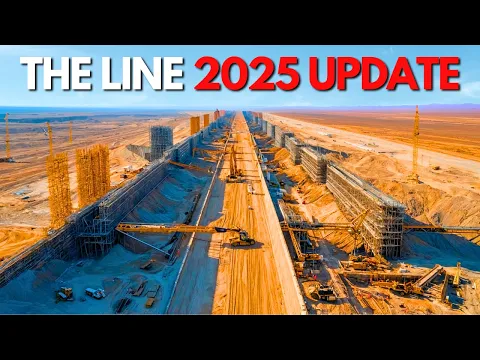

By 2025, the status of The Line is well below the original plan. The first phase of the project, called Hidden Marina, is under construction with an expected completion date of 2030. This initial stretch will be 2.4 km long and will house about 200,000 people. Far from the 1.5 million residents promised for the end of the decade.
Despite this, the construction site is in full swing. It is estimated that about 140,000 workers are involved in building the futuristic megacity of Saudi Arabia. More than 1,000 foundation piles have already been installed, and 120 new ones are added each week.
The demand for materials is so colossal that the project is already consuming about 20% of the world’s available steel. The impact of this demand creates significant logistical and environmental challenges, with thousands of tons of glass, concrete, and iron being transported daily to the Saudi desert.
Delayed Timetable: From 2030 to 2045 — or Even 2080
The original promise was ambitious: to have the 170 km of The Line ready by 2030. However, with slow progress and execution difficulties, the creators themselves now admit that this goal is unrealistic. Now, the new target is set for 2045 — and some say that a realistic deadline would only be in 2080.
Moreover, the cost of The Line has been revised to US$ 8.8 trillion, which represents more than 25 times the annual budget of Saudi Arabia. This raises doubts about the project’s viability, even with the country’s enormous sovereign fund.
Utopian or Dystopian Design? The Technical and Environmental Challenges of The Line
One of the main hurdles to the project has been the design itself. Mohammed bin Salman has rejected proposals to reduce the city’s height from the current 500 meters to a more viable model. He insists on maintaining the radical aesthetic of vertical mirrored walls, which generates technical and environmental complications:
- Overheating of the Environment: giant mirrored structures can create thermal lens effects and impact the local climate.
- Disruption of Ecosystems: experts point out that construction may alter animal migration patterns, damage dunes, and destroy natural habitats.
- Disconnection from the Surroundings: by eliminating streets and windows to the horizon, critics argue that The Line could become a “luxury vertical prison.”
Even with state support, the project has faced increasing scepticism from the international community and renowned urban planners.
Life in The Line: Sustainable Utopia or Glass Nightmare?
The proposal for the Saudi Arabian megacity is to sell a more efficient, clean, and integrated life: a five-minute walk to any basic service, high-speed underground transportation, absence of emissions, and living in communities connected by artificial intelligence.
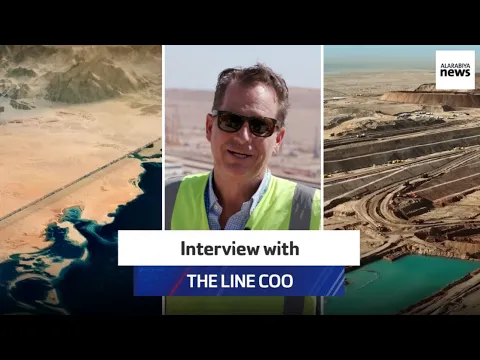
However, critics and recent visitors point out that the real scenario is still far from the futuristic animations promoted by Saudi media. Influencers who visited the developing areas showed unfinished construction sites, lack of greenery, and initial structures that fall far short of expectations.
For many, the idea of living inside a 500-meter-high glass wall, without streets or windows to the horizon, may not be as appealing as it sounds. Some analysts describe the proposal as a urban utopia with traces of a digitized dystopia, where constant surveillance and the absence of urban spontaneity could turn the experience into something claustrophobic.
Environmental and Social Impacts: The Controversy Behind the Construction
The construction of The Line is not free of controversies. Human rights organizations have reported forced displacement of local communities, especially traditional peoples living in the region where the project is advancing.
Environmentalists warn of risks of thermal pollution, overuse of scarce natural resources (such as water), and severe alterations to the desert landscape, one of the most fragile on the planet. The massive use of steel and glass also contradicts the discourse of sustainability, especially considering the carbon footprint of manufacturing and transporting these materials.
In addition, the Saudi regime is accused of using the NEOM project — and The Line — as a smokescreen to “clean” its international image, especially after criticisms involving women’s rights, political repression, and events like the assassination of journalist Jamal Khashoggi.
What Is Hidden Marina? The First Stretch That Could Be Completed
Amid delays and skepticism, one section in particular has progressed: the Hidden Marina is the first functional stage of The Line. Spanning 2.5 km, it is expected to include:
- Housing for 200,000 people
- Football stadiums (including a possible venue for the 2034 World Cup)
- Leisure centers, hotels, and underground transportation stations
The Hidden Marina is seen as the showcase project, the section that should demonstrate to the world the viability of the futuristic megacity of Saudi Arabia. If delivered on schedule, it could help regain some credibility for the project.
By 2025, the Saudi Arabian megacity called The Line remains much more of an idea than a consolidated reality. With only 2.4 km projected by 2030, delays in the timeline, and technical and environmental challenges still unresolved, the project is far from delivering what it promised in its ambitious original proposal.
Even so, the billion-dollar mobilization, the number of workers involved, and the global impact of the project ensure that it will remain on the international radar — as a symbol of what urbanism of the future may be, or what can go wrong when ambition exceeds feasibility.
What can be said for sure is that The Line continues to be one of the most impressive (and controversial) ongoing projects in the world. Whether it will be completed as planned, or if it will join the list of unfinished megaprojects, only time will tell.





-

Uma pessoa reagiu a isso.