





 English
  Francês
  Alemão
  Italiano
  Japonês
  Norueguês
  Portuguese
  Spanish
  6 min of reading
  0 comments


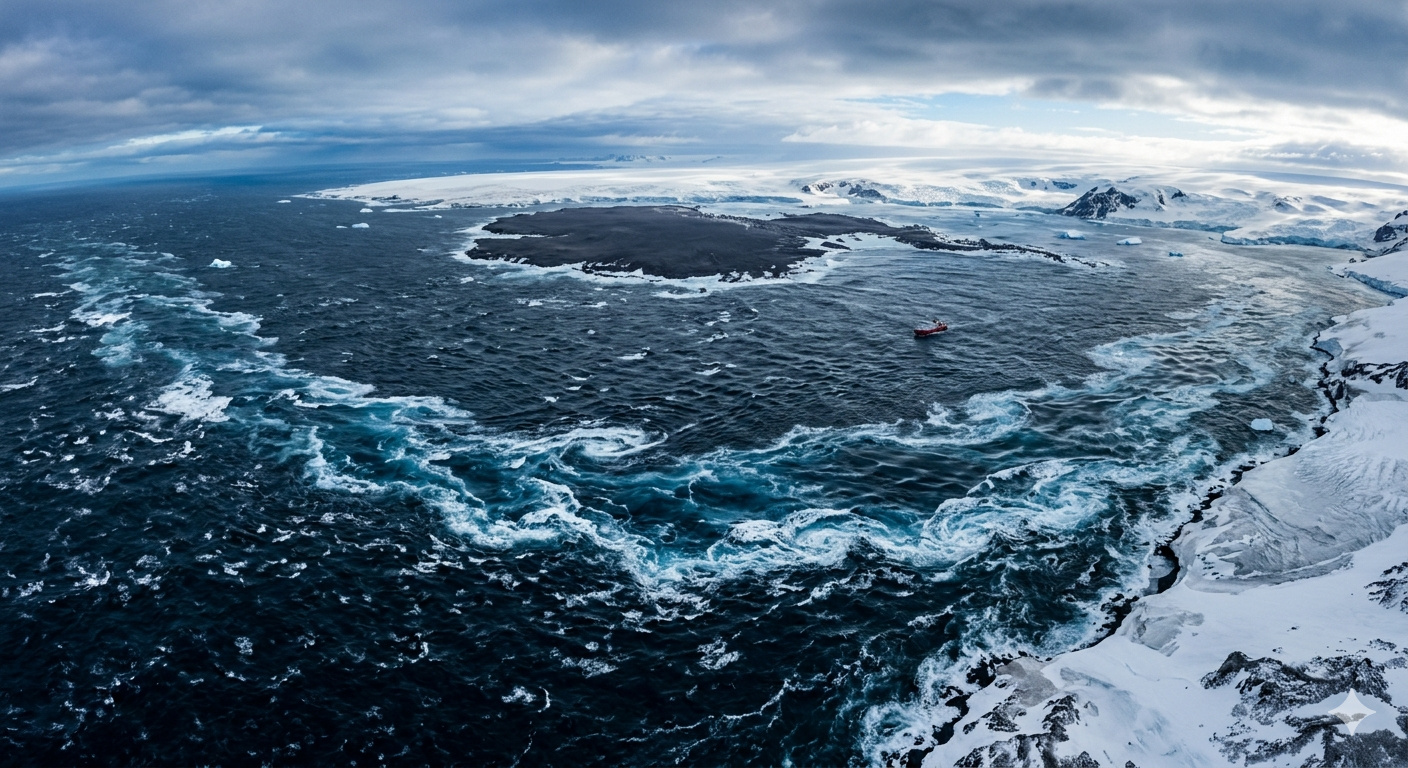
The Antarctic Circumpolar Current transports 100 times more water than all the rivers in the world, can exceed 2,000 km in width, and recent changes concern scientists.
In 2024, studies on ocean dynamics and global climate, based on widely consolidated research synthesized by institutions such as NOAA, reinforced the central role of the Antarctic Circumpolar Current in the global climate system. It is the only ocean current that continuously circulates around an entire continent, directly connecting the Atlantic, Pacific, and Indian Oceans in an uninterrupted flow, as described by the Encyclopaedia Britannica. This system is not only large — it is dominant on a planetary scale. The Antarctic Circumpolar Current acts as a kind of “oceanic belt”, redistributing heat, nutrients, and water mass among different regions of the globe. Its influence is so extensive that changes in its intensity or position can alter climate patterns across entire continents.
Unlike more well-known coastal currents, such as the Gulf Stream, the ACC is not easily visible or perceptible. It operates in deep, cold waters, often far from the coast, which contributes to its being little known outside the scientific community — despite its global impact.
Transport of up to 180 million cubic meters per second places the ACC far above all the rivers of the planet combined
One of the most impressive facts about the Antarctic Circumpolar Current is its transport volume. Scientific measurements indicate that it moves between approximately 130 and 180 million cubic meters of water per second, a value known in oceanography as about 130 to 180 Sverdrups.
-
350-year mystery may have been solved: remains of a soldier who inspired the hero of The Three Musketeers found beneath a church in the Netherlands.

-
NASA photographed a nearly perfect square with 3 km sides on Mars, 13 times larger than the Great Pyramid of Giza, but the official explanation is natural erosion; still, no one has explained why the four sides have almost identical lengths.

-
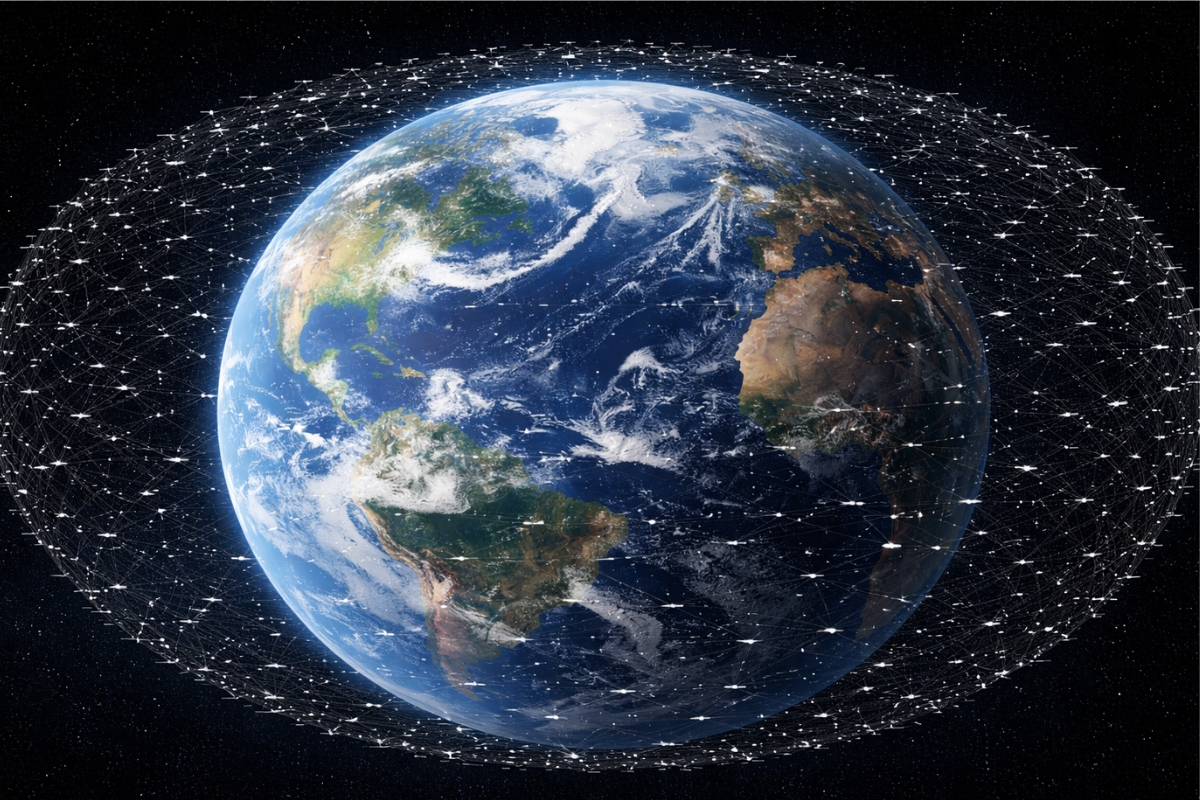
Starlink breaks the barrier of 10,000 satellites in orbit and takes its expansion to an unprecedented level, with a direct impact on global internet, technological competition, and the race for space.
-
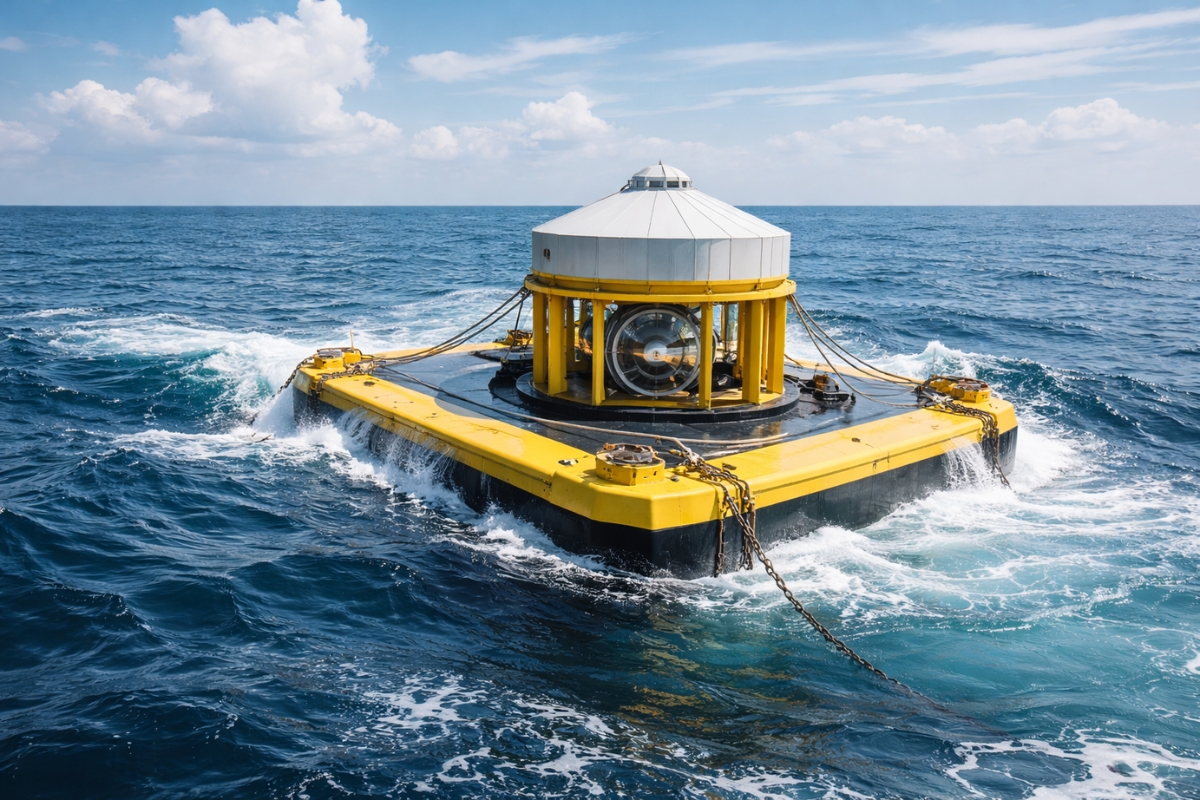
Japan finds an alternative to oil amid rising prices by transforming ocean balance into electricity with a new technology that maintains efficiency even when the sea changes.



For comparison, all the rivers in the world combined discharge into the ocean around 1.2 to 1.5 million cubic meters per second. This means that the ACC transports about 100 times more water than the combined flow of all the rivers on the planet.
This number is not just a record — it represents a scale that redefines how ocean dynamics are understood. The ACC is not just a current: it is a global circulation system that directly influences the distribution of heat and salinity in the oceans.
This massive transport also contributes to the planet’s thermal regulation, helping to maintain climate balance by redistributing energy between tropical and polar regions.
Width that can exceed 2,000 km transforms the current into a continental-scale oceanic system
Another aspect that impresses scientists is the width of the Antarctic Circumpolar Current. In different regions of the Antarctic Ocean, it can vary significantly, but often exceeds 2,000 kilometers.
This dimension means that the ACC is not a narrow or well-defined current, but rather a vast system of flows that extends over an area comparable to the width of entire countries.
Within this range, there are multiple jets and subcurrents that interact with each other, creating a complex and highly dynamic system. These internal structures are influenced by factors such as the ocean floor topography, water temperature, and surface winds.
The continental scale of the ACC is one of the reasons why it plays such an important role in the global climate system. Its ability to transport large volumes of water over vast distances makes it one of the main drivers of deep ocean circulation.
Sediment data from over 5 million years reveal how the current evolved over geological history
To understand how the Antarctic Circumpolar Current behaves in the present, scientists turn to records from the past. One of the most important methods for this is the analysis of marine sediments collected from the ocean floor.
Scientific expeditions conducted with the JOIDES Resolution drilled deep layers of the ocean floor, recovering samples that record millions of years of climatic history.
These sediments act as a natural archive, preserving information about ocean currents, water temperature, chemical composition, and even circulation patterns over time.
Studies indicate that the analyzed records date back more than 5 million years, covering the Pliocene period to the present day. By examining these layers, researchers can reconstruct how the ACC behaved during different climatic periods of the Earth.
These analyses show that the current has undergone natural variations over time, but also indicate that recent changes may be occurring at an accelerated pace.
Recent changes in the intensity and position of the current are being monitored by scientists around the world
Contemporary research indicates that the Antarctic Circumpolar Current may be undergoing changes related to global climate change. Among the factors analyzed are the intensification of winds in the Southern Hemisphere and the warming of ocean waters.
These elements can influence both the speed and position of the current, significantly altering its dynamics. In some regions, studies point to a displacement of the main jets and changes in the internal structure of the ACC.
Although there is no consensus on the exact magnitude of these changes, there is enough evidence for the scientific community to treat the phenomenon with increasing attention.
The ACC is a critical component of the global climate system, and changes in its behavior can have cascading effects, impacting everything from Antarctic ice to climate patterns at lower latitudes.
The role of the Antarctic Circumpolar Current in global climate regulation and the thermal balance of the oceans
The importance of the ACC goes far beyond its physical scale. It plays a fundamental role in regulating the Earth’s climate, acting as a mechanism for redistributing heat among different regions of the planet.
By circulating around the Antarctica, the current helps to isolate the continent from the warmer waters coming from the north, contributing to the maintenance of the low temperatures that characterize the region.

Furthermore, the ACC is directly involved in thermohaline circulation, a global system of ocean currents that transports heat and nutrients at great depths.
This process influences the biological productivity of the oceans, the formation of sea ice, and even the concentration of carbon dioxide in the atmosphere.
Any significant alteration in the ACC can, therefore, trigger changes in multiple interconnected systems, reinforcing the importance of its continuous monitoring.
Structural complexity of the current involves multiple jets, deep layers, and interaction with ocean topography
Unlike a simple current, the ACC is composed of various jets that move at different speeds and depths. These jets are separated by ocean fronts, which act as transition zones between water masses with distinct characteristics.
The interaction between these jets and the ocean floor topography creates complex circulation patterns, including eddies and turbulence that can influence the distribution of energy and nutrients.
These structures make the ACC one of the most challenging systems to study in modern oceanography. Even with advanced technologies, such as satellites and submerged sensors, there are still aspects of the current that remain poorly understood.
Why changes in the most powerful ocean current on the planet concern the scientific community
The concern about the Antarctic Circumpolar Current is directly linked to its central role in the global climate system. Changes in its intensity, position, or structure can have broad and unpredictable consequences.
Among the possible impacts are changes in the extent of sea ice, alterations in deep ocean circulation, and variations in global climate patterns.
Additionally, the ACC influences the exchange of gases between the ocean and the atmosphere, including carbon dioxide. Changes in this process can affect the carbon balance on the planet, with implications for global warming.
Although many of these issues are still under study, the importance of the ACC as a key element of the Earth system is widely recognized.
The Antarctic Circumpolar Current remains one of the most powerful and least understood systems on the planet
Even with decades of research, the Antarctic Circumpolar Current remains one of the most complex and fascinating phenomena on Earth. Its gigantic scale, global influence, and internal dynamics continue to challenge scientists.
The advancement of research, especially with the use of modern technologies and analysis of ancient sediments, is allowing for an increasingly detailed understanding of this system.
However, many questions still remain unanswered, especially regarding recent changes and their possible impacts on the future of the planet.
The ACC is not just an ocean current — it is an essential component of the Earth’s climate machine, whose understanding is crucial for predicting and addressing the environmental challenges of the coming decades.







Seja o primeiro a reagir!