





 Portuguese
  English
  Spanish
  3 min of reading
  0 comments


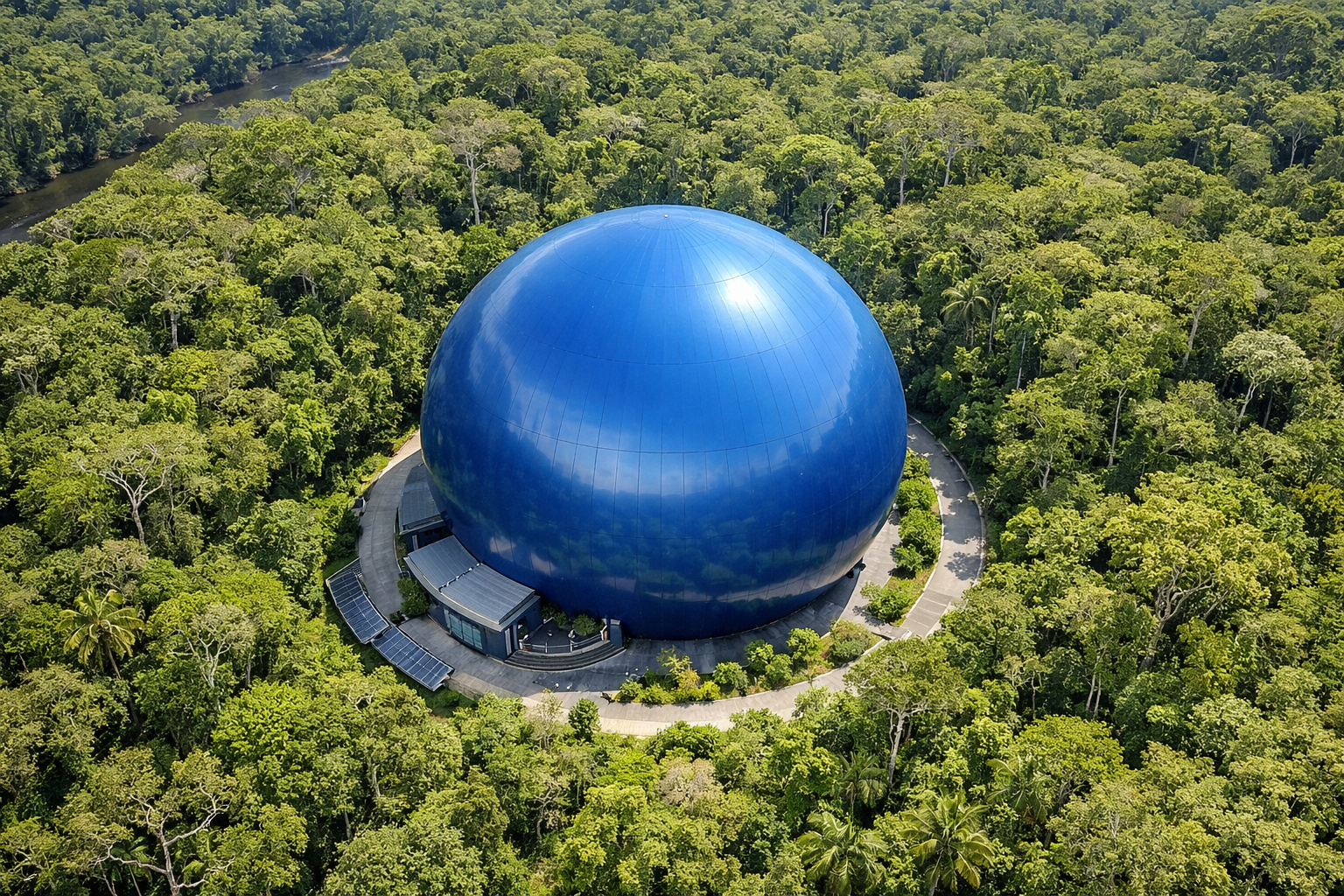
Giant structure in the middle of the forest sparks curiosity on social media and reveals a unique initiative for scientific education in the interior of Amazonas
Aerial images of a giant blue sphere in the middle of the Amazon quickly went viral on social media and sparked the curiosity of thousands of people. After all, what could that unusual structure be amidst the intense green of the forest? At first glance, many internet users even came up with unusual theories, but the reality behind the construction is even more surprising — and extremely positive for Brazil.
The information was released by “Institute of Health and Biotechnology”, which detailed how this structure is actually the Planetarium of Médio Solimões, located in Coari, Amazonas. The project has been gaining prominence not only for its impressive visual but mainly for the educational and scientific impact it is already beginning to transform the region.
Planetarium of Médio Solimões: the first in Amazonas and a historical landmark in the region

Located within the Institute of Health and Biotechnology of the Federal University of Amazonas, the Planetarium of Médio Solimões represents a significant advancement in access to science in the North of the country. This is because it is the first permanent planetarium in the state of Amazonas, offering a unique structure for the observation and study of the universe.
-
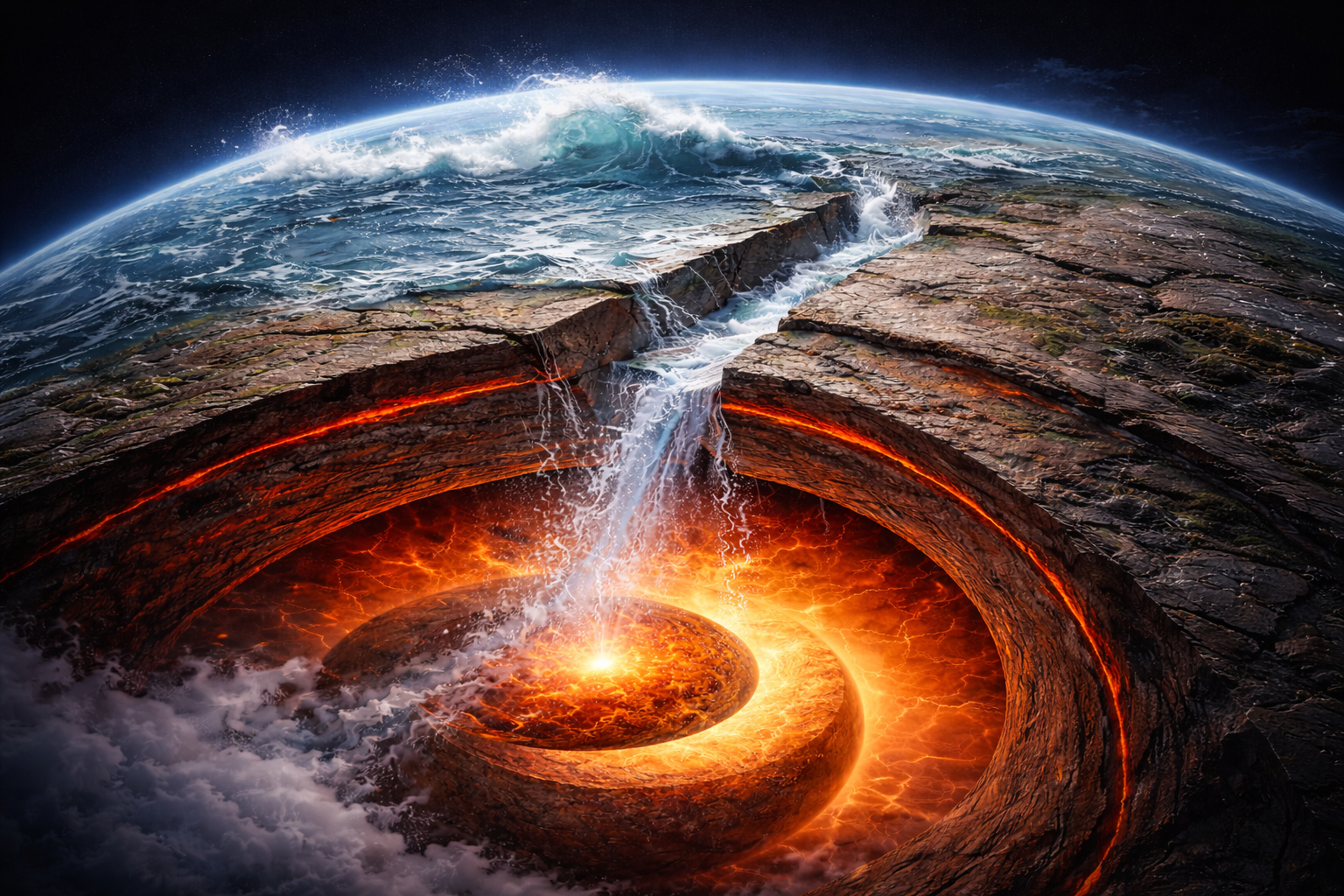
Earth is “pulling” water from the oceans into the core at nearly 3,000 km deep, and scientists finally explain how this slow and invisible process may be completely transforming the planet from the inside over billions of years.
-
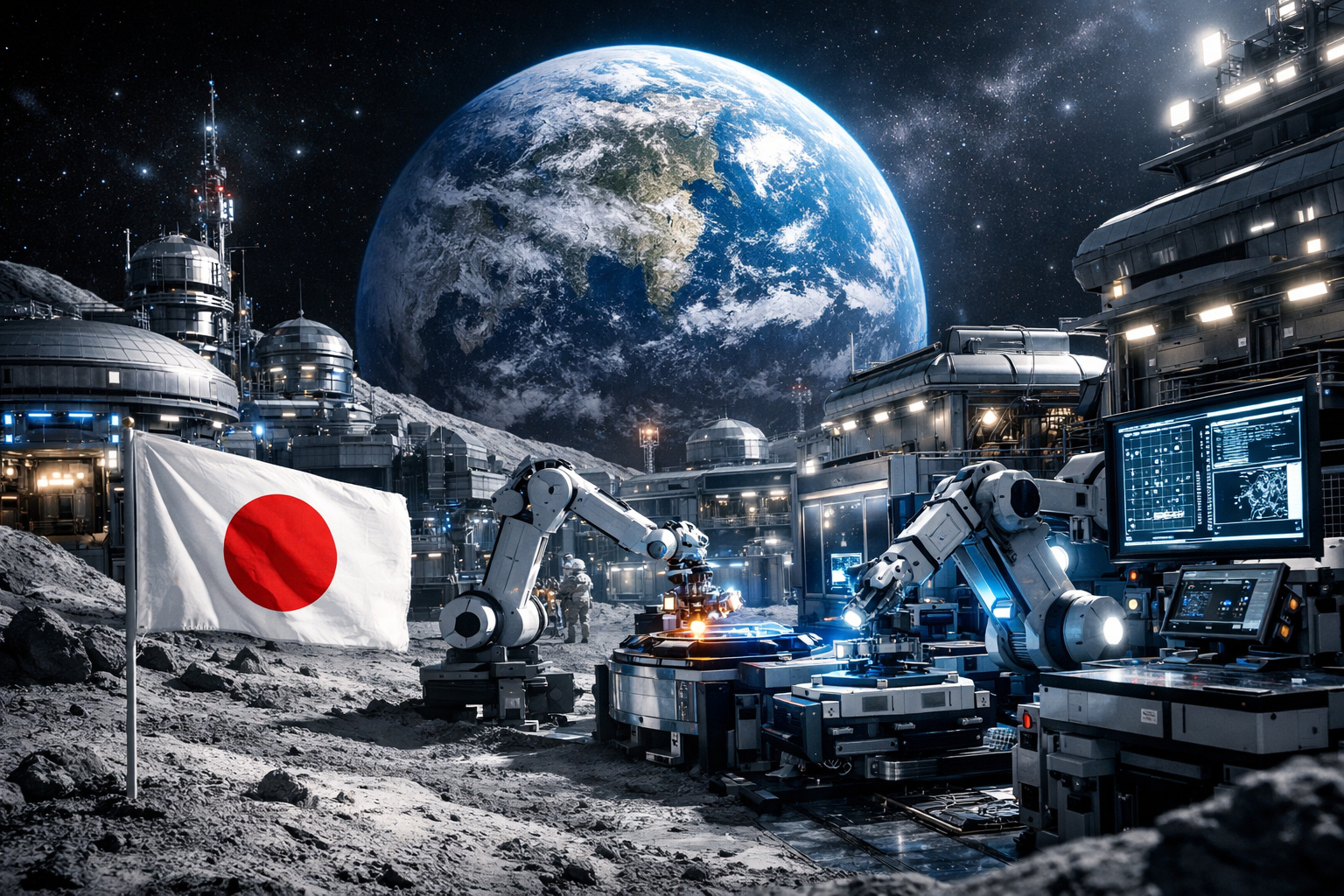
Japan shocks the world by announcing a billion-dollar plan to build a chip factory on the Moon with the support of Toyota, Sony, and the government, aiming for 2-nanometer technology and global dominance.
-
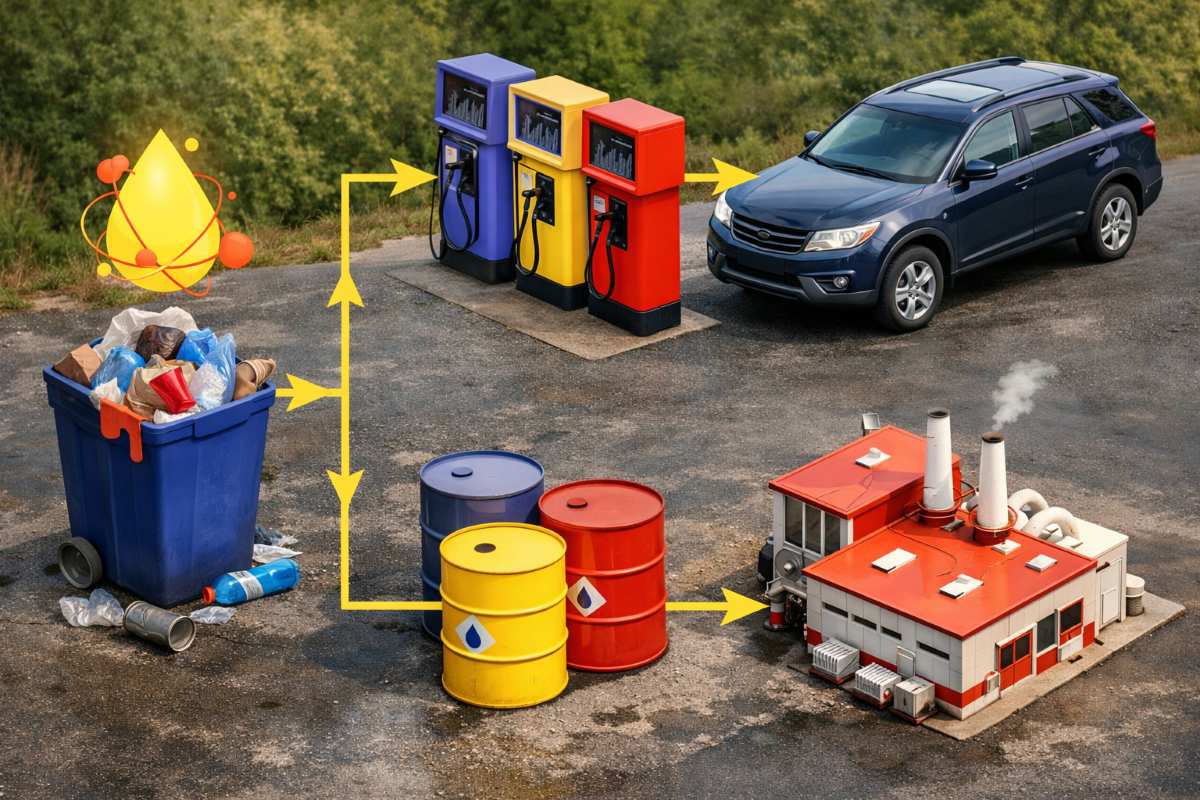
Scientists in the U.S. transform plastic waste into gasoline and diesel with nearly 60% efficiency using molten salts and less than 200 °C, in a process that could cost less and challenge traditional methods that reach 500 °C.
-
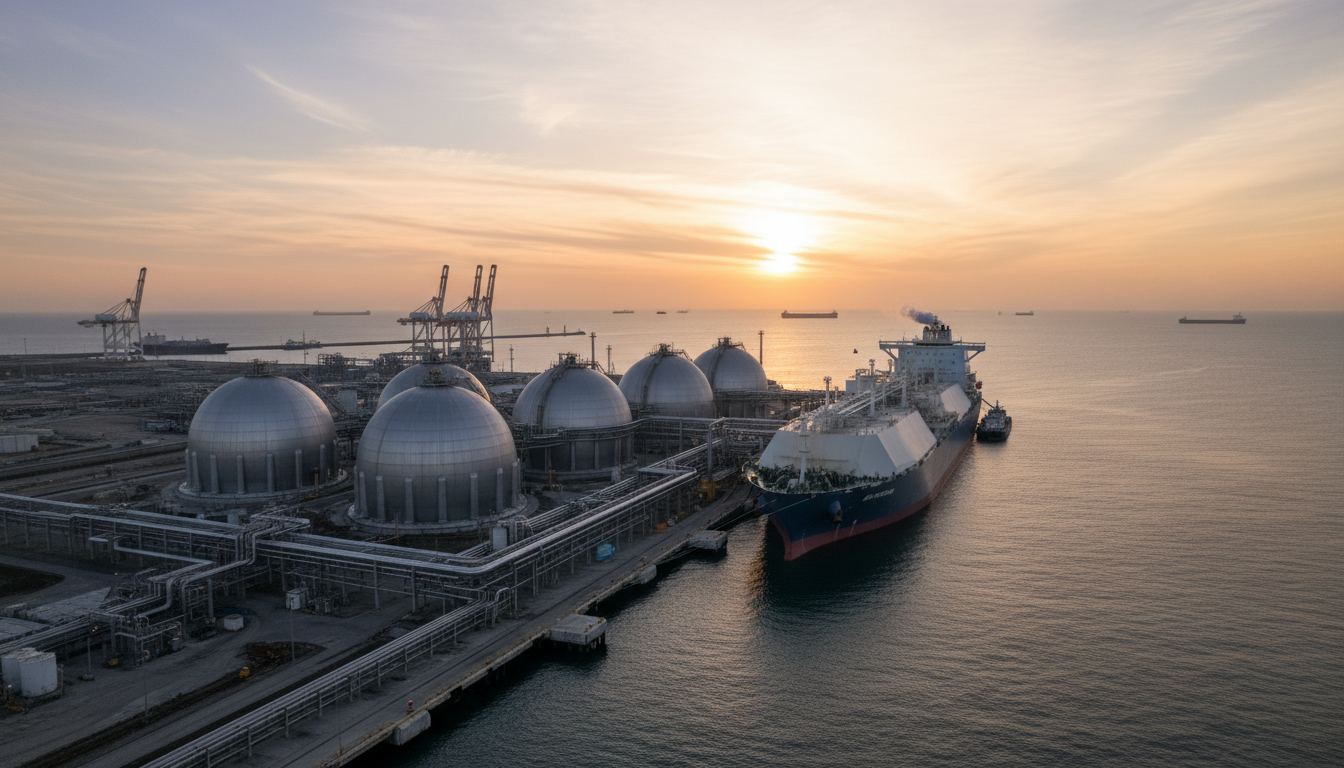
With the war silencing the wells of Iran, Brazil set a record of 5.3 million barrels per day and rose in the global oil ranking without anyone noticing — the pre-salt now accounts for 80% of everything that comes from the seabed.

Moreover, the space was designed to accommodate up to 30 visitors per session, ensuring an immersive and educational experience. In this sense, the planetarium acts as a powerful teaching tool, as its presentations are adapted for different age groups, from children to adults interested in astronomy.
Consequently, the location has attracted an increasingly larger audience, establishing itself as a reference point for scientific dissemination in the region. At the same time, aerial photos of the space continue to draw attention on social media, further increasing its visibility.
Educational impact and expansion until 2026 promise to transform the Amazon region

On the other hand, the impact of the planetarium goes far beyond the display of stars and planets. Since its inauguration, it has become a true hub of education and culture in a region that has historically faced limitations in access to structured scientific initiatives.
In this context, the Federal University of Amazonas has intensified its actions in teacher training and strengthening scientific education, using the planetarium as a central resource. Thus, the institution reinforces its commitment to making knowledge more accessible and integrated into the local community.
Furthermore, the project does not stop there. There are concrete expansion plans, with the creation of new partnerships and educational programs scheduled until 2026, which should further broaden the reach of the initiative and stimulate interest in astronomy throughout the Médio Solimões region.
However, despite the advances already achieved, it is essential to seek updated information directly from the university and the responsible agencies to keep track of the programming and operation of the space.





Seja o primeiro a reagir!