





 Portuguese
  English
  Spanish
  3 min of reading
  0 comments


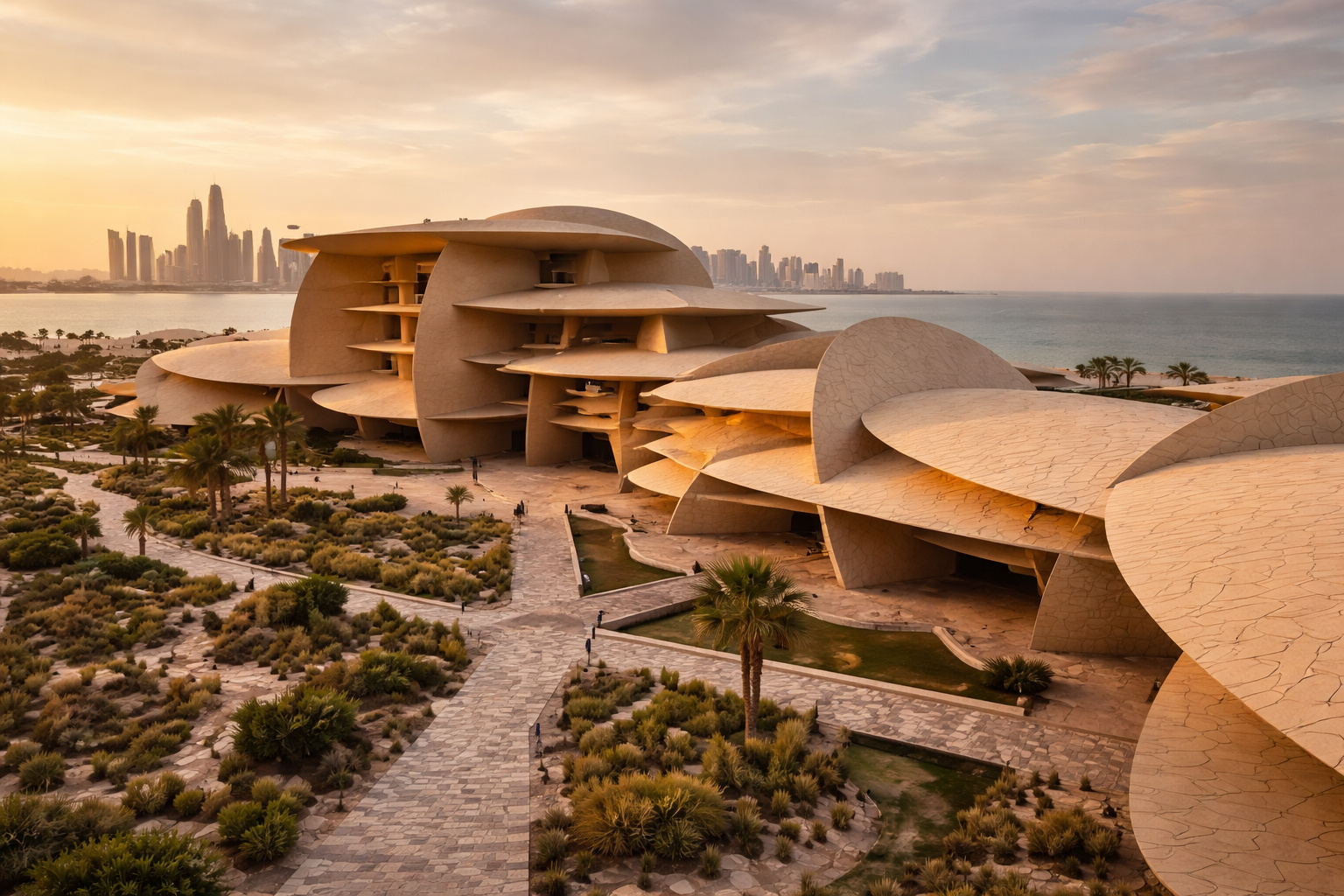
The project inaugurated in 2019 combines advanced engineering, historical narrative, and audiovisual experiences to present the evolution of Qatar in an immersive way
The National Museum of Qatar, inaugurated in 2019, has established itself as one of the most emblematic architectural works in Doha.
The project, designed by Jean Nouvel, was inspired by the desert rose, a natural symbol of the region and Qatari culture.
The building spans 40,000 square meters and embodies resilience, climate adaptation, and cultural identity.
The architectural proposal also stands out for integrating innovative design and historical preservation within a single structure.
Architectural concept reveals integration between nature and engineering
The museum’s design was developed from hundreds of interconnected discs, with varying diameters and curvatures.
These structures create natural shadows and dynamic internal environments, enhancing thermal comfort in the Gulf climate.
-
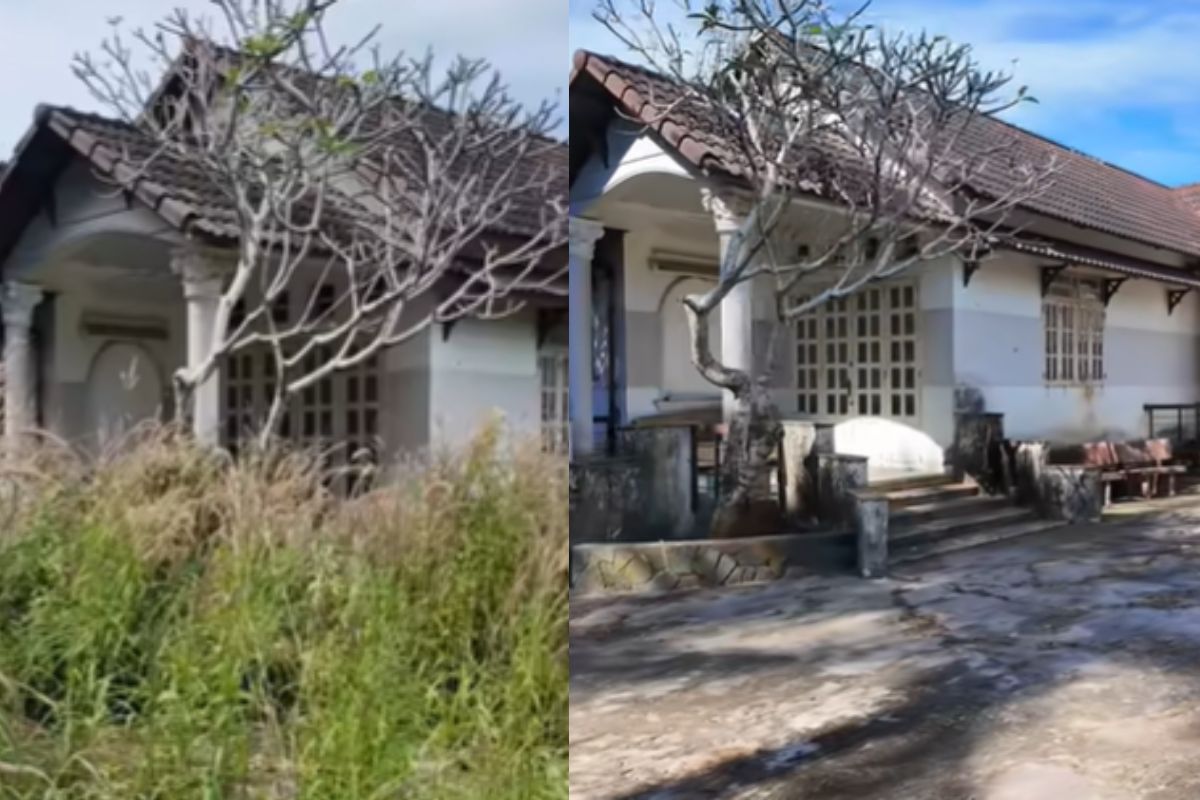
Abandoned house for 15 years disappears in the woods, shocks owner with unrecognizable scenery and is reborn in an intense transformation after almost 90 hours of work in just 10 days.
-
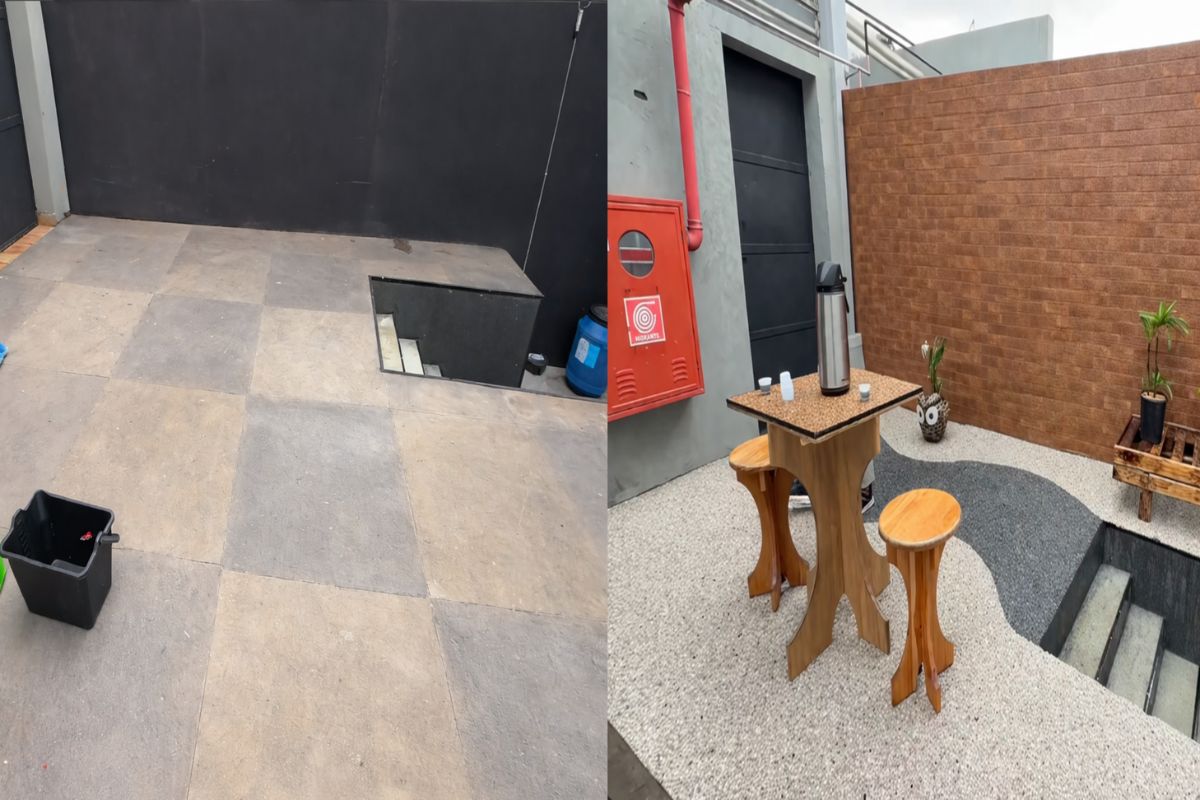
In just three hours, a natural stone floor transforms the entrance of the house with an organic effect, immediate drainage, and a sophisticated non-slip finish that doesn’t puddle water, dries quickly, and impresses with the final result.
-
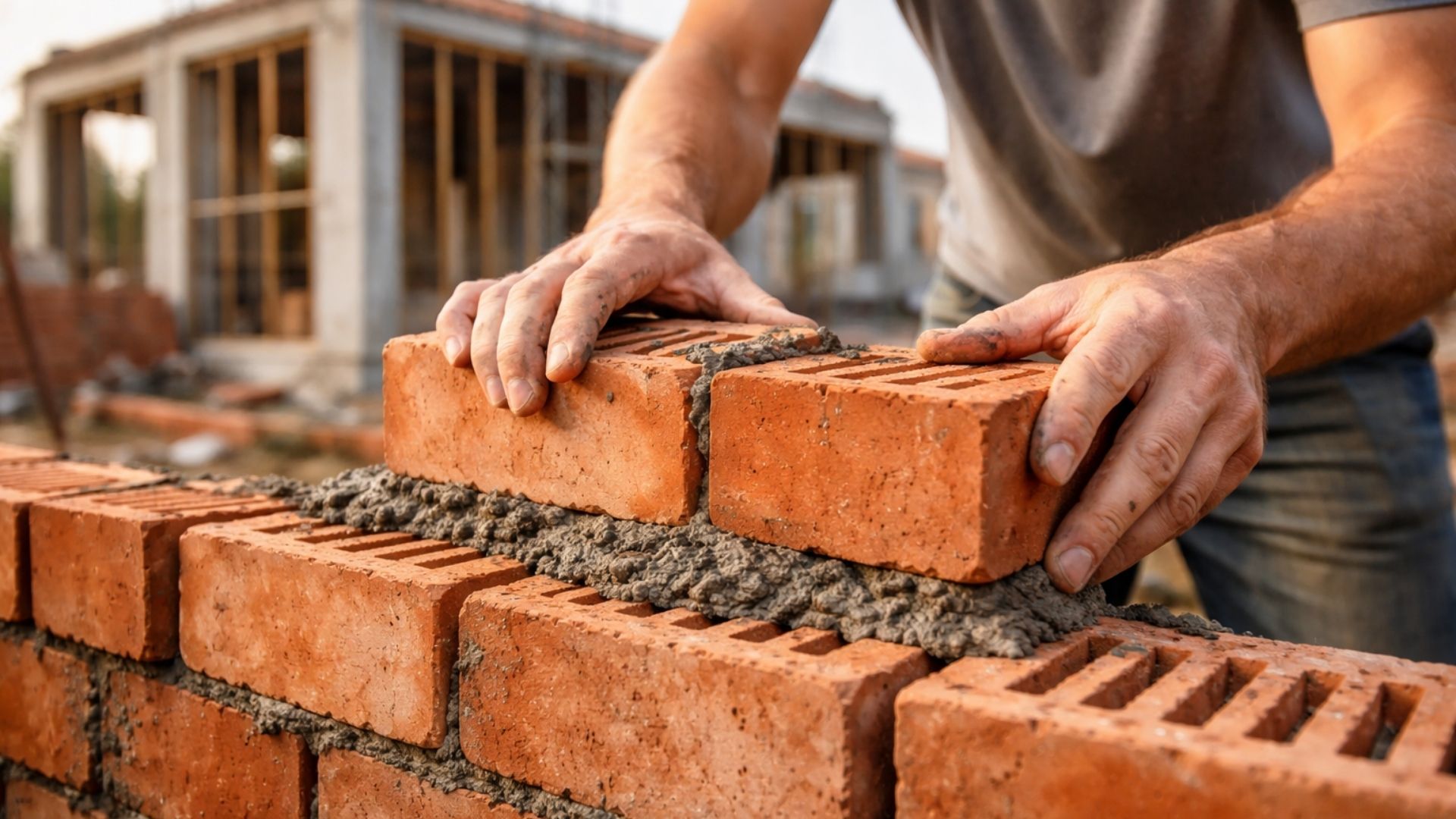
‘Interlocking brick’ made of earth arrives in the construction industry with cost reductions of up to 40% on the project.
-
Espírito Santo will receive the largest engineering project in its history with the duplication of BR 262, which will have 50 viaducts, 28 bridges, and 2-kilometer tunnels cutting through the most challenging mountainous region of the entire state.


The execution required advanced engineering technology, as reported by technical teams involved in the project in 2019.
The so-called “Desert Rose” surrounds the old palace of Sheikh Abdullah bin Jassim Al Thani, connecting the past and present.
The project integrates historical heritage into a futuristic structure, reinforcing Qatar’s national identity.
The architecture was also designed to engage with the arid environment and protect the collection from intense heat.
Galleries present the historical evolution of Qatar
The interior of the museum presents a clear and continuous chronological narrative.
The galleries showcase the country’s journey from prehistory to the discovery of oil and modern development.
The contents have been organized to facilitate visitor understanding.
The historical sequence allows for the visualization of social, economic, and cultural transformations over time.
The project values sensory experiences to enhance public engagement.
Among the main highlights of the exhibitions are:
- Immersive panoramic projections, recreating the desert environment;
- Engaging sound environments, simulating traditional life;
- Narratives about pearl divers, an essential historical activity for the country.
The proposal broadens the understanding of Qatar’s roots and evolution.
Audiovisual experience transforms the visit
The museum uses its own architecture as a narrative support.
The curved walls of the discs function as giant screens, creating visual continuity throughout the journey.
High-definition films, produced by renowned filmmakers, are projected directly onto the structure.
The projection creates a seamless visual narrative, accompanying the visitor throughout the experience.
Audiovisual technology has been integrated into the building’s design.
Museology experts point out that this model facilitates the absorption of historical content.
Integration between history, technology, and cultural identity
The National Museum of Qatar consolidates itself as a landmark of contemporary architecture and cultural preservation.
The union between the historic palace and the modern structure reinforces the continuity between past and present.
The work of Jean Nouvel demonstrates how design, technology, and historical narrative can coexist in an integrated manner.
The museum preserves the country’s memory and projects its identity into the future.
How can contemporary architecture continue to transform the way history is presented to the global audience?










Seja o primeiro a reagir!