





 English
  Francês
  Alemão
  Italiano
  Japonês
  Norueguês
  Portuguese
  Spanish
  4 min of reading
  0 comments


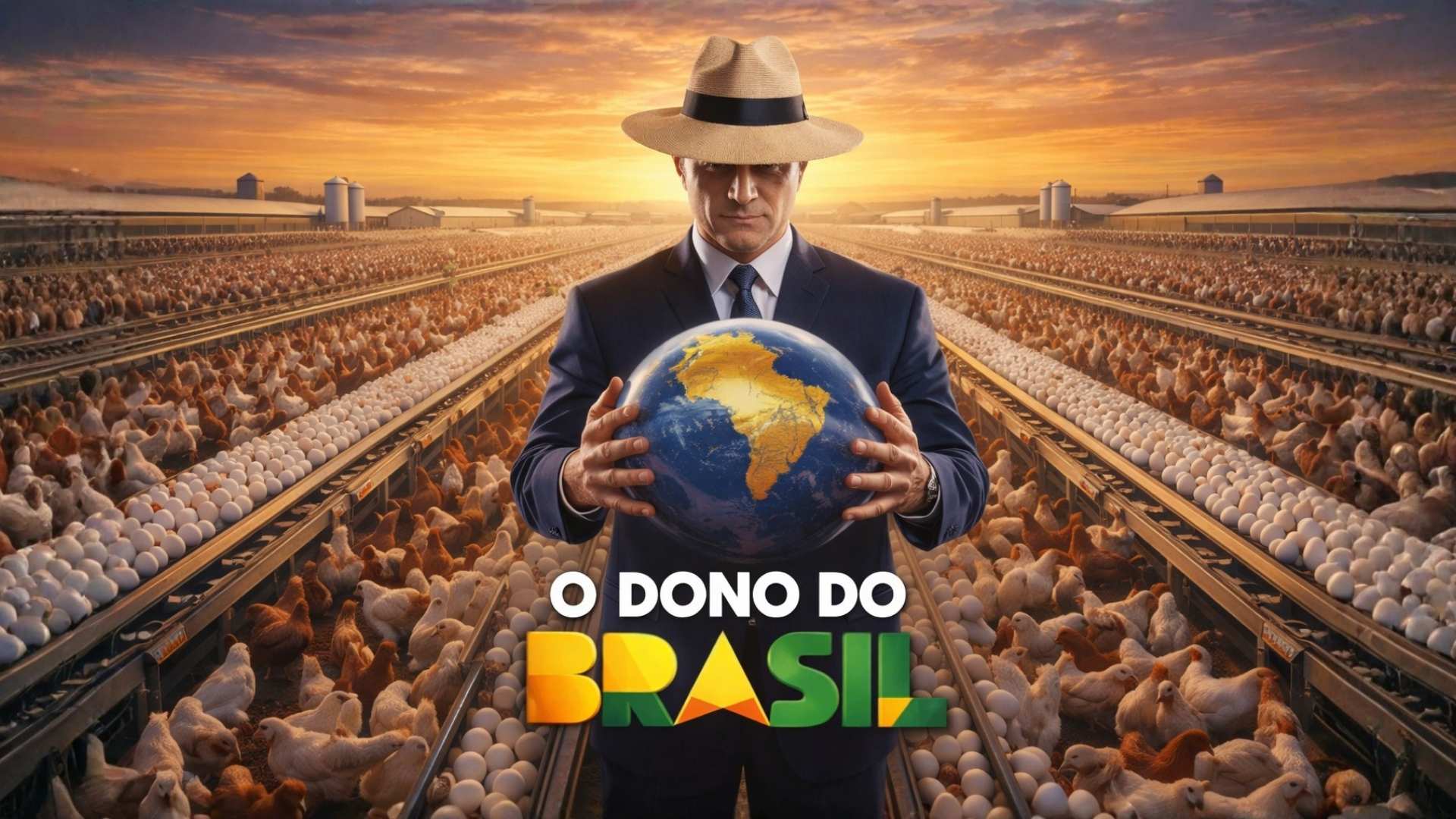
Accelerated international expansion, billion-dollar investment, and aggressive acquisition strategy put Brazilian company at the global top of the egg market, with a valuation of US$ 8 billion and presence on multiple continents.
Global Eggs, a group controlled by businessman Ricardo Faria, was valued at US$ 8 billion after closing a deal to receive up to US$ 1 billion from the American manager Warburg Pincus.
The deal, announced on March 2, 2026, consolidated the company as one of the largest global platforms for eggs and reinforced the international expansion built from the Brazilian Granja Faria.
global valuation and billion-dollar investment
The new level was reached less than a year after another decisive operation for the group: the purchase of American Hillandale Farms for US$ 1.1 billion, announced in March 2025.
-
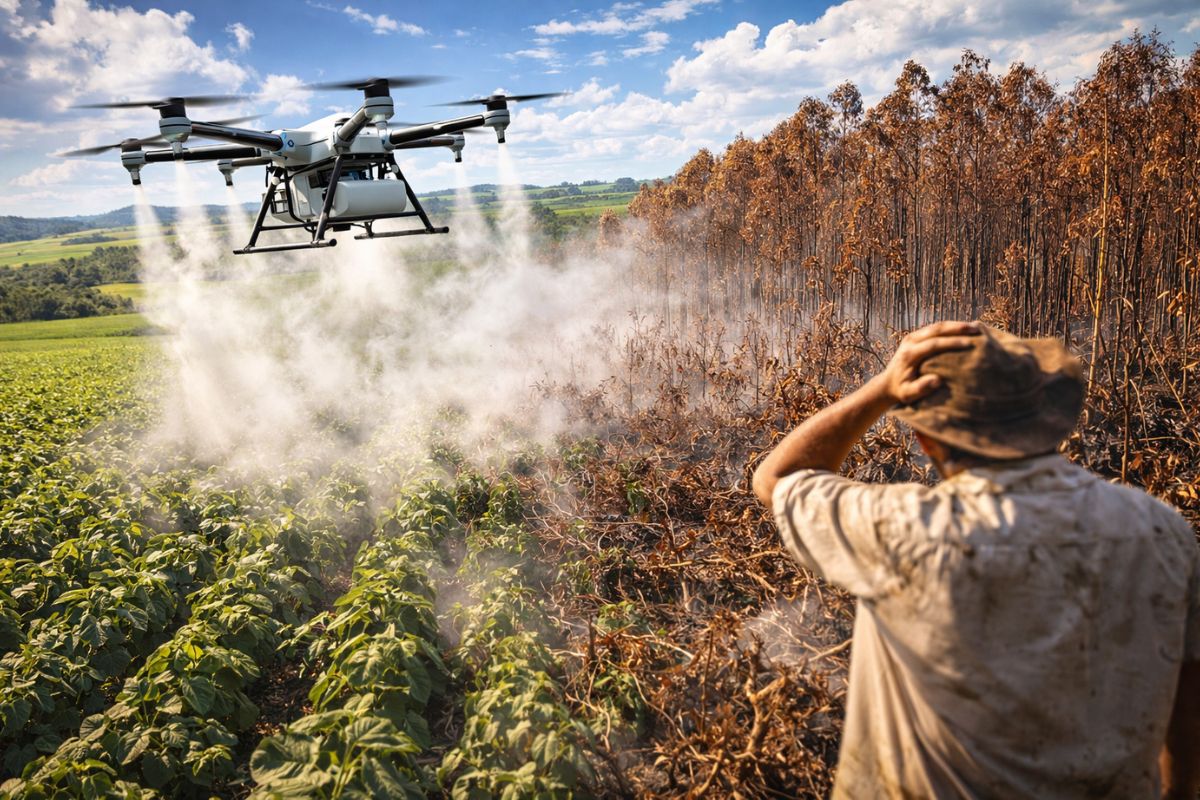
Drone with herbicide applied in pasture spreads mist, hits neighboring crop, destroys 40 thousand eucalyptus trees, devastates chayote plantation, and leaves a rural producer in Goiás facing million-dollar losses.
-
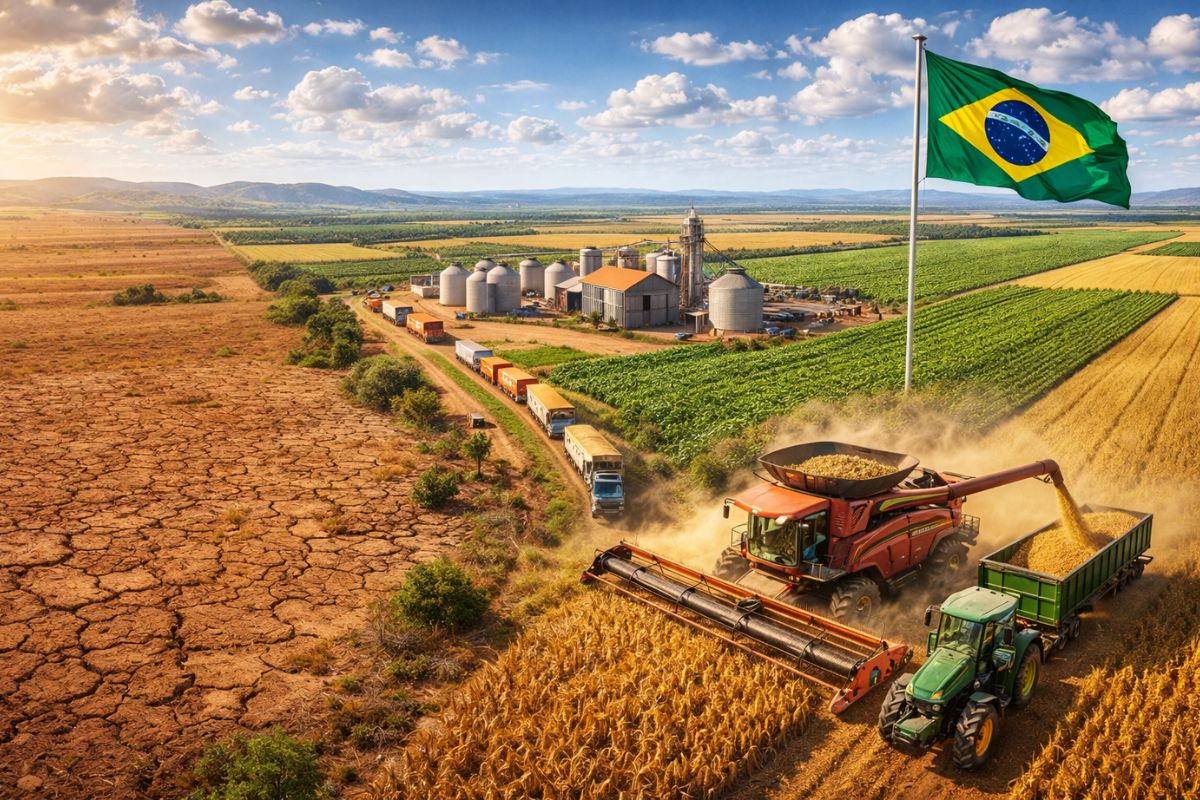
Forgotten region becomes a powerhouse in the heart of Brazil, transforming unproductive lands into fortune and making MATOPIBA the new billion-dollar agricultural empire that almost no one saw being born.
-
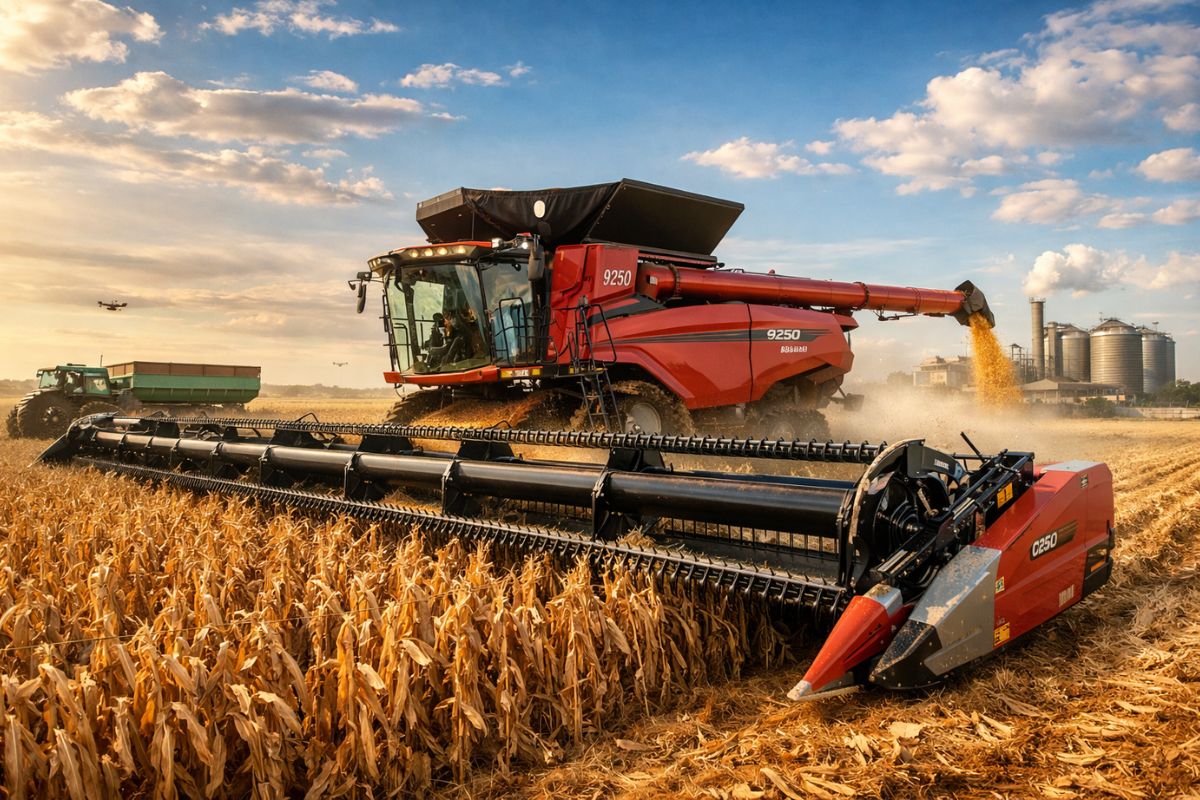
With a 775 hp engine, the world’s largest axial combine harvester arrives in Brazil, promising to harvest more in less time with advanced automation and the capacity for platforms up to 61 feet.
-
With 18 million feet, giant farms, and 2.2 million sacks per year, a mining group is building a coffee empire in Brazil with heavy mechanization, giant silos, and exports to various continents.
Between one transaction and another, the company expanded its presence in the United States, Europe, and South America, strengthening a strategy based on acquisitions and production scale.
The trajectory draws attention because it started outside the agribusiness sector.
Before becoming one of the most recognized names in poultry farming, Ricardo Faria built wealth in the industrial laundry sector and sold that business to the French company Elis, in a R$ 1.3 billion deal completed in 2017.
After that, he focused his bet on egg production.
growth of global eggs and production scale
The valuation of US$ 8 billion does not stem solely from the recently announced investment.
It reflects the transformation of a company created in 2006, in Brazil, into a multinational holding founded in 2018 and structured to consolidate assets in different markets, with regional brands and operations in table eggs, specialty eggs, and other categories of the segment.
Today, Global Eggs reports operating with more than 45 million birds distributed across its operations in the United States, South America, and Europe.
The company also projects to produce more than 15 billion eggs in 2026, a volume that helps explain why the market has begun to see the group as a global platform.
Warburg Pincus itself described the company as the largest multinational producer and distributor of table eggs in the world.
In the investment announcement, Ricardo Faria stated that, in less than a decade, Global Eggs scaled its operation to achieve multinational leadership in the segment and that the new capital should accelerate the next growth cycle.
from granja faria to multinational
Granja Faria, founded in 2006 in Nova Mutum, Mato Grosso, was the basis for the expansion.
Over the years, the Brazilian operation gained strength and began to combine organic growth with acquisitions of companies.
This movement was replicated abroad through the holding Global Eggs.
This structure allowed the group to advance in markets considered strategic.
In 2025, the acquisition of Hillandale Farms opened up space for a much more robust presence in the United States.
Meanwhile, the European structure was strengthened based on assets already controlled by the holding.
In addition to geographical reach, the expansion changed the financial size of the business.
Reports published after the investment indicate that, if it were listed on the B3, Global Eggs would already appear ahead of BRF and Marfrig in market value. It would also be equivalent to about 43% of JBS.
global egg market in transformation
The growth of Global Eggs occurs at a time when eggs are no longer treated merely as a basic protein of low added value.
In different markets, the product has begun to occupy a more relevant space by combining competitive pricing, broad demand, and the ability to adapt to different production lines.
In this environment, companies with industrial scale, established brands, and presence in various regions have begun to attract more attention from funds and investors.
The reading behind the deal with Warburg Pincus is precisely this.
The company has managed to position itself in a still fragmented sector, with room for consolidation and international expansion.
The operation also has symbolic weight for Brazilian agribusiness.
Instead of appearing merely as a supplier of raw materials, the country now showcases a private group capable of organizing brands, assets, and distribution across multiple continents.
expansion and global consolidation strategy
Ricardo Faria became known in the sector for his willingness to grow through acquisitions. But the company’s advancement is not limited to sequential purchases.
The group was structured to integrate operations, maintain relevant regional brands, and leverage economies of scale in production, distribution, and portfolio.
This combination helped elevate the perceived value of the business. As early as 2025, reports were already noting that the company was on track to produce about 13 billion eggs per year.
A few months later, with the addition of Hillandale to the portfolio and the new investment, the projection was raised to more than 15 billion in 2026.
This chain of events helps explain why the company has become one of the most talked-about cases in recent agribusiness.
In a relatively short period, the businessman who came from the laundry sector transformed a national operation into a multinational food company with a presence in central markets.
At the same time, the episode shows how the egg segment has changed status within the protein industry.
What was once seen as a traditional activity has begun to concentrate international capital, billion-dollar acquisitions, and global ambition.







Seja o primeiro a reagir!