





 Portuguese
  English
  Spanish
 4 min of reading
  0 comments


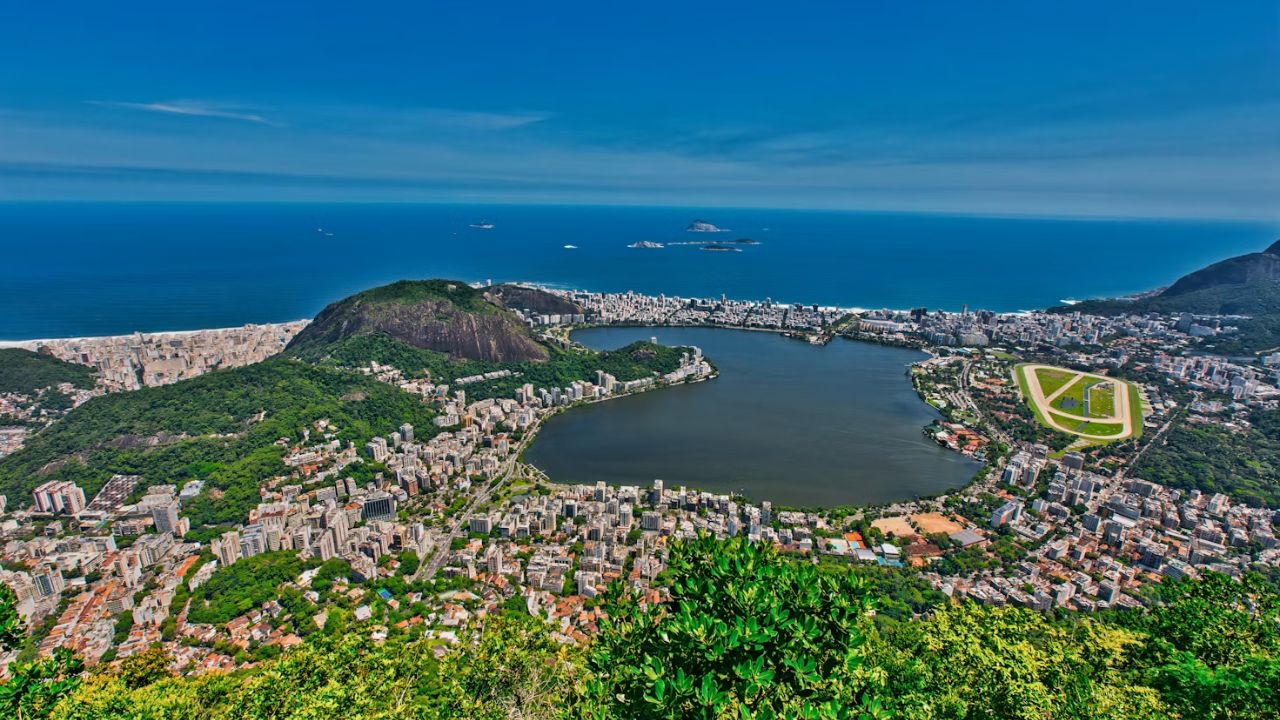
Discover How a Degraded Historical Area Became the Cultural and Real Estate Epicenter of the City, Attracting Investments and Generating Debates About Its Social Impact.
The city of Rio de Janeiro witnessed one of its most profound urban transformations. The former Port Zone, once marked by industrial decline, has been reborn under the name Porto Maravilha. The project reinvented the area, creating a vibrant hub of culture, leisure, and business. This metamorphosis, however, raises important questions about urban development and social inclusion.
The Historical Trajectory of the Port Zone
The Port Zone of Rio de Janeiro was, for centuries, a vital engine for the economy. Neighborhoods like Gamboa, Santo Cristo, and Saúde were pulsating centers of commercial and residential activity. Its strategic location, near the center and Guanabara Bay, was fundamental to the city’s dynamism.
However, the 20th century brought decline. Changes in maritime transportation logistics, such as the arrival of containers, made the old structures obsolete. The construction of major roads, such as Avenida Presidente Vargas, isolated the region. The result was a scene of physical degradation, with abandoned and underutilized buildings.
-
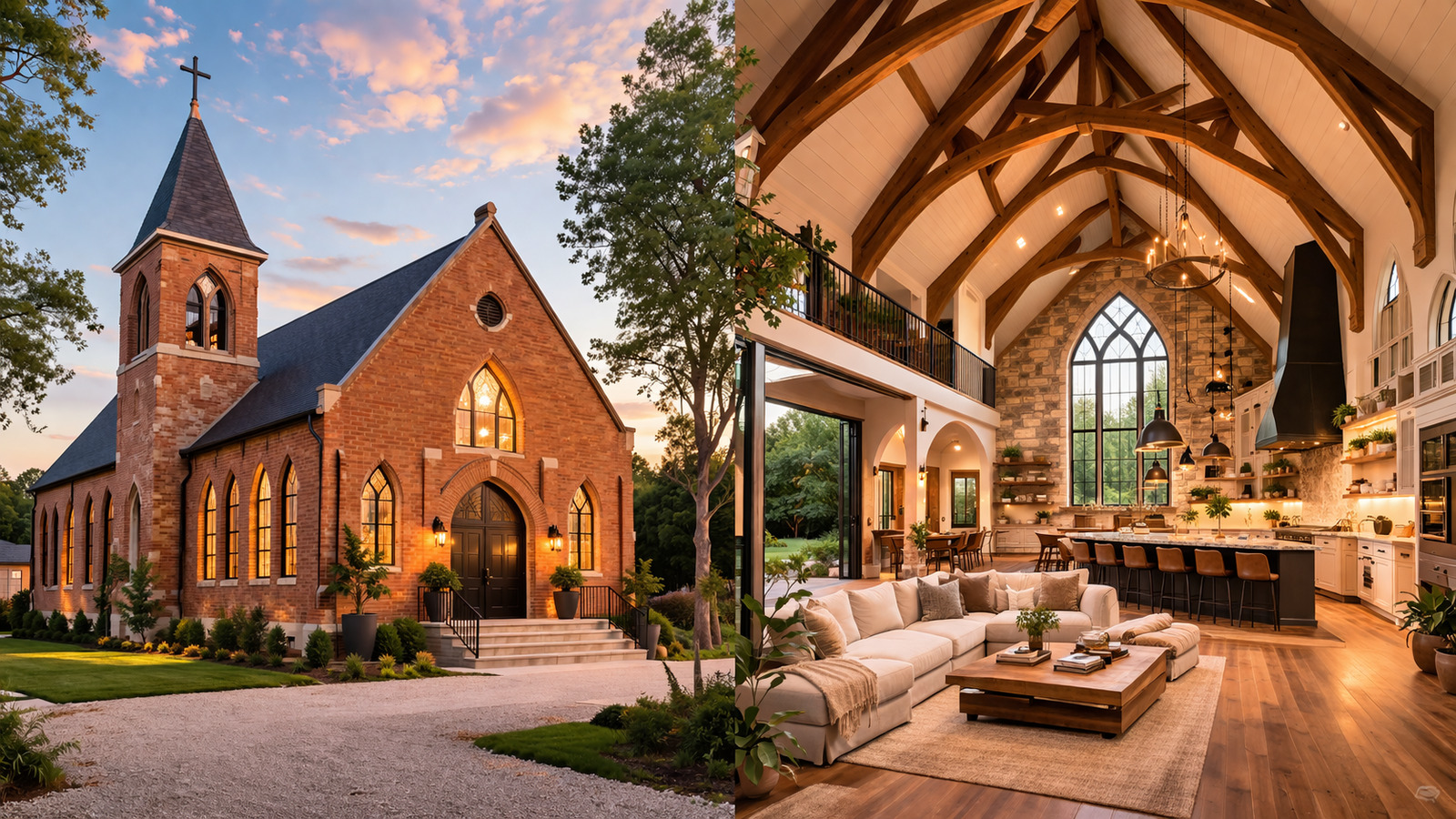
Church from 1888 becomes a mansion of over 330 m² in Canada after a renovation of R$ 3.4 million and is eventually sold for nearly R$ 4.3 million.
-
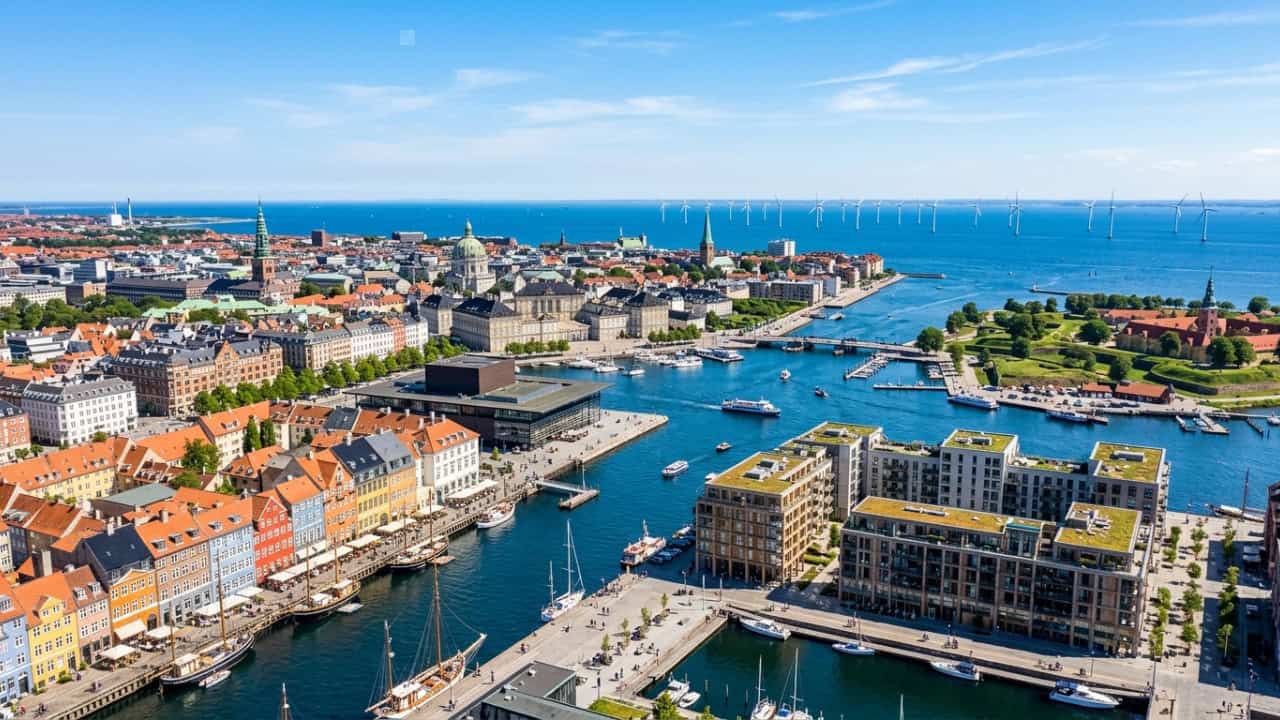
How an innovative city combines high technology, well-being, and sustainability to become the largest reference in clean energy on the planet.
-
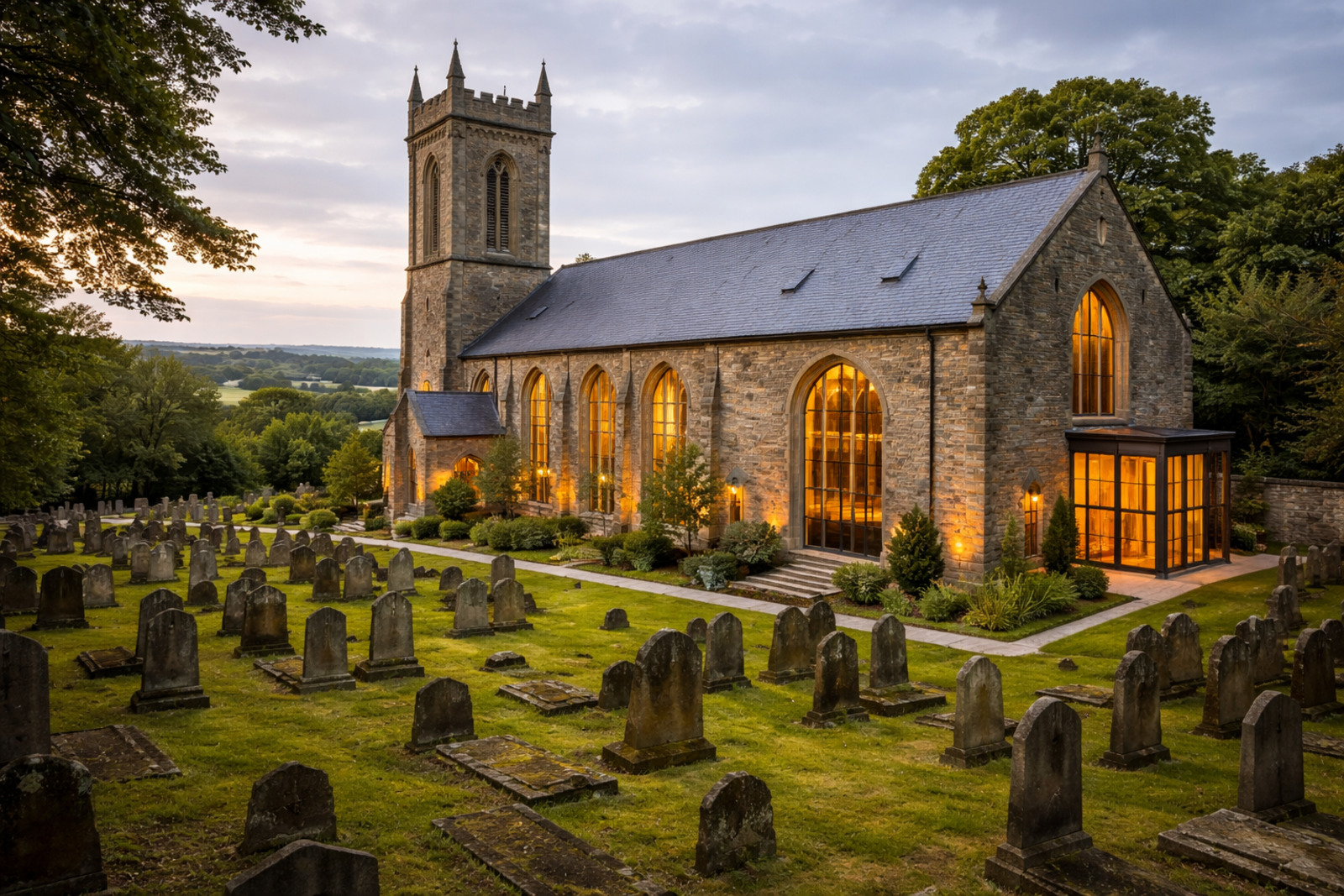
Couple buys 1846 church in ruins for R$ 660,000, invests R$ 3.2 million in renovations, transforms it into a millionaire mansion, and even preserved a historic cemetery with over 300 graves.
-
He started running at 66 years old, broke records at 82, and is now a subject of study for having a metabolic age comparable to that of a 20-year-old, in a case that is intriguing scientists and inspiring the world.


Despite the abandonment, the area remained a place of profound historical and cultural memory. The region is a repository of Afro-Brazilian heritage. After the end of the slave trade, many Afro-descendant communities settled there, transforming it into a territory of resistance. The Cemetery of Pretos Novos, discovered in 1996, is a poignant testimony to this past. Furthermore, the Port Zone is recognized as one of the cradles of Rio’s samba, frequented by icons like Pixinguinha and Donga.
Revitalization and New Horizons for Rio de Janeiro
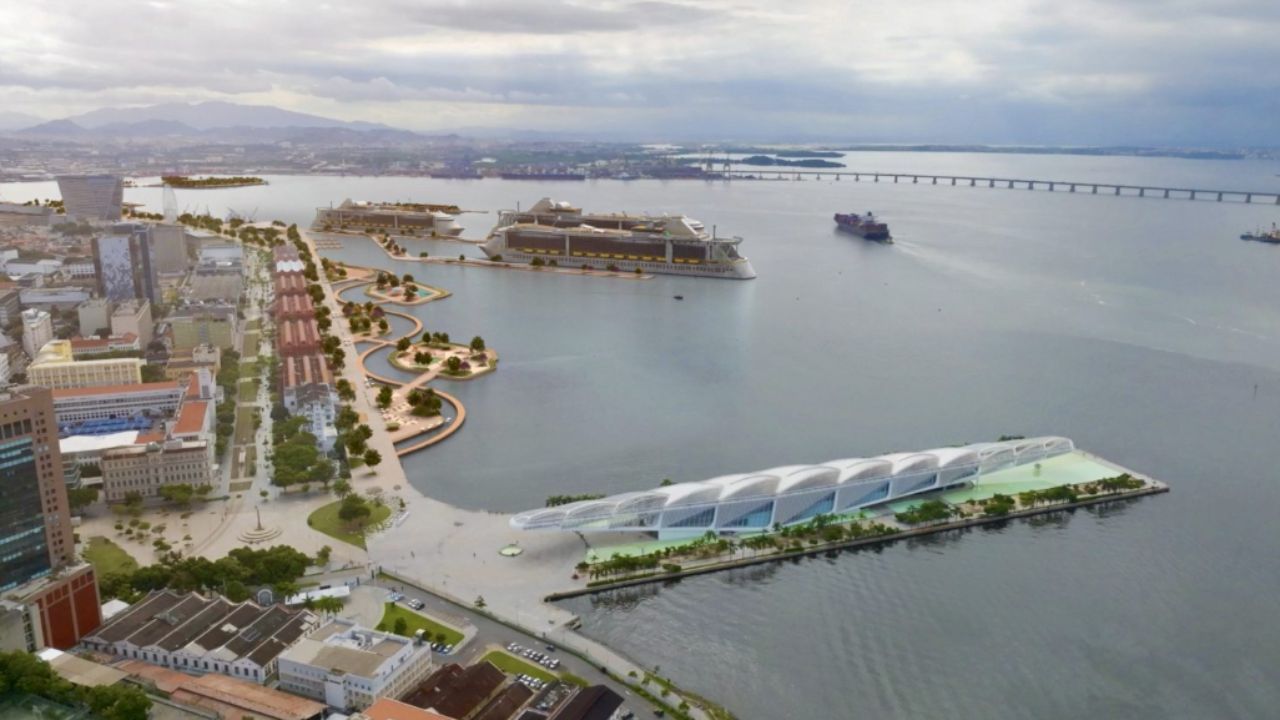
The Porto Maravilha project emerged as a large-scale urban regeneration initiative. The goal was to reintegrate the historic Port Zone into the city’s dynamics. The intervention area covers 5 million square meters. The choice of Rio de Janeiro as the host city for the 2016 Olympic Games was a crucial catalyst, accelerating investments and construction.
The project’s objectives were multifaceted. They included infrastructure recovery, enhancement of historical heritage, and attraction of new residents and businesses. Among the most significant interventions are the demolition of the Elevated Perimetral, the creation of new public spaces like the Olympic Boulevard, and the implementation of the Light Rail Vehicle (VLT). The ambitious goal of the project was to nearly quadruple the local population from about 30,000 to 100,000 inhabitants.
The Birth of a “Carioca Soho”
Culture was a central pillar in the revitalization strategy. The establishment of large institutions served as anchors for a new identity. The Museum of Art of Rio (MAR) and the Museum of Tomorrow became architectural icons and new postcards, attracting visitors and transforming perceptions of the area.
The project also sought to value the local legacy, such as the African Heritage Circuit, which includes the Cais do Valongo, recognized as a World Heritage Site by UNESCO. The transformation also manifested in gastronomy, with the opening of modern restaurants and bars.
This cultural and urban revitalization positioned the region as the new epicenter of Rio de Janeiro’s real estate market. In the first quarter of 2024, Porto Maravilha accounted for 62% of the residential units launched in the city. The region also accounted for 55% of the units sold in the same period, becoming the “darling of investors” and generating the “most coveted rents in the city.”
Gentrification and the Future of the Community in Rio de Janeiro
The success of Porto Maravilha brought with it an intense debate about gentrification. Academic studies point to evidence of this process, such as the significant increase in the real estate market and the change in the pattern of commercial establishments. Long-time residents express concern about the loss of local identity.
Real estate appreciation creates a strong pressure on the original population, mostly of lower purchasing power. The risk of displacement for these communities is a direct consequence. There is also concern about the “commodification of black memory,” fearing that the rich Afro-Brazilian heritage will be used for commercial purposes without benefiting the communities that preserved it.
Measures have been announced to mitigate these impacts, such as professional training programs and social housing projects. However, the effectiveness of these actions in the face of market forces is a challenge. The future of Porto Maravilha in Rio de Janeiro depends on its ability to balance undeniable economic and image success with social justice and the authentic preservation of its cultural identity.






-

Uma pessoa reagiu a isso.