





 Portuguese
  English
  Spanish
  4 min of reading
  0 comments


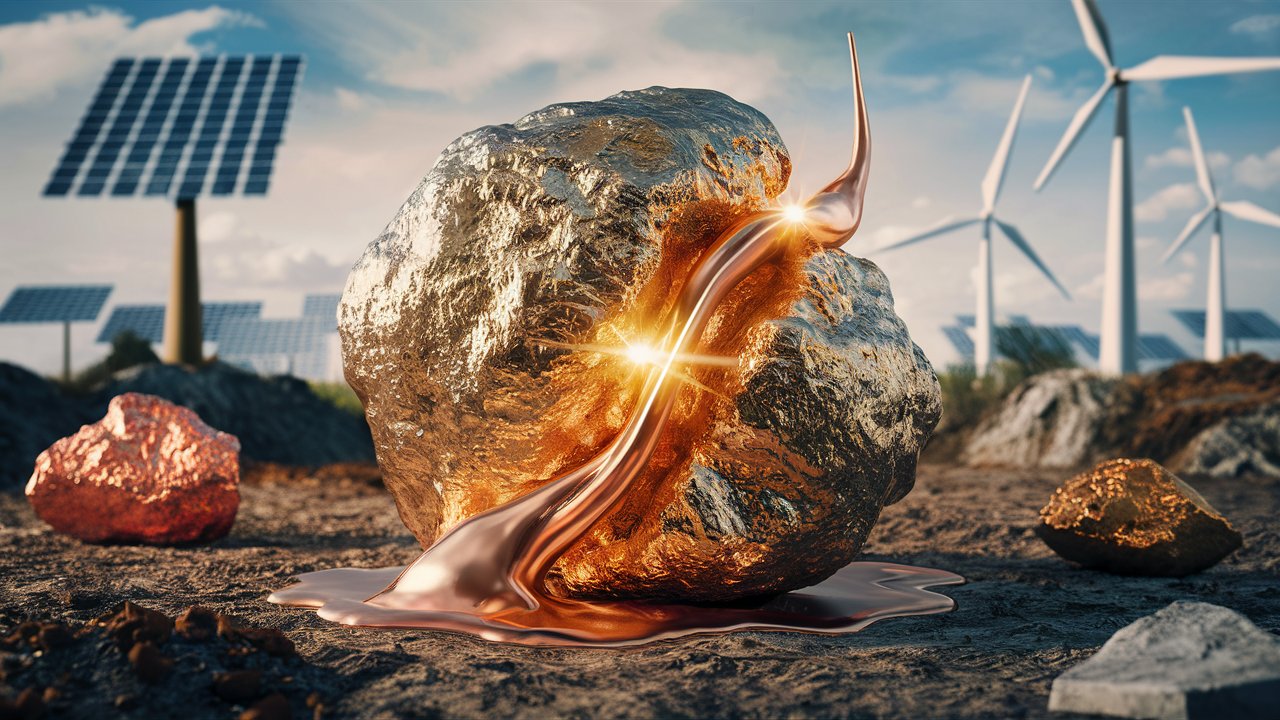
Understand How Copper Became an Essential Input for Renewable Energy, Electric Vehicles, and Sustainable Practices in Industry and Infrastructure
In recent years, copper has gained prominence as one of the most important metals in the context of the energy transition and the low-carbon economy. With strategic applications in solar panels, wind turbines, electric vehicles, and smart electrical grids, the metal today occupies a central technical role in advancing sustainable solutions. In addition, its high recyclability positions it as a resource compatible with circular economy and energy efficiency practices.
Why Is Copper So Relevant to the Energy Sector?
Technically, copper is recognized for its excellent electrical and thermal conductivity. These properties make it an efficient conductor for energy transmission, especially in systems that seek to reduce electrical losses. According to the International Copper Association, copper is essential for ensuring the performance of equipment such as solar panels, transformers, motors, and high-efficiency batteries. Additionally, its reuse without loss of quality allows it to be repurposed in different industrial applications, reinforcing its strategic value.
What Are the Main Applications of Copper Today?
According to data from the International Energy Agency (IEA) and the Copper Alliance, copper is widely used in photovoltaic systems, modern wind turbines, electric vehicles with motors, batteries, and electronic systems, as well as being present in urban and industrial electrical infrastructure, such as power cables and smart grids. These applications are responsible for a large part of the recent growth in global demand for the metal.
-
Embrapa’s discovery reveals an unexpected advancement by allowing the production of seedlings from the caatinga using brackish water, opening a new frontier for farmers to face drought more efficiently.
-
6 sources of free fertilizer that you are throwing away every day and can transform your garden without spending anything.

-
With a water crisis on the radar, Sabesp invests in reclaimed water for data centers and transforms sewage treatment into a solution that saves millions of liters and protects public supply.
-
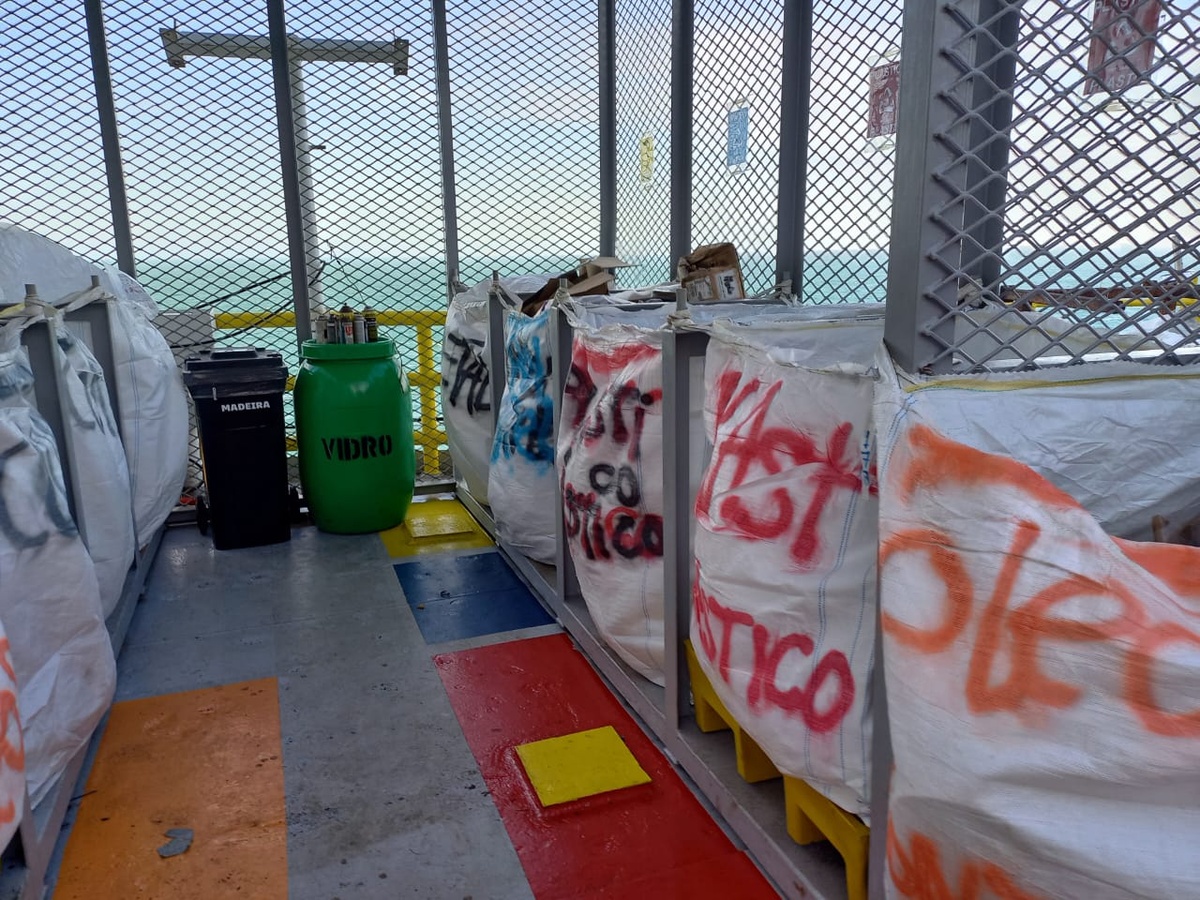
Foresea achieves 100% offshore waste reuse in 2025, eliminates landfill disposal, and consolidates sustainable strategy with 1,500 tons recycled.

What Is the Demand Outlook for the Coming Years?
According to a report from the IEA published in 2022, the demand for copper is expected to double by 2040, provided that global decarbonization and electrification goals progress in line with international climate commitments. This increase is directly associated with the growth of clean energy and electric mobility sectors, which use significantly larger volumes of copper than conventional systems. The report estimates that, by 2050, the annual volume of copper needed could exceed 36 million tons. However, experts warn that these projections depend on multiple factors, such as industrial policies, technological advancements, and geopolitical stability.
Are There Challenges in Meeting This Demand?
Yes. Although copper is relatively abundant, large-scale extraction presents significant challenges. Among the main hurdles are environmental licensing and impacts on local communities, social conflicts in mining regions, limited infrastructure for transporting production, and volatility in international metal prices. Since 2020, countries like Chile and Peru have faced instabilities that affect global supply. In this scenario, strengthening industrial recycling and responsible mining has been widely discussed by experts, companies, and governments.
What Is the Role of Recycling in This Context?
According to the International Copper Study Group, about 35% of global copper production in 2023 came from recycled material. Recycling consumes up to 85% less energy compared to primary production, according to studies from the Copper Alliance. Therefore, several countries and companies are expanding their capabilities to repurpose industrial and electronic waste containing copper. This practice helps to reduce pressure on new deposits and contributes to environmental, energy, and economic sustainability goals.
Does Brazil Have Potential to Stand Out in Copper Production?
Yes. Brazil has significant reserves, particularly in the states of Pará, Bahia, and Goiás. According to data from the Geological Survey of Brazil (2021), these regions concentrate the main national deposits of the metal. Companies like Vale, Nexa Resources, and Caraíba Metais are already involved in exploration and refining projects, with a growing focus on environmental efficiency and innovation. Although it is not yet among the world’s largest producers, Brazil can advance in this scenario if there is encouragement for technological innovation, logistical infrastructure, and regulatory stability.
How Is Copper Associated with Electric Vehicles?
The automotive sector, especially since 2015, has increased copper consumption per vehicle. Studies by BloombergNEF indicate that an electric car uses, on average, up to four times more copper than a conventional model. With the projected expansion of this market, which could exceed 70 million units per year by 2030, the importance of copper for electric mobility is growing. Next-generation vehicle industries widely use the metal in electric motors, fast-charging cables, electronic management systems, and smart sensors, all considered essential.
What Is the Role of Copper in Global Energy Policy and Security?
Since 2021, countries such as the United States, China, Germany, and Canada have begun to classify copper as a strategic input.
This classification is related to the increasing dependence on the metal for energy transition policies, electrical infrastructure, and low-emission mobility. Additionally, COP26 and other international forums highlighted the need to ensure security in the supply of critical metals, such as copper. Many governments are already adopting policies to stimulate domestic production, diversify suppliers, and expand recycling capacity.
Copper Is Strategic but Requires Responsibility in Production
Based on data available until 2024, copper is an essential resource for the energy transition and sustainable development. However, it is important to emphasize that its exploitation and use must follow balanced environmental, social, and economic guidelines. The production and consumption of copper require long-term planning, investment in clean technology, and commitment to transparent practices. Only then will it be possible to integrate this critical metal into the construction of a truly sustainable future.










Seja o primeiro a reagir!