





 Portuguese
  English
  Spanish
  3 min of reading
  0 comments


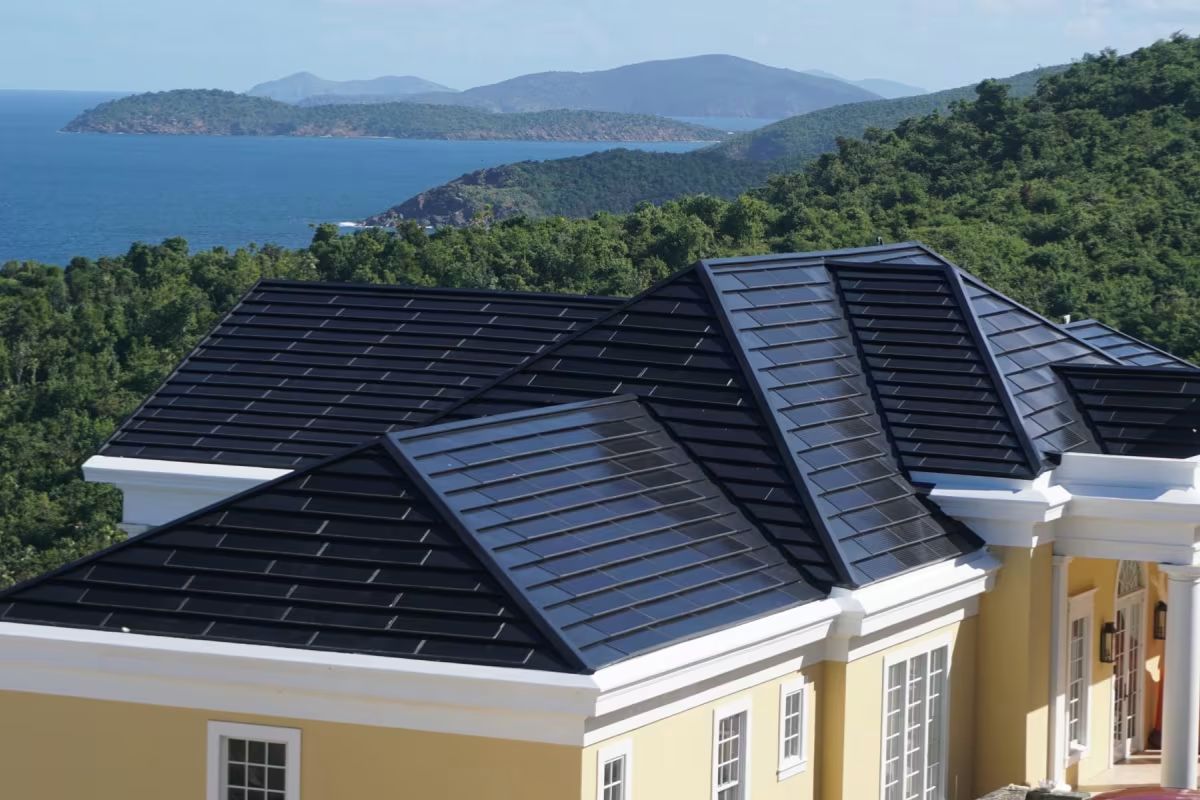
Discover the Integrated Solar Panel Technology That Generates Electricity, Heats Your Shower Water, and Also Acts as Thermal Insulation, an Innovation That is Revolutionizing Civil Construction in Brazil.
Imagine a roof that, in addition to protecting your home, pays your electricity bill, heats your shower water, and also helps keep the environment cooler. This technology already exists, is available in Brazil, and is called integrated solar tile, a type of solar panel that merges with the roof’s own structure.
Unlike traditional photovoltaic panels, which are installed on top of roofs, this new generation completely replaces the common roof. With an estimated return on investment between 3 to 5 years, the 3-in-1 technology presents itself as a smart and economical solution, aligned with the growing demand for energy self-sufficiency and sustainability in the country.
What Is and How Does the 3-in-1 Solar Panel Work?
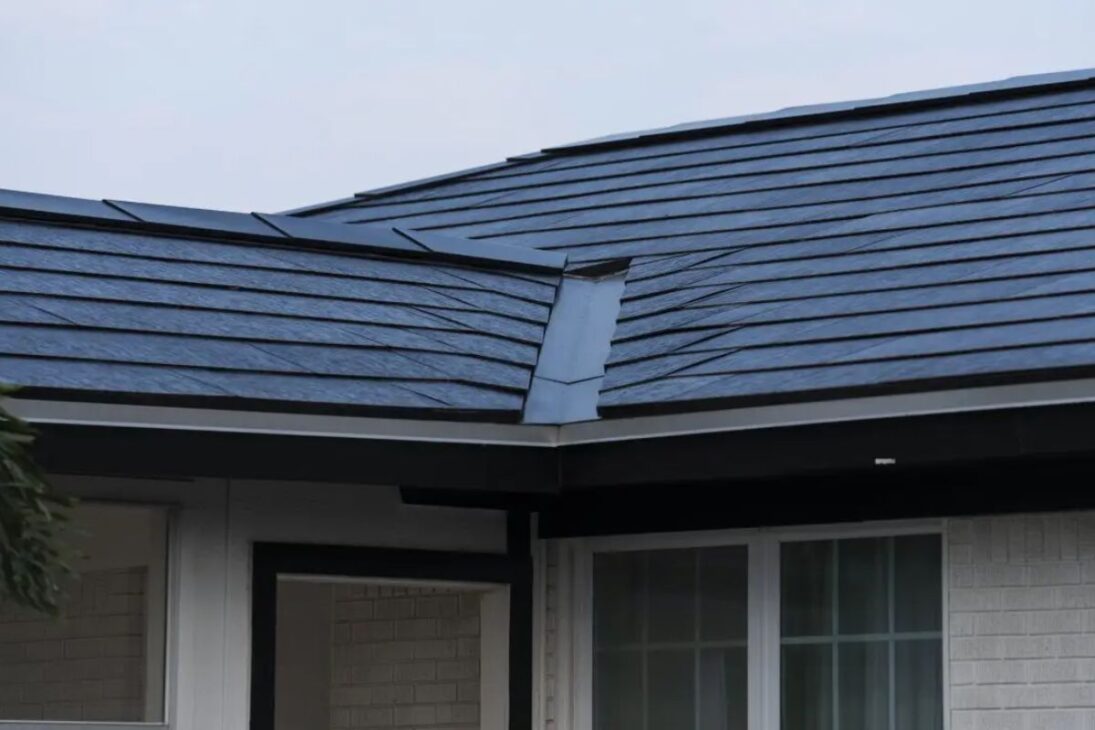
Integrated solar tiles are, in practice, tiles made of materials such as concrete or fiber cement that already come with built-in photovoltaic cells. Their major innovation lies in their multifunctionality, combining three solutions into a single product.
-
Seagri’s headquarters invests in solar energy with Neoenergia Coelba and promises to cut electricity costs, highlighting a strategic advance in sustainability and energy efficiency within state public administration.
-
Solar Pyramid draws attention by converting solar energy into million-dollar savings and repositioning the City Hall of Curitiba as an example of innovation, sustainability, and intelligent use of public resources.
-
Europe records strong euro economy with solar energy in March and sparks curiosity about which country leads growth that redefines the energy market and reduces costs.

-
Piauí reaches a historic milestone in energy transition: State records nearly 160,000 households powered by solar energy and leads growth in the Northeast.
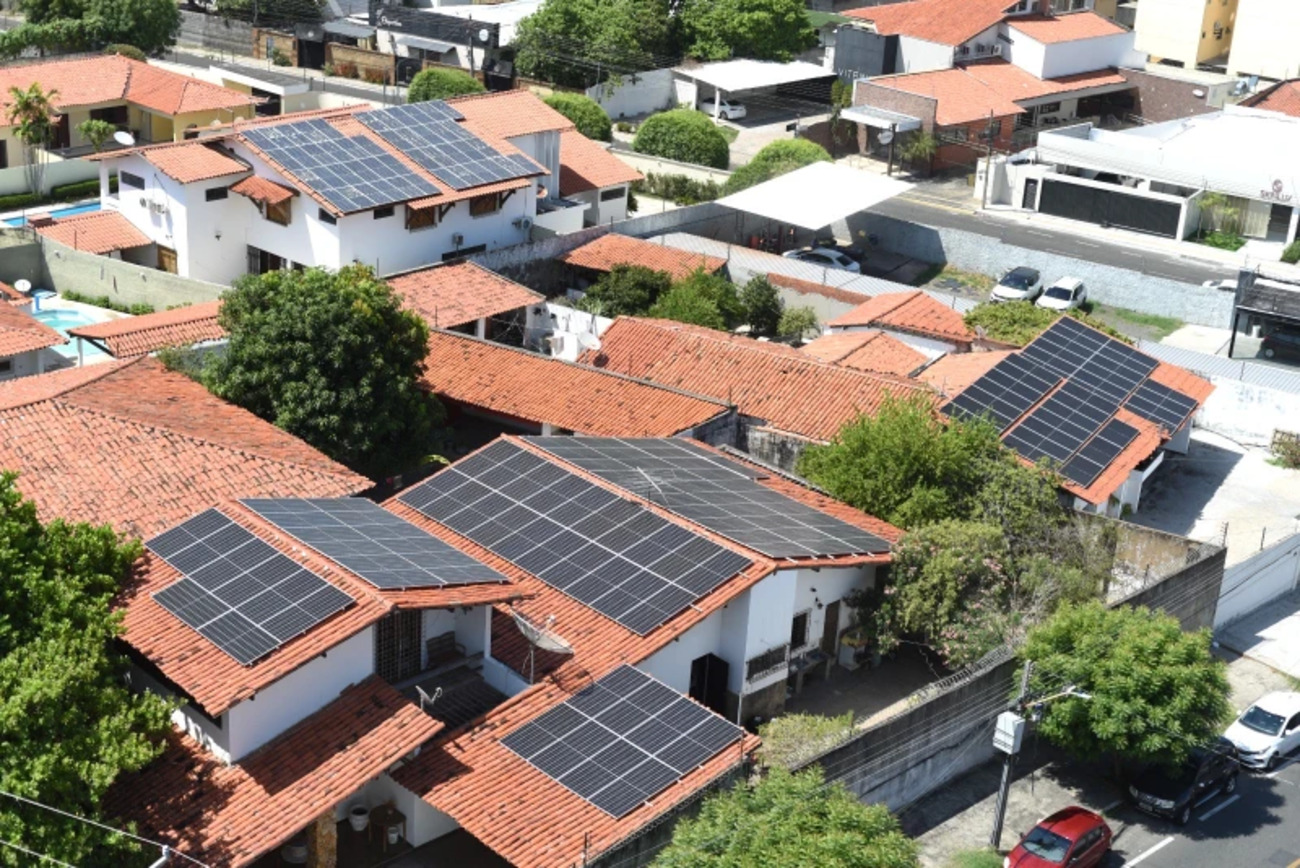

- Electricity Generation: Just like a conventional solar panel, the silicon cells convert sunlight into electrical energy, which can be used to power the entire house, reducing the electricity bill by up to 95%.
- Water Heating (Hybrid Models): The more advanced versions, known as PV-T (Photovoltaic-Thermal), have a system that captures the heat generated by the solar cells (which can exceed 70°C) and uses it to heat the house’s water, eliminating the need for electric showers or gas heaters.
- Heat Blocking: The materials and design of the tiles act as thermal insulation, making it difficult for heat to enter the environment and helping to keep the house cooler, which reduces the need to use air conditioning.
A Sustainable and Economic Revolution
Adopting a roof that is also a solar panel represents a paradigm shift in construction. The combined efficiency of a hybrid system (electric + thermal) can reach 80%, maximizing the energy harnessed from the sun.
Besides the savings on electricity and gas bills, the environmental impact is immense. The technology eliminates the need for chemical treatments on the roof wood, and each panel helps to store carbon dioxide. With abundant sunshine in Brazil and the projection that solar energy will represent an increasingly larger share of the energy matrix, integrated solar tiles are set to become the new standard for rooftops of the future.
And you, would you replace your common roof with a solar panel that pays your electricity bill and also heats your shower? Share your thoughts in the comments!










-

-

2 pessoas reagiram a isso.