





 Portuguese
  English
  Spanish
  3 min of reading
  9 comments


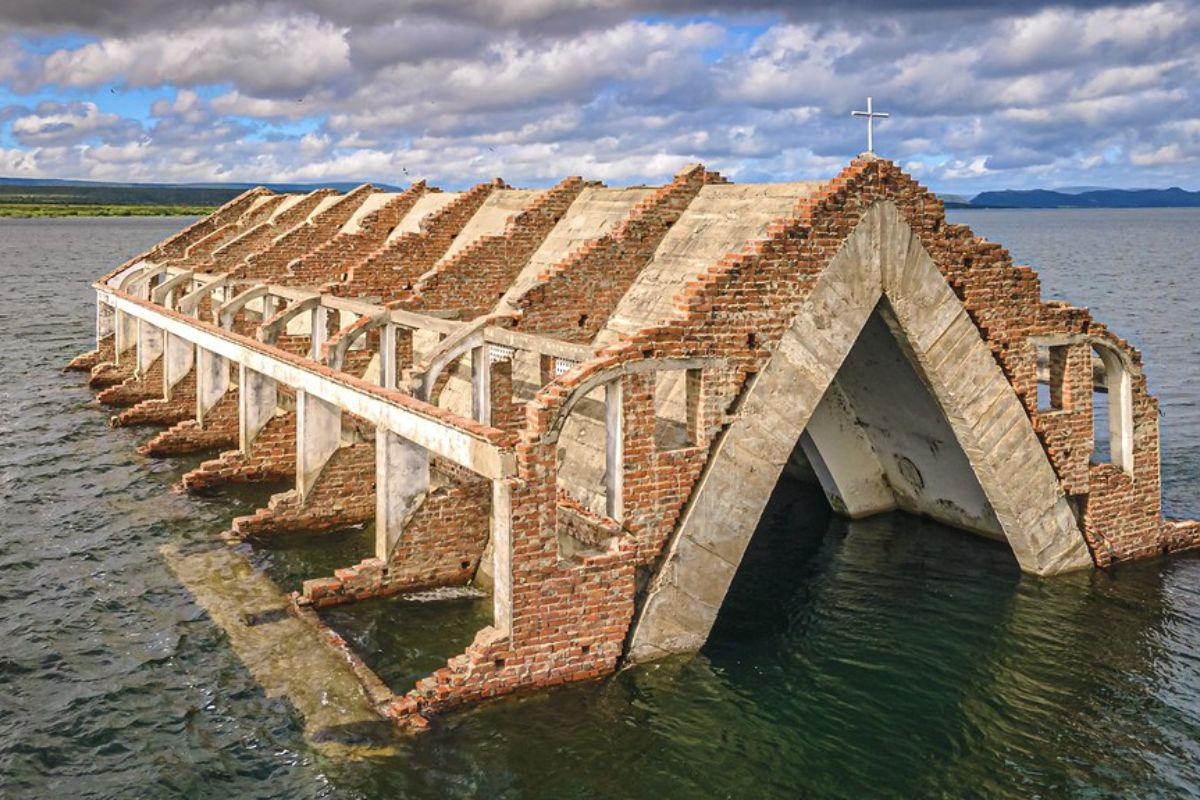


Development Projects, Especially Hydroelectric Dams, Submerged Communities, Leaving a Legacy of Loss and Memories That Resist Beneath the Waters, Just Like in Every Story of a Submerged Brazilian Town.
Brazil, in its quest for energy development, saw entire communities literally swallowed by the waters. Beneath hydroelectric reservoirs lie the stories and identities of one submerged Brazilian town after another, revealing a pattern in national progress that raises questions about planning and the human cost of such projects.
The promise of prosperity often masked the sadness and loss of cultural identity for displaced residents. Rivers, once sources of life, became agents of submersion, transforming the homes of these populations and creating a painful relationship with the altered landscape. The story of each submerged Brazilian town is a testament to this duality.
Between Progress and Nostalgia: The Human Cost of Hydroelectric Dams
The construction of large dams was often justified as essential for the country’s progress. However, for the populations that saw their homes and histories covered by water, the reality was one of uprooting and difficult adaptation. The official narrative of development often overshadowed memories of suffering.
-
He started running at 66 years old, broke records at 82, and is now a subject of study for having a metabolic age comparable to that of a 20-year-old, in a case that is intriguing scientists and inspiring the world.

-
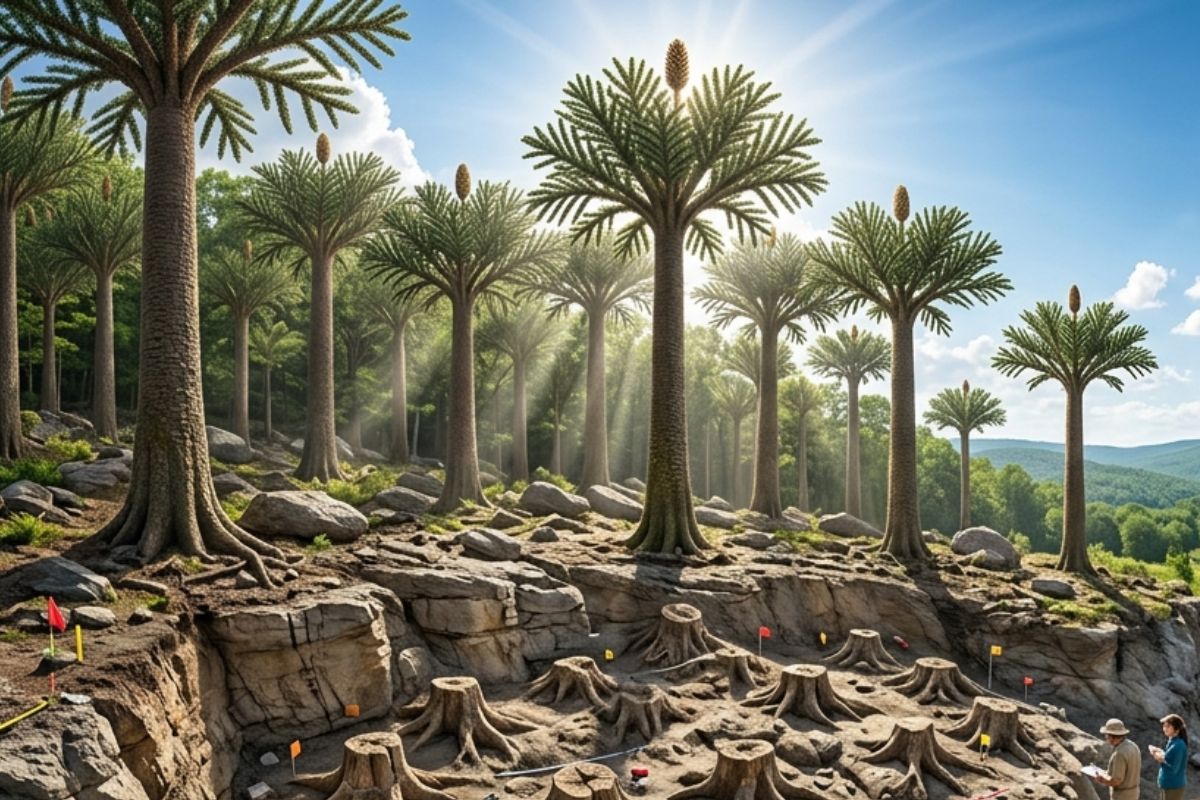
Oldest tree on the planet reappears after 130 years of searches: Wattieza, 385 million years old, was 10 meters tall and had no leaves or seeds; Gilboa fossils in New York solved the mystery in 2007.
-
A 48-square-meter house assembled in hours with 4,000 bricks made of recycled plastic that does not absorb moisture, has natural thermal insulation, and costs less than 90,000 reais in a complete kit.

-
Luciano Hang revealed that Havan’s air fleet has already accumulated more than 20,000 landings, 10,000 flight hours, and 6 million kilometers traveled, and he says that without the planes, the company would never have grown so quickly.


The submersion of towns like Petrolândia Velha (PE), Jaguaribara Velha (CE), Canudos Velho (BA), Sento Sé Velho (BA), and Remanso Velho (BA) illustrates this process. Each locality carries a unique story of loss and the struggle for identity preservation, even in the face of the force of the waters.
Petrolândia Velha: The Church Symbol of a Submerged Brazilian Town
Submerged in the 1980s by the Luiz Gonzaga Hydroelectric Plant, Old Petrolândia had its population forcibly relocated. From the waters emerged a powerful symbol: the Church of the Sacred Heart of Jesus. Partially submerged, the church became the emblem of the lost town and a focal point for memory and tourism.
In periods of drought, other ruins resurface, reviving memories. The submerged church transformed Petrolândia into the “Brazilian Atlantis,” surrounded by legends and the pain of losing a way of life, especially for the older residents.
Echoes of Other Waters: Jaguaribara, Canudos, and the Legacy of Sobradinho


Jaguaribara Velha (CE) was submerged by the Castanhão Dam in 2001. New Jaguaribara was planned with popular participation, seeking to preserve ties and symbols. However, the change drastically altered the way of life and, paradoxically, the drought that reveals the ruins is awaited with emotion.
Canudos Velho (BA), the site of the historic war, was flooded by the Cocorobó Dam in the 1960s. Many saw the submersion as an attempt to erase the memory of popular resistance. Today, the Canudos State Park seeks to preserve this history.
In Bahia, Sento Sé Velho and Remanso Velho were sacrificed in the 1970s by the Sobradinho Dam. The displacement affected thousands of families, and the ruins that emerge during the dry season bring to light the pain of losing fertile land and a way of life connected to the river.








E em Palmas To tambem desabrigaram oz moradores das margens do Rio Tocantins p fazer uma barragem
Rubineia, no Noroeste Paulista, também foi submersa. A Globo, no início dos anos 1970, apresentou a novela Fogo sobre Terra com essa temática. A cidade de Divineia seria submersa e havia a divisão das pessoas sobre tal ação. A novela teve várias sequências censuradas pelo governo militar por tratar da temática, tida como de segurança nacional na época.
SÃO João Marcos, no Rio ee Janeiro, era uma das mais prósperas cidades da época e foi parcialmente inundada para uma construção de uma usina.